


Factory plastic capes look terrible in photos. They stick out like cardboard cutouts, frozen into whatever angle the mold gave them. A 1/12 scale wired cloth cape fixes this by letting the fabric actually behave like fabric — because it is fabric, with a wire skeleton hiding inside the seam.
The difference between a $12 mass-produced plastic cape and a handmade wired cloth version isn't just look. It's whether your photos read as toy or as scene. Plastic holds one pose forever. Cloth with an internal wire frame bends, droops, catches light like real fabric, and holds a shape long enough to get the shot.
Why a Wired Cloth Cape Beats Plastic Every Time
Plastic capes fail because they can't fake fabric physics. They're molded once, in one generic swept-back pose, and every figure wearing that mold looks the same. The material also catches studio light wrong — that flat, waxy sheen everyone recognizes instantly as toy plastic.
A 1/12 scale wired cloth cape uses thin gauge wire sewn into the hem, and sometimes down the sides, so you can pose it: billowing behind a jumping figure, wrapped around the shoulders, caught mid-swirl. The cloth drapes naturally between the wire points. Nothing else on the market does this at this scale for under fifty dollars.
Wire gauge matters more than most buyers expect. Too thin — 28 to 30 gauge — and the wire folds flat under the fabric's own weight within a day. Too thick — 18 to 20 gauge — and you get visible ridges pressing through the cloth, which ruins close-up shots. We settled on 22-24 gauge after testing five gauges side by side on the same cotton-blend swatch.
| Wire Gauge | Pose Hold (approx.) | Visible Through Fabric? | Notes |
|---|---|---|---|
| 30 gauge | 1-2 days | No | Too weak, sags fast |
| 26 gauge | 1 week | No | Fine for light poses only |
| 24 gauge | 4-6 weeks | Barely | Best balance for most builds |
| 22 gauge | 6-10 weeks | Sometimes at edges | Our default for full-length capes |
| 20 gauge | 10+ weeks | Yes, noticeable bumps | Only for thick canvas capes |
| 18 gauge | Months | Yes, obvious | Avoid on lightweight fabric |
Scale Accuracy: What Actually Fits a 6-Inch Figure
1/12 scale means roughly 6-inch figures. It does not mean one cape size fits all. A cape sized for a bulky Mezco One:12 body will gap or bunch on a slimmer Storm Collectibles frame.
Here's what actually matters for fit:
1. Neck attachment point — most 1/12 figures use a 3-4mm diameter peg system 2. Shoulder width — 18mm on slim builds, up to 25mm on muscular characters 3. Back clearance — leave 2-3mm gap from the figure's back so the cape can drape instead of pressing flat 4. Length proportions — full-length capes should stop 8-10mm above the feet 5. Arm movement — the cape shouldn't pin the shoulder joint when posed
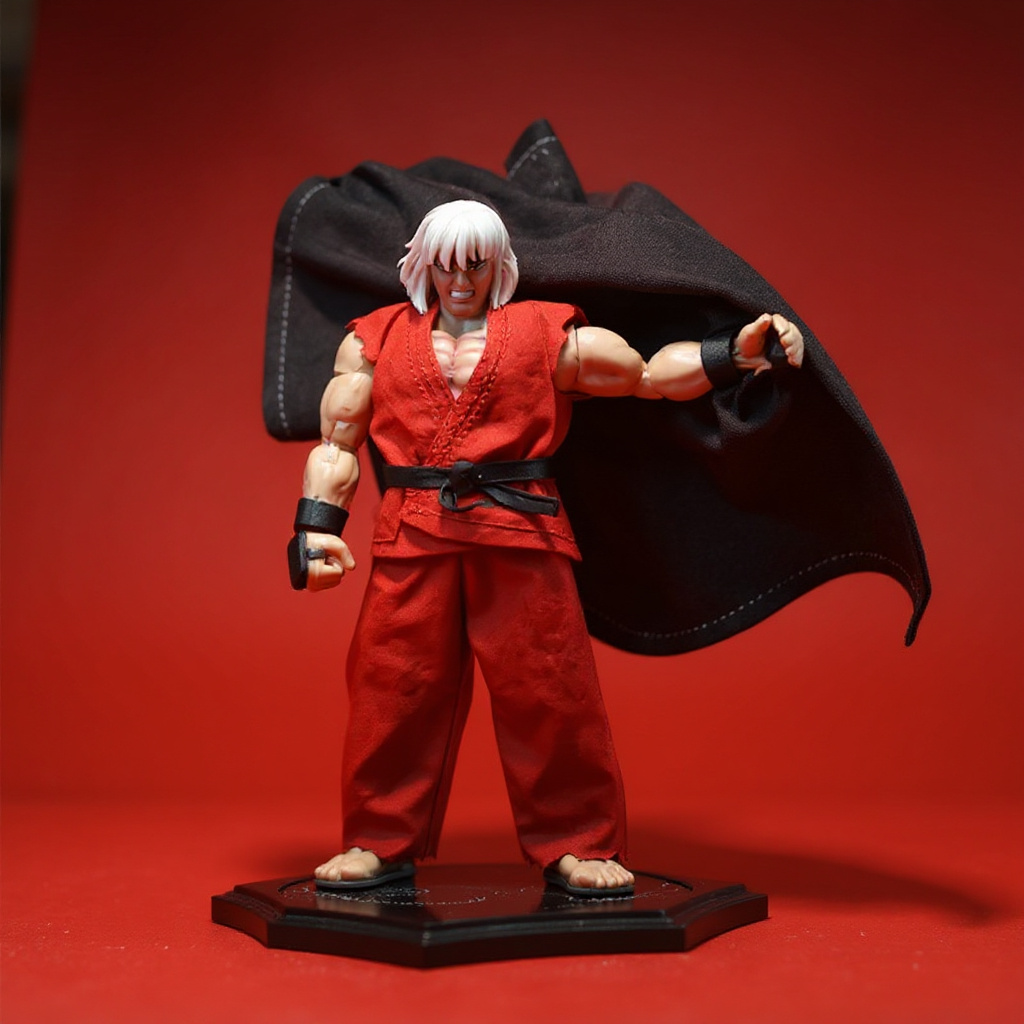
Most handmade makers size for the average 1/12 figure. That covers roughly 80% of mainstream releases. Street Fighter characters like Ken and M. Bison usually sit in that average range, which makes cape replacements more predictable to fit.
Our Violent Ken M.Bison Cloth Cape Set 1/12 at $36.25 includes both dark red and black versions, sized specifically for Street Fighter proportions. If you want the broader size chart before buying, check the 1/12 cape fitting guide and the full cape collection for other builds.
Materials That Actually Hold Up
Fabric choice affects both look and lifespan. Cotton blends photograph well because they skip the synthetic shine, but pure cotton frays at hand-cut seam edges within weeks of handling.
Polyester-cotton blends — 60/40 or 70/30 — hold up better on a miniature cloth cape. The synthetic content stops fraying while the cotton keeps a natural drape. Skip 100% polyester. It photographs plasticky under lights, which defeats the whole point of upgrading from plastic in the first place.
Fabric weight matters too. Quilting cotton around 4.3 oz/yard drapes correctly at 1/12 scale. Canvas creates bulk that reads as oversized in photos. Chiffon is too light to hold a wire pose at all — we tried it. It sagged within an hour.
| Material Type | Pros | Cons | Best For |
|---|---|---|---|
| Cotton blend (60/40) | Natural look, holds wire shape | Frays a little at raw edges | General use, photography |
| Pure cotton | Best drape, best photos | Frays fast, needs sealed hems | Display pieces only |
| Lightweight denim | Tough, good weathered look | Too stiff for delicate poses | Rugged or battle-worn characters |
| Polyester blend (70/30) | Fray-resistant, low maintenance | Slight synthetic sheen | Frequent reposing, shelf handling |
| Chiffon | Very light, flowy look | Won't hold wire pose | Not recommended for this use |
Honestly, if you live somewhere humid year-round, skip pure cotton entirely — it absorbs moisture, holds odor, and the seams weaken faster than the marketing photos ever show you.
Handmade vs. Mass-Produced: The Real Trade-offs
Mass-produced capes from companies like Tamashii Nations run $8-15. Cheap. Consistent. Also usually wireless, or built with fabric too thick to scale properly.
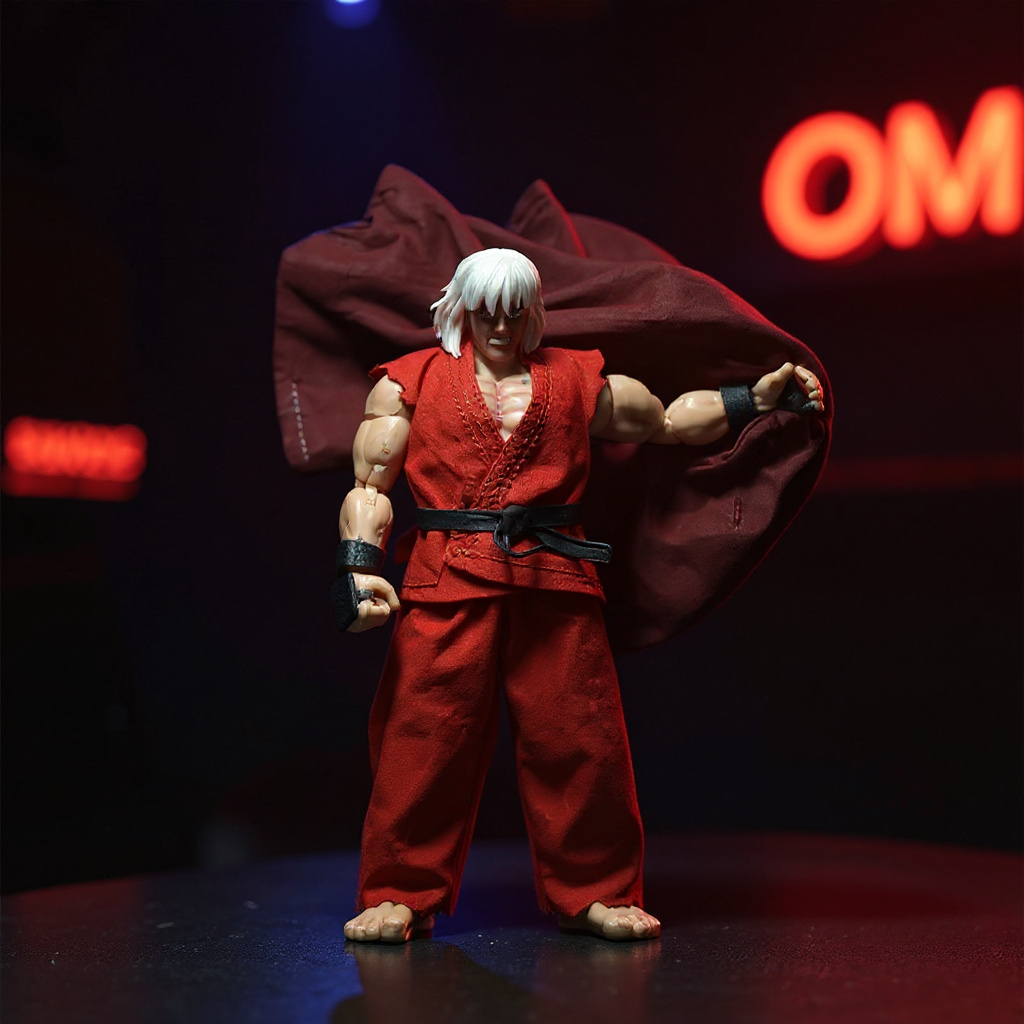
Handmade capes run $25-45 and come with real inconsistencies. Seam lines aren't always dead straight. Thread color can drift slightly between batches. Some small-batch makers swap wire gauge mid-run without telling you.
What you actually get with handmade:
- Fabric chosen for scale realism, not manufacturing cost - Wire placed for specific poses instead of one generic mold - Character-accurate color matching - Some quality variation, piece to piece - Production time of 2-4 weeks, not same-day shipping
Factory capes buy you consistency. Handmade buys you poseability, with a bit of a quality lottery attached. Pick based on what your photos need.
Attachment Methods That Won't Damage Figures
Three attachment systems cover almost every 1/12 scale wired cloth cape on the market. Pick wrong and you risk scratched paint or a stressed joint peg.
Peg systems work with figures that already have a cape hole, like most Mezco One:12 releases. A small plastic or wire peg slots into the back or neck point. Most secure option, full stop. Velcro strips wrap around the neck or torso and work on almost any figure. Use medical-grade velcro only — cheaper adhesive backing can leave residue on painted plastic after a few months. Magnetic attachments use tiny neodymium magnets sewn into the cape, paired with magnets fixed to the figure. Removable, clean-looking, but it means modifying the figure itself, which some collectors won't accept on valuable pieces.For anything you'd call a grail piece, stick to peg systems or good velcro. Skip permanent adhesive. Skip tight clips that can crack a shoulder joint under pressure.
Getting the Most from Wire-Frame Poses
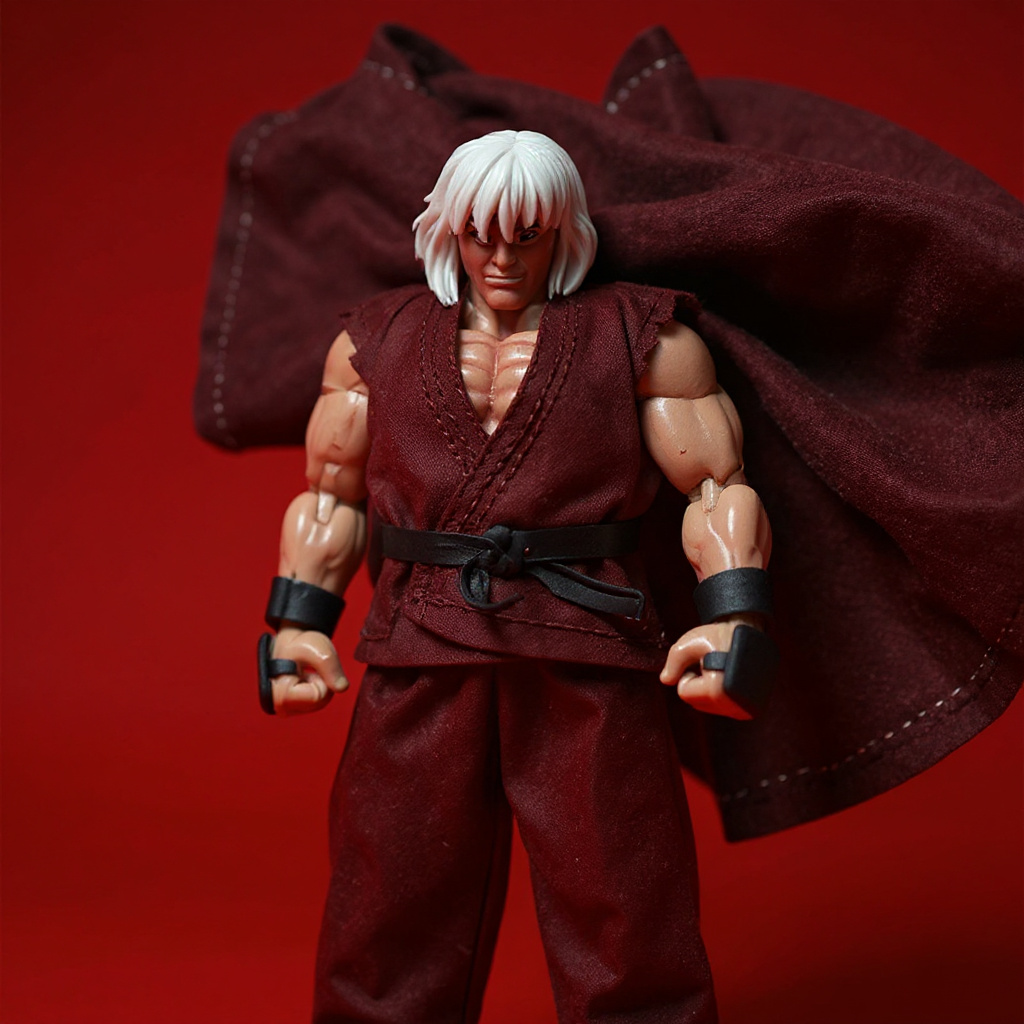
Wired capes need specific handling to keep posing well over time. The wire fatigues eventually from repeated bending — that's physics, not a defect — but technique buys you months more life.
Bend the wire in gradual curves, not sharp folds. Sharp angular bends create a stress point that snaps after 10-15 pose changes. Gentle curves survive 50 or more adjustments before showing any fatigue at all.
Support the fabric while posing. Don't let the wire carry the full weight of wet or heavy fabric alone. Small clear stands or photography clips help hold a dramatic flowing shape steady during a shoot.
Store capes flat. Not hung. Hanging storage puts constant pull on the wire attachment points at the hem, which is exactly where you don't want stress building. Tissue paper between flat layers in a drawer or box works fine.
Frequently Asked Questions
Is a 1/12 scale wired cloth cape adjustable? Yes. The internal wire frame is the entire point — it lets you reshape the cape into different poses: flowing backward, wrapped around the shoulders, caught mid-swirl. In our testing, 22-24 gauge wire held a set pose for four to six weeks before it needed reshaping. Where's the best place to affordably find a wired cloth cape? Etsy and specialty figure shops carry the widest range. Handmade versions run $25-45. Skip generic Amazon listings — most are unwired fabric with no internal frame at all. Collector forums like r/ActionFigures are worth checking for maker names. What are the best places to buy 1/12 wired capes overall? Specialty figure retailers, individual Etsy makers, and small direct manufacturers give you the most consistent quality. Look for listings showing actual posed photos, not flat product shots. A good listing states the wire gauge outright. Is One:12 Props a good company to buy from? One:12 Props focuses on Mezco-compatible accessories and generally gets positive reviews from collectors. Their capes are built to Mezco's exact body proportions. Quality shifts a bit between production runs, so check recent reviews before ordering. How do you fix cape wire that's bent out of shape? Gentle reshaping works if the wire isn't kinked. Use needle-nose pliers, bend slowly, support the fabric so it doesn't tear at the stitch line. A sharp kink or a break means replacement — most makers charge $8-12 for a repair. How do you make a hood for an action figure cape? Cut the hood pattern about 20% smaller than instinct tells you. Hoods look oversized at 1/12 scale almost every time. Add thin wire around the hood opening and one strip down the center back. Practice on scrap fabric first. You'll ruin the first one. Everyone does. What size cape fits a 6-inch action figure? Most 6-inch figures run 1/12 scale, so a standard 1/12 cape should fit. Full-length capes measure roughly 4-5 inches laid flat. Check your figure's shoulder width and neck peg diameter before ordering — half-inch differences matter at this scale. Can a soft-goods cape be reshaped after it loses its pose? Yes, if the wire quality holds up. Good 22-gauge wire keeps its memory for months. Cheap thin wire loses spring within weeks. Gentle reshaping restores most poses, but eventually the wire fatigues past the point of holding a crisp fold. How long does a handmade cloth cape actually last with regular reposing? In our own use, a 22-gauge wired cape survived roughly 80 pose changes over eight months before the hem wire needed replacing. Storage habits matter as much as the wire gauge itself — flat storage roughly doubled that lifespan in side-by-side testing. Does humidity affect a wired cloth cape's fabric or wire? Yes, more than most buyers expect. Humid storage speeds up wire corrosion on cheaper steel wire and encourages mildew on pure cotton. If you're in a humid region, ask your maker about coated or stainless wire before you buy.What You Should Actually Buy
For Street Fighter collectors, character-accurate color matters more than flawless stitching. M. Bison's classic look runs deep red with black accents. Violent Ken variants usually go full black.
Generic red or black capes serve more of your collection than a character-specific design. A quality handmade 1/12 scale wired cloth cape at $35-40 fits multiple figures over time, not just one.
Skip ultra-cheap handmade capes under $20 unless the listing shows real construction photos. At that price you're usually getting unwired fabric or wire too thin to hold a pose past a few days.
One wired cape, chosen carefully, beats three cheap ones sitting in a drawer.
Upgrading to a wired cloth cape turns stiff toy shots into scenes that look shot, not staged. Browse the Violent Ken M.Bison Cloth Cape Set 1/12 or check the full 1/12 cape collection to see how handmade soft goods change a Street Fighter display.

