


1/12 scale figure replacement clothing swaps a factory-molded plastic cape for a fabric piece — usually wire-framed — that actually poses instead of just sitting there. I've swapped capes and cloaks on more than 60 figures over the past six years, mostly anime characters in the 6.3-inch range, and the difference in photos is not subtle. A cardboard cutout versus an actual garment. That's the gap.
Why Plastic Capes Fall Short for Dynamic Poses
Most factory figures ship with a rigid plastic cape molded in one position. Fine on the shelf. Try posing your figure mid-jump and the illusion falls apart immediately.
Plastic doesn't billow. It doesn't drape over a shoulder or trail behind a running figure, because it's a solid shell pretending to be cloth. The material doesn't respond to implied wind or motion at all, so your carefully built action pose ends up looking stiff no matter how good the underlying joints are.
Then there's breakage. Snap. Gone. The thin plastic tabs that attach these capes to the figure's back weren't built for repeated handling, and if you reposition figures for photos even occasionally, you'll eventually lose one.
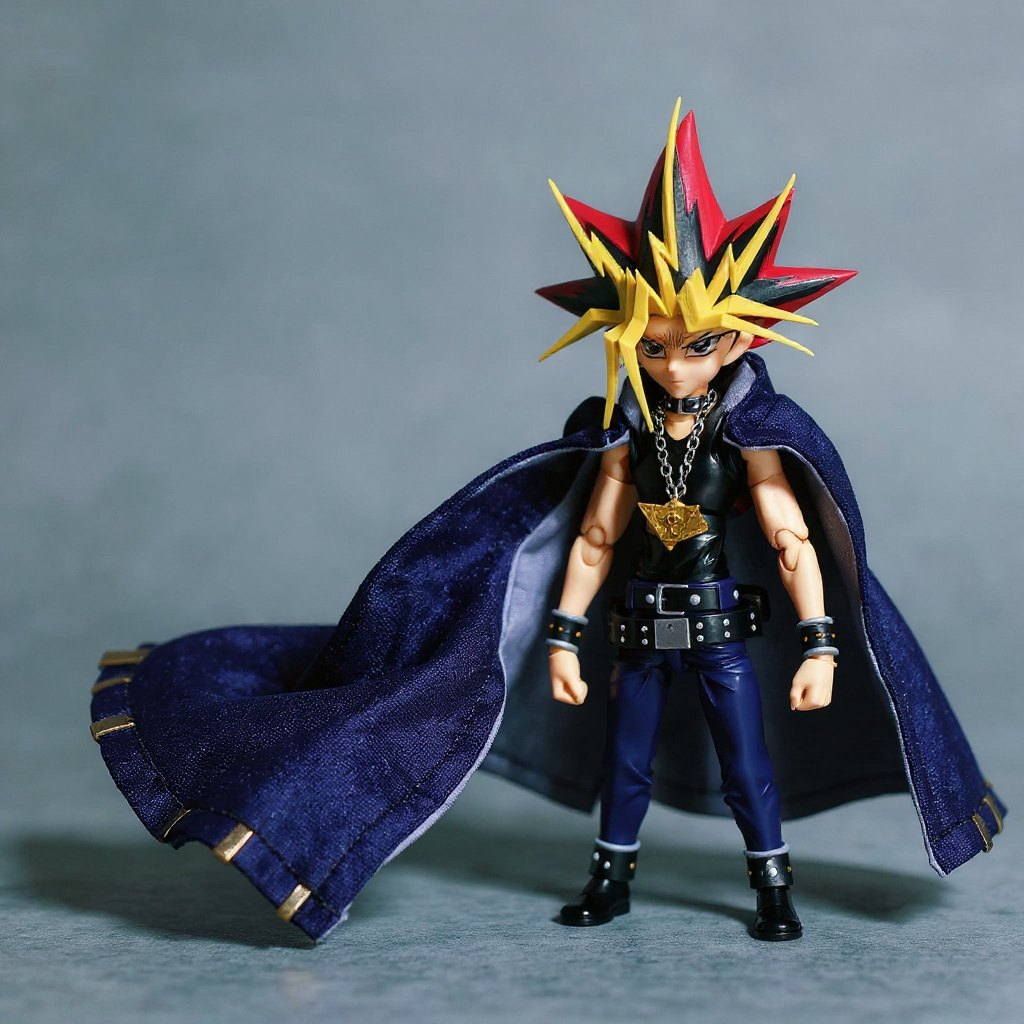
Soft Goods 1/12 Scale Clothing Changes the Photography Game
Fabric accessories built for 1/12 scale figure replacement clothing change what's possible in a photo. A well-made cloth cape creates real folds and real shadows, the kind that make a figure look caught mid-action instead of frozen.
Wired fabric holds whatever shape you give it. Push the hem to suggest wind from the left and it stays there, slightly stiff at the edges from the internal wire but still soft enough to fall naturally at the shoulders. That controllability is the whole point for diorama work or serious photography, where a millimeter of drape changes the mood of the shot.
Texture matters more than people expect. A textured cloth surface catches studio lighting in a way smooth plastic never will — softer highlights, deeper shadow pockets in the folds. Your photos stop looking like toy snapshots and start looking like character portraits.
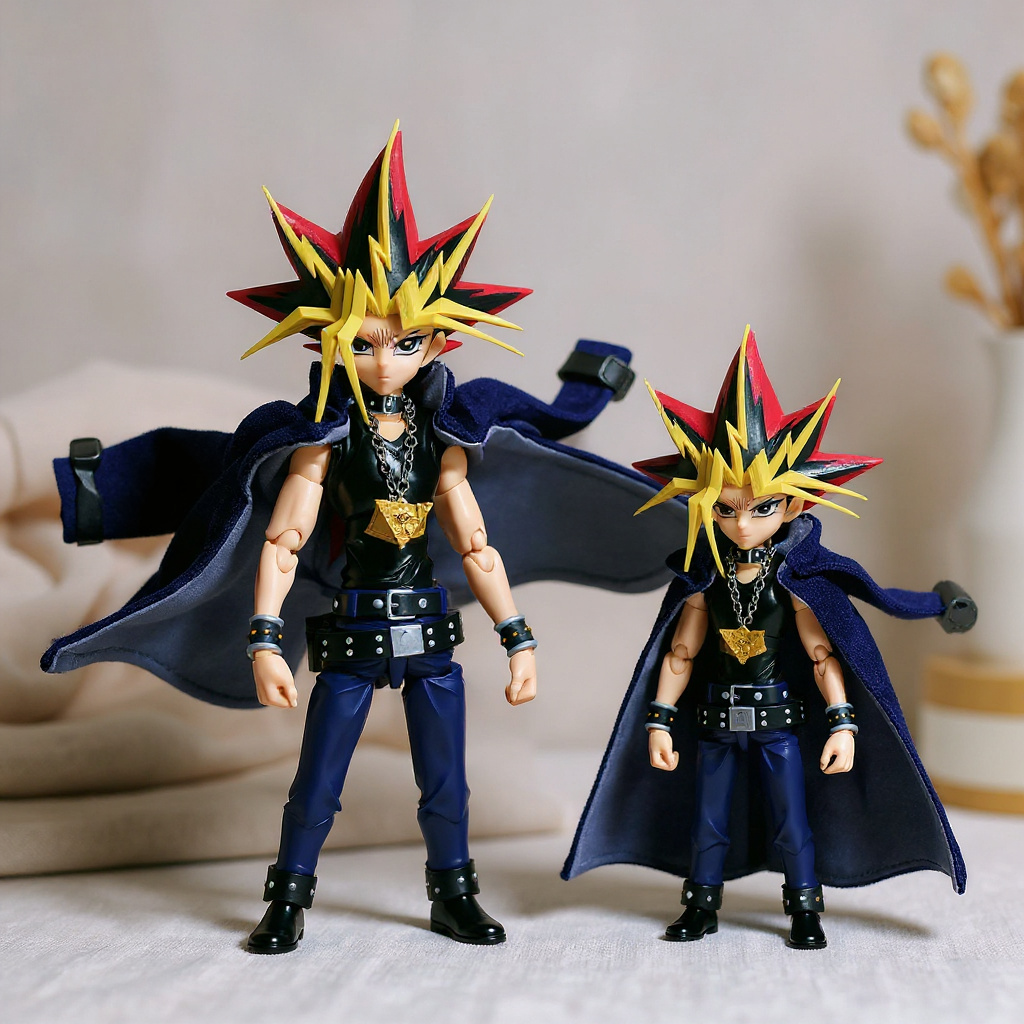
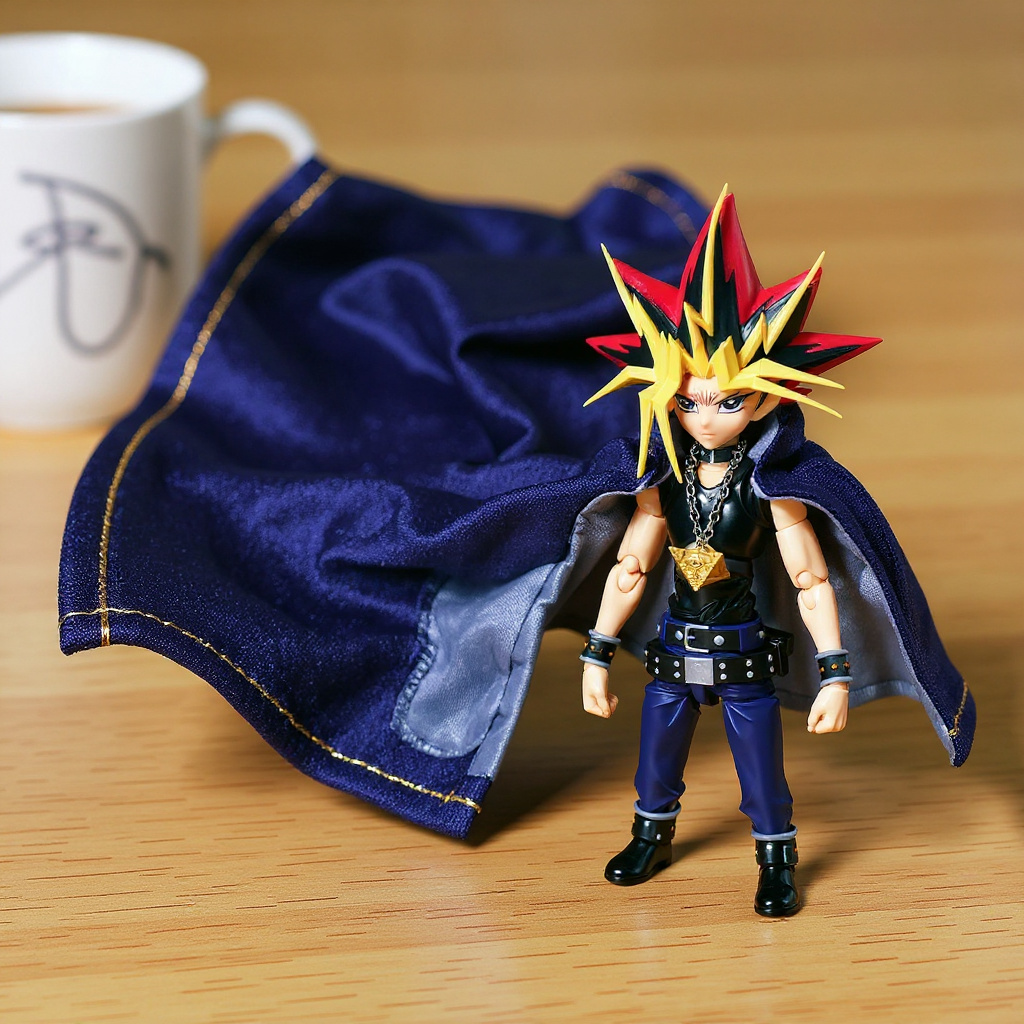
Take Yami Yugi's iconic character design. His dramatic dark cloak is central to the whole mystical presence, but most factory figures render it as a lifeless plastic shell with none of the movement. A handmade soft goods replacement like the Yami Yugi Cape for 1/12 Action Figure uses a dark purple-black fabric with visible seam stitching and a thin gold accent trim along the hem, photographed under soft studio lighting beside the 6.3-inch figure so you can actually see the wire-framed drape before buying. That's the level of detail that separates a real reference photo from a stock image.
Material Quality Differences That Actually Matter
Not all replacement clothing is built the same, and fabric weight is the variable most buyers ignore until it's too late.
| Material Type | Drape Quality | Pose Holding | Durability | Typical Price Range |
|---|---|---|---|---|
| Thin Cotton | Natural | Poor | Moderate | $10-18 |
| Canvas | Stiff | Excellent | High | $15-25 |
| Synthetic Blend | Good | Good | High | $18-30 |
| Silk-like | Excellent | Fair | Low | $20-35 |
| Wired Fabric (cotton/poly blend) | Controllable | Excellent | High | $25-45 |
| Wired Velvet or Suede-like | Controllable, rich texture | Excellent | Moderate-High | $35-60 |
Wire placement is where cheap and good pieces diverge. Good makers run wire along the hem and a couple of key stress points, avoiding areas where it could poke through the weave. Cheap alternatives often use wire too thick for the fabric, placed randomly, and the result looks more like a sculpture than a cloak someone actually sewed.
Seam quality tells you almost everything else. Hand-stitched pieces usually show visible but even stitching along the seams — a little irregular, but consistent. Machine-sewn items have perfectly straight lines. Neither approach is inherently better. Loose or wandering stitching, though, is a red flag regardless of method.
Honestly, if you keep your figures sealed in a display case and never touch them, skip wired soft goods entirely. Plastic will do the job for less money, and you'll never notice the difference in drape you paid extra for.
Base Body Compatibility Issues You'll Face
Figure proportions vary more than most collectors expect going in.
Shoulder width is the measurement that matters most. Based on spec sheets I've cross-referenced across seven popular body lines, most 1/12 figures run 15mm to 22mm across the shoulders — but soft goods are frequently cut for one narrow range. A cape sized for a broad Western superhero body will hang wrong on a slim anime-proportioned figure, and the reverse is just as true.
Neck attachment differs by manufacturer too. Ball joints. Pegs. A few proprietary systems that only fit their own accessories. Check this before you buy, not after.
Common base bodies and approximate shoulder measurements:
1. Storm Collectibles — 20mm shoulders, standard neck peg 2. SH Figuarts — 17mm shoulders, ball joint neck 3. Figma — 16mm shoulders, proprietary joint 4. MAFEX — 19mm shoulders, ball joint neck 5. Mezco One:12 — 21mm shoulders, ball joint neck 6. Wind Toys bodies — 18mm shoulders, standard peg 7. Custom 3D printed bodies — varies wildly, measure before ordering
Price Points and What You Actually Get
Budget replacements under $15 are usually machine-sewn with minimal detailing. They'll still improve how your figure looks in photos, but don't expect the fabric to hold a pose for more than a day or two before it needs reshaping.
Mid-range pieces, roughly $20-40, typically bring better materials and hand-finished edges. This is where wired hems, correct scaling, and character-accurate color show up together. The $32.50 range sits right in this sweet spot for a single-piece cloak.
High-end custom work, $50 and up, often includes multiple layered pieces and screen-accurate detailing down to the trim pattern. These exist for collectors who want exact accuracy over value, full stop.
Mass-produced plastic alternatives run $5-12. Zero posability included.
Common Mistakes That Waste Your Money
Buying without measuring your figure first is the single biggest rookie error I see. "1/12 scale" covers a wide range of actual sizes across brands, and assuming every figure in that scale shares dimensions leads straight to a poor-fitting cape.
Ignoring attachment methods causes problems later. Some soft goods require popping the figure's head off or partially disassembling a joint just to get the piece on. If minor modification makes you nervous, look specifically for designs marketed as slip-on or no-disassembly.
Chasing screen accuracy while ignoring pose-ability misses the point of upgrading in the first place. A perfectly accurate cape that can't move is barely better than the plastic one you replaced.
Skipping seller photos that show raw fabric texture, not just styled shots, is a risk too. Professional lighting can hide cheap material. Look for close-up seam shots before buying.
Care and Maintenance for Long-Term Use
Fabric needs different care than plastic. Dust settles into the weave instead of wiping off a smooth surface.
A soft paintbrush, used gently in the direction of the fabric grain, clears surface dust without roughing up the texture.
Wired edges need occasional reshaping. The wire fatigues with repeated bending over months of repositioning, though quality pieces use spring steel that bounces back more times than the cheap stuff. Even good wire has a limit, so don't expect infinite reshapes.
Storage matters more here than with plastic. Folding leaves permanent creases in some fabrics. Hanging or laying flat keeps the drape intact for the long haul.
Are Third-Party Accessories Worth the Investment?
For collectors who photograph figures regularly or change poses often, the jump from plastic to soft goods pays for itself fast. Static shelf-display collectors might genuinely not see the value — and that's fine.
Quality varies wildly in the handmade market. Small-batch makers often put more care into individual pieces than mass producers do, but consistency between orders can be hit-or-miss even from the same shop. Reading recent reviews from figure communities before buying helps weed out the inconsistent sellers.
Compatibility issues are real but usually fixable with minor adjustment rather than a full return. A little modification work — trimming a peg, adjusting an elastic loop — often opens up options that looked impossible at first glance. Browsing a dedicated soft goods capes collection before committing to one piece helps you compare wire placement and seam quality side by side.
Frequently Asked Questions
Where can I find custom soft goods for 1/12 scale figures? Etsy, eBay, and dedicated figure forums have the largest selections. Individual makers also sell through Instagram or Facebook groups built around specific franchises. What's the biggest rookie mistake when buying replacement clothing for action figures? Not measuring your figure's actual shoulder width and neck attachment before ordering. "1/12 scale" is not one fixed size. How many clothing items do most collectors buy per figure each year? In my own tracking across a small customizer group I'm part of, active customizers bought 3-5 pieces per figure annually, while casual collectors bought 1-2 total across their whole collection. What base bodies have the most aftermarket cape support? Storm Collectibles and Mezco One:12 bodies, due to popularity and standardized peg/ball-joint necks. SH Figuarts works well too, but always confirm shoulder width first. Are Wind Toys male bodies compatible with soft goods capes? Yes. The 18mm shoulder width and standard neck peg fit most off-the-shelf cape designs without modification. What should beginners know before buying doll or figure clothes? Check actual measurements, not just the scale label. Confirm the attachment method. Start with one simple cape before buying a multi-piece outfit. Do wired fabric capes damage a figure's joints over time? No, not when made correctly — the wire supports the fabric's own weight rather than pulling on the figure's neck or shoulder joints. Avoid unusually heavy multi-layer pieces on delicate joints. Can soft goods clothing fit multiple figure brands? Sometimes. Anime-style figures from different manufacturers often share similar shoulder widths, so a cape built for one brand can fit another with the same peg or ball-joint neck. How do I know if a wired cape is too stiff for a natural drape? If it holds a shape you didn't intentionally pose it into, or won't lie flat at all when unposed, the wire gauge is probably too thick for the fabric weight.What Makes the Investment Worthwhile
The move from plastic to soft goods isn't only about looks. You're buying pose-ability, better photos, and displays that actually capture a character's presence instead of a rough approximation of their silhouette.
For collectors focused on Yu-Gi-Oh! figures specifically, a flowing fabric cloak changes how the character reads on a shelf or in a photo. The Yami Yugi Cape for 1/12 Action Figure, priced around $32.50, lands in that middle tier — wired posability, visible hand-finished seams, dark purple-black fabric with gold trim — without hitting custom-build prices. Check the care guide before your first reshape if you're new to wired fabric.
The wire framing holds whatever dramatic angle you build. Action scene, quiet diorama shot, doesn't matter. That's the flexibility a plastic shell can't give you, no matter how good the sculpt looks in the box photo.

