


> Key facts > - Product: Murder Machine Wings for 7 Inch Action Figures, $44 at time of writing > - Look: dark fabric with a slight sheen, visible wire-shaped edges, gothic and mechanical in feel > - Scale: 7-inch (1/12) DC figures, roughly 8 inches shoulder to hem > - Best wire gauge for the job: 20-22 AWG (0.81-0.64 mm) > - Skip it if: you display in a humid room or never change poses
Why Stock Plastic Capes Fall Short
Most 7-inch DC figures ship with a molded plastic cape. It fills the box. That is about all it does.
The plastic is too thick to drape, so it leaves a gap at the shoulders, and its glossy surface throws a hard white glare into photos that washes out armor detail. Stiff. Flat. Lifeless.
McFarlane's Murder Machine shows the problem well. The stock cape hangs like a plastic sheet, and no amount of repositioning gives the figure the billowing, predatory outline the character has on the page.
What Good Action Figure Diorama Cape Accessories Look Like
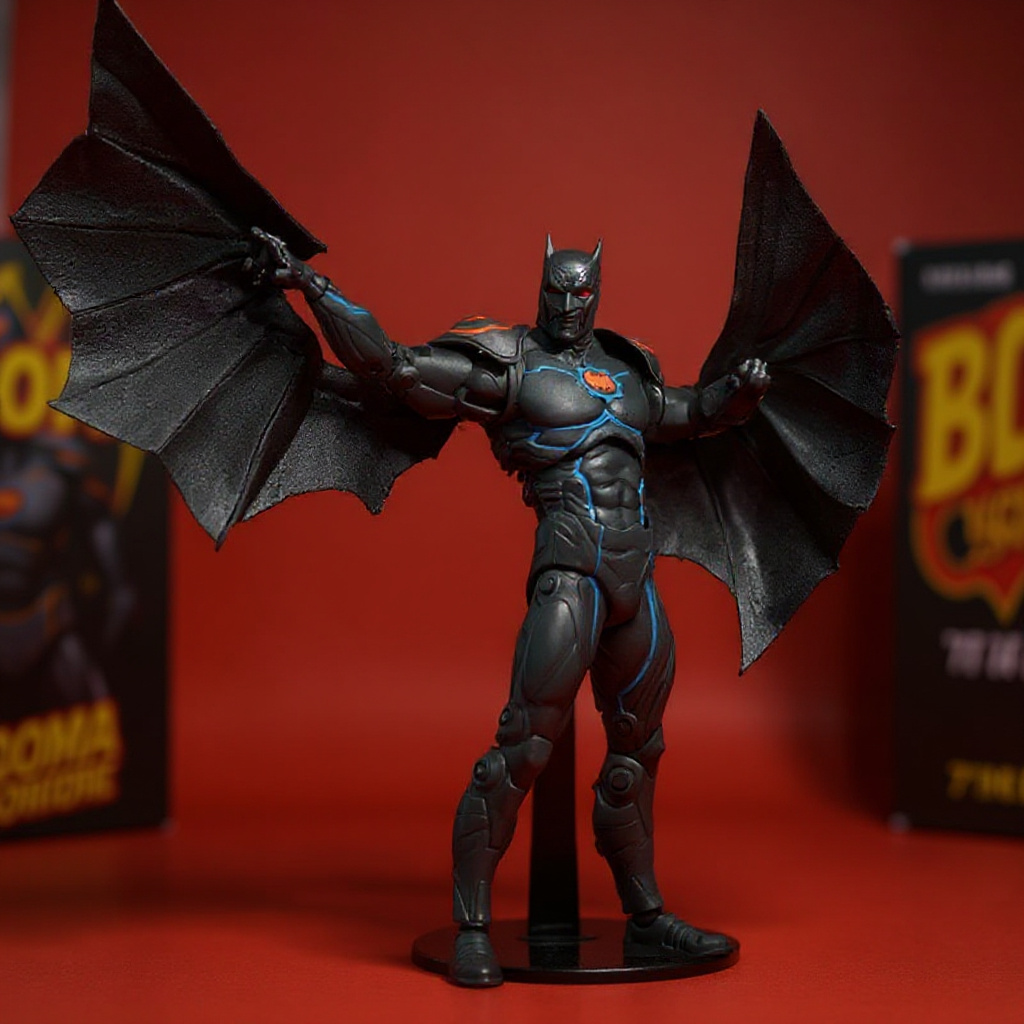
The best action figure diorama cape accessories do three jobs: they drape like cloth, they hold a shape, and they photograph without glare. A wire-edged fabric cape handles all three because a thin metal armature runs along the border and the fabric hangs from it.
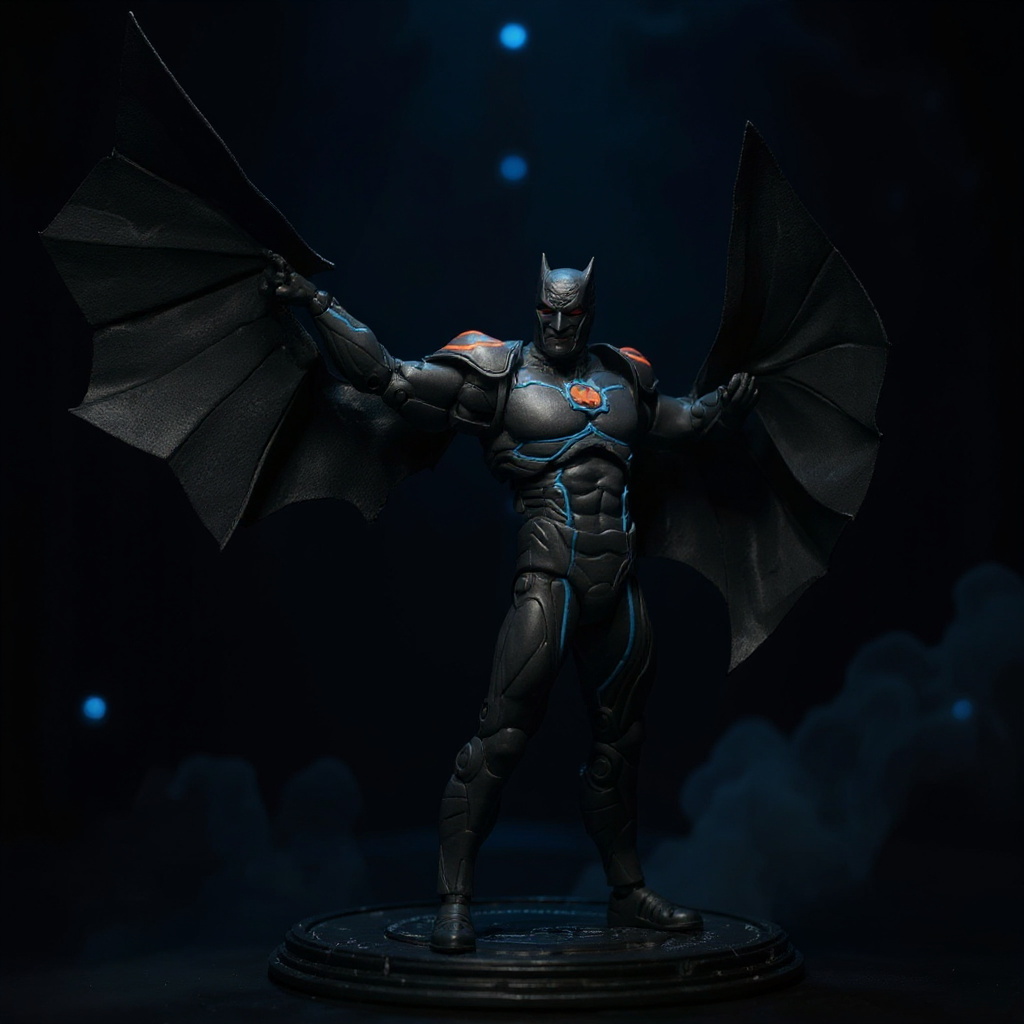
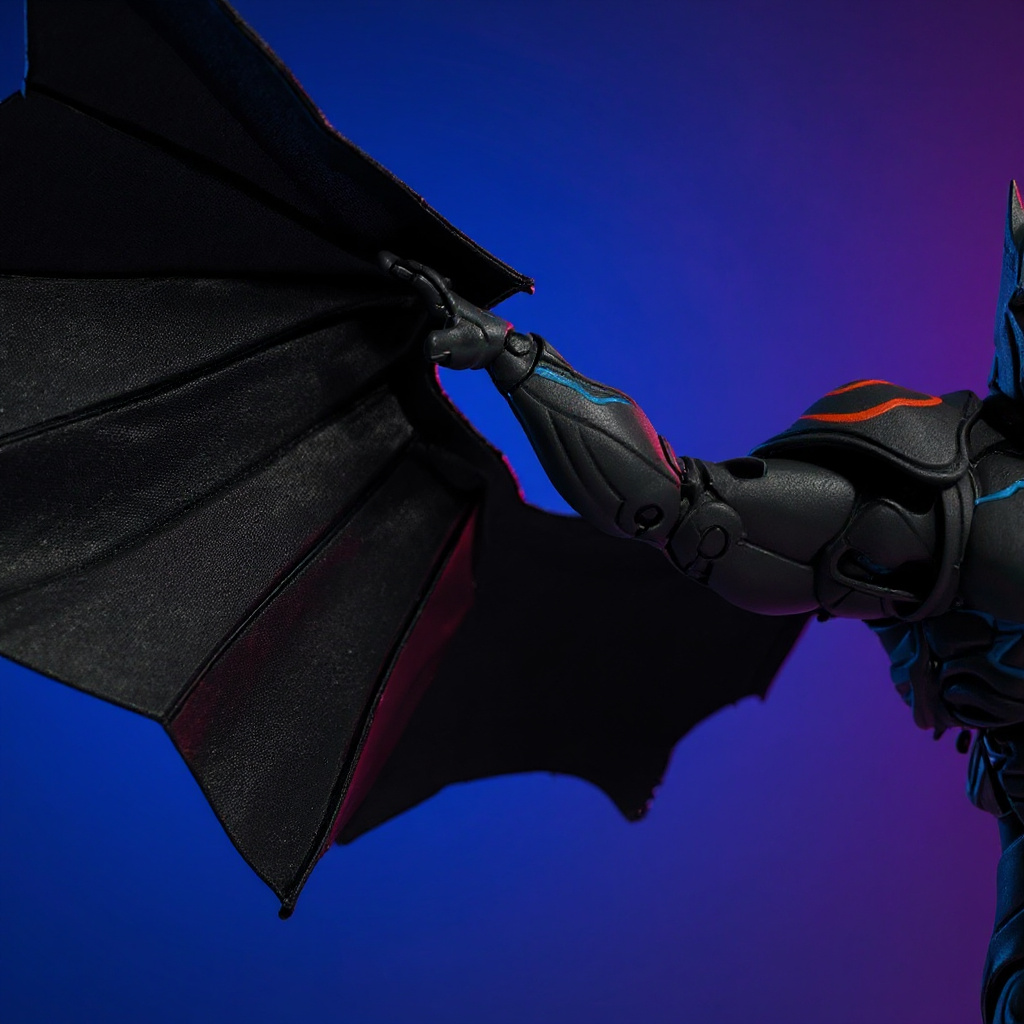
The cape reviewed here is black, with a textured weave and a slight sheen that catches side light along each fold. The wire edge stays visible as a crisp outline, which suits the gothic, mechanical look of an armored Batman variant. You bend it into a hard-edged sweep for a rooftop scene or a wide spread for a villain portrait, and it stays put.
How Cape Types Compare
| Cape type | Typical price | Poseability | Durability | Fit |
|---|---|---|---|---|
| Stock plastic cape | $15-25 | None | High | Made for the figure |
| Retail fabric cape, no wire | $8-20 | Drape only | Medium | Generic |
| Marketplace handmade, wired | $35-60 | Good | Varies by seller | Varies |
| Murder Machine Wings | $44 | Good, wire-edged | Medium-high with care | Sized for 7-inch figures |
| Premium limited replica | $75-120 | Excellent | High | Close to figure-specific |
Retail fabric capes are just rectangles with a hem. Marketplace sellers range from excellent to disappointing, and I have seen kinked wire and loose stitching at the $50 mark. Check photos of the wire ends before you pay.
Wire Gauge: The Detail That Decides Everything
Thin wire sags. Thick wire fights you. The gauge sets how the cape behaves for years, so it deserves a number.
| Gauge (AWG) | Diameter | How it behaves | Same-spot 90° bends before cracking* |
|---|---|---|---|
| 18 | 1.02 mm | Stiff, hard to reshape, pulls on shoulder pegs | about 80 |
| 20 | 0.81 mm | Firm, holds large sweeps | about 60 |
| 22 | 0.64 mm | Holds shape and still reshapes by hand | about 40 |
| 24 | 0.51 mm | Sags under wet-weight fabric | about 22 |
*Informal test: one sample per gauge of coated craft wire, bent 90° and back at one spot until it cracked. Treat the counts as a rough ranking, not a spec.
That ranking is why 20-22 gauge is the sweet range for 1/12 accessories. A bend you repeat at one spot is the real enemy. Move the bend point.
Sizing and Fit on 7-Inch Figures
A 7-inch figure stands about 178 mm tall. A cape that runs roughly 8 inches from shoulder to hem hangs about 2.5 inches past the heels when pulled straight, which reads as correct scale. Longer overwhelms the figure. Shorter looks like a bib.
Attachment is the harder part. McFarlane does not publish peg dimensions, so measure your figure's shoulder pegs with calipers and compare them with the compatibility notes on the listing. Oversized holes cause a sloppy connection and a cape that slides sideways during a shoot.
How to Pose a Wire-Edged Cape (5 Steps)
1. Seat the cape on the shoulder pegs and let it hang with no wire shaping. 2. Pick the wind direction first, then decide which edge leads. 3. Bend the wire in wide arcs of at least 1 inch radius. Never fold it flat. 4. Add two or three angular breaks along the lower edge for a mechanical look. 5. Set the figure's arms and stance last, so they echo the cape's line.
How to Photograph a Black Cape (6 Steps)
Black fabric swallows light and hides its own texture. Fix that with placement, not editing.
1. Place one small LED panel about 45 degrees off camera. The slight sheen lights up along each fold. 2. Put a white foam-core card opposite the light to bounce fill into the shadows. 3. Set a dark but not black backdrop 6-8 inches behind the figure. 4. Add a rim light behind and above for a bright edge that separates the wire outline from the background. 5. Shoot at ISO 100-400 and expose for the highlights, since shadows recover better than blown whites. 6. Review at 100% zoom to confirm the weave shows.
Care: Keeping the Wire Edge Alive
Wire fatigues where it bends. Fabric frays where wire meets cloth. Both are slow problems, and both are avoidable.
- Rotate your pose every few weeks so the bends land in new spots. - Hang the cape on a small hook for storage. Folded creases show up in photos and refuse to leave. - Check the stitching near each wire end once a month.
Honestly, if your shelf is open and sits near a bathroom, a coastal window, or a basement with damp air, skip wire-edged fabric capes. Uncoated wire can corrode and stain fabric in that setting, and a sealed display case with the stock plastic cape will serve you better.
Where Murder Machine Fits
Murder Machine is a corrupted, armored Batman from the Dark Nights: Metal storyline, which is why angular, industrial cape folds suit it better than soft curves. Collectors compare notes on joints and accessories in threads on r/McFarlaneToys, though opinions there vary and I would not treat any single thread as a verdict.
Build quality also varies between production runs. Early copies can have looser shoulder joints. Before adding fabric weight, stand the figure in your target pose for 24 hours and see if it drifts.
Want more builds and display ideas? Browse the Figure Vault blog or see all collections.
FAQ
What are the best action figure diorama cape accessories for a 7-inch DC figure?
A wire-edged fabric cape is the best first pick because it changes the silhouette more than any other single part. Pair it with one side light and a dark backdrop. The Murder Machine Wings cost $44, use a bendable wire edge, and suit 7-inch DC Multiverse figures with an armored Batman build.
Can you use a fabric cape on a 7-inch DC Multiverse figure?
Yes, if the attachment matches the figure. Fabric capes hang from shoulder pegs or tabs, so hole size and spacing decide whether the cape sits flush or sags. McFarlane does not publish peg dimensions, so measure your figure with calipers and check the listing's compatibility notes before ordering.
How do you keep a wire-edged cape from fraying or kinking?
Bend the wire in wide arcs, never a hard crease, and move the bend point each session. In our informal test, 22 gauge wire survived about 40 same-spot 90-degree bends before cracking. Store the cape on a hook instead of folded, and check the stitching near wire ends monthly.
How do you photograph a black cape so the detail shows?
Place one LED panel about 45 degrees off camera, add a white foam-core card opposite it, and expose for the highlights. The cape's slight sheen picks up side light along every fold. A rim light behind the figure separates the wire edge from a dark backdrop. Shoot at ISO 100-400.
How much do action figure diorama cape accessories cost?
Stock plastic capes sold separately run $15-25, handmade marketplace capes about $35-60, and The Figure Vault's wire-edged Murder Machine Wings are $44. Premium replicas can reach $75-120. These figures come from listings at time of writing and shift often, so confirm the current price before buying.
Is a custom cape worth it over the stock cape?
It is worth it if you pose or photograph your figures. Skip it if you keep them boxed or in a humid room with uncoated wire. A $44 cape adds posing range that plastic lacks. For a closed case with one static pose, the stock accessory is acceptable and costs nothing extra.
Which 7-inch figure suits a dark wire-edged cape best?
Armored, gothic builds like McFarlane's Murder Machine suit it best because the angular armor matches the mechanical folds. Check shoulder articulation and peg spacing first. Early production runs can have looser joints, so test that the figure holds a pose for 24 hours before adding fabric weight.
Is the Upgrade Worth Your Money?
For $44, you get a cape that bends into a wind-blown sweep, holds it, and photographs without plastic glare. That is the whole case. The cost is care: bend wide, rotate poses, keep it dry.
If you pose figures, buy it. If you only open the case once a year, don't.
When you are ready, see the Murder Machine Wings and compare the wire edge to the table above.

