


Good soft goods for 1/12 scale figures come down to three things: fabric weight, wire reinforcement, and construction quality. Most collectors learn this the hard way after buying a $20 outfit that looks like a pillowcase on their figure.
I've bought and returned enough 1/12 scale figure clothing over the past four years to fill a shoebox. Fourteen figures, roughly 40 outfits tried, and a running note on my phone titled "never again." The difference between a great soft goods outfit and a disappointing one isn't always price. I've seen $15 factory pieces that fit perfectly and $60 handmade items that bunch up at the shoulder like a wadded napkin. The trick is knowing what separates the two.
Why Most Factory Soft Goods Fall Short
Mass-produced clothing for 6.2-inch figures suffers from a few predictable problems. The fabric is usually too thick for the scale. Seams fray after three or four pose changes. Worst of all, there's no internal structure to help the clothing drape the way real fabric would on a real body, so it just sits there stiff.
Factory outfits typically use cotton blends that run somewhere around 140-160 grams per square meter (GSM) - fine for a full-size shirt, way too heavy for a 6-inch figure. A fabric that feels light in your hand can still be proportionally heavy on a small figure, and the clothing ends up stiff and unnatural once it's on the body. For reference, quilting-weight cotton (the stuff in most factory kits) runs close to double the GSM of lightweight voile, which is why voile pieces drape and quilting cotton doesn't.
The other issue is fit standards. Most factories design for generic body types. Loose fits that work "well enough" across multiple figure lines. Nothing tailored. Nothing that looks intentional.
What Makes Handmade Soft Goods Worth the Premium
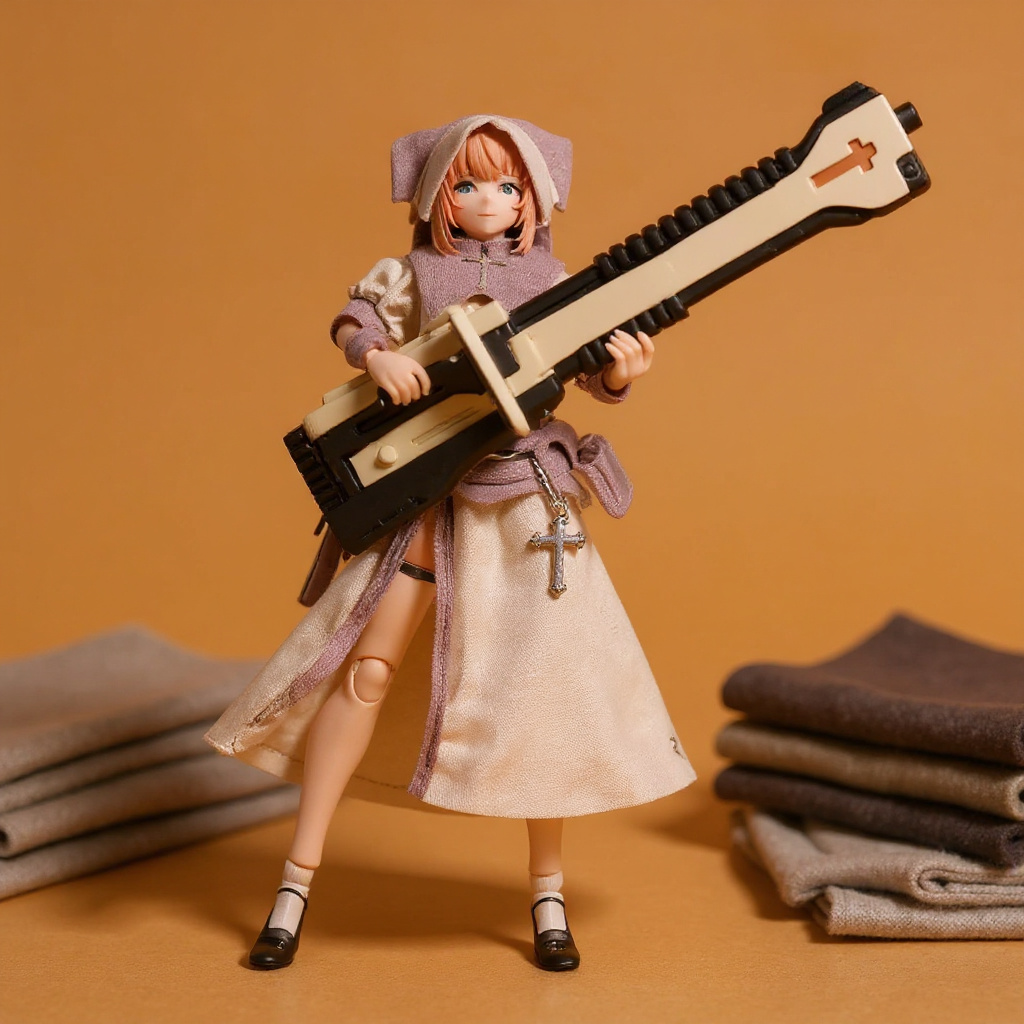
Handmade pieces solve most of these problems, but they come with trade-offs of their own. Better fabric selection matters more at this scale than people realize. Lightweight linens and fine cottons drape correctly on small bodies, especially in the muted, natural tones that photograph well against a plain backdrop. Wire-reinforced hems let you pose flowing garments without them looking flat or frozen in one shape.
Construction quality varies wildly between makers though. Some artisans use French seams and hand-finished edges that survive years of handling. Others cut corners with visible raw edges that fray within months - I had one budget-handmade skirt unravel at the waistband after six weeks of normal display use, no rough handling involved.
I've compared three handmade pieces side by side over the last year to get a feel for where the money actually goes.
The Muse Asdo 1/12 Sister Outfit exemplifies what good handmade work looks like. The layered skirt-and-top construction creates visual depth in soft, natural colors, while the wired hem lets you shape dramatic flowing poses. At $74, it sits in that premium handmade tier where you're paying for construction details that actually improve how the outfit photographs. See the full Muse Asdo 1/12 Sister Outfit listing for build photos.
A second piece, a flutter-hem dress from a small one-person Etsy studio, cost $58 and used a similar wire gauge but skipped the hand-finished seams - it held up fine for about eight months before the hem wire worked through the fabric at one bend point.
A third, a $95 layered robe set from another independent maker, used silk chiffon over linen and has survived two years of monthly repositioning without a single popped seam. More on how to browse and compare these small-batch listings is in our guide to buying handmade figure outfits.
| Aspect | Factory Outfits | Premium Handmade | Budget Handmade | Mid-Tier Handmade |
|---|---|---|---|---|
| Price Range | $15-35 | $60-120 | $25-50 | $50-60 |
| Fabric Weight | Often too heavy | Usually appropriate | Mixed quality | Appropriate |
| Wire Reinforcement | Rarely | Common | Sometimes | Common |
| Seam Quality | Basic machine | Hand-finished | Basic machine | Machine, no finishing |
| Fit Precision | Generic | Tailored | Variable | Tailored |
| Durability | 6-12 months | 2+ years | 6-18 months | 8-12 months |
The Wire Reinforcement Difference
This is where most people don't realize what they're missing. Wire-reinforced hems and edges let you create natural draping that holds its shape between photo sessions. Without it, fabric just hangs straight down or bunches up in a way no amount of steaming fixes.
Good reinforcement uses thin floral wire, usually around 26-28 gauge, sewn into key areas: hem lines, collar edges, sometimes sleeve cuffs. You can bend these elements to create wind-blown effects, natural settling, or dramatic flourishes that stay put through a whole photo session.
Bad reinforcement is obvious once you know what to look for. Thick wire creates visible lumps under the fabric. Wire that's too short doesn't give you enough control to shape anything. Wire placed in the wrong spots - like through the middle of a skirt panel instead of the hem - creates weird creasing instead of natural flow. A ruined pose. A refund request. A one-star review that could've been avoided.
Honestly, if you're a casual collector who just wants a figure dressed for a shelf and you never touch the pose again, skip the wired hem entirely. It's a $20-30 upcharge for a feature you'll never use, and a plain hem looks fine standing still.
Common Fit Problems and How to Spot Them
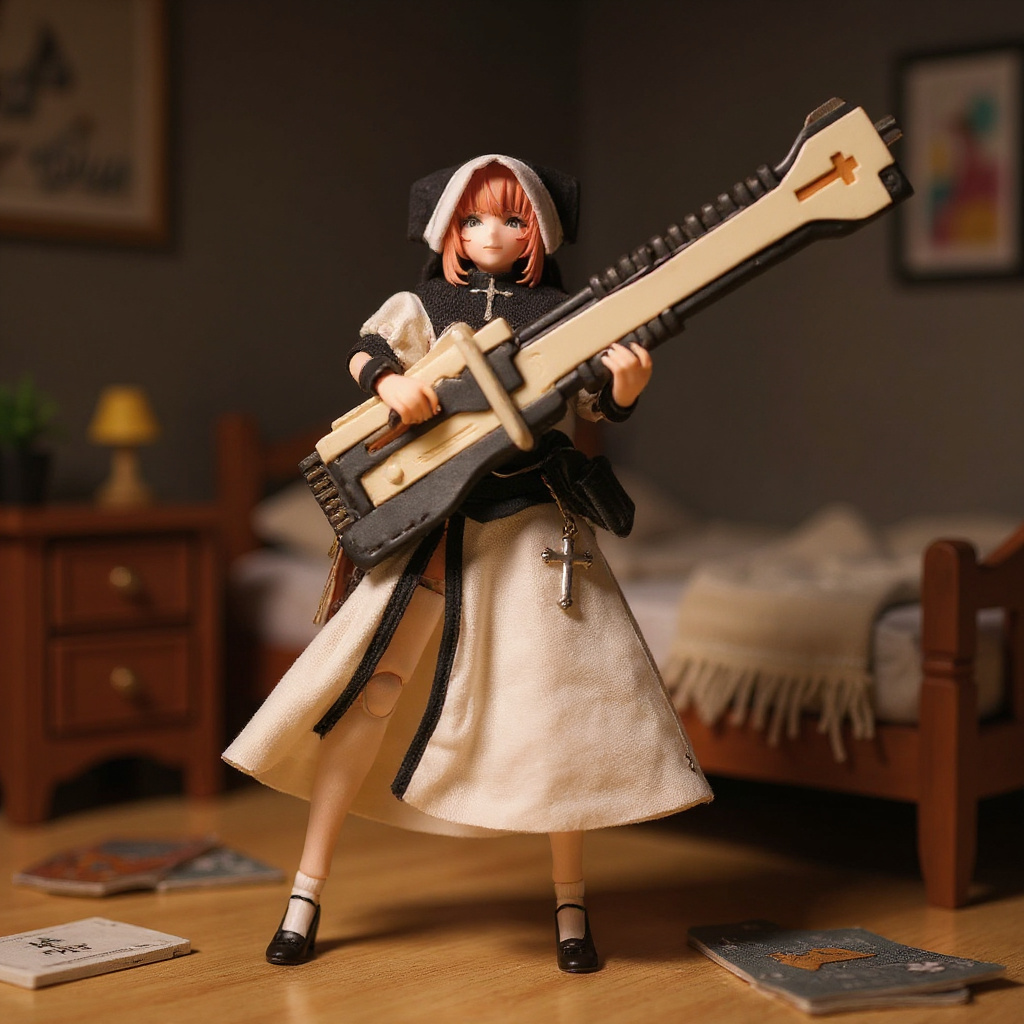
Most 1/12 clothing issues come down to proportions being off for the intended body type. Here's what to watch for when evaluating any soft goods piece:
1. Shoulder width - If sleeves bunch at the shoulder point, the garment is too wide 2. Torso length - Shirts that extend past the hip bone look oversized 3. Sleeve proportion - Arms should show natural fabric draping, not tube-like stiffness 4. Waist placement - High-waisted pieces need to hit at the actual figure's waist 5. Hem behavior - Skirts and coats should flow from the body, not stick straight out 6. Collar fit - Necklines should follow the figure's neck curve, not gap awkwardly 7. Closure alignment - Buttons, snaps, or velcro should line up without fabric pulling
Fit problems get worse with posing. A garment that looks fine in a neutral stance might reveal poor construction the moment you bend the figure's arms or adjust the legs.
Steps to Evaluate a Soft Goods Listing Before You Buy
Skip the photos for a second and check these things first, in order:
1. Read the fabric description line by line. If the listing doesn't name a fabric type (voile, chiffon, linen, cotton blend), assume it's a heavier blend and ask before buying. 2. Look for wire mentions specifically. "Adjustable hem" is vague. "26-gauge floral wire in hem" tells you exactly what you're getting. 3. Check seam photos, not just worn shots. Flip to any close-up images of the inside seams. Raw edges are a red flag for durability. 4. Compare stated measurements to your figure's actual joints. Not the body type on the listing photo. Your figure. 5. Search the maker's name plus "review" outside the platform. A five-star Etsy rating with zero external mentions can mean a brand-new shop, not necessarily a bad one, but worth knowing. 6. Ask about turnaround before paying. Anything under a week for a fully custom piece is either a template garment or a warning sign.
Scale-Appropriate Fabric Choices
This is where handmade pieces really shine over factory alternatives. The best soft goods makers understand that fabric selection changes everything at small scales.
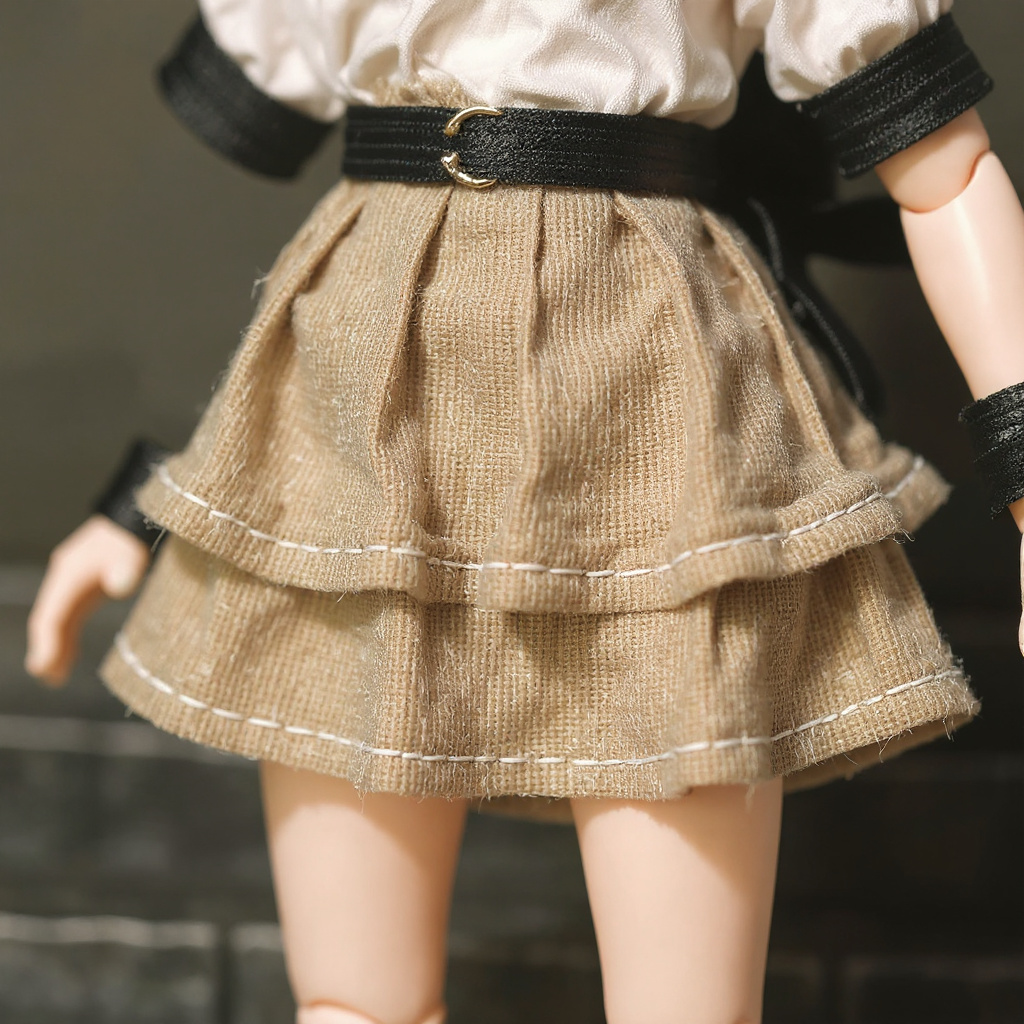
Lightweight cotton voile, silk chiffon, and fine linen work beautifully for flowing pieces. Heavier fabrics like denim or wool need to run much thinner than their full-size equivalents to look proportional - think quarter the thickness, not half.
Texture matters too. Smooth fabrics photograph better under most lighting setups. Highly textured materials can look busy or distracting once compressed down to 1/12 scale.
Color fastness becomes critical with premium pieces. You don't want a $70 outfit bleeding dye onto your figure's vinyl after a few months of mixed-pose storage.
Photography Considerations
Most collectors buying premium soft goods plan to use them for photography, which adds another layer of requirements. Clothing needs to hold up under different lighting conditions and camera angles, not just look good in one hero shot.
Matte fabrics generally photograph better than shiny ones at this scale. Metallic threads or sequins create distracting hot spots under lights. Subtle patterns work better than bold prints, which can overwhelm the small canvas fast.
The ability to style and restyle pieces matters for photography sessions. Wired elements let you create different looks with the same outfit across a single afternoon. Removable accessories expand your styling options without buying a second outfit.
Where Collectors Actually Shop
Finding quality 1/12 soft goods requires knowing where serious collectors source their pieces. Toyark's forums have vendor recommendations from people who've bought dozens of outfits over multiple years. Reddit's action figure communities share photos of pieces in actual use, which tells you more about long-term quality than any product listing photo taken on day one.
Etsy hosts many handmade sellers, but quality varies dramatically shop to shop. Always check recent reviews and ask about construction details before ordering. Facebook groups dedicated to specific figure lines often keep informal trusted-seller lists that never make it onto Google.
Some collectors commission custom pieces directly from seamstresses who understand scale requirements. This costs more, usually $80-200+ per outfit, but it guarantees fit for your specific figures. Our full breakdown of custom vs. off-the-shelf soft goods covers pricing in more depth if you're weighing that option.
What Actually Justifies the Premium Price
After handling roughly 40 different soft goods pieces across four years of collecting, the price difference makes sense once you break down what you're actually paying for. A $74 handmade outfit like the Muse Asdo sister set includes details that would cost more to replicate on your own: proper scale fabric, wire reinforcement, hand-finished seams, and construction built for repeated posing rather than a single photo.
The alternative is buying multiple cheaper pieces until something works. That approach often costs more in the end, both in money and in the shelf space taken up by outfits you'll never use again. When you factor in the time saved and the confidence that a premium piece will actually photograph well, the math works out for serious collectors.
But premium isn't always necessary. If you just want to add variety to your display and won't be posing figures often, a well-chosen factory piece at $25-35 might serve you just fine. Save the $74 for the outfit you'll actually photograph fifty times.
For collectors serious about photography or who change poses regularly, investing in quality 1/12 scale figure clothing pays off over time. The Muse Asdo 1/12 Sister Outfit represents that sweet spot where handmade construction quality meets practical usability for figure styling and photography.

