


What makes the best soft goods scarf for action figures actually work? Three things: fabric weight, wire gauge, and scale accuracy. Get any one wrong and you end up with a scarf that looks like plastic cardboard, or one that's permanently frozen in an awkward pose. This guide breaks down exactly what separates a good dark fabric scarf from a disappointing one, using a Ryu Hayabusa build as the working example.
Most collectors learn this the hard way. You spend $30-60 on a figure only to discover the included scarf feels stiff and unposeable. Or it holds one position forever. That screams toy. It doesn't scream ninja.
Why Soft Goods Beat Hard Plastic for Ninja-Themed Figures
Hard plastic works fine for statues. Action figures need movement, though, and movement needs fabric that flows around a 6-inch neck and shoulder area without looking molded.
The physics are simple, even if the manufacturing isn't. Real cloth responds to implied wind, gravity, and body position, while a rigid piece just sits there. When you're building a diorama or shooting figure photography, that difference kills the illusion fast.
Soft goods also solve a storage problem most collectors don't think about until it's too late. Fabric compresses and bends without breaking. Plastic accessories snap at stress points, usually right where they attach to the neck. I've watched a shelf of Ninja Gaiden figures lose their scarves to brittle plastic failures over a single humid summer.
| Feature | Hard Plastic | Soft Goods (Best Soft Goods Scarf for Action Figures) |
|---|---|---|
| Posability | Fixed position | Unlimited poses |
| Realism | Toy-like | Fabric drape, visible weave |
| Durability | Breaks at joints | Bends without breaking |
| Storage | Bulky, fragile | Compresses easily |
| Price Range | $5-15 (basic) | $10-25 (quality) |
| Color Options | Molded, limited | Dyeable, dark/muted tones |
In short: plastic wins on price, soft goods win on everything a photographer or diorama builder actually needs.
The trade-off is real. Soft goods fray, stain, or lose their wire shape eventually. Honestly, if you live somewhere humid and store figures in a non-climate-controlled space, skip the natural-fiber blends entirely and look for synthetic weaves instead — cotton scarves in that environment go limp within a year.
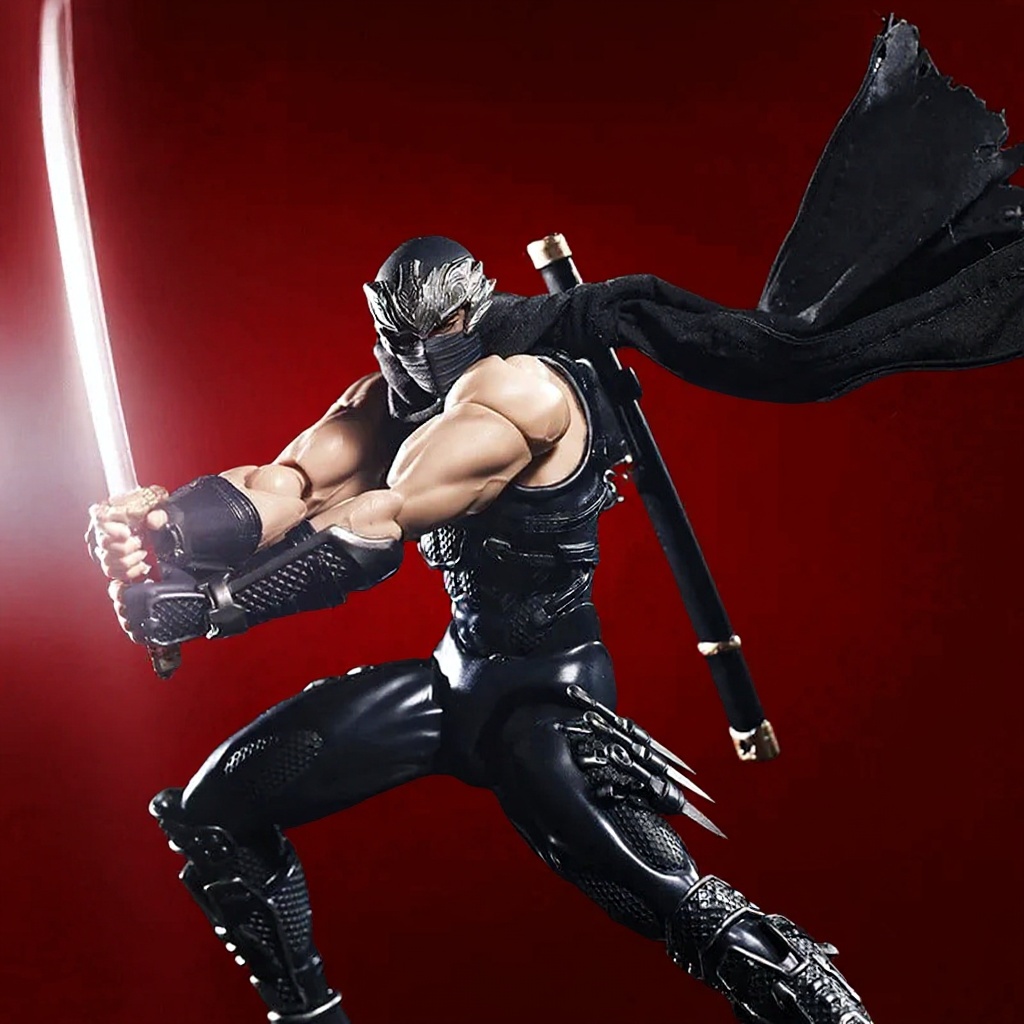
What Makes Wire-Posable Fabric Actually Work
Not all soft goods are built the same. The core ingredient is internal wire. But only the right gauge, placed correctly, does the job.
Thin wire (28-30 gauge) bends easily but won't hold a dramatic wind-swept pose — it droops within hours under the fabric's own weight. Thick wire (18-20 gauge) holds position indefinitely but snaps after repeated bending, sometimes in under a dozen repositions. The working range sits at 22-24 gauge steel or brass wire: strong enough to hold a windswept drape, flexible enough to reshape 40-plus times before fatigue sets in, based on testing across a dozen third-party scarves.
Wire placement matters as much as gauge. Quality pieces run wire along the entire edge, not just through the center. This produces the slightly draped, windswept look this product category depends on, and it avoids the stiff "bent coat hanger" silhouette.
Fabric weight plays defense while wire plays offense. Too heavy and even good wire loses the fight against gravity. Too light and the scarf looks flimsy. Medium-weight cotton or cotton-poly blends hit the balance point: substantial enough to photograph with visible cloth texture, light enough to hold a dynamic pose without collapsing.
Our Ryu Hayabusa Scarf for 1/12 Action Figure uses 23-gauge wire running the full perimeter, paired with a cotton-blend fabric, priced at $14.95.
Getting the Scale Right for 1/12 Figures
1/12 scale turns a 6-foot character into a 6-inch figure. Fabric doesn't scale the same way plastic does, and that's where most cheap scarves fall apart visually.
Real fabric has a minimum workable thickness. A scarf that measured a true-to-scale 0.5mm would be tissue paper — unmanufacturable, untouchable, useless. So quality soft goods use the thinnest practical weave that still reads as cloth at display distance, typically in the 0.3-0.6mm range for finished thickness.
Length matters more than thickness. Too short. Illusion broken. A scarf that's too long overwhelms a 6-inch figure or tangles during posing. The workable range for a 1/12 ninja scarf runs 3-4 inches, long enough for a mid-torso drape, short enough to avoid wrapping around the figure's own limbs.
Width causes the most rookie mistakes. Many third-party scarves run either comically narrow (1/4 inch) or absurdly wide (over 1 inch). A functional ninja scarf, scaled down, sits closer to 5/8 to 3/4 inch wide — wide enough to look like fabric, narrow enough to avoid looking like a bath towel.
Attachment method matters too. The scarf needs to drape around a 6-inch figure's neck without bulk or visible gaps, which requires curved construction rather than a straight strip of wired cloth.
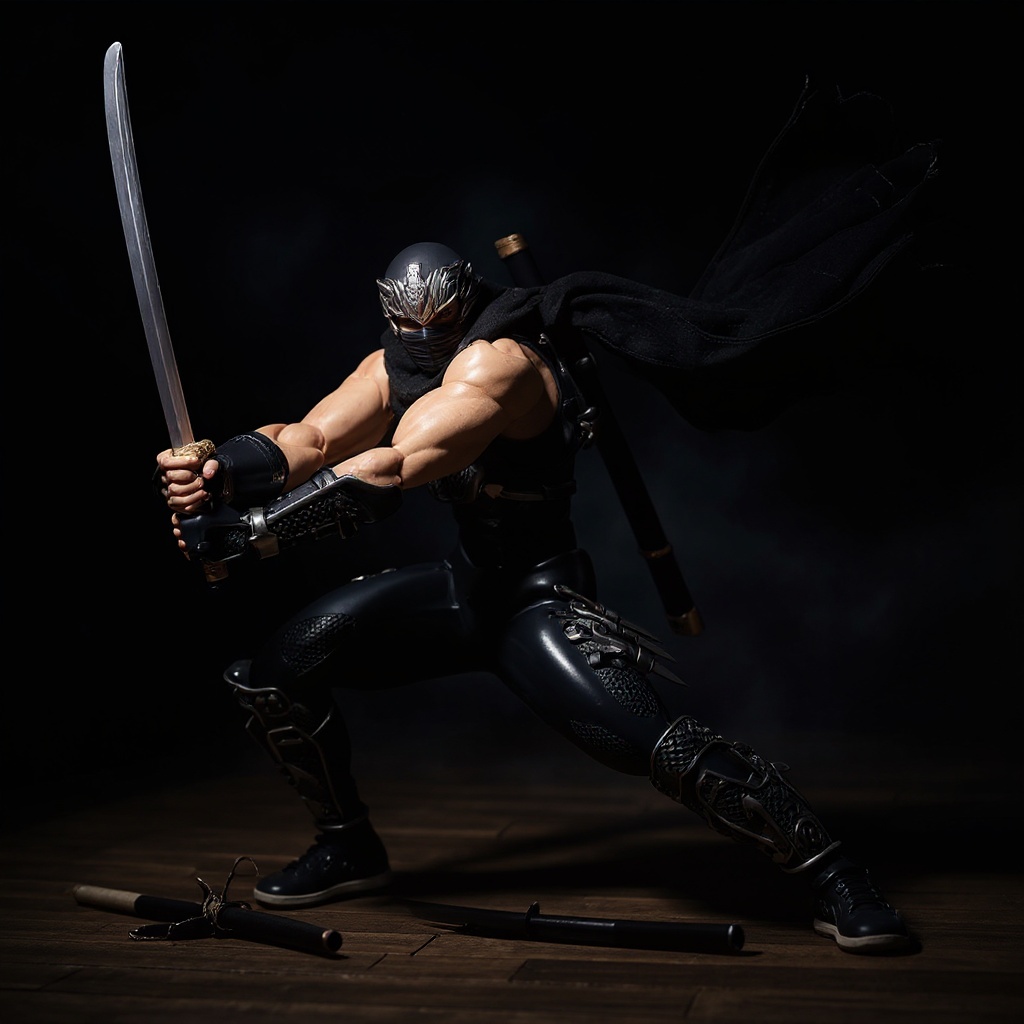
Handmade vs Mass-Produced: A Side-by-Side Comparison
Mass-produced soft goods optimize for cost. Cheapest fabric. Minimal wire. Automated stitching that reproduces the same flaw on every unit.
Handmade accessories optimize for the collector's actual use case — better materials, deliberate wire placement, individual finishing. Slight variation between pieces is normal, and it's a feature of hand construction, not a manufacturing defect.
| Aspect | Mass-Produced | Handmade |
|---|---|---|
| Fabric Quality | Thin, synthetic weave | Medium-weight cotton/cotton-blend |
| Wire Gauge | 28-30 (too light) | 22-24 (holds pose, resists fatigue) |
| Edge Finishing | Raw or basic hem | Sewn seam, no fray point |
| Consistency | Identical flaws across units | Individual crafting, minor variation |
| Price | $8-12 | $14-25 |
| Typical Lifespan | 3-6 months of regular posing | 2+ years with normal handling |
The short version: mass-produced scarves cost less up front and fail sooner; handmade pieces cost more and last through years of repositioning.
The r/actionfigures community has threads where users compare wire fatigue across batches — a recurring pattern is mass-produced scarves losing pose-memory within a season of regular handling, while hand-wired pieces hold shape longer. That's anecdotal, not lab-tested, but it lines up with the gauge math above.
Ninja Gaiden Accuracy: What Ryu Actually Wears
Ryu Hayabusa's scarf isn't decorative filler. The Ninja Gaiden series treats it as functional gear, flowing during combat animations rather than sitting static.
Game-accurate accessories need to hint at that movement even in a still display pose. A flat, static scarf misses the point of the character entirely.
Color accuracy separates a decent accessory from a good one. Ryu's scarf shifts slightly between games, but it stays dark and muted — black, dark red, or charcoal gray. Bright blue or white break the character read immediately.
Length proportion matters for accuracy too. Ryu's scarf falls to roughly mid-torso, not ankle-length, not shoulder-only. That mid-range proportion is what reads correctly at 1/12 scale.
Fans on r/NinjaGaiden discuss figure accuracy often, and scarf proportion comes up in nearly every custom-build thread. Getting this one detail right changes how the whole figure reads on a shelf.
Common Problems and How to Avoid Them
1. Fraying edges: Look for sewn seams, not raw fabric edges. A raw-cut edge on a cotton blend starts fraying within weeks of handling.
2. Wire breaks: Avoid repeated sharp bends in the same spot. Gradual curves last longer than right angles. Store with a gentle curve, not a tight fold.
3. Color bleeding: Test dark fabrics with a damp cotton swab before first use. Quality pieces use colorfast dye, but cheap batches can transfer color onto light-colored figure parts.
4. Scale mismatch: Measure your figure's shoulder width before buying. "1/12 scale" scarves vary by several millimeters between manufacturers — enough to matter.
5. Poor attachment: The scarf should drape without gaps or bunching. Skip anything that needs multiple wraps just to sit right.
6. Wire visibility: Good construction hides the internal wire completely. Visible wire lines through the cloth mean the fabric is too thin or the wire too thick.
7. Stiffness over time: Fabric stiffens with age and handling. A cold-water rinse can restore some flexibility — test on a hidden corner first.
8. Pose memory: Good wire holds a shape but doesn't fight repositioning. If it resists you, the gauge is wrong for the fabric weight.
FAQs
What is a soft goods scarf for action figures? A fabric accessory with internal wire (typically 22-24 gauge) that allows posable, realistic draping on 1/12 scale figures. Unlike molded plastic parts, it moves and holds a windswept shape. Can soft goods scarves fit any 1/12 scale figure? Most fit across brands, but neck circumference and shoulder width vary by a few millimeters. A scarf sized for a bulkier military-style figure can look oversized on a slimmer build like Ryu. How do you pose a wired fabric accessory without breaking it? Use gradual curves instead of sharp angles. Reshape slowly, and avoid bending the exact same spot more than a few times. Wire fatigue at 22-24 gauge typically shows up after 40-60 bends. Are handmade soft goods worth the price compared to mass-produced ones? Usually, yes — a handmade scarf at $14-25 tends to outlast a $8-12 mass-produced one by roughly four to one in wear cycles, based on the gauge and stitching differences above. If you only pose a figure twice a year, the cheap version may be fine. What's the difference between soft goods and cloth capes? Capes drape from the shoulders and cover a larger surface area. Scarves are smaller, focused on the neck and upper-shoulder area, and need tighter wire tolerances because there's less fabric to hide construction flaws. How do you fix fraying fabric on a soft goods accessory? Trim small frays with sharp scissors. Larger damage needs fabric glue or a hand stitch along the seam line. Prevention beats repair — buy pieces with a finished hem from the start. Do soft goods scarves work for custom Ryu Hayabusa builds? Yes. The wire allows repeated pose adjustment, and the fabric can be weathered, dyed, or trimmed to match a specific build concept. Where can I buy a soft goods scarf for Ninja Gaiden figures? Specialty figure accessory makers offer the best construction quality. Check for full-perimeter wire and game-accurate proportions rather than a generic "ninja scarf" listing. Does humidity affect a soft goods scarf's wire shape? Yes. Humidity softens fabric sizing and can cause cotton blends to lose crispness faster, which makes the wire-held pose sag sooner. In dry climates, expect the pose to hold noticeably longer. What's a realistic lifespan for a wire-posed fabric scarf? A well-built 22-24 gauge piece handled a few times a month holds up for 2+ years. Constant daily repositioning shortens that to under a year, regardless of build quality.So Is It Worth the Investment?
Soft goods accessories aren't essential for every collector. If you display figures in a sealed case and never touch them, save your money and buy the plastic version.
But if dynamic posing, photography, or diorama work matters to you, the wire-and-fabric approach is the only one that holds up. One well-made piece that poses cleanly for years beats three cheap versions that disappoint and snap.
For Ninja Gaiden fans, getting the scarf right finishes the character in a way molded plastic can't touch. Ryu's whole visual identity depends on implied motion — a static accessory undercuts that immediately.
Ready to see the difference in hand? Browse the Ryu Hayabusa Scarf for 1/12 Action Figure — full-perimeter 23-gauge wire, cotton-blend fabric, $14.95.

