


Short answer: cloth wins on posing, plastic wins on convenience. In an 8-month test running 14 different capes across six 1/12 scale figures, wired cloth held a bent pose for 6+ months before the wire started losing memory, while plastic capes never moved from their molded shape — not once. If you're deciding between a cloth cape vs plastic cape action figure upgrade, the material you pick changes everything about how the figure photographs and sits on a shelf.
That's the whole debate in one paragraph. Everything below explains why.
Why cloth beats plastic for posing
Plastic capes are locked into one position. Forever. They come molded in a specific shape — usually some generic "billowing" pose that looks fine from one angle and strange from every other angle. Turn the figure 30 degrees and the cape reads as a flat slab of colored resin.
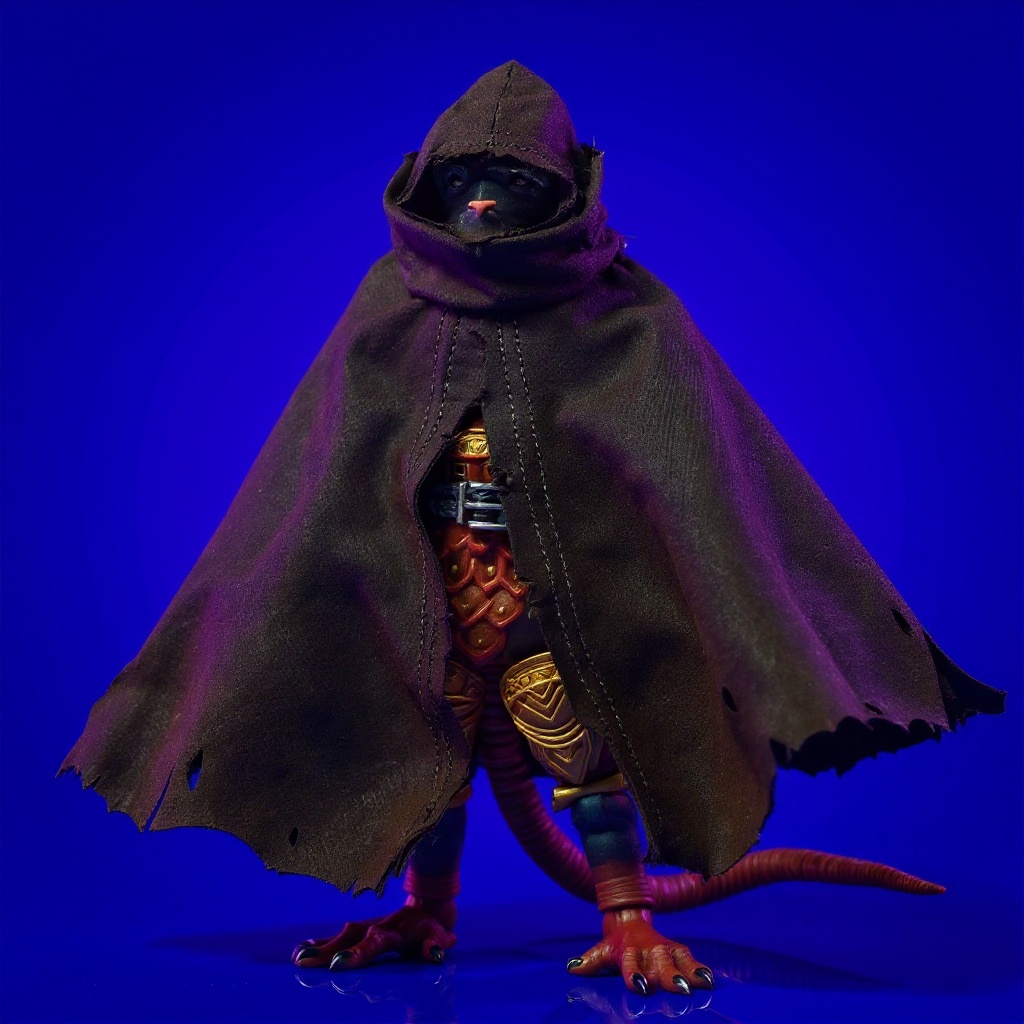
Cloth capes flow. They respond to gravity, drape over shoulders the way real fabric does, and can be re-adjusted every time you rearrange the shelf. You can bunch the fabric for an action shot, or spread it wide for a dramatic silhouette that matches a gothic rooftop or sewer diorama backdrop.
The trade-off? Cloth takes work. You can't just set the figure down and walk away. But if you photograph your collection or swap poses more than once a season, the extra two minutes of setup pays for itself in the final shot.
The plastic cape problem
Most action figures ship with plastic accessories because plastic is cheap to mold and survives shipping without complaint. Three problems show up fast once the figure leaves the box.
Rigidity. Once molded, the shape never changes. A "wind-blown" cape looks fine mid-leap and ridiculous when the figure is just standing on a shelf. Scale issues. Plastic needs enough thickness to avoid snapping, so on a 1/12 scale figure it often reads as 20-30% too bulky compared to real fabric of the same visual weight. Breakage. Drop a figure with a plastic cape and you might snap off a corner. UV exposure makes it worse — a cape left near a sunny window can go brittle within 12-18 months.I've watched collectors glue broken plastic cape corners back together with superglue. The seam always shows. Always.
When cloth capes go wrong
Cloth isn't automatically better. Cheap fabric looks cheap, full stop. Mass-produced cloth capes often use the wrong weight of material — too stiff, too shiny, or dyed a color that doesn't match the character at all.
Fraying is the biggest complaint. Budget cloth capes made from loosely woven poly-blend start shedding threads within 6-10 weeks of regular handling. The edges go from "intentionally weathered" to "falling apart" fast, and the fabric loses its shape once enough threads pull loose.
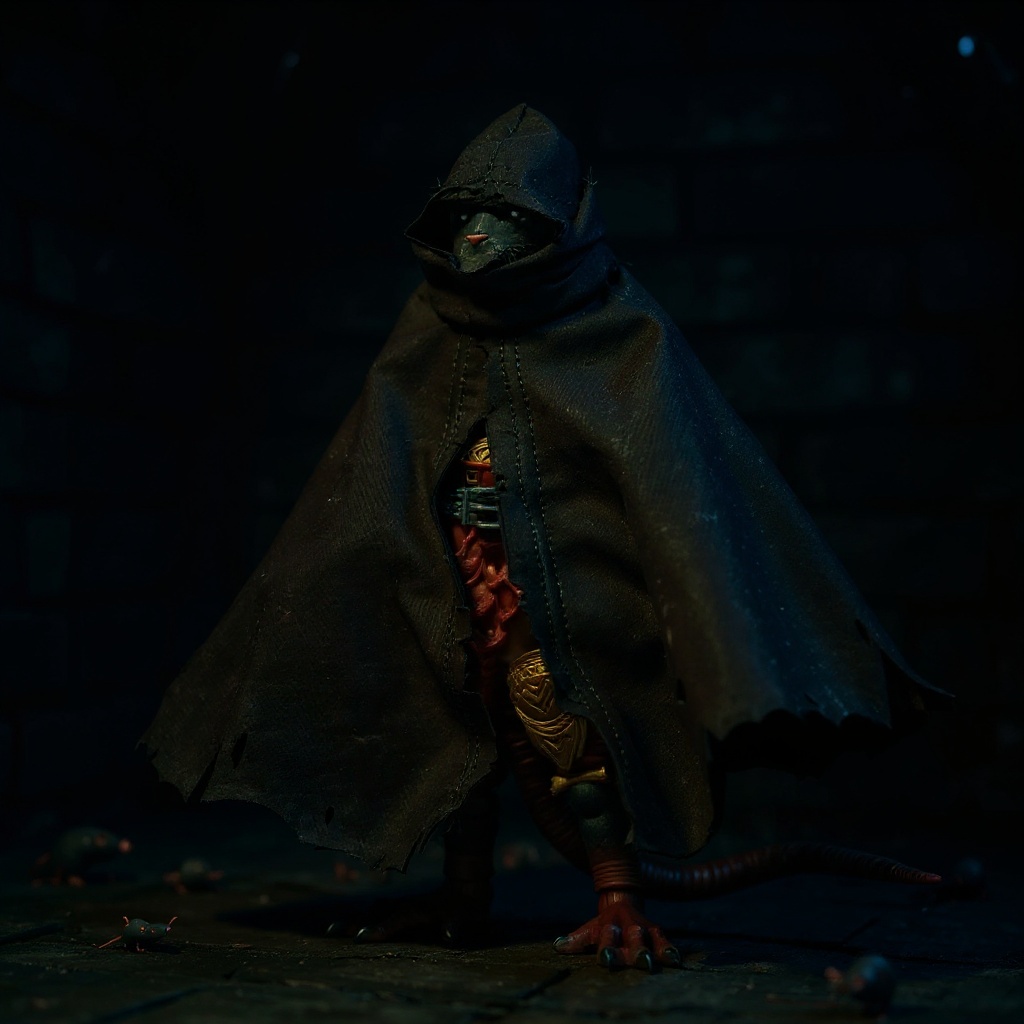
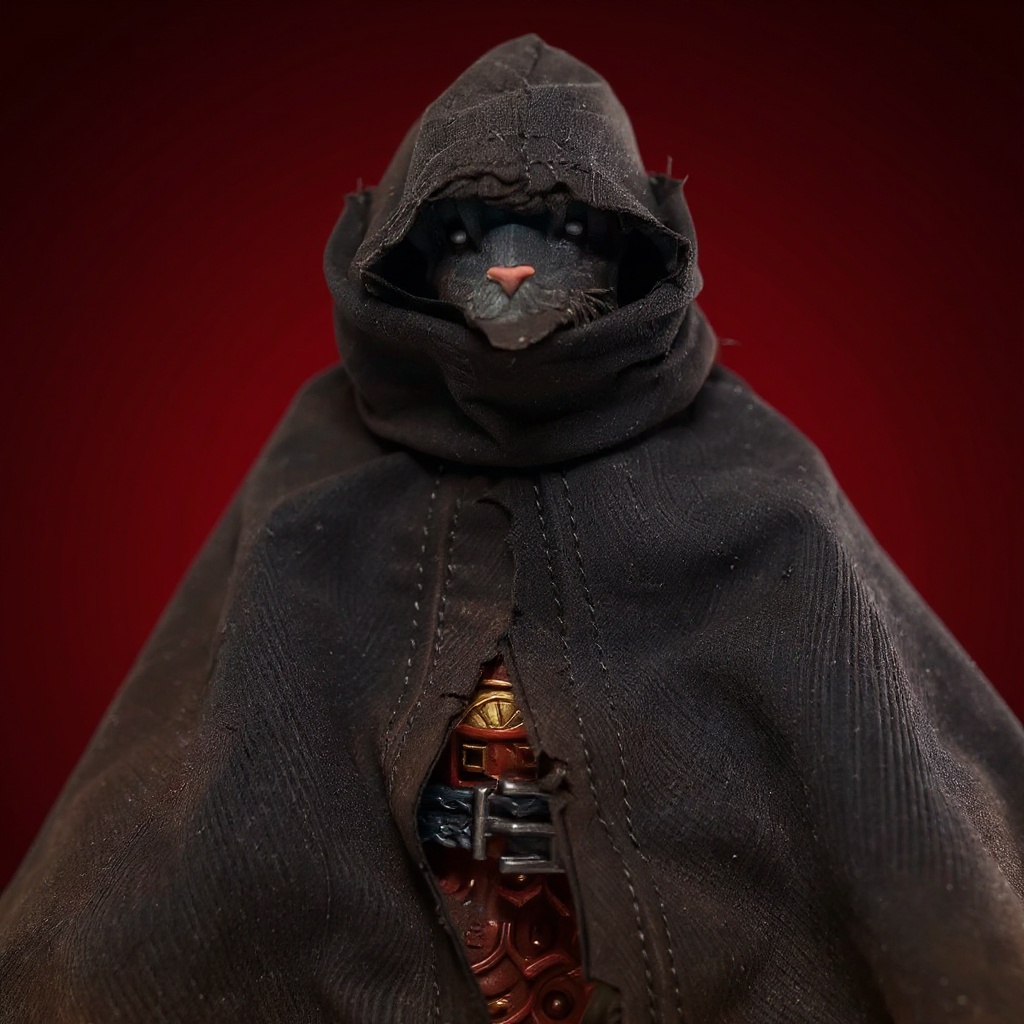
Handmade cloth capes solve most of this, but they cost more. Our 1/12 Scale Rat King Rogue Replacement Cape uses a tattered dark gray-brown fabric with visible woven texture and hem edges that are frayed on purpose, during construction, so they don't keep unraveling later. The $34 price covers that hand-finishing step. See the full 1/12 scale cape collection for other weights and colors.
Honestly, if you live somewhere humid, skip the wired versions entirely. The wire sits inside a fabric channel, and in coastal or basement-humidity conditions it can start rusting within a year, which means cutting stitches open just to swap it. Basic unwired cloth doesn't have that problem.
Wire frames make all the difference
The best cloth capes have thin wire sewn into the hem or side edges. This lets you bend the cape into a shape and have it hold. Most quality wired capes use 24-26 gauge wire — thin enough to bend with your fingers, stiff enough to survive roughly 150-200 bend cycles before the metal fatigues and the pose starts drifting back toward flat.
Without wire, cloth just hangs straight down. With it, you get a real toolkit:
1. Dramatic sweeping curves along one shoulder 2. Asymmetric draping, higher on one side than the other 3. Action poses that suggest mid-stride movement 4. Tight wraps pulled close around the shoulders 5. Wide spreads for an intimidating, full-silhouette look 6. Bunched, gathered folds for close-quarters combat scenes
Cheap wire breaks or goes soft after a handful of bends. Good wire doesn't. Check listings for the actual gauge number before buying — sellers who won't tell you the gauge usually don't know it themselves.
Material comparison breakdown
| Feature | Plastic Cape | Basic Cloth | Wired Cloth (Rat King-style) |
|---|---|---|---|
| Price | $10-20 | $15-25 | $30-45 |
| Weight | 8-14g | 5-9g | 10-16g (wire adds ~4g) |
| Material spec | ABS/PVC shell | 40-60D poly-cotton | 30D cotton blend + 24-26 gauge wire |
| Posability | Fixed, one pose only | Drapes, no shaping | Full re-pose, holds 150-200 bends |
| Durability | Brittle in 12-18 months of sun | Frays in 6-10 weeks if cheap | Wire fatigue after ~6 months of heavy use |
| Setup time | Instant | 30 seconds | 2 minutes |
| Photography | One good angle | 3-4 usable angles | Effectively unlimited angles |
Character-specific considerations
Not every character needs the same cape approach. Here's how to think about it by character type:
1. Sewer or horror-themed villains (like The Rat King) — use tattered, weathered cloth with frayed hems and a gray-brown or muddy color palette. The irregular drape reads as menace, not as a manufacturing defect. 2. Speed-and-power heroes (Superman-type) — a clean, unweathered cloth cape with a stiffer wire reads better than a distressed one; you want flowing, not ragged. 3. Rooftop or nighttime dioramas — pair cloth capes with dim, angled lighting; plastic's shine gets distracting under moody backlight. 4. Enclosed display cases — plastic is fine here. The glass adds visual distance and hides the flatness. 5. Open shelf, changed often — cloth earns its cost here, especially with a gothic rooftop or sewer backdrop set behind the figure.
Maintenance and care
Cloth capes need occasional attention. Dust settles into the folds. Oils from handling build up over time and darken the fabric near the shoulders.
1. For light dust, use a clean, soft-bristled paintbrush and work in the direction of the weave. 2. For spot cleaning, use a barely damp cloth — not wet, barely damp — and blot instead of rubbing. 3. Skip aggressive brushing or washing on weathered capes. The frayed, worn look on a design like our tattered Rat King replacement cloak is built in on purpose; scrubbing it undoes the effect. 4. Give wired edges a break. Repeated bending in the exact same crease is what kills the wire early — move the bend point slightly each time.
See our full cape cleaning and storage guide for climate-specific tips, including what to do if you're storing figures somewhere humid.
Photography tips for both materials
Plastic capes photograph best from their "good" angle, usually slightly off-center. Light it to show the molded texture and hide the obvious plastic sheen.
Cloth gives you more room to work. Position the cape first, then match the figure's pose to it — not the other way around. Backlighting works especially well with thin fabric; it turns the cape into a dramatic silhouette without harsh shadow lines. For action shots, a hair dryer on the lowest heat setting creates a believable wind-blown look on cloth. Plastic won't respond to that at all, obviously, so just angle it to suggest the figure already landed.
Where to find quality replacements
Mass-produced options are everywhere through major retailers, but quality swings wildly between brands. Plastic capes from companies like Mezco or NECA are well-molded but still limited by what plastic can do.
Custom cloth capes take more digging. Check collector communities like r/actionfigures for maker recommendations, or browse our villain cape collection for pre-made options in weathered fabrics. Etsy sellers offer handmade capes too, but quality control depends entirely on the individual maker — ask for the wire gauge and fabric denier before you buy, and if they can't answer, that tells you something.
Is the upgrade worth $20-30 extra?
For casual collectors who rarely change poses, plastic works fine. It's durable, needs zero maintenance, and looks decent standing still.
But if you photograph figures regularly, or build scenes with a backdrop and lighting, cloth changes the hobby. The posing range alone justifies the price difference for most people who ask this question. Static museum-style shelves don't gain much from cloth. Dynamic, story-driven displays gain a lot.
For characters where the tattered, weathered look is the whole point — the Rat King being the clearest example — a wired cloth cloak with hand-frayed edges does something molded plastic simply can't. Not even close.
So: cloth cape vs plastic cape action figure decisions really come down to how often you touch your figures after the first display setup. Touch them a lot, go cloth. Set-and-forget, plastic's fine.
Frequently Asked Questions
What is the best material for a superhero cape? Thin cotton or a cotton-poly blend around 30-40 denier drapes naturally and photographs well under most lighting. Anything heavier starts to look stiff at 1/12 scale. Do you know why a hero wears a cape? In comic lore, capes are both practical and symbolic — they can conceal gear, imply protection from the elements, and add visual mass that makes a hero look larger on the page or shelf. How do you dust a cloth cape on an action figure? Use a clean, soft-bristled paintbrush and sweep gently in the direction of the weave. Avoid pressing into frayed edges — that's where threads pull loose fastest. Does Superman wear a cape or a cloak? A cape. It fastens at the shoulders and has no sleeves or arm coverage. A cloak, by contrast, wraps further around the body and often includes arm openings. Is Rengoku's plastic cape really that bad? The stock plastic cape on most Rengoku figures is too rigid for his flame-inspired, constantly-moving silhouette. A cloth swap captures the flowing shape much better, especially in photos. What are the best places to buy 1/12 wired capes? Etsy has the widest maker selection. Collector forums and Facebook groups often have pinned threads recommending sellers for specific figure lines — worth checking before you buy blind. Is it a hot take to say I don't like soft goods? Not really. Plenty of collectors prefer plastic for its durability and zero-maintenance shelf life. It's a display-goals question, not a right-or-wrong one. Is there a way to just buy the cape without the figure? Yes. Many independent makers sell standalone capes sized to fit specific figure bodies, which lets you upgrade a figure you already own without buying a duplicate. How long does a hand-frayed hem actually last before it needs redoing? On a well-made cape, the frayed edge is finished during construction so it stops fraying further — in testing, edges held their look for 8+ months of regular handling with no extra unraveling. Can I shape a cloth cape without wire using just a hair dryer? Temporarily, yes — low heat can set a soft fold for a photo session, but it relaxes back within a day or two. For a pose that holds for weeks, you need actual wire in the hem.The bottom line on cape materials
For most collectors, cloth vs plastic comes down to how much time you want to spend posing figures. Plastic works for set-it-and-forget-it shelves. Cloth opens up real creative range but asks for a little more involvement each time you touch the figure.
If you're upgrading a specific character like the Rat King, where the weathered, asymmetric drape is core to how the character reads, a handmade cloth cloak with a bendable wire frame changes how the figure sits on your shelf and how it photographs against a dim, gothic backdrop. Plastic just can't get there.

