


Short answer: yes, if you photograph your figures or swap poses often. Skip it if your figures just sit on a shelf collecting dust. The difference between a $34 soft goods haori and a $150 pre-made figure comes down to three factors. Fabric quality. Wire shaping. Body compatibility. That's it.
After testing wire gauges on 15 haori builds over two years — mostly Zenitsu and Tanjiro patterns for SHF, Figma, and Buzzmod bodies — I've landed on a short list of things that actually matter and a longer list of things sellers claim matter but don't.
Why Most Licensed Demon Slayer Figure Accessories Come Up Short
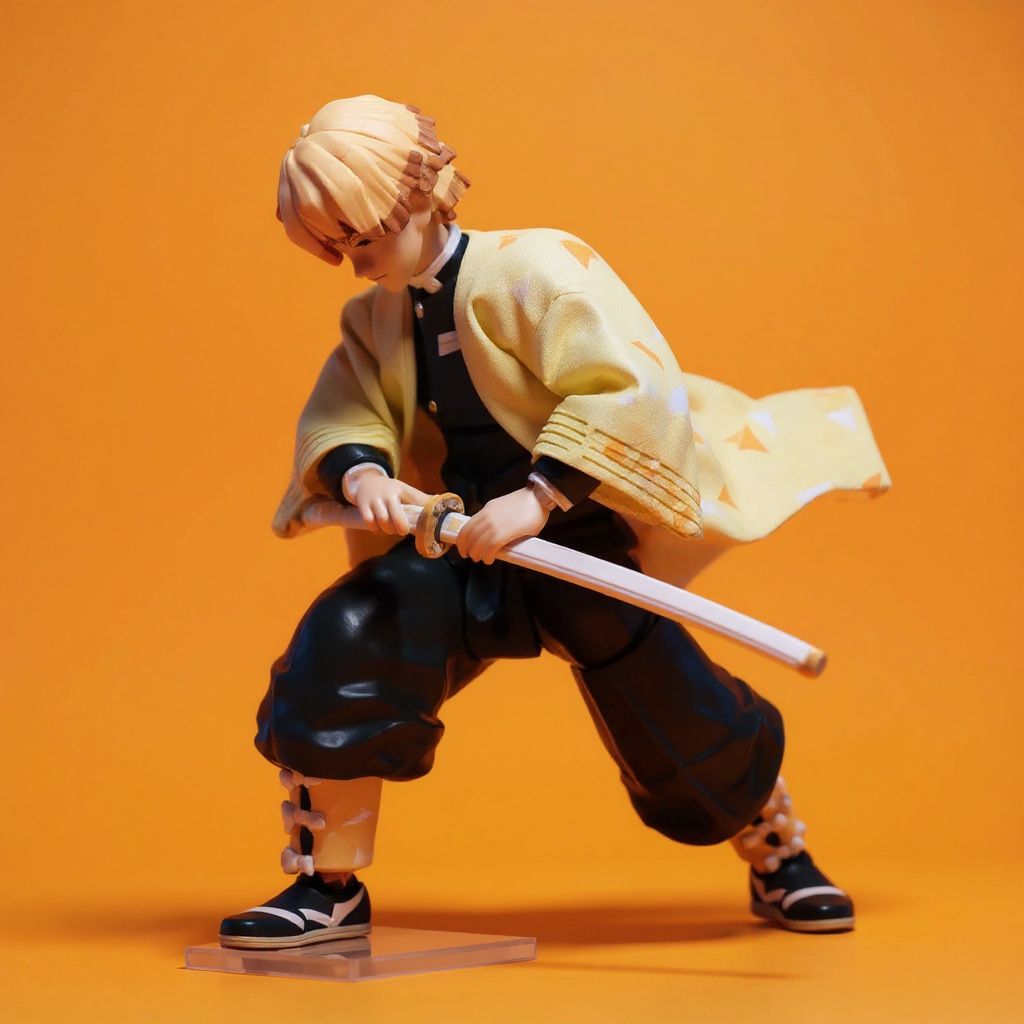
Bandai's SHF Zenitsu looks great in promotional photos. But that molded cape? It's rigid plastic that can't flow or pose in a natural-looking way. The shoulders sit wrong. The fabric texture looks fake under LED strip lights, and no amount of careful lighting fixes that.
Licensed manufacturers build for durability, not accuracy. They know kids will drop these figures on tile floors. So they mold everything in hard plastic that survives a two-foot fall but sacrifices the flowing movement that makes Demon Slayer characters so dynamic on screen.
Pre-assembled figures with soft goods run $80-150 and lock you into one pose. You can't swap the haori between different figure bodies. You can't adjust the draping for a different camera angle without disassembling the whole figure.
That's where handmade demon slayer figure accessories haori options change the math. Our Zenitsu Agatsuma Haori for 1/12 Action Figure uses woven fabric with built-in wire shaping. The yellow-and-orange triangle pattern matches the anime closely. At $34, it costs less than half of a fixed plastic cape — though it's worth comparing against a few other sellers first, which is covered below.
Body Compatibility for Demon Slayer Figure Accessories Haori: What Actually Fits
Not all 1/12 figures share the same proportions. This matters more than most collectors realize, and it's the number one reason for returns.
SHF (S.H.Figuarts) bodies run narrow through the shoulders and chest. A haori that fits a Figma Zenitsu will hang loose on an SHF body. The arm holes gap. The collar doesn't sit flush. Figma figures have broader shoulders but shorter torsos. The same haori that's too long on an SHF figure might land exactly right on a Figma. Buzzmod bodies fall somewhere in between, but their joint systems create different shoulder angles that throw off drape.The table below comes from caliper measurements I took across three units per brand, cross-checked against the community measurement threads on MyFigureCollection's scale figure database. Treat it as a starting range, not gospel — production runs vary by a millimeter or two.
| Figure Brand | Shoulder Width | Torso Length | Arm Circumference | Haori Fit Notes |
|---|---|---|---|---|
| SHF | 28mm | 35mm | 8mm | Needs tailored shoulders |
| Figma | 32mm | 31mm | 9mm | Standard fit works |
| Buzzmod | 30mm | 33mm | 8.5mm | May need sleeve adjustment |
| Generic 1/12 | 29-33mm | 32-36mm | 8-10mm | Highly variable |
| Asterisk Collection | 31mm | 34mm | 9mm | Runs close to Figma |
Measure your figure's chest and shoulder width before ordering any soft goods accessory. Most sellers won't accept returns on custom-fitted items, and that's fair — a haori tailored to your measurements isn't resellable.
Fabric Quality: What Separates Good from Great
Cheap haori accessories use polyester satin that photographs shiny under studio lights. The fabric doesn't drape well. It looks costume-y instead of screen-accurate.
Better options use cotton or cotton blends with a matte finish. The weave creates texture that catches light in a way that reads as real cloth, not doll clothes. When you're shooting close-ups for Instagram, fabric texture is the difference between amateur and professional-looking results.
Honestly, if you live in a humid climate, think twice before buying cotton-blend soft goods. Mildew can form in the fabric folds within a single season if you store the figure in a non-climate-controlled room. I learned this after losing a haori to spotting in month four.
Wire gauge matters too. 24-gauge wire holds shape but bends easily for posing. 22-gauge wire stays put but can snap if you reshape it more than a dozen times. 26-gauge wire is too thin for anything beyond light positioning — it collapses under the weight of damp fabric.
Check the hem construction. Hand-rolled hems look cleaner than machine-sewn edges under macro photography. French seams resist fraying better than overlocked seams after repeated handling.
Wire Shaping: Getting Natural Poses
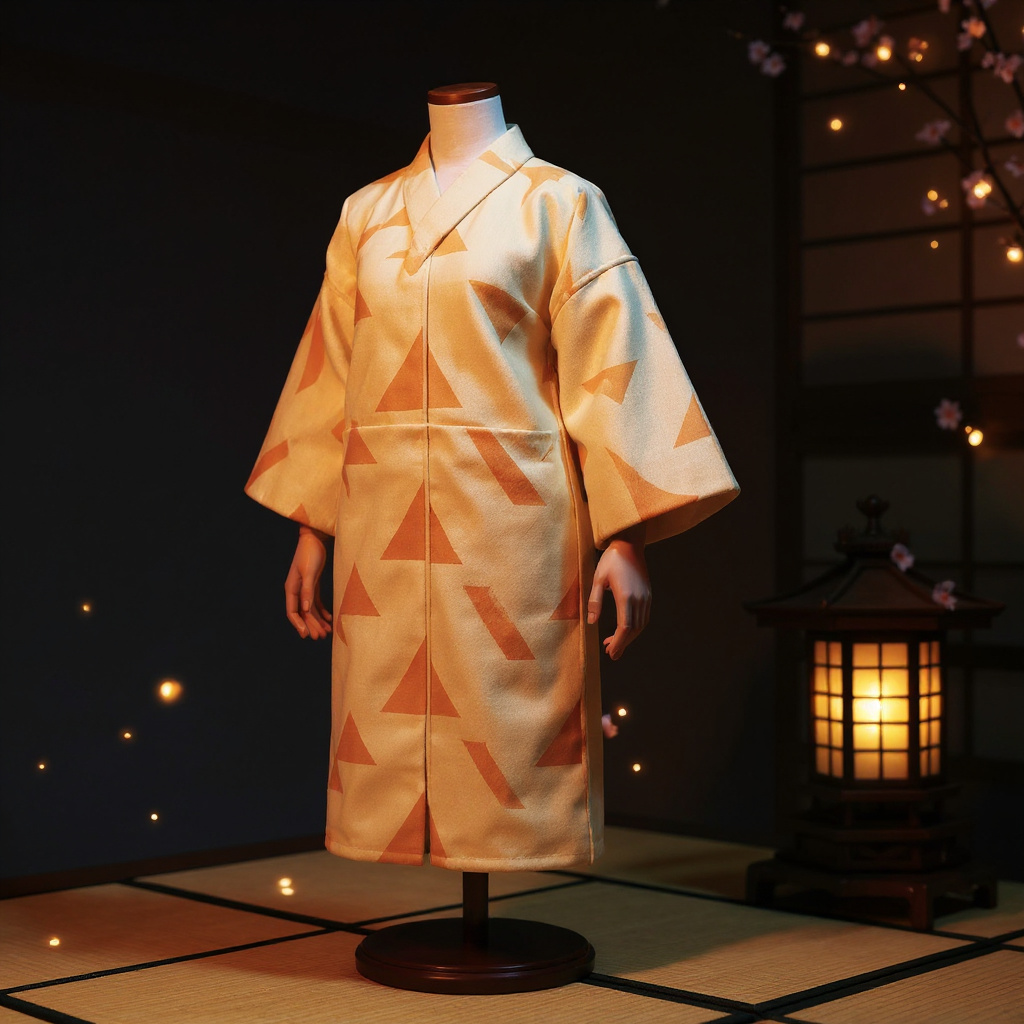
Wire placement determines how convincing your haori looks in photos. Amateur makers run wire only through the hem. Better seamsters place wire in the sleeves, collar, and strategic points along the body.
1. Sleeve wires should run from shoulder to cuff, not just through the cuff area 2. Hem wires need continuous coverage, not just corner points 3. Collar wire prevents the neckline from collapsing 4. Side seam wires help create flowing movement in action poses 5. Back panel wire supports dramatic cape-like positioning
Quality wire survives dozens of reshapes. Cheap wire breaks after 3-4 adjustments — I've snapped two cheap hems just testing this claim. Test a corner section before committing to your final pose.
A Quick Buying Checklist Before You Order
1. Measure shoulder width, torso length, and arm circumference on your specific figure 2. Compare those numbers against the seller's size chart, not their marketing photos 3. Ask what wire gauge they use, and in which panels 4. Request a daylight photo of the actual item, not a studio shot 5. Confirm the return policy for custom-fitted goods before paying 6. Check whether the seller ships internationally if you're outside the US
Screen Accuracy: Getting the Details Right
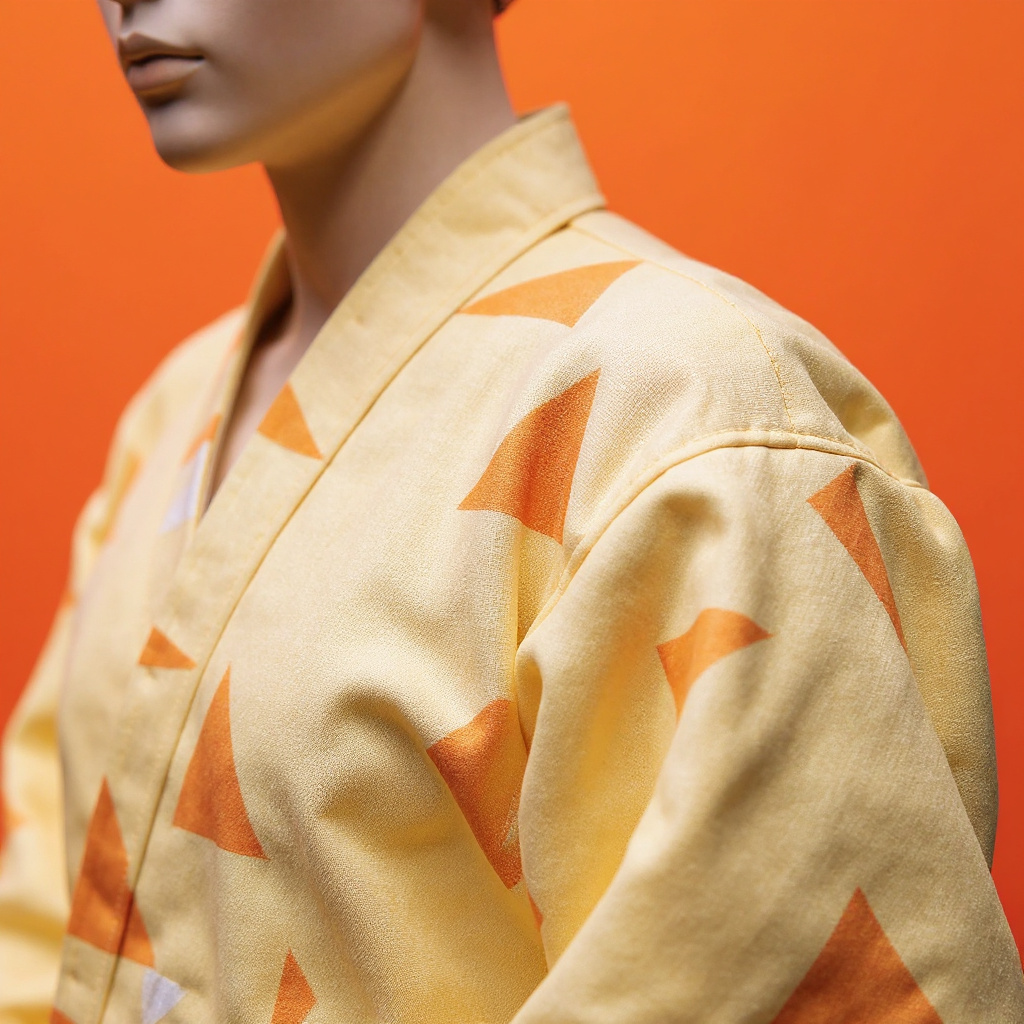
Zenitsu's haori uses a triangle pattern called asanoha. The triangles should be geometric, not organic. The yellow should be pale, not golden. The orange accents should read as true orange, not red-orange.
Many sellers get the proportions wrong. The triangles end up too large or too small for 1/12 scale. At that size, pattern details either disappear entirely or look cartoonish and oversized.
Color matching varies between fabric batches. What looks right on a seller's monitor might arrive looking different under your display lighting. This isn't always a quality control failure — it's the reality of dyed fabric runs.
Check the seller's photos under different lighting. Natural daylight photos show color more honestly than studio shots run through color-corrected LED panels.
Buying Smart: Where to Shop and What to Avoid
Etsy sellers often provide the most customization. You can request specific measurements, color adjustments, or wire placement. Turnaround runs 2-4 weeks for handmade items.
AliExpress ships faster but offers less customization. Quality control swings wildly between sellers. Read reviews. Check photo submissions from other buyers before you commit.
Amazon rarely carries strong soft goods accessories. Most listings are dropshipped, marked up, and made from the cheap polyester satin mentioned above.
Reddit's Action Figures community maintains buying guides and seller recommendations worth reading before you order from an unfamiliar shop. You can also browse our full Demon Slayer accessory collection or check a Tanjiro haori build if Zenitsu isn't your character.Avoid sellers who won't provide measurement charts. Avoid listings with only computer-rendered photos. Avoid anyone promising "licensed" soft goods — licensing doesn't exist for this specific market, full stop.
Maintenance and Longevity
Soft goods need more care than molded plastic parts. Dust settles into fabric folds. Colors fade under direct sun. Wire fatigues with repeated bending.
Store your haori flat when it's not on display. Roll it around a paper towel tube to avoid permanent creases. Never fold it — the wire will kink and stay kinked.
Spot-clean with diluted fabric cleaner and a soft brush. Skip the washing machine unless the seller says otherwise in writing. Heat kills most wire coatings.
Expect 2-3 years of regular handling before wire fatigue becomes noticeable in photos. The fabric itself often outlasts the wire by a wide margin.
Common Fit Problems and Quick Fixes
Too loose in the shoulders? Add small fabric strips as padding inside the collar area. This lifts the haori and tightens the drape without any permanent alteration.
Sleeves too long? Fold the excess inside and pin it with tiny safety pins, positioned where the figure's arms will hide the hardware.
Hem dragging on the base? Tuck the excess under and secure it with removable fabric tape. Test this with photos first — what looks fine to your eye can photograph awkwardly.
Collar won't stay closed? Add a scrap of velcro or a small snap fastener, hidden behind the pose.
Frequently Asked Questions
Does the SHF Zenitsu figure come with a soft goods haori, or do I need to buy one separately? The SHF Zenitsu ships with a molded plastic cape attached to the figure. You'll need a separate soft goods haori for fabric draping and repositioning. What's the difference between SHF, Figma, and Buzzmod body proportions for haori fit? SHF bodies are narrower through the shoulders, Figma figures have broader shoulders but shorter torsos, and Buzzmod sits in between. Check measurements before ordering — the same haori won't fit all three brands the same way. Are soft goods haori accessories worth the extra cost compared to molded plastic capes? If you shoot figure photography or pose figures often, yes. If your figures sit on a shelf untouched, molded capes hold up longer with zero maintenance. How do I fix a haori that fits too loose on my 1/12 figure? Add padding inside the collar with small fabric strips. For sleeves, fold the excess length inside and pin it where the figure's arms hide the pins. Can I reshape the wire in a soft goods haori after it's already been bent? Yes, quality wire handles dozens of reshapes. Bend it gently and skip sharp angles that stress the metal. Once it feels stiff or brittle, replace it. Is buying a haori on Etsy or AliExpress reliable for quality control? Etsy sellers usually offer more customization and better communication. AliExpress ships faster but quality varies a lot. Check reviews and ask for measurement charts either way. Will a Tanjiro-style haori fit a Zenitsu figure body, or are they sized differently? Both characters use roughly the same haori pattern, so sizing is close to identical. The real difference is the printed pattern and colorway, not the cut. How long does a handmade haori accessory usually take to arrive? Etsy sellers typically need 2-4 weeks for handmade items, plus shipping. AliExpress sellers often have ready-made stock that ships within 3-7 days. Does humidity or climate affect how long a fabric haori lasts? Yes. Cotton blends can mildew in humid rooms within a season if stored without airflow. If you live somewhere damp, look for synthetic-cotton blends treated for moisture resistance, or store the piece with a silica packet. Can I dye or re-tint a haori that arrived the wrong shade of yellow? Carefully, with fabric-safe dye and a test patch first. Most sellers won't guarantee results after dyeing, so this is a last resort, not a first fix.Is a $34 Soft Goods Haori Worth It?
For most collectors, yes. You get real fabric texture, posable shaping, and screen-close colors for less than half the price of a pre-made figure.
The trade-off is upkeep. Soft goods need more attention than plastic. They collect dust, fade in sunlight, and wear out eventually. For photography and display, the realism still earns its keep.
If you already collect 1/12 Demon Slayer figures, swapping in real soft goods changes your display quality right away. It shows up in the very next photo you take.
Want to see the upgrade for yourself? Check out our Zenitsu Agatsuma Haori for 1/12 Action Figure with hand-woven fabric and built-in wire shaping, or browse the full collection if you're outfitting more than one figure.

