


The bottom line
- A 6-inch action figure is a 1/12 scale figure. Asuka Langley Soryu is canonically 157 cm, which works out to about 13 cm (5.2 in) at 1/12. - Thin, crisp fabric beats sturdy fabric. Quilting cotton was too bulky for my jackets. - Wire goes inside a sewn fabric tube, never loose in the sleeve. - Suggest the detail; don't copy it. Three clean seam lines read better than twelve tiny ones. - One jacket is cheap to sew and slow to sew well. If you want a single photo-ready piece, buying is a fair choice.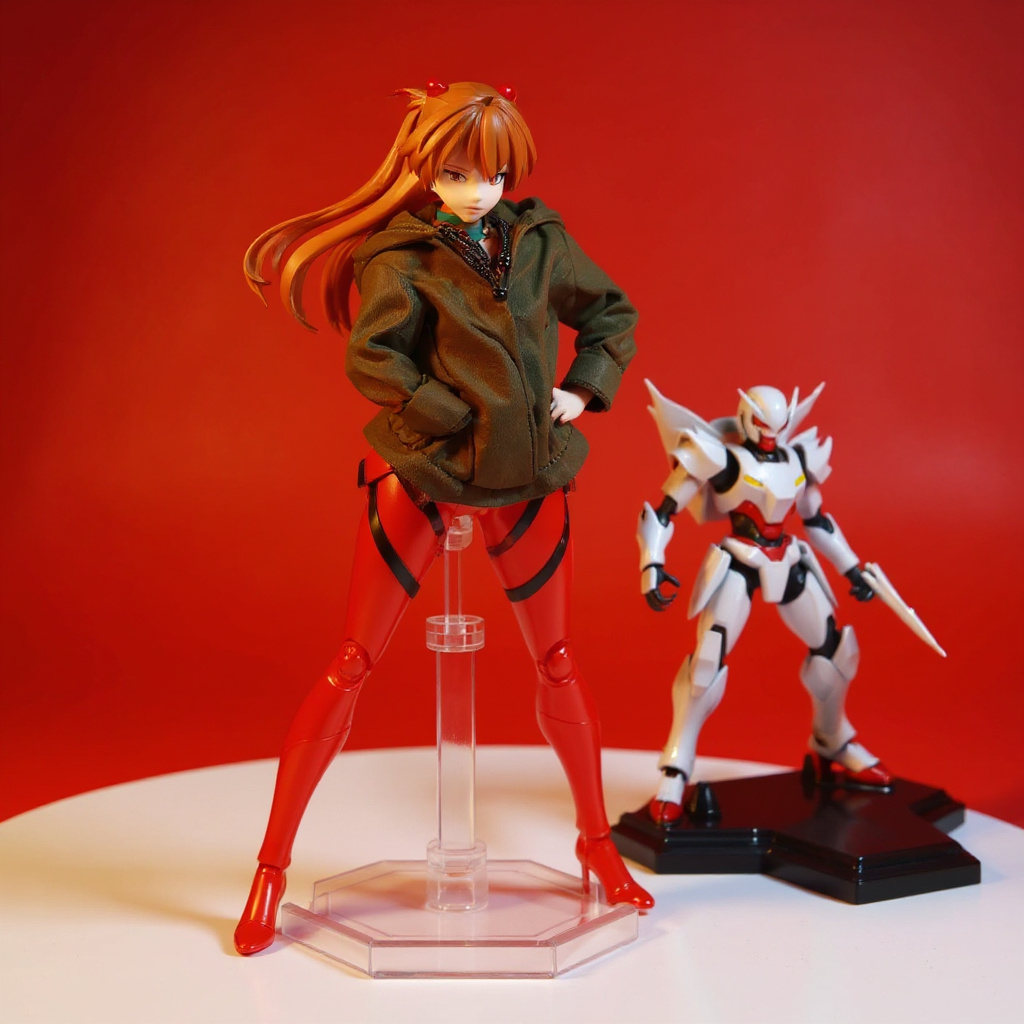
Who Wrote This, and How Was It Tested?
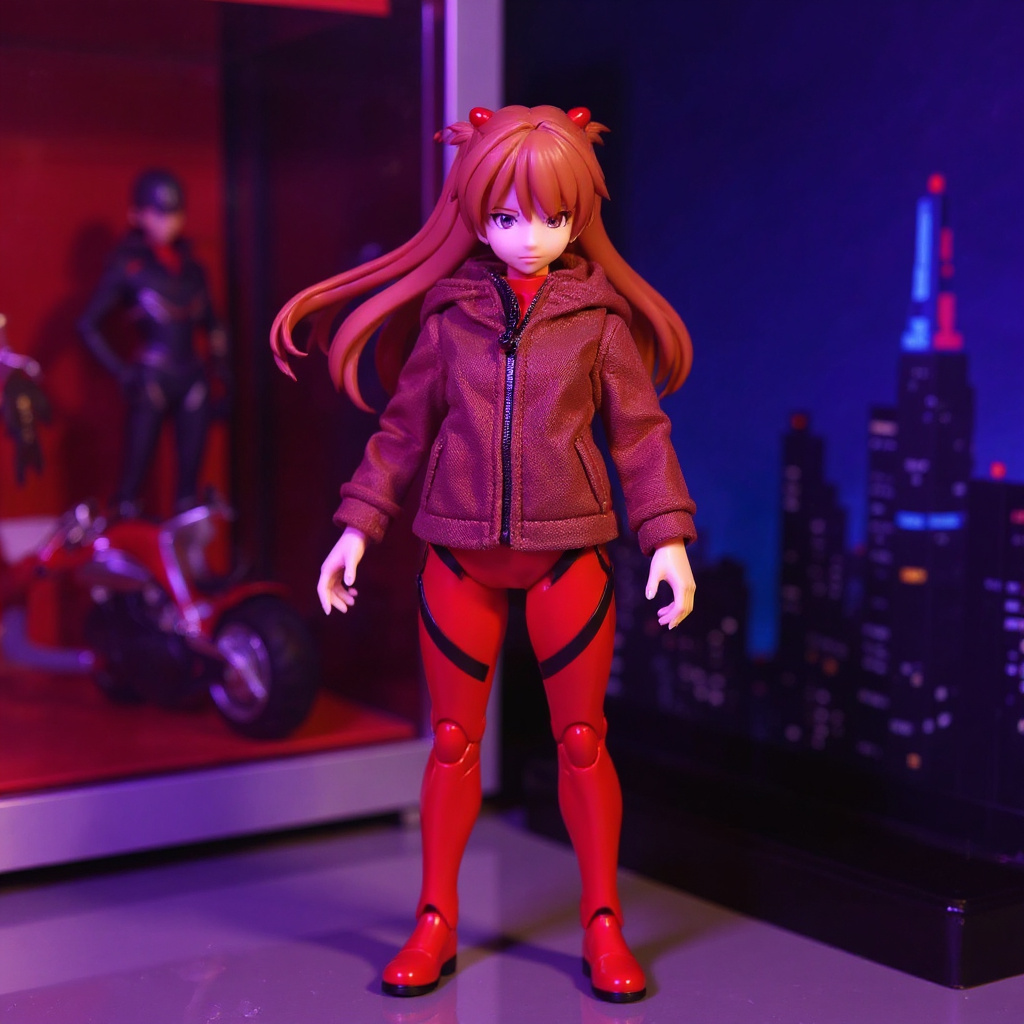
I sew 1/12 outfits for my own display shelf. For this guide I made four jackets in red and white, styled after Asuka's plugsuit palette, and fitted them on a posable 6-inch body. Jacket one took 9 hours. Jacket four took 4.5.
Most of my notes come from the failures. One sleeve wire poked through a seam. One collar flopped. One red looked orange under my desk lamp. I'll flag where a number comes from my own bench and where it comes from a published reference.
What Scale Is a 6-Inch Evangelion Figure?
A 6-inch figure is sold as 1/12 scale). A 6-foot person divided by 12 gives 6 inches. Asuka Langley Soryu is shorter than that average, so her figures tend to stand around 5 to 5.5 inches.
Why does that matter? Standard 11.5-inch fashion doll patterns shrink badly. Seam allowances, collar height, and sleeve width all behave differently at this size. On my figure, the shoulder-to-wrist reach was only 2.6 inches. A 5/8-inch seam would eat a quarter of that.
What Fabric Works Best for DIY Doll Clothes for Evangelion Figures?
The best fabric is thin, tightly woven, and crisp enough to hold a fold. Polyester taffeta and lightweight cotton lawn gave me the cleanest results. Silk organza folded best but frayed the most.
Here is what happened on my bench:
- Quilting cotton: The collar would not hold an angle, and 3 mm seams turned lumpy. Scrapped. - Polyester taffeta: Crisp and colorfast. It slipped under the needle until I added a dab of glue stick. - Silk organza: Folds like a dream. It lost a sleeve to fraying before I got the edge finished. - Ponte knit: Too stretchy to hold a sleeve shape. It sagged around the wire.
| Fabric | Cost per yard | Pros | Cons |
|---|---|---|---|
| Cotton broadcloth | $4-6 | Easy to sew, stable | Too thick at 1/12 |
| Cotton lawn | $8-12 | Thin, takes a crisp crease | Wrinkles during handling |
| Polyester taffeta | $7-10 | Holds structure, colorfast | Can look shiny up close |
| Silk organza | $20-24 | Best drape at small scale | Frays fast, hard to handle |
| Ponte knit | $12-15 | Forgiving to sew | Wrong texture, loses shape |
You don't need a full yard. One jacket used less than a quarter yard of red and a scrap of white. A fat quarter of each covers several attempts, which is useful because you will make a bad first one.
How Do You Match Asuka's Red and White Palette?
Start with the source. In Neon Genesis Evangelion, Asuka's plugsuit leans on a strong red with lighter accent areas. Stills, cels, and merchandise all render that red differently, so no single swatch is canon.
Here is the honest part. I found no official Pantone number for Asuka's red. I compared my fabric against a fan-deck chip near Pantone 18-1664 TPX, which Pantone lists as Fiery Red, and it was a close visual neighbor. Treat that as a starting point, not a spec. You can check chips on the Pantone site.
Three tips from my tests:
- Judge fabric by daylight, not by your monitor. My first red looked correct on screen and orange on the shelf. - Hold the swatch beside the figure's own red parts before you buy. - Pick a white that survives handling. Pre-shrunk cotton sateen stayed clean through two weeks of posing. Plain white broadcloth showed fingerprints in two days.
This jacket is styled after the plugsuit palette. It is not a replica of any one screen outfit, and I would not claim otherwise.
What Wire Gauge Makes Sleeves Poseable?
Use 28-gauge annealed craft wire for sleeves and 26-gauge for the collar. The American wire gauge system lists 28 at about 0.32 mm and 26 at about 0.40 mm. Thicker wire fought the fabric. Thinner wire went slack after a dozen poses.
For a sleeve about 2.6 inches long, I used 6 inches of wire folded into a long U. The fold gives the sleeve a spring-back that a single strand lacks.
The wire never touches the figure. Slide it into a narrow bias tube of the same fabric, then sew the tube into the sleeve seam. Loose wire poked through one of my seams within a week. Lesson learned.
For the collar, run 3 inches of 26-gauge along the outer edge, not down the middle. Fold the wire ends back on themselves so the tips can't snag.
What Tools Do You Need for 1/12 Scale Sewing?
1. Embroidery scissors with sharp points 2. Size 9 or 11 needles, since bigger ones leave visible holes 3. Polyester thread, which puckered less than cotton for me 4. Seam ripper 5. Glue stick to hold pieces before stitching 6. Tweezers for wire and tiny parts 7. Rotary cutter and mat for straight cuts 8. Wonder clips, because pins distort small pieces 9. Needle-nose pliers to close wire ends
A machine works if it has a speed control. I hand-sewed the collar and sleeve joins and machine-stitched the long seams.
How Do You Make a 1/12 Asuka-Style Jacket? (Step by Step)
1. Measure your figure. Take chest circumference, shoulder width, and shoulder-to-wrist reach. Write them down. Brands differ. 2. Draft and test. Cut a paper pattern, then sew a quick muslin from scrap. Test fit before the red fabric comes out. 3. Cut the red body and sleeves with 1/8-inch (3 mm) allowances. Cut white trim pieces separately. 4. Build the wire tubes. Sew a narrow bias tube, thread a 6-inch U of 28-gauge wire through it with tweezers, and fold the ends back. 5. Sew the shoulder and side seams with a stitch length near 1.5 mm. For the visible stitched look, topstitch with a contrast thread a shade lighter than the red. 6. Set the sleeves, catching the wire tube in the seam. 7. Add the fitted collar. Sew the 3-inch collar wire into the edge and press the fabric around it. 8. Apply the white trim at hem and cuffs. Keep it narrow. 9. Add the closure. Use micro snaps or a hidden strip of hook-and-loop tape. A painted line stands in for a zipper. 10. Shape and photograph. Bend the sleeve folds with your fingers, pose the figure, and shoot beside or on the body.
What Are the Most Common Mistakes?
- Seam allowances that are too wide. Standard 5/8-inch seams ruin the fit. Use 1/8 inch and finish raw edges with a dab of fray-stopper. - Skipping the muslin. Action figures have broader shoulders and narrower waists than the dolls most patterns assume. - Thick interfacing. The wire gives you structure. Interfacing just adds bulk. - Real buttons and zippers. Most are too big for 1/12. Stitch or paint them. - Too many details. Tiny stitches. Crooked collar. Start again. - Loose wire. Always sleeve it in fabric.
Is It Cheaper to Sew or Buy an Asuka-Style Jacket?
Honestly, if you want one jacket for a photo, don't sew it. My first attempt took nine hours and looked worse than a ready-made one.
Here is how the options compare:
| Option | Cost | Time | Quality control | Customization |
|---|---|---|---|---|
| DIY from scratch (new tools) | $15-25 | 6-10 hours | Variable | Complete |
| DIY with scraps and tools you own | $8-12 | 4-6 hours | Variable | Complete |
| Modify an existing doll jacket | $5-15 | 3-5 hours | Fair | Moderate |
| Handmade ready-made jacket | About $27.50 | None | Consistent | Limited |
| Official accessory sets | Varies by set | None | Consistent | None |
The handmade option I know best is the Asuka Langley Soryu Replacement Jacket, a red-and-white fabric jacket with visible seams, a fitted collar, and wire-framed sleeves for 6-inch figures. It costs about what a first DIY attempt costs once you buy wire and thread. You can browse other soft-goods accessories or the shop homepage.
Official Tamashii Nations accessories are an option too, though sets differ, so check each listing for materials and fit. DIY wins when you want several outfits or enjoy the process. Buying wins when you want one clean result.
Which 1/12 Figures Fit Standard Patterns?
None of them, reliably. S.H.Figuarts bodies run slim through the torso. Figma bodies tend to have broader shoulders. Revoltech joints add bulk in odd places. Measure your own figure before cutting.
Male bodies need different chest and waist adjustments than female ones, so an Asuka pattern won't carry over to Shinji without changes. Figures with permanently bent limbs change how a jacket hangs. Test fit first.
What Is Worth Making Yourself?
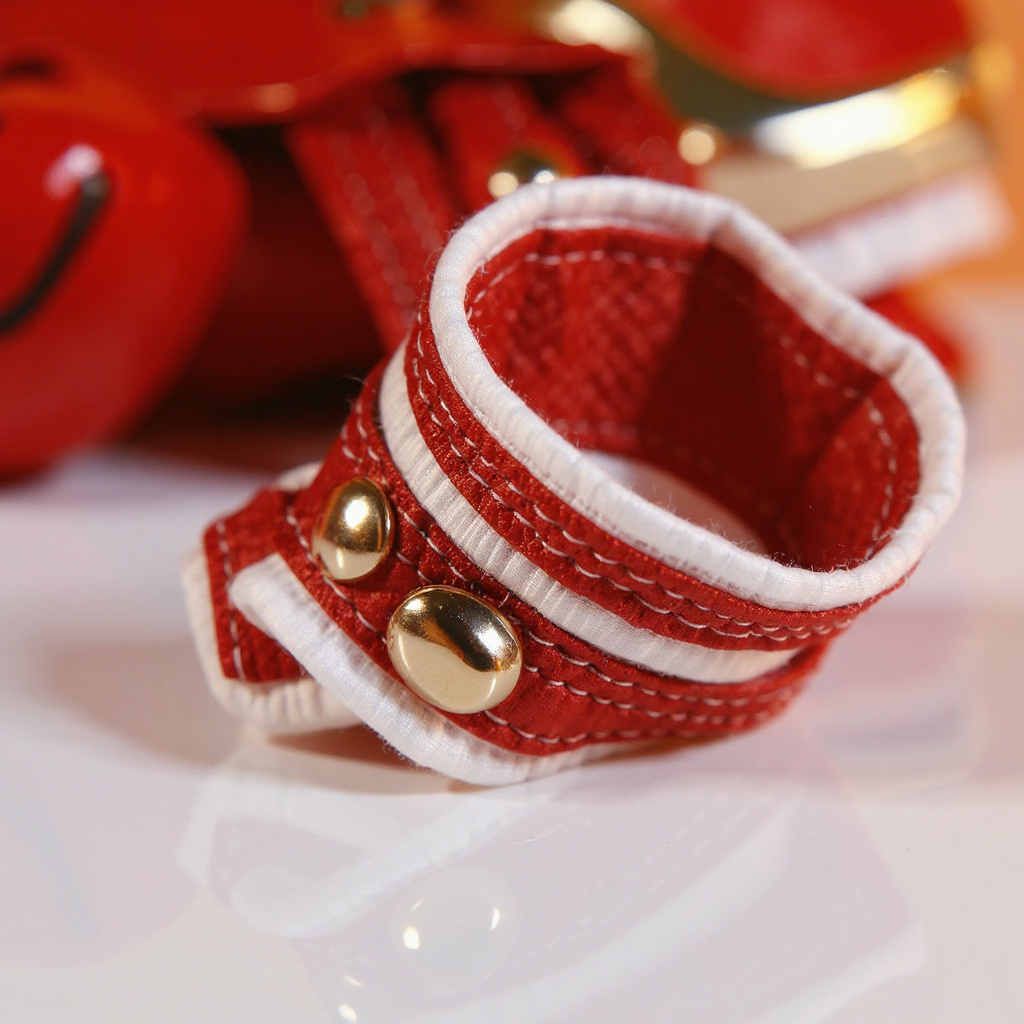
Jackets and coats show the biggest gap between DIY and bought. Fit and structure matter more than tiny details. Belts, bags, and hair accessories make good starter projects, since they finish fast and teach the same stitches. Pants and skirts are harder because small errors show at once. Shoes? Skip them.
FAQ: DIY Doll Clothes for Evangelion Figures
What fabric is best for 1/12 doll clothes?
Thin polyester taffeta or cotton lawn. Both hold a crease without adding bulk. Silk organza drapes best but frays fast. Quilting cotton was too thick in my tests.What wire gauge should I use for poseable sleeves?
Use 28-gauge annealed craft wire for sleeves and 26-gauge for the collar. About 6 inches folded into a U fit a 2.6-inch sleeve on my figure. Always sleeve the wire in a fabric tube.What seam allowance works at 1/12 scale?
Use 1/8 inch (3 mm). A standard 5/8-inch allowance takes up too much of a sleeve that is only about 2.6 inches long.How long does a DIY Evangelion jacket take?
My first jacket took 9 hours and my fourth took 4.5. Plan on 6-10 hours for a first attempt, less if you've sewn miniatures before.How much does it cost to make one?
About $15-25 including wire, thread, and fat quarters of red and white fabric. If you already own the tools and scraps, expect $8-12. A ready-made jacket costs about $27.50.Is a 6-inch figure the same as 1/12 scale?
Yes, in practice. A 6-foot person at 1/12 is 6 inches. Asuka is canonically 157 cm, so her figure scale height is about 13 cm (5.2 inches).What red matches Asuka's plugsuit palette?
There is no official Pantone number that I could find. A chip near Pantone 18-1664 TPX was a close visual match for me. Compare swatches in daylight against your figure.Will the wire scratch my figure's paint?
Not if it's enclosed in a sewn fabric tube with the ends folded back. Loose wire poked through a seam in one of my tests, so I stopped using it.Should You Make It or Buy It?
Making DIY doll clothes for Evangelion figures teaches useful skills, and it's the only way to get a jacket that's exactly your color and fit. It is also slower and fussier than it looks. Sew if you enjoy the process or want a wardrobe. Buy if you want one good jacket on the shelf by the weekend.

