


A good red and black cape for 7-inch action figures costs somewhere between $15 and $80, depending on whether you're buying flat fabric or a fully wired, posable piece. The sweet spot for most collectors sits around $40-50 — a handmade cape with internal wire that holds a dynamic, windswept pose without you touching it again for months.
Buying cheap usually backfires. Those $8 red and black capes from overseas sellers look fine in photos. They arrive as flimsy polyester that won't drape right. The fabric bunches at the shoulder. The hem frays in a week. You're shopping again by month two.
The Wire Is What You're Actually Paying For
Most collectors assume fabric drives the price of a cape. It doesn't. The internal wire structure does. A basic cloth cape without any wire runs $15-25. Add bendable wire along the edges, and the same cape jumps to $35-60 — sometimes more if the maker hand-places it along natural fold lines instead of stitching it in straight.
Why does wire matter this much? Try posing a plain fabric cape in a dramatic windswept position on your knight figure. It just hangs there. Dead weight. Wire-embedded capes hold their shape for months on a shelf, creating the billowing, mid-battle look that makes a 7-inch armored knight look like he's actually moving.
Here's what the different wire gauges do in practice:
1. 20-22 gauge wire — light enough for delicate draping on small capes, holds subtle curves but sags under heavy cotton 2. 18-20 gauge wire — the standard choice for 7-inch scale, maintains a dramatic wind-blown pose through repeated repositioning 3. 16-18 gauge wire — heavy-duty, meant for larger 1/6 scale figures, overkill on anything smaller 4. 24+ gauge wire — too thin, bends permanently after two or three pose changes and loses its shape for good 5. 14 gauge or thicker — creates stiff, unnatural folds that look like sheet metal, not cloth
| Wire Gauge | Approx. Thickness | Best Scale | Pose Hold (typical) |
|---|---|---|---|
| 24+ gauge | 0.02" or less | None recommended | A few days before slumping |
| 20-22 gauge | 0.025-0.032" | 1/12 (6-7in) delicate drapes | 2-4 months |
| 18-20 gauge | 0.032-0.04" | 1/12-1/10 (6-8in), the sweet spot | 6+ months |
| 16-18 gauge | 0.04-0.05" | 1/6 (11-13in) | 6+ months, heavier fabric supported |
| 14 gauge | 0.064"+ | Not recommended for cloth capes | Holds shape but looks stiff |
The Lion Knight Red Black Cape for 7 Inch Action Figures uses 18-gauge wire, which lands right in that middle zone for 7-inch scale figures — strong enough to hold a pose through a photo session, flexible enough to still look like fabric and not armor plating.
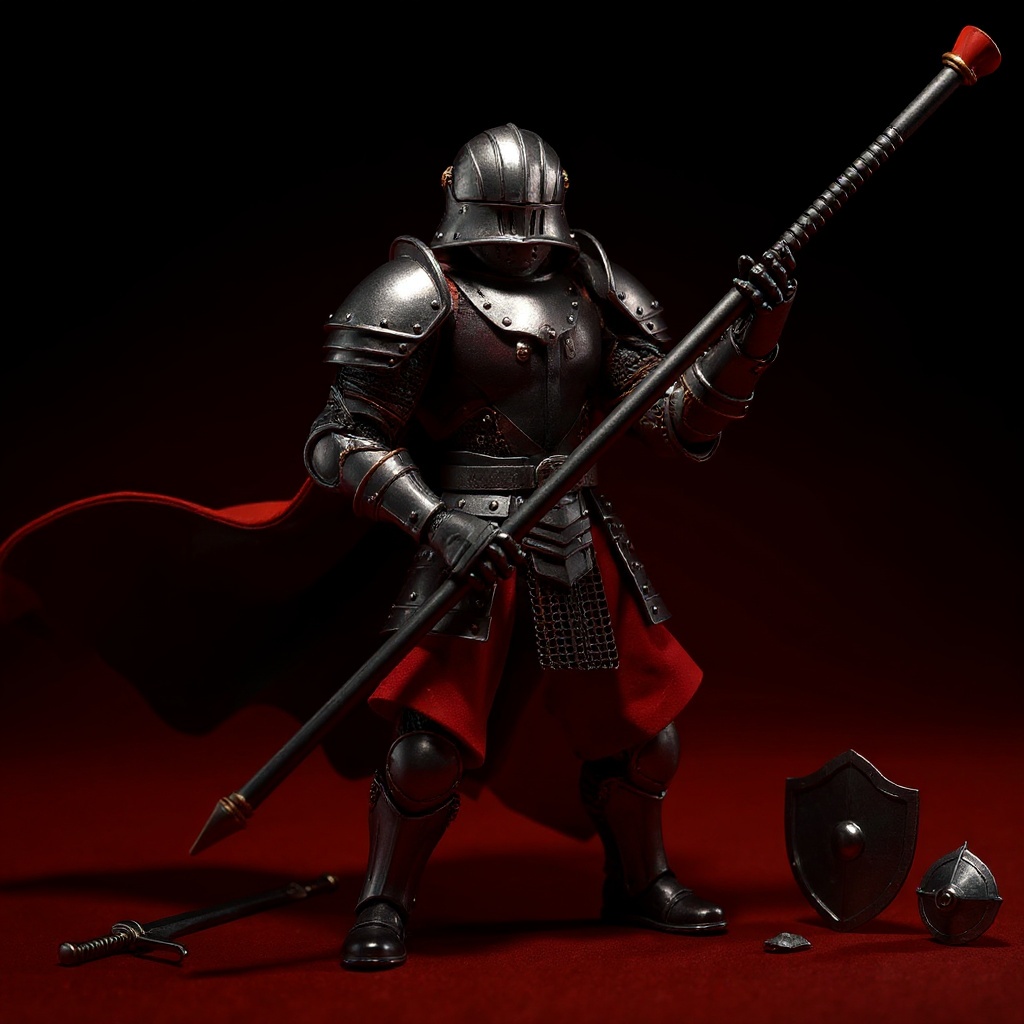
Fabric Quality Separates Good From Great
Not all cape fabrics behave the same way. Cotton blends drape well but wrinkle if you so much as breathe on them. Polyester resists wrinkles but can look plasticky under studio lights. Silk looks incredible and costs roughly double, and it needs handling most people won't bother with.
For a red and black cape on a 7-inch action figure, you want fabric that is thin enough to drape in scale — thick fabric looks like a bedsheet on a 6-7 inch figure — dense enough to hold shape once wired, and colorfast so red dye doesn't bleed onto your knight's silver armor paint after a humid summer in storage.
Most mass-produced capes use cheap polyester taffeta. It photographs fine from three feet away. Up close it feels crinkly, like a chip bag, and develops permanent creases wherever it bends. Higher-end makers use cotton-poly blends or lightweight wool that moves the way real cloth moves.
The trade-off is durability. Natural fiber blends look better in photos but need gentler handling — no grabbing, no folding in a box for six months. Pure synthetic capes survive rough handling but never look quite as convincing in close-up shots.
Honestly, if you live somewhere humid year-round, a cotton-blend cape might mildew in storage. Nobody selling these tells you that. A synthetic-heavy blend or a plastic display case solves it, but it's a real trade-off worth knowing before you buy.
Scale Matters More Than You'd Think
A cape sized for a 1/6 scale figure will drown a 7-inch knight. It'll look like a tent. Fabric weight, hem length, and collar width all need to shrink proportionally, not just get "a little smaller."
| Scale | Figure Height | Cape Length | Shoulder Width | Fabric Weight |
|---|---|---|---|---|
| 1/12 | 6-7 inches | 4-5 inches | 3-4 inches | Ultra-light |
| 1/10 | 7-8 inches | 5-6 inches | 4-5 inches | Light |
| 1/6 | 11-13 inches | 8-10 inches | 6-8 inches | Medium |
| 1/4 | 18-20 inches | 12-15 inches | 10-12 inches | Heavy |
Most sellers skip listing exact measurements. They just write "fits 1/12 scale" and leave it at that. Check the actual inches before you buy, not the scale label — labels lie more often than tape measures do.
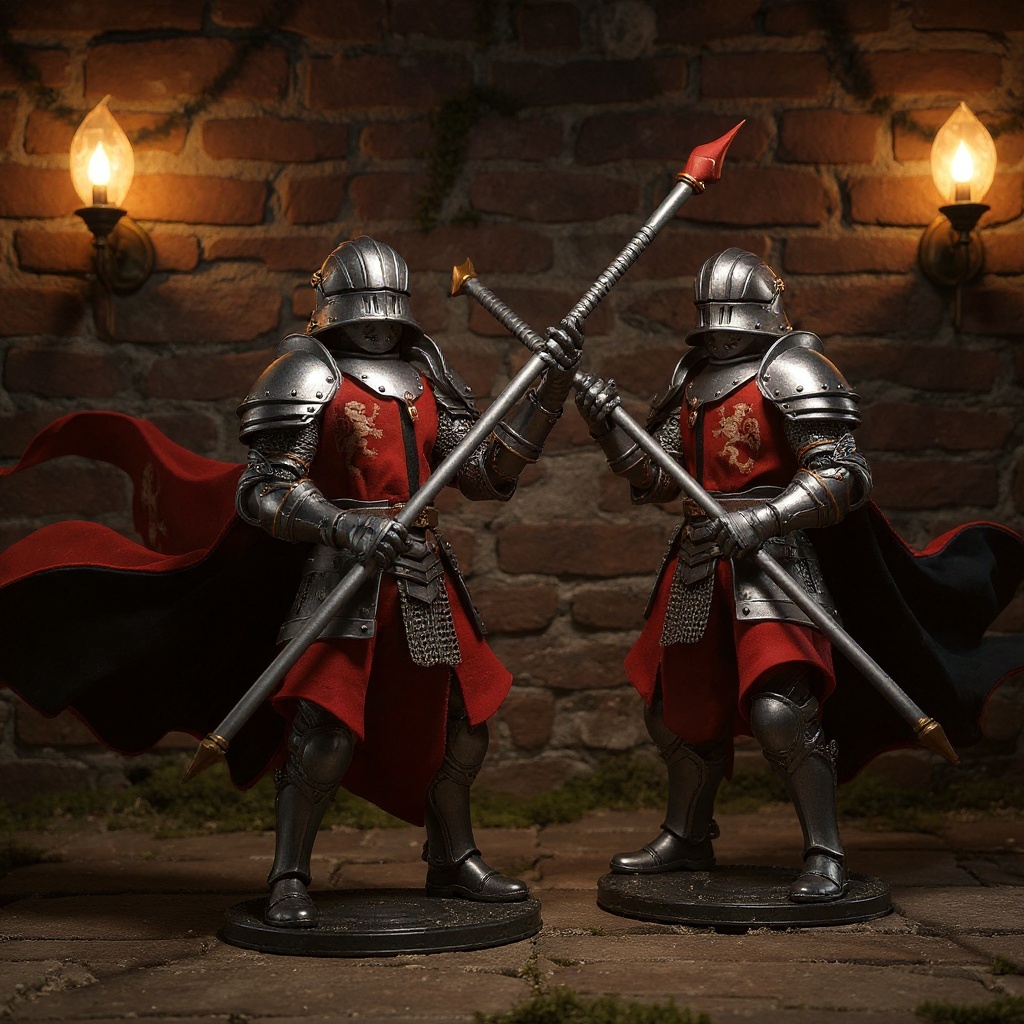
What You Actually Pay For At Each Price Point
1. $5-15: Mass-produced overseas capes, no wire at all. Basic polyester, machine-sewn hems. Fine for a figure that sits in a box most of the year. 2. $20-35: Better fabric, sometimes a thin wire strip along the bottom edge only. Small-batch production. Reasonable for army-building where perfection isn't the goal. 3. $40-60: Handmade, full wire framework from collar to hem. Quality fabric, finished by hand. This is where a cape starts making a premium figure look better instead of cheaper. 4. $70+: Custom or limited-run work. Weathering, mixed fabrics, character-specific detailing. Worth it only for a centerpiece figure you'll display for years.
The $49 price on our handmade wire-posable fabric accessory sits right in tier three. Full wire posability, hand-finished seams, no custom-commission markup.
Red Flags That Signal a Bad Purchase
1. Photos only show the cape from one angle 2. No close-up shots of stitching or fabric weave 3. Seller won't name the fabric type or wire gauge 4. Reviews mention "nothing like the photos" 5. Price seems too good to be true. It usually is. 6. No mention of scale or which figures it fits
Discussion threads on collector forums are full of people who learned these lessons the expensive way — buying the same cheap cape three times before giving up and buying one that actually works. Also check for stolen photos. Reverse image search a listing that looks too polished; you'd be surprised how many cape photos get lifted straight from independent makers' shops.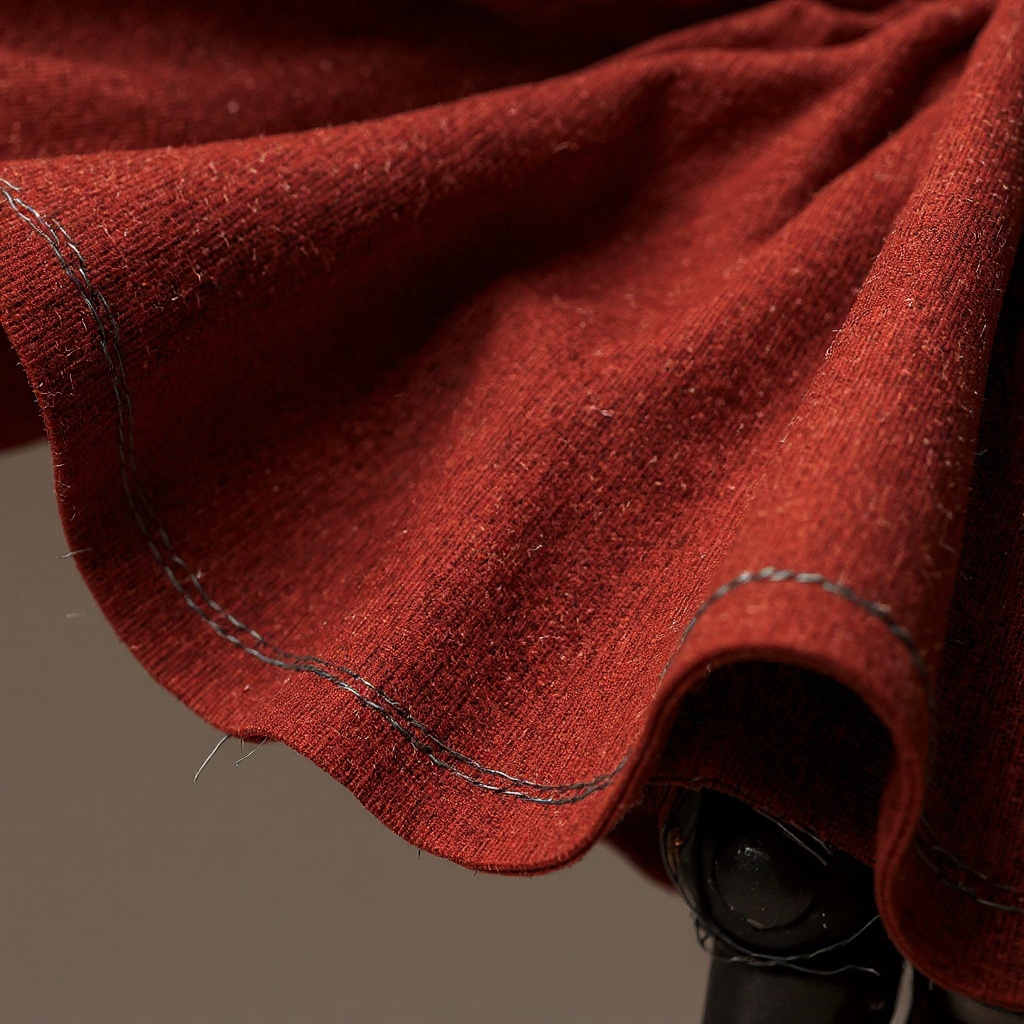
Building vs. Buying: The Real Cost Breakdown
Making your own cape sounds cheaper. Until you count the failed attempts.
1. Fabric: $8-15 per yard, you'll need about 1/4 yard 2. Wire: $12-18 for a 10-foot spool 3. Thread: $3-5 4. Pattern paper: $5-8 5. Tools, if you don't already own them: $25-40
Total material cost lands around $25-35 — assuming you nail the drape on the first attempt. Most people don't. Two or three practice capes usually happen before one looks display-worthy. Add 6-8 hours of actual work, and a $49 handmade cape starts looking less like an expense and more like a good trade.
Building still makes sense if you need a dozen capes for army-building or want to learn the skill itself. For one or two capes on your best figures? Buying wins on time and result, most of the time.
The Truth About "Handmade Imperfections"
Many sellers add a disclaimer about loose threads or slight irregularities on handmade capes. That's not a warning sign. That's honesty. Machine-made capes have perfectly even stitching but often lack the drape quality of a hand-finished hem.
Real cloak construction uses techniques machines can't replicate well. Hand-rolled hems fall differently than machine-sewn ones — softer, less rigid at the fold. Hand-placed wire follows the fabric's own drape lines instead of forcing a geometric curve where the fabric doesn't want to bend.
Those small imperfections often make a cape look more like cloth and less like a toy under a camera lens. Perfect machine stitching, oddly enough, can read as fake in a close-up product shot.
Maintenance Reality Check
Cloth capes need more attention than a molded plastic accessory. Dust settles into every fold. Wire fatigues over time and eventually loses its hold. Pets treat flowing red fabric as a toy. Every time.
Budget 10-15 minutes every few months:
1. Dust gently with a soft brush 2. Check wire attachment points for looseness 3. Spot-clean any marks before they set 4. Reshape the wire if it's drifted from the original pose
Not hard work. Just real work you'll actually need to do. Factor that in before buying a dozen capes for a big collection.
What I'd Actually Recommend
For most collectors, the best value sits in the $35-55 range from makers who specialize in soft goods specifically — not general craft sellers who also sell capes as a side product. You get real construction quality without custom-commission pricing.
Skip the temptation to buy cheap and "upgrade later." Three $15 disappointing capes end up costing more than one $45 cape that works the first time. I've watched a lot of collectors learn this the hard way, myself included — my first three cape purchases combined cost more than the good one I eventually bought.
If you're building a large collection, buy one quality cape first. Live with it for a month. Pose it. Handle it. See how the wire holds up. Then decide if that maker's quality matches what you're willing to pay for the rest of your figures.
The Lion Knight Red Black Cape we offer follows this exact approach — solid construction at a fair price that doesn't leave you second-guessing whether you should've spent more. For other soft-goods options across scales, our cloth cape collection and our wire-posing setup guide cover the rest of what you'll likely want to know.
Frequently Asked Questions
What is the best fabric for a red and black cape on an action figure? Cotton-polyester blends work best for most 7-inch figures. Pure cotton drapes with soft, uneven folds but wrinkles in storage within weeks. Pure polyester holds its shape for years but reflects light in a way that looks synthetic in photos. A 60/40 cotton-poly blend balances both. What is the best fabric for 1/12 scale capes specifically? Lightweight cotton voile or silk chiffon scales down best for 6-7 inch figures. Canvas and denim look bulky at this size — a canvas cape on a 7-inch knight looks closer to a tarp than a cloak. Fabric weight under 3 oz per square yard is a decent target. How much fabric do you need for one cape? Most 1/12 scale capes need about 1/4 yard of 45-inch wide fabric. Longer, dramatic designs need closer to 1/3 yard. Buy 10% extra — dye lots vary between bolts, and matching a torn piece six months later rarely works. How do you dust a cloth cape without damaging the wire? Use a soft paintbrush or a clean makeup brush, working from the collar down toward the hem, following the fabric grain. For heavier dust, a lint roller on the lowest tack setting works. Skip compressed air; it drives dust deeper into the weave instead of removing it. How long does an 18-gauge wired cape hold its pose? Expect 6 months or more of consistent shape-holding under normal handling and display conditions, based on the gauge comparison table above. Repositioning the pose weekly wears the wire faster than leaving it static. Where should I buy a wired 1/12 scale cape? Etsy has the largest selection, though quality swings from excellent to unusable within the same search results page. Specialized accessory makers and forums like The Fwoosh tend to have vetted seller recommendations. Check reviews from the last 90 days specifically — shops change hands and quality slips. Can I buy a cape without commissioning a custom one? Yes. Standard colors like red and black in common 7-inch or 1/12 scale sizing are usually available ready-made. Character-specific designs or unusual color combinations typically require a custom commission and a longer wait time, often 2-4 weeks. Is it okay to just not like soft-goods capes? Completely fine. Some collectors prefer molded plastic capes for their consistency and zero maintenance. Soft goods take more care and can clash with a highly stylized sculpt. It comes down to whether you value photo realism or shelf-standing convenience more. Why do some capes cost double the price for what looks like the same fabric? Wire placement and hand-finishing account for most of that gap, not the raw fabric cost. A $25 cape and a $50 cape might use nearly identical cloth — the difference is 3-4 extra hours of hand-sewn wire channels and hem finishing.So Is the Investment Worth It?
A quality red and black cape changes how a 7-inch knight figure photographs and displays. The gap between a $15 basic cape and a $49 wire-constructed one shows up the moment you try a dynamic pose — one holds it, one doesn't.
But only if you'll actually pose the figure. If your knight stands still on a shelf forever, a plastic cape works fine and costs less. The extra money makes sense once you're photographing the collection or building dioramas where the windswept look matters.
For collectors chasing that dramatic hero shot, the right cloth cape stops being an accessory and starts being part of the figure. Browse our Lion Knight Red Black Cape to see how the construction holds up in dynamic poses for medieval fantasy figures.

