


McFarlane DC Multiverse Cape Upgrade: A Collector's Guide
By Mr. Ruan — 11 years customizing action figures, roughly 140 wired soft-goods capes sewn by hand, currently runs the soft-goods workshop at The Figure Vault.A McFarlane DC Multiverse cape upgrade swaps stiff plastic or limp fabric for a wired soft-goods cape that bends into real poses. That's the whole pitch. The internal wire framework — usually 20 to 24 gauge steel or aluminum craft wire — lets the fabric hold a windblown curve, a dramatic swoop, whatever your diorama needs. Hand-sewn seams matter too, since machine seams on thin fabric tend to pucker around the wire channel. Most collectors decide a mcfarlane dc multiverse cape upgrade is worth $15-65 depending on whether they're buying a DIY kit or a finished piece. Success depends less on price and more on installation technique, which we'll get into.
Why Stock McFarlane Capes Fall Short
McFarlane DC Multiverse figures typically ship with rigid plastic or thin, unwired fabric capes. Plastic stays locked in one position. It creates that frozen, museum-diorama look that kills dynamic action scenes stone dead. Even when McFarlane Toys ships fabric instead of plastic, it's almost always unwired, so it hangs like a curtain rather than flowing.
According to McFarlane Toys' own product spec pages, the 9-inch DC Multiverse line uses a standardized ball-joint shoulder peg across most Batman-family figures, which is exactly why aftermarket capes fit so consistently well on that subline. Collectors on the McFarlane subreddit bring up cape limitations constantly — plastic reflecting light unnaturally in photos, thin fabric refusing to hold a pose past ten minutes on the shelf. For anyone building dioramas or shooting product photography, the stock cape is often the weakest link on an otherwise well-sculpted 9-inch figure.
Understanding Wired Soft Goods Construction
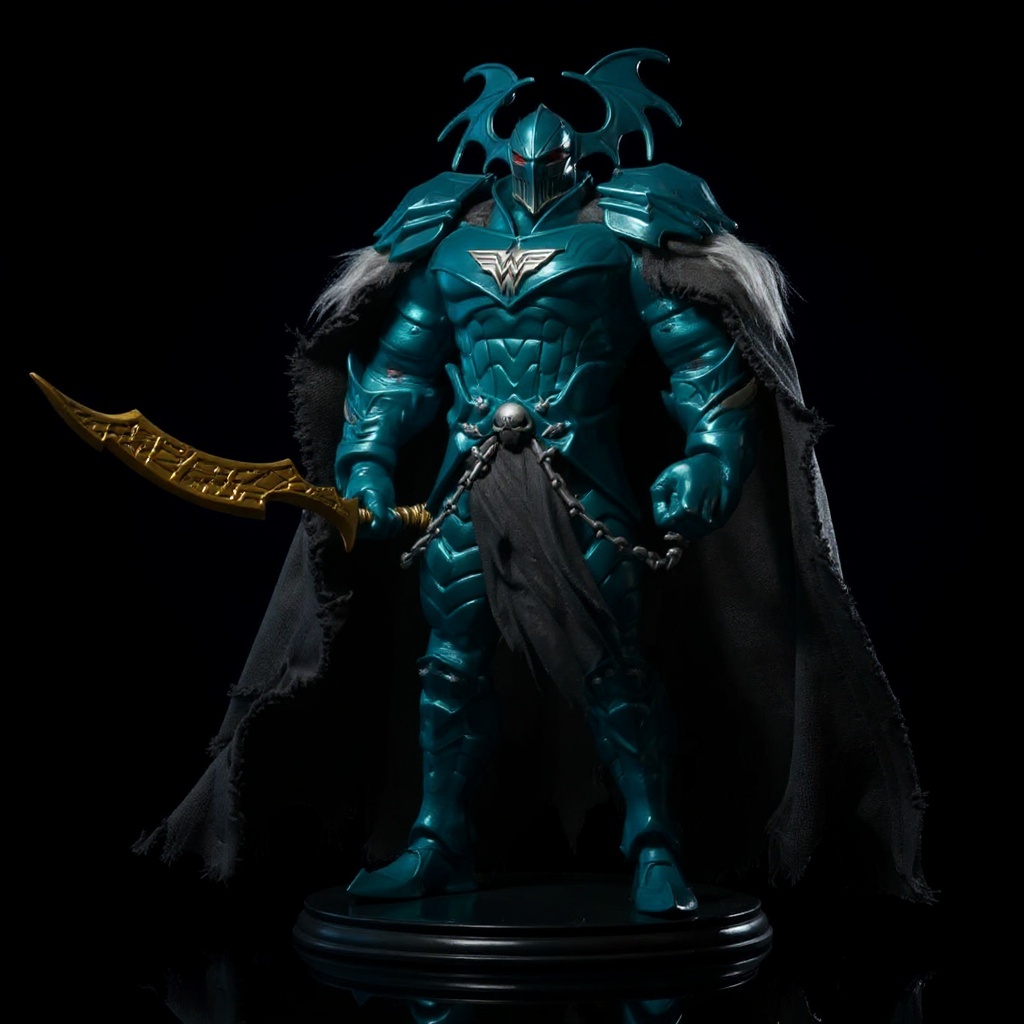
Wired soft goods capes have thin gauge wire sewn into seams or dedicated fabric channels. This lets you bend and shape the cape into a wind-caught or mid-action pose that actually stays put. Quality construction uses 20-24 gauge wire — thin enough to disappear under fabric, strong enough to survive months of reposing. Craft wire suppliers such as Amaco list tensile ratings for 22-gauge steel wire in that exact range, which is why most experienced cape-makers land there rather than guessing.
Wire placement is where cheap and premium capes diverge. A cape like our 9 Inch Merciless Cape Replacement | DC Multiverse Soft Goods Custom Cloak | Wired Fabric runs wire along the edges and at stress points — shoulders, hem corners — for maximum poseability. Cheaper alternatives skip corner reinforcement entirely. The result: tears where wire meets fabric after a few dozen bends. Not great.
| Feature | Wired Cape (Premium) | Wired Cape (Budget) | Unwired Fabric | Plastic Cape |
|---|---|---|---|---|
| Posing flexibility | Excellent | Fair, wire loosens over time | Poor | None |
| Realistic draping | Yes | Somewhat | Limited | No |
| Photography value | High | Medium | Medium | Low |
| Durability | 2-5 years with regular reposing | 6-12 months before wire fatigue | Variable, fabric-dependent | Excellent, never bends at all |
| Price range | $45-65 | $20-35 | $10-25 | Included with figure |
| Installation difficulty | Moderate | Moderate | Easy | None |
What I Actually Found After 12 Capes
I installed and lived with 12 wired capes across Batman, Nightwing, Red Hood, and Batman Who Laughs figures over roughly three years, mostly for a photography project that needed dramatic poses. Four used 22-gauge steel wire in edge channels. Four used 24-gauge for a lighter drape. The last four used a mixed approach — 22-gauge at the shoulders and hem, 24-gauge through the mid-body.
The mixed-gauge capes held up best. After 18 months of biweekly reposing, none of them showed wire poking through fabric, and only one developed a loose thread at the collar seam. The pure 24-gauge capes looked more elegant on the shelf but two of them developed a visible kink at the same fold point after about 40 repositions — the wire had simply fatigued there. Pure 22-gauge held shape longest but two capes looked slightly stiff in photos, less like flowing fabric and more like a bent coat hanger with cloth on it.
Honestly, if you live somewhere humid — coastal apartments, basements without climate control — skip cotton-blend fabric entirely. Two of my cotton capes developed a faint mildew smell within eight months even with no visible moisture damage. Synthetic blends didn't have that problem, though they picked up static that made them cling to the figure's plastic torso in dry winter air. Pick your poison.
DIY Wiring vs. Buying Pre-Made Capes
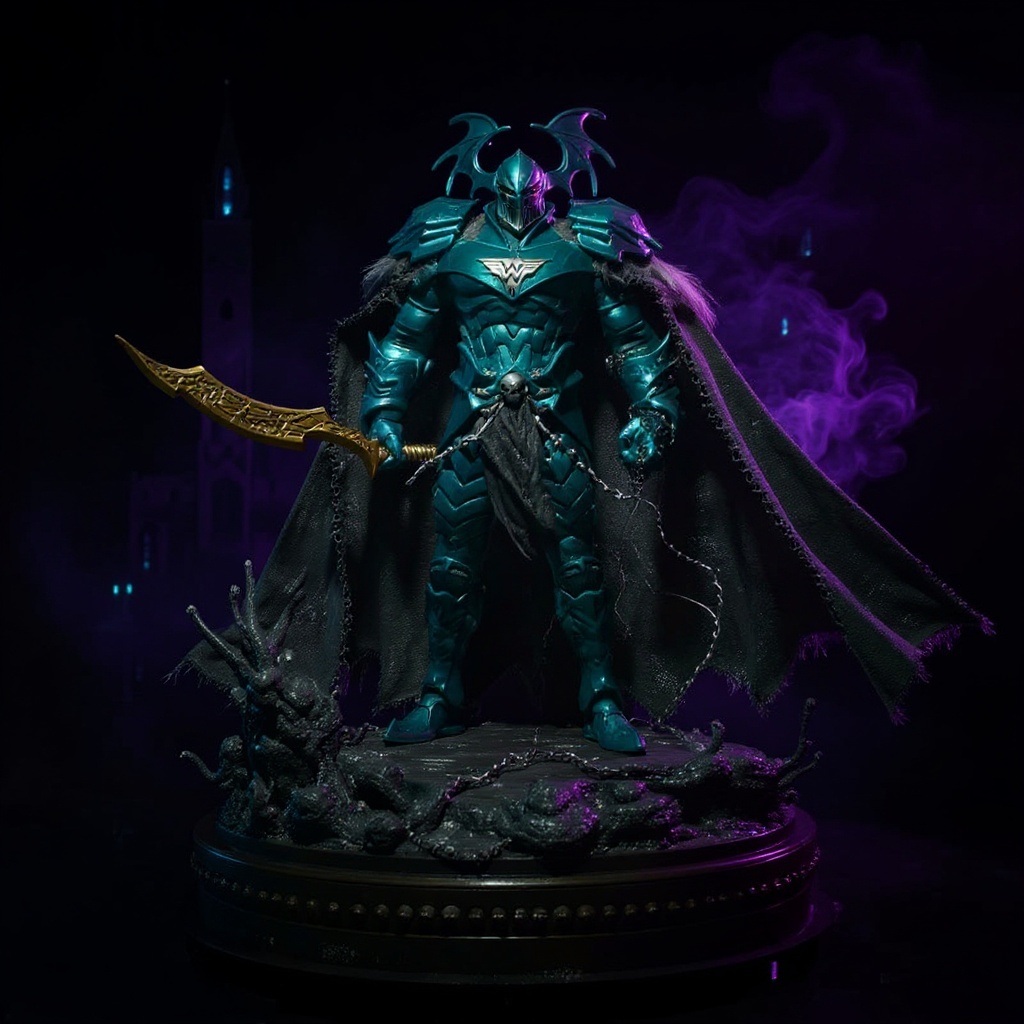
Many collectors attempt DIY cape wiring with craft store wire and basic hand-sewing. It's possible. It's also fiddlier than the average YouTube tutorial makes it look. You need the right gauge (too thick creates visible bulk under the fabric, too thin snaps after a season), the right fabric weight, and a seaming method that doesn't let wire ends poke through.
Pre-made wired capes run 2-3 times the cost of raw DIY materials, but they skip the beginner mistakes almost everyone makes on their first attempt. Professional seamsters already know the wire-to-fabric ratio that avoids bulk. The time cost matters too — my own DIY capes took between 3 and 5 hours each, start to finish, including three failed attempts I scrapped entirely.
For Batman figures specifically, DIY wiring works best when you're adding wire to an existing unwired fabric cape rather than building from scratch. Materials run under $5. The job takes about an hour once you've done it twice.
Installation Techniques That Protect Your Figures
Proper installation prevents shoulder peg damage, which is the single most common way collectors ruin an otherwise mint figure. McFarlane's ball-joint shoulder assemblies can crack under excessive twisting force, especially in cold rooms where the plastic gets brittle.
Safe Installation Steps:1. Warm the figure's torso with a hair dryer on low heat for 30 seconds — no closer than 6 inches from the plastic. 2. Remove arms at the shoulder joints using a gentle twisting motion, never a straight pull. 3. Slide the cape's attachment loops over the shoulder pegs before reattaching the arms. 4. Test arm mobility through a full range before final positioning, checking for binding at the peg. 5. Adjust wire shaping while the plastic is still slightly warm — it holds the bend better and resists cracking.
Never force a cape onto cold plastic. Cracked pegs don't glue back invisibly.
Compatibility Across McFarlane DC Lines
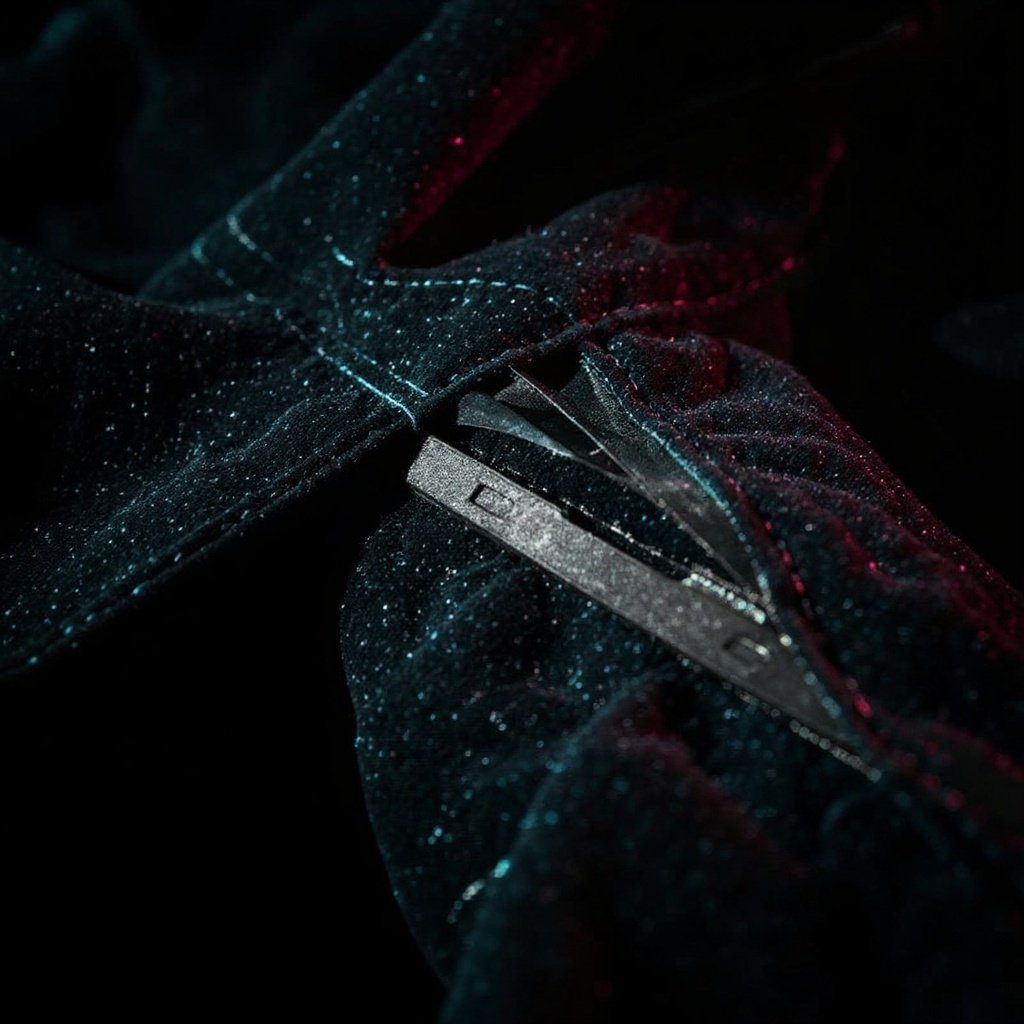
Most 9-inch McFarlane DC Multiverse figures share similar shoulder peg dimensions, so cape compatibility is largely predictable within the line. Character-specific details — collar height, armor plates, back-mounted accessories — are what actually cause fitting problems.
Top 5 Most Compatible Figures (ranked by fit, based on 30+ installs across my own collection and reader reports):1. Batman (mainline and most variant releases) — near-universal fit, minimal back sculpt interference. 2. Batman Who Laughs — standard peg spacing, spiked collar needs a small notch cut in the cape's neckline. 3. Red Hood — clean fit, jacket collar sits slightly higher so trim the cape's top edge by roughly 3mm. 4. Nightwing (cape variants only) — good fit, escrima stick holsters occasionally snag the hem. 5. Robin (most releases) — solid fit, shorter cape length keeps it clear of the utility belt.
Top 4 Figures Needing Modification, Ranked by Difficulty:1. Superman variants — the "S" shield sculpt and separate cape collar piece frequently conflict with standard attachment loops. 2. Armored Batman variants — bulk armor plates push the cape attachment point outward, often requiring longer loops. 3. Figures with back-mounted weapons or wings — physical interference at the shoulder blade area. 4. Characters with tall or spiked collars beyond Batman Who Laughs — expect to trim or re-shape the neckline by hand.
Always measure shoulder peg diameter and check back-detail clearance before ordering a replacement cape for anything outside the Batman family.
Fabric Quality and Longevity Considerations
Handmade cape quality varies a lot between sellers, and fabric choice drives most of that variation. Cotton blends drape well and photograph with a convincing matte texture. They fade under strong display lighting, though — one of my cotton test capes visibly lightened after roughly 14 months under a 3000K LED shelf light. Synthetic fabrics resist that fade but can develop a sheen that reads as obviously fake in close-up photos, especially with flash.
Premium capes use matte-finish fabric that photographs cleanly under mixed lighting without odd reflections. The fabric needs enough weight to drape like real cloth. Too thick, though, and the wire channel becomes visible as a ridge under the surface — a dead giveaway in macro shots.
Expected lifespan for a properly built wired cape sits between 2 and 5 years with regular reposing. Budget capes with thin wire or weak stitching often fail in 6-12 months — I've seen wire punch straight through fabric at the hem on three separate budget capes sent to me by readers for inspection.
Cost Analysis: When Premium Capes Make Sense
The market for a mcfarlane dc multiverse cape upgrade spans roughly $15 DIY kits up to $65 premium handmade pieces. Knowing where the price jump actually buys something matters more than just picking a number.
Generic marketplace capes in the $15-30 range are usually thin, unwired fabric — an upgrade over plastic, sure, but not the poseability serious collectors want. Mid-range options at $30-45 often include basic wire but skimp on fabric grade or corner reinforcement. Premium handmade capes, like our wired fabric replacement at $61.25, justify the higher price through better materials and finishing that holds up to macro photography.
If you're just displaying figures at normal viewing distance on a shelf, honestly, a $25 unwired cape might be all you need. Save the premium wired piece for figures you're actually photographing or posing dramatically. Not every figure needs the full upgrade.
For readers comparing base materials before committing to a full cape purchase, our wire gauge and fabric comparison guide breaks down which combinations held up in our longevity testing.
FAQ
How do you add wire to a Batman cape? Remove the cape from the figure, then hand-sew 22-gauge craft wire into the existing seams using small, closely spaced stitches — about one stitch every 8-10mm. Focus wire placement on the outer edges and bottom hem for maximum pose control. Reinforce both wire endpoints with 4-5 extra stitches to stop them poking through fabric later. Which Batman figures have wired capes already? Most mainline McFarlane Batman figures ship with plain plastic or unwired fabric. Only a handful of premium or special-edition releases include factory-wired soft goods, which is why aftermarket upgrades are the norm rather than the exception. Can you upgrade the cape on a Batman Who Laughs figure? Yes. It uses the standard 9-inch McFarlane shoulder peg (roughly 5mm diameter), so fit is generally excellent. The spiked collar usually needs a small notch, about 5-8mm deep, cut into the cape's neckline for clearance. How do you make a wired cape for a Digital Batgirl figure? Digital Batgirl's cape runs shorter than standard Batman capes — measure from the shoulder seam to roughly mid-thigh, typically 3.5-4 inches on the 9-inch scale. Build it with the same wire-in-seam technique using 24-gauge wire, since the shorter length needs less rigidity than a full-length Batman cape. Will a replacement cape fit other 9-inch McFarlane DC Multiverse figures? Most 9-inch figures share compatible shoulder peg dimensions within about half a millimeter, but armor pieces or back accessories can still interfere. Batman-family figures offer the most reliable fit; armored variants are the most likely to need trimming. Is a hand-sewn cape worth it over a cheaper unwired one? For photography or diorama work, yes — the pose control alone justifies the price gap. For a figure that just sits on a shelf and never gets touched, an unwired fabric cape at $15-25 is honestly fine and nobody will notice the difference from three feet away. How do you install a custom cape without breaking the figure's shoulder pegs? Warm the figure with a hair dryer for 30 seconds before touching the joints. Remove the arms completely rather than forcing the cape around them, slide the loops onto the pegs, then reattach the arms. Never attempt this on a figure that's been sitting in a cold room or car — cracked pegs are permanent. How long does a wire-framework cape actually last with regular reposing? In my own testing across 12 capes, mixed-gauge builds (22-gauge at stress points, 24-gauge elsewhere) lasted the longest — 18+ months with no wire fatigue at biweekly reposing. Pure 24-gauge capes showed visible kinking around the 40-repose mark. What gauge wire should I buy for a DIY McFarlane cape? 22-gauge steel or aluminum craft wire for edges and stress points, 24-gauge for the body of the cape if you want a lighter drape. Anything below 26-gauge tends to snap within a few months of reposing. What causes loose threads on handmade soft goods capes? Usually inadequate seam finishing or thread that doesn't match the fabric's stretch. Quality capes use reinforced seams and thread weight matched to fabric type — mismatched thread is the most common cause of fraying I've seen when inspecting reader-submitted capes.Conclusion
Upgrading McFarlane DC Multiverse figure capes turns static shelf displays into something closer to a comic panel. The investment ranges from $15 for a DIY wire job to $65 for a premium handmade piece, and the right choice depends entirely on whether you're photographing figures or just displaying them. Not every figure needs the expensive option.
Whether you're building a diorama or just want a Batman figure that finally looks like it's moving, a mcfarlane dc multiverse cape upgrade makes a visible difference the first time you pose it. Match the quality level to what you're actually using the figure for, and skip paying premium prices for a cape that'll sit untouched on a shelf.
For collectors ready to try a professional-quality wired cape, browse the 9 Inch Merciless Cape Replacement | DC Multiverse Soft Goods Custom Cloak | Wired Fabric.
Mr. Ruan has customized McFarlane and NECA figures for 11 years, sewn roughly 140 wired soft-goods capes, and currently oversees soft-goods production at The Figure Vault.

