


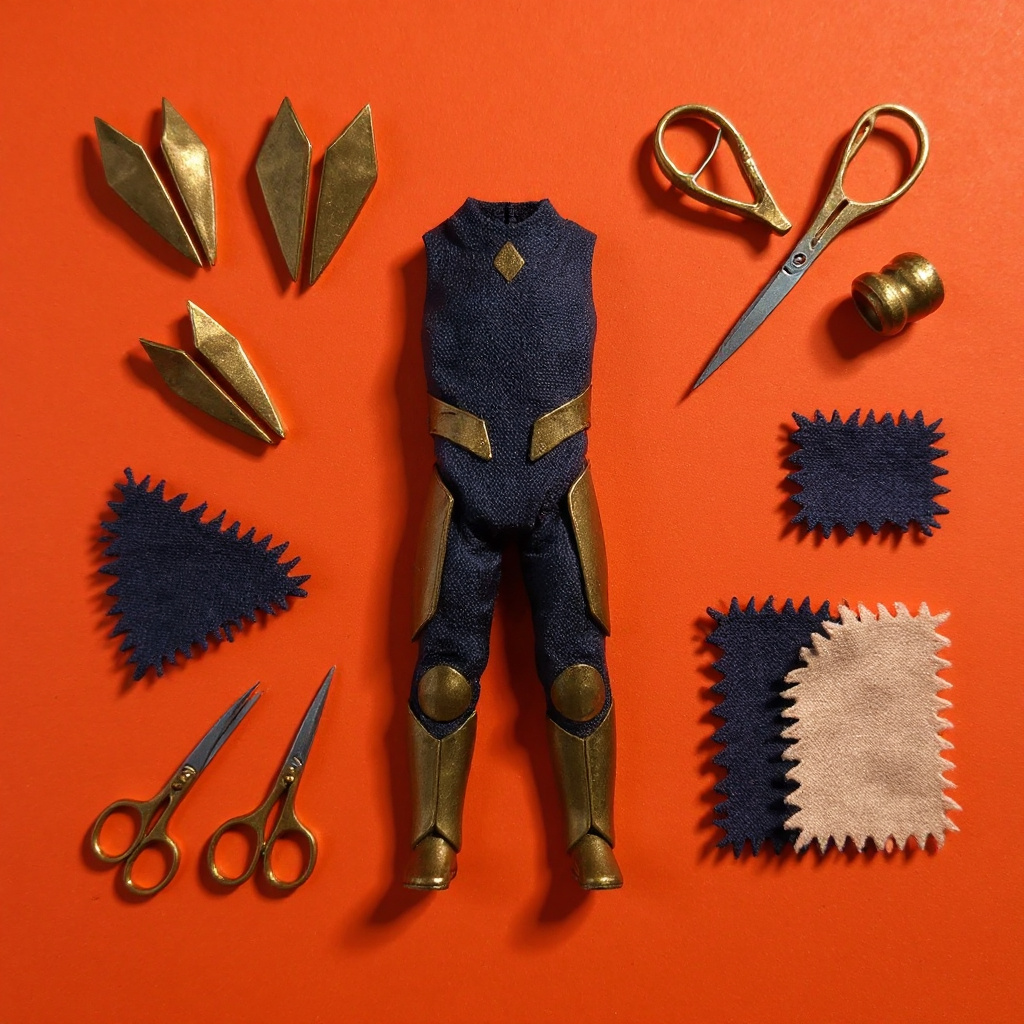
The factory-standard body suit color for Saint Cloth Myth figures is dark navy blue. But open ten boxes from ten different years and you'll find at least four shades wearing that same "navy" label. Here's what the saint cloth myth body suit color options actually look like once you line figures up on a shelf, and why replacement fabric matters more than obsessing over an exact match.
Bandai's production runs span multiple factories and years. That alone creates natural variation — deep midnight blue in one batch, lighter slate in another. Bronze Saints usually ship with the darkest navy. Some limited editions swap in charcoal gray or black undersuits instead, no explanation given.
Why Saint Cloth Myth Body Suit Colors Vary So Much
Factory inconsistency drives most of it. Bandai contracts manufacturing to different facilities across production runs, and each pulls fabric from a different supplier. A 2019 Pegasus Seiya EX often shows a richer, more saturated blue than the 2021 reissue sitting right next to it.
Fabric aging changes things too. UV-sensitive dyes fade under display lights, and deep navy drifts toward gray-blue over two to three years of steady light exposure. Heat speeds this up — I had a Shiryu figure sit near a west-facing window for about 18 months and the suit went visibly gray-blue by the second summer.
Some color shifts are intentional, not accidental. Gold Saints often use black undersuits for contrast. Silver Saints sometimes ship with charcoal gray instead of navy. Bronze Saints mostly stick to navy, but Dragon Shiryu's early releases used a noticeably greener blue tone than his teammates.
The Saint Seiya franchise spans decades of toy production, and color standards weren't locked down until the EX line launched around 2015. Older Myth Cloth figures from 2006 to 2010 show the wildest variation of all — this era predates any real quality-control documentation, and Bandai has never published official fabric standards for that period.
The Real Factory Palette Breakdown
| Character Line | Standard Color | Common Variations | Release Years |
|---|---|---|---|
| Bronze Saints (Standard) | Dark Navy | Slate Blue, Charcoal | 2015–present |
| Bronze Saints (Early) | Medium Blue | Faded Gray-Blue | 2006–2014 |
| Gold Saints | Black | Dark Charcoal | 2012–present |
| Silver Saints | Charcoal Gray | Dark Navy | 2014–present |
| Special Editions | Variable | Black, White, Custom | 2008–present |
A note on accuracy: those color descriptions come from my own fabric matching against a swatch card, not from any published Bandai spec sheet. Bandai doesn't release exact color standards for undersuits, so every collector measuring this is working from observation, not an official document. Treat it as a field guide, not gospel.
Most collectors can't tell navy variations apart unless they're comparing figures side by side under the same light. And honestly, the armor covers about 80% of the suit anyway — so for static display, this whole conversation matters less than forum threads make it sound.
How Much Does Body Suit Color Actually Matter?
It shows more than you'd expect. Gaps around joints reveal 15–20% of the undersuit during dynamic poses. Shoulder joints. Elbow gaps. Waist articulation. All of it exposes fabric color the moment you push a figure into an action pose.
Photography makes mismatches obvious in a way casual shelf-viewing never does. Camera flash highlights every shade difference between figures standing in a group shot, and that's exactly where collectors notice their Seiya looks off next to their Hyoga.
Screen accuracy is a dead end, though. The anime adaptation shows inconsistent undersuit colors from episode to episode, so there's no single "correct" reference frame to chase. For display purposes, visual harmony across your collection beats anime accuracy almost every time, even when one factory shade is technically more "authentic" to a specific episode still.
Replacement suits solve this cleanly. Standardize your whole collection to one tone instead of living with whatever random shade shipped from whichever factory that year. This 1/12 scale body suit built for Saint Cloth Myth Bronze Saints comes in consistent dark navy, black, or skin-tone builds specifically to end this guessing game.
When to Replace vs. Repaint Your Body Suit
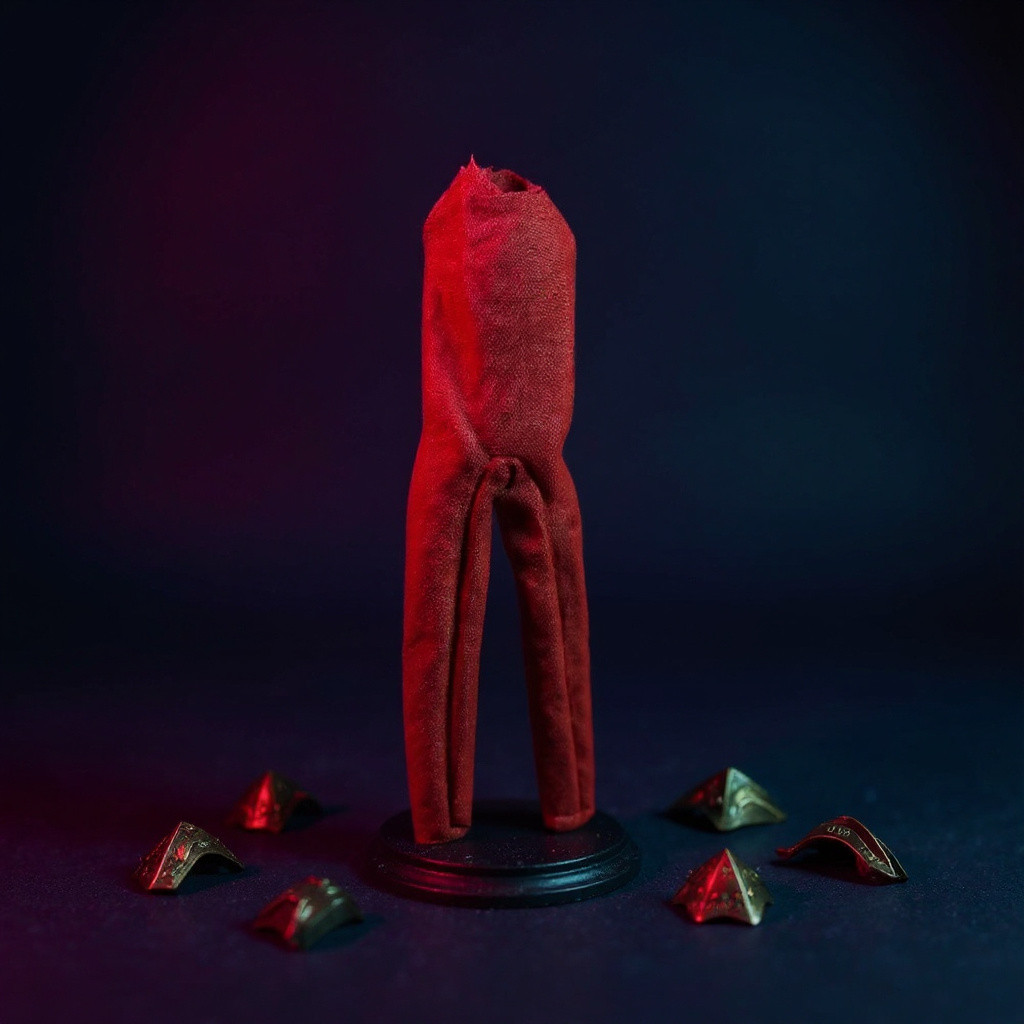
Replacement wins for torn or stretched fabric, full stop. Once the material loses elasticity, paint won't fix the underlying fit problem — it just adds a colored layer on top of a suit that no longer holds a pose. Cracked shoulder seams and loose waist areas need new fabric, not a touch-up.
Repainting works fine for minor color correction on an otherwise sound suit. Fabric paint (not acrylic — acrylic cracks and flakes within weeks of posing) can shift navy toward black or darken a faded patch. Test on a hidden seam first. Some synthetic blends reject paint outright and you'll find that out the hard way if you skip this step.
Cost Comparison (checked October 2024)
| Option | Price Range | Wire Reinforcement | Fit Consistency |
|---|---|---|---|
| Fabric paint touch-up | $8–12 plus your time | No | Depends on original suit |
| Generic replacement suit | $8–15 | Usually none | Inconsistent, varies by batch |
| Official Bandai replacement part | $30–45 (secondhand only) | Factory-original | High |
| Handmade replacement w/ wire | $17.50 | Yes, custom gauge | High |
| DIY rewire of existing suit | $3–5 in craft wire | Yes, if done carefully | Depends on your stitching |
The wire frame makes the biggest functional difference of anything on this list. Factory wire is thin and breaks after 20–30 pose changes in my experience. Thicker replacement wire holds a pose for months instead of days.
Paint jobs eat 2–3 hours including drying time. Swapping a replacement suit takes about 15 minutes once you know the joint order. Your call on whether color-matching justifies the time.
Which Replacement Colors Work Best
Dark navy matches roughly 90% of Bronze Saint releases. Safest pick if you're replacing multiple figures and want shelf consistency.
Black works better under Gold Saint armor. The contrast makes gold pieces pop in photos, and it hides joint gaps better than navy does in direct light.
Skin-tone suits work for custom projects or characters without full armor coverage. Not anime-accurate for most Saints — useful for diorama builds, though, where you need visible "skin" at the wrists or neck.
Charcoal gray splits the difference between navy and black. Less common, but works well if your shelf mixes Bronze, Silver, and Gold ranks together.
Honest take: if your armor fits tight and covers the joints properly, color-matching the suit underneath barely matters. I've swapped in a slightly-off navy suit under a well-fitted Seiya chest plate and nobody at a meetup noticed until I pointed it out myself.
Common Body Suit Problems and Quick Fixes
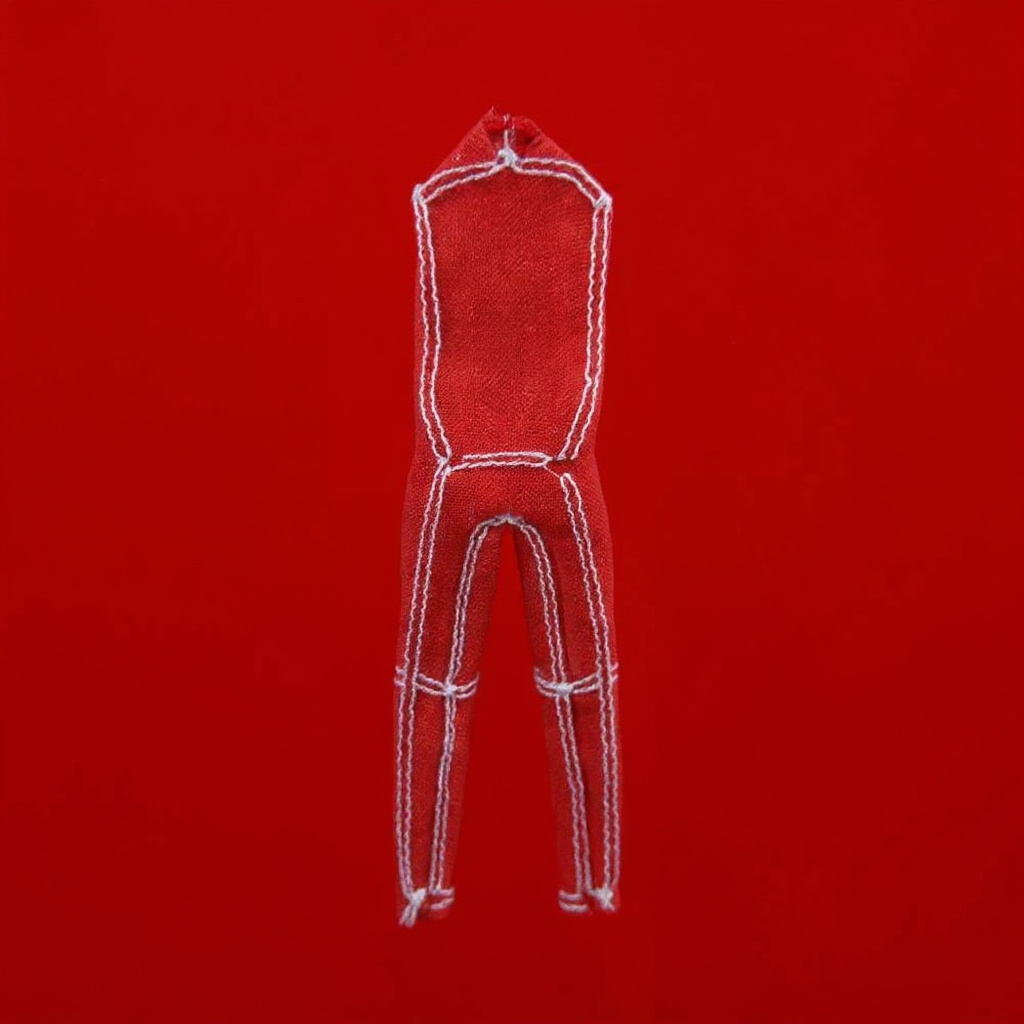
1. Yellowed fabric from UV exposure — Replace entirely; bleach damages synthetic fibers further. 2. Torn shoulder seams — Fabric glue works as a stopgap, but it fails again within a season. 3. Stretched-out waist area — Sew in elastic thread, or just replace the suit. 4. Broken internal wire — Cut the seam open, pull the old wire, thread in 20-gauge craft wire. 5. Paint transfer from armor — Gentle acetone lifts most paint; test a hidden area first. 6. Stiff joints after storage — Work the wire by hand, slow bends. Replace if it stays kinked. 7. Size mismatch after a suit swap — Fabric doesn't stretch much. Size up when ordering.
The internal wire fails most often, not the fabric itself. Cheap wire kinks permanently after 15–20 bends, leaving a crease in every future pose you try. Quality wire flexes hundreds of times before it shows any fatigue at all.
Some collectors on r/SaintSeiya suggest reinforcing shoulder seams with extra stitching before the fabric tears. That buys time for light posing. Heavy display rotation still wins in the end.
Comparing Aftermarket Options
Official Bandai replacement parts rarely surface secondhand. When they do, expect $30–45 on eBay or Yahoo Auctions Japan. They match factory originals exactly, but the premium only makes sense if you're restoring a genuinely valuable limited edition.
Generic suits from overseas sellers run $8–15 and skip wire reinforcement entirely. Fabric quality swings wildly between listings — some stretch fine, others feel like a $2 Halloween costume. Sizing consistency doesn't exist across sellers, either.
Handmade options like the wire-reinforced suits available here land at $17.50. Custom wire placement, consistent fabric batches, slightly imperfect stitching since a person sews these instead of a machine. That last part isn't a flaw so much as the tradeoff.
3D-printed hard bodies exist as an alternative, but they miss the point of this hobby. Fabric texture and joint flex are what separate Myth Cloth figures from standard hard-plastic action figures in the first place.
For a broader parts overview, browse the body suit and wire-frame category page or check the armature repair notes on our blog before ordering. Most threads on r/actionfigures land on the same conclusion: spend the extra $5–10 for wire reinforcement, because the pose retention is worth more than saving on a generic suit.
Frequently Asked Questions
What are the actual saint cloth myth body suit color options collectors deal with? Mostly dark navy, medium blue (older stock), black, charcoal gray, and occasional custom runs like white or skin-tone for special editions. None of it is officially documented by Bandai — it's collector observation, batch by batch. Compared to Gold and Silver Cloths, how durable are the body suits underneath? Materials are essentially the same across the line. Gold Saint suits sometimes last longer simply because collectors pose them less. The wire gives out before the fabric does, almost every time. Is the original factory undersuit color the same across all Bronze Saints? No. At least three distinct navy shades show up across production runs. A 2019 Seiya reads deeper blue than a 2021 Shiryu standing next to it, though the gap is subtle unless you're comparing directly. Can I repaint a body suit instead of replacing it entirely? Fabric paint handles minor color shifts fine. It won't fix torn seams or stretched material. Use textile paint, not acrylic, and test a hidden spot first — repainting eats 2–3 hours versus 15 minutes for a swap. Should I get official Bandai parts or a third-party undersuit if color accuracy matters to me? Neither official nor generic lines guarantee color consistency across years. If shelf uniformity matters more than provenance, plan to standardize with a replacement suit regardless of which armor line you own. Why do some secondhand Myth Cloth figures have discolored or yellowed body suits? UV exposure and heat break down synthetic dye over roughly two to three years. Figures near windows or under hot display lights go first. Cigarette smoke and certain cleaners stain the fabric permanently too. Does the body suit color show through gaps in the armor when posed? Yes — shoulder joints, elbows, and waist articulation expose 15–20% of the suit during dynamic poses. Photography catches this far more than casual shelf viewing does. What color body suit fits best under Pegasus Seiya's armor? Dark navy matches most releases, though early versions ran a touch lighter. Black works if you want higher contrast against bronze armor. Skip skin-tone unless you're building a custom diorama piece. Will a replacement suit fit other 1/12 scale figures outside Saint Cloth Myth? Sometimes, if the joint spacing and limb length are close enough. Check the wire gauge and limb measurements against your specific figure before ordering — this isn't a universal fit across brands. Is it worth reinforcing the original factory wire instead of buying a new suit? Only if the fabric itself is still in good shape. Rewiring an intact suit costs a few dollars in craft wire and an hour of patience. If the fabric is torn or yellowed too, you're better off replacing the whole thing.The Real Story on Color Matching
Perfect color accuracy is impossible when Bandai's own factory runs drift by two or three shades across a single character line. Smart collectors focus on visual consistency across the display case instead of chasing a "correct" factory color that may not even exist in a documented form.
Honestly, if you're only displaying one or two figures and never pose them dynamically, none of this matters — save your money and skip replacement suits entirely.
But replacement suits solve more than color anyway. Fresh fabric improves pose retention, removes old tears and stains, and lets you standardize an entire shelf to one tone instead of patchwork factory variation. If your current suits are torn, yellowed, or just won't hold a pose anymore, a wire-reinforced replacement built for Saint Cloth Myth Bronze Saints changes how the whole figure photographs — not just how it displays on a shelf.

