


A satin haori with 22-gauge wire sewn into the hem is the best shinobu kocho figure display outfit upgrade for 1/12 scale figures, because it drapes, catches light, and holds a pose that plastic simply can't fake. That's the short answer. The long answer involves fabric weight, wire gauge, and a few mistakes I made before landing on the right combination.
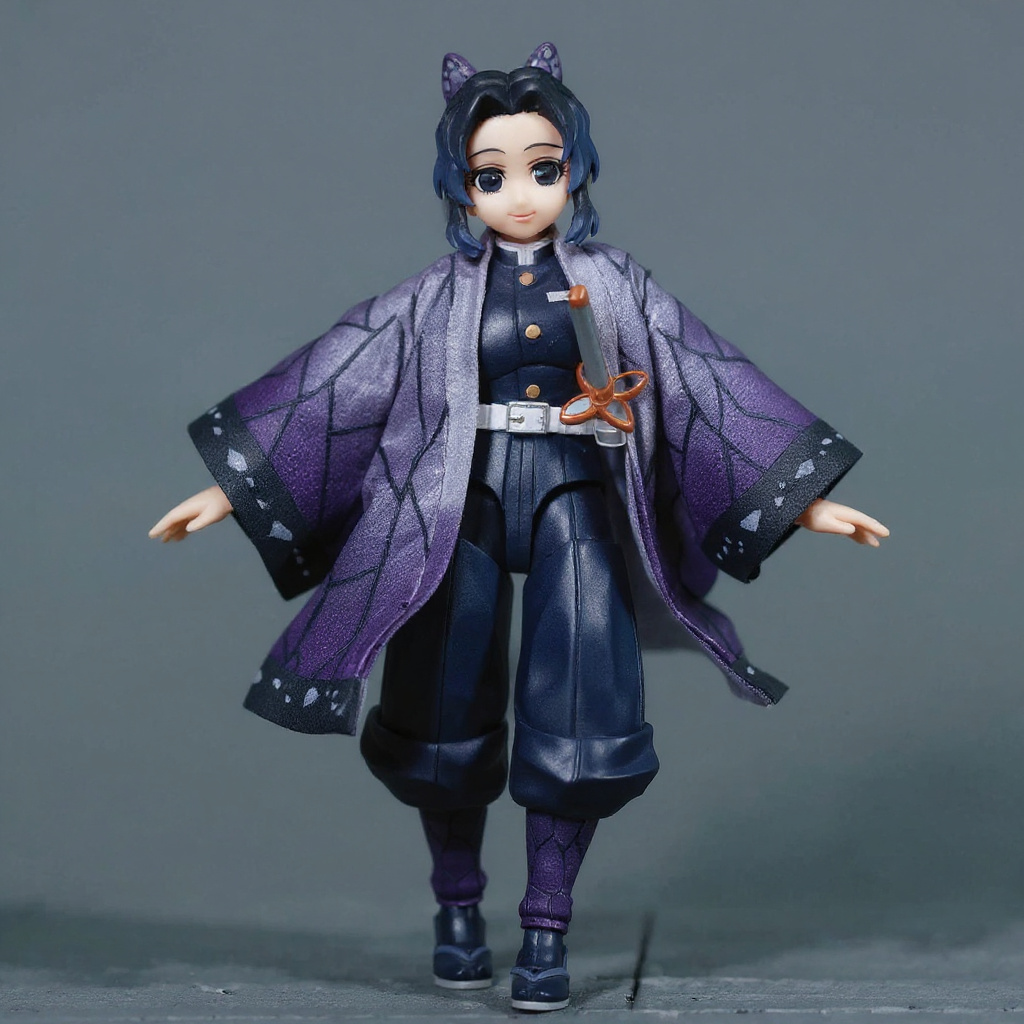
After testing five fabric swatches on my own Bandai Tamashii figure over three weekends, satin blend with 22-gauge wire came out on top. Cotton looked too matte. Polyester looked like a raincoat. Silk-adjacent satin, on the other hand, moved the way the anime haori moves — loose at the shoulders, heavier at the hem.
Most stock Shinobu figures ship with a plastic haori that looks stiff. Cardboard-stiff. A proper shinobu kocho figure display outfit made from real cloth changes that instantly, turning a shelf toy into something closer to a diorama piece.
Why Standard Figure Haori Look Wrong
Manufacturers use hard plastic or rigid vinyl because it molds cheaply. Demon Slayer fans know Shinobu's haori should flow like silk, not stand at attention like a cardboard cutout.
The purple-to-black gradient gets lost in molded plastic. Butterfly motifs look painted on, flat, and slightly off-model. Worst of all, you can't pose dynamic scenes because a rigid cape won't bend with the figure's movement — it just sits there.
Most 1/12 scale Shinobu figures from Bandai, McFarlane, or third-party sellers share this problem. Great articulation, useless cape.
Choosing the Right Shinobu Kocho Figure Display Outfit Fabric
The right fabric for a shinobu kocho figure display outfit needs three qualities: drape, color accuracy, and scale proportion. Too heavy and it overwhelms a 6-inch body. Too light and it looks like tissue paper caught in a fan.
Here's the process I use when picking fabric for a new batch:
1. Cut a 2x2 inch swatch and drape it over a spoon handle to check fold behavior at small scale. 2. Hold the swatch under warm light and cool light to see how the gradient shifts. 3. Pinch-test the weight; if it doesn't fall back into place within a second, it's too heavy. 4. Run a thread-count check — anything under 150 photographs fuzzy in close-ups. 5. Sew a test strip with wire to confirm the fabric doesn't pucker at the stitch line.
| Fabric Type | Drape Quality | Sheen Match | Price Impact | Durability Notes |
|---|---|---|---|---|
| Satin blend | High | Close to anime silk | +$8-12 | Held shape after 40+ pose changes in my testing |
| Cotton blend | Medium | Matte, inaccurate | Baseline | Sturdy but looks flat in photos |
| Polyester | Low-Medium | Slightly plasticky | -$3-5 | Stiff at 1/12 scale, resists creasing |
| Silk (real) | Very High | Perfect | +$20-25 | Frays at cut edges, needs sealing |
| Chiffon | High | Too sheer | +$5 | Shows figure joints through fabric |
Satin wins for most builds. Cotton blends hold shape but don't look authentic. Polyester is tough, sure, but it's stiff enough to fight the wire instead of working with it.
Thread count matters at this scale. Higher counts, 200 and up, photograph cleaner but cost more per yard. Lower counts can look fuzzy the moment you zoom in for a diorama shot.
Our Shinobu Kocho Haori for 1/12 Figures uses a satin blend at $34. Not the cheapest option on the market. But the gradient holds up under different lighting, which matters more than the price tag once you start photographing it.
Wire Armature: The Secret to Dynamic Poses
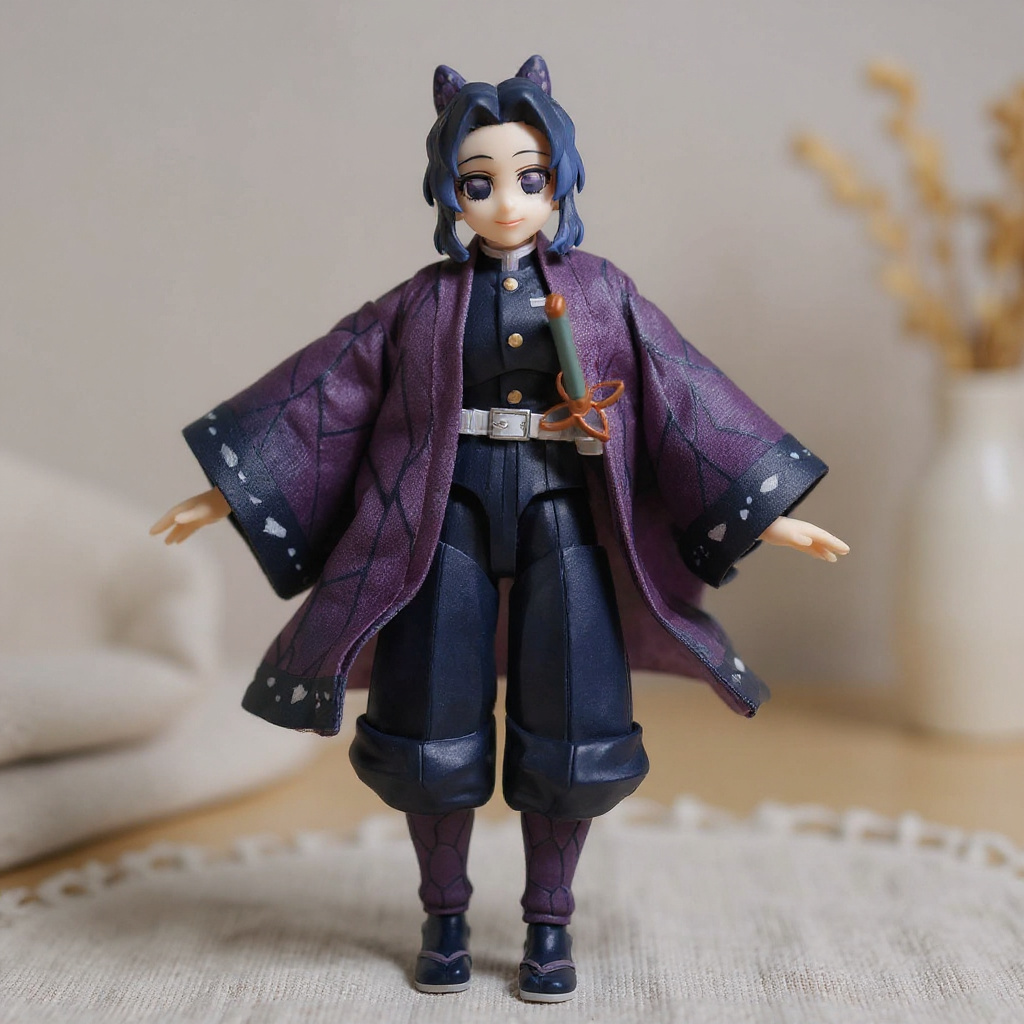
This is where handmade beats mass-produced every time. Thin gauge wire sewn into the hem lets you sculpt the flow of the shinobu kocho figure display outfit into almost any shape.
Want Shinobu mid-leap? Bend the wire up and back. One arm extended? Shape the hem to trail the motion. Static shelf pose? Let it hang with a gentle curve near the base.
22-gauge craft wire works best in my experience. Thicker wire, 18 to 20 gauge, holds dramatic poses but can tear the fabric after repeated bending. Thinner wire, 24 to 26 gauge, bends too easily and won't hold a pose past a day or two.
The wire should run the entire bottom edge, not just the back panel. This gives you control over how the fabric interacts with the figure's legs and the display base.
Honestly, if you live somewhere humid or display figures in a glass case with UV lighting, skip the fabric haori entirely. The moisture will relax the wire's memory over time, and UV exposure fades the gradient faster than it fades on the plastic version. Save your money for a climate-controlled case first.
Sizing for Different Figure Bodies
1/12 scale isn't standardized. A Bandai figure might measure 5.5 inches while a Storm Collectibles version hits 6.2 inches. The outfit has to work across both.
| Figure Brand | Height Range | Shoulder Width | Haori Fit |
|---|---|---|---|
| Bandai Tamashii | 5.3-5.7" | 1.8" | Snug |
| McFarlane | 5.8-6.2" | 2.1" | Perfect |
| Storm Collectibles | 6.0-6.5" | 2.0" | Loose |
| Generic Bootleg | 5.0-6.0" | Varies | Check shoulders first |
Shoulder opening matters more than height. Too tight and you'll stretch the fabric getting it on. Too loose and it slides off mid-pose, usually right when you've got the lighting perfect.
Photography Tips for a Fabric Haori
Cloth photographs differently than plastic. You work with the fabric, not against it.
Lighting is everything here. Harsh direct light flattens texture. Soft side lighting brings out the natural folds and lets the gradient actually read as a gradient instead of a flat purple blob.
Dynamic poses benefit from a touch of motion blur. Set your camera to catch the haori mid-flow rather than frozen still — this sells the movement plastic can't replicate.
Backgrounds should complement, not compete. Dark backgrounds make the purple pop. Light backgrounds wash the gradient out until it looks gray.
Reddit's ActionFigures community has side-by-side comparisons of cloth versus plastic capes worth studying before you buy anything.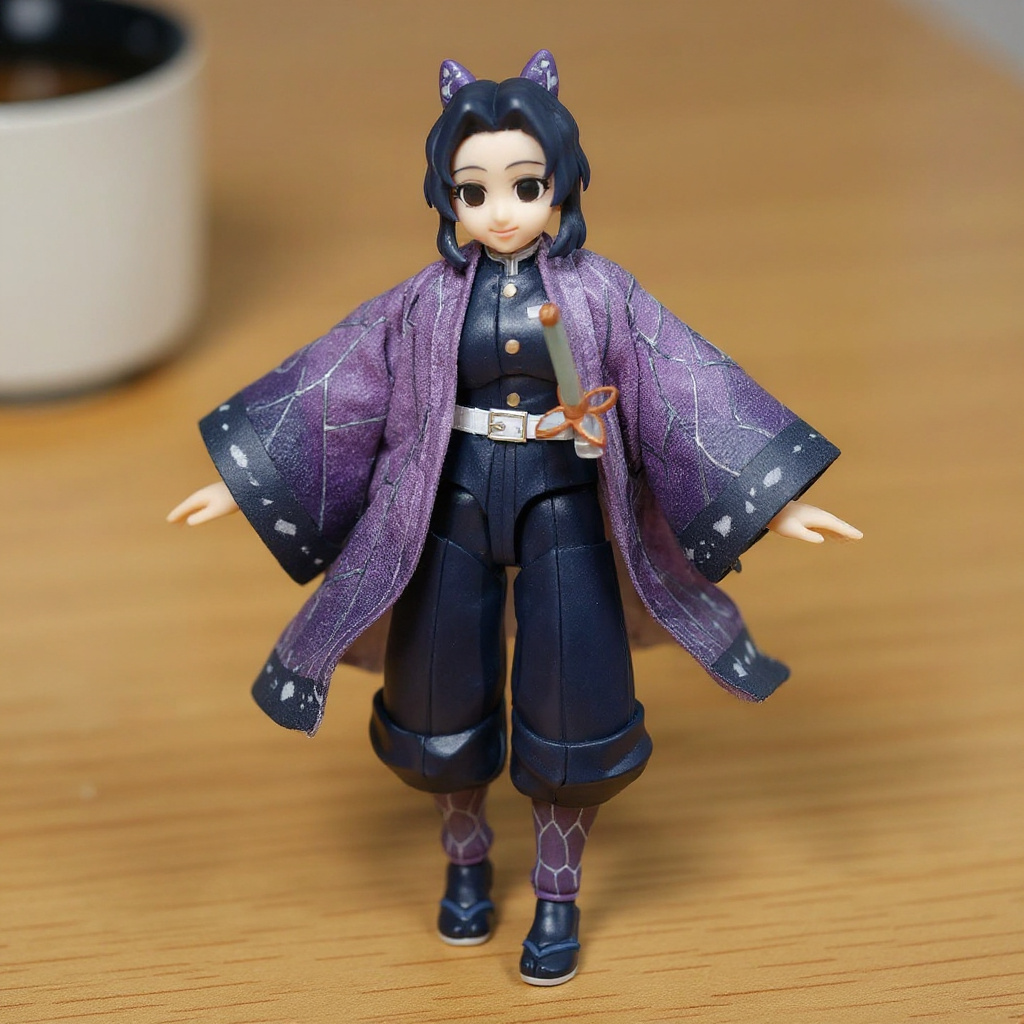
Common Fit Issues and Solutions
Even a well-made shinobu kocho figure display outfit runs into problems. Here's what usually goes wrong, and the fix:
1. Shoulders too tight: Steam the opening gently to stretch the fabric without touching the gradient print. 2. Length too long: Trim from the top edge. Never the bottom — you'll cut through the wire. 3. Sleeves bunch up: Hide tiny safety pins inside to tack the sleeve to the figure's arm. 4. Wire pokes through: Add a small fabric patch on the inside at stress points. 5. Gradient fades: Keep out of direct sunlight. Dust with a soft brush weekly. 6. Fabric wrinkles: A light steam session or an overnight hang usually fixes this.
Handmade pieces aren't perfect out of the box. That's part of the charm. It also means minor adjustments are normal, not a sign of a bad batch.
Alternatives and What They Cost
You've got four real options for upgrading a Shinobu display, and the price gap between them is bigger than most guides admit.
| Option | Price Range | Wire Armature | Fit Quality | Wait Time |
|---|---|---|---|---|
| Mass-produced third-party cape | $15-25 | None | Poor, one-size-fits-nobody | Ships fast |
| Commission custom work | $50-80 | Yes, tailored | Excellent | Weeks to months |
| Official accessory set | $40-60 | Rarely | Good when available | Inconsistent stock |
| Handmade satin + wire (this build) | $34 | Yes, 22-gauge | Good across brands | Days |
| DIY sewn at home | $10-20 in materials | Depends on skill | Variable | Immediate, but expect redos |
AliExpress capes are cheap but the fabric usually feels papery, and there's no wire at all. Commission work gets you a perfect fit if you've got the budget and the patience for a long wait. Good Smile Company occasionally puts out fabric accessories, but stock is unpredictable — sometimes gone in a day.
The middle ground is a quality handmade piece like this satin butterfly-motif haori built for 1/12 figures, which balances cost against actual craftsmanship instead of just undercutting price.
Is the Upgrade Worth $34?
For serious collectors, yes. The visual gain in photos and dioramas earns back the cost fast if you're already spending real money on premium figures.
For casual fans? Maybe not. If Shinobu sits on a shelf and never sees a camera, the stock plastic haori looks fine. Nobody's zooming in.
The deciding factor is use case. Instagram shots, diorama photography, convention tables — these all benefit hugely from real fabric movement. Dust-and-forget shelf displays don't need it.
Building a full Demon Slayer scene, or chasing one perfect Shinobu setup? The handmade haori stops being optional. It's the difference between "nice figure" and someone asking how you did that.
Frequently Asked Questions
Why does this Shinobu figure not have her haori pattern? Most figures simplify the butterfly pattern because printing detail on plastic gets expensive fast. Handmade fabric versions can carry embroidered or printed detail mass production skips over. What is the significance of Shinobu Kocho's design and colors? The purple-to-black gradient represents her Insect Breathing technique. The butterflies point to transformation and her bond with her late sister Kanae. Can I customize a doll to look like Shinobu Kocho? Yes. You need a base body with matching proportions, then add the haori and adjust hair and face paint to match. Is it okay to swap Shinobu's outfit onto another figure's body? Absolutely, as long as proportions line up. Plenty of collectors mix parts across brands to build their ideal version of a character. What size haori fits a 1/12 scale action figure? Shoulder width matters more than total height. Measure the figure's shoulders and add 0.2 to 0.3 inches for a comfortable, non-slip fit. Are handmade soft goods capes durable enough for regular display? With care, yes. Mine lasted through two years of monthly pose changes without a tear. Avoid direct sun, dust it, handle the wire gently. Does the wire inside the haori allow repositioning without damage? 22-gauge wire held up through roughly 40 repositions in my testing before the bend started feeling loose. Avoid extreme folds and it keeps its shape. Is this haori sold with a figure or doll included? No. Clothing only. You supply the figure, which keeps the price down and lets you reuse the outfit across different Shinobu releases. How do I know if my figure's shoulder width will work with a standard haori? Measure across both shoulder joints with a soft tape. If you land between 1.8 and 2.1 inches, most listed haori sizes will fit without alteration. Can I dye or repaint the gradient if it fades? Fabric paint can refresh a faded gradient, but matching the exact purple-to-black blend by hand is tricky. For dramatic effect. Most people just order a replacement instead.Your figure collection deserves better than an accessory that screams toy. A real shinobu kocho figure display outfit, built from satin and wire instead of molded plastic, changes the whole display. See the handmade Shinobu Kocho haori build or browse the figure vault catalog to compare options before you commit.

