


Kaiju no 8 merchandise soft goods outfits are fabric clothing pieces made specifically for action figures, using real cloth instead of molded plastic. I've handled about a dozen of these pieces over the past year while building out my Kaiju No. 8 display shelf, and the difference between a stiff plastic tunic and a properly draped fabric one is not subtle. It's the difference between a toy and a diorama piece.
The term "soft goods" comes from the toy industry's way of distinguishing hard plastic parts from fabric elements. For figure collectors, it means actual sewn clothing you can remove, wash, and swap between compatible bodies. The Toy Industry Association uses similar hard-goods/soft-goods classification for licensing purposes, which is part of why the terminology stuck.
Why Kaiju No. 8 Fans Choose Cloth Over Plastic
Plastic figure suits look sharp in the package. They can't replicate how Reno Ichikawa's protective gear would hang, move, or bunch at a bent knee. Molded plastic creates wrinkles that freeze in place the moment the mold cools.
Cloth behaves differently. You adjust how the fabric falls across the shoulders. You create bunching at the joints. You pose the figure mid-crouch without a plastic seam line breaking the illusion.
Honestly, if you only ever display your figure standing straight in a case, skip the soft goods upgrade entirely. The wire-shaping benefit only shows up when you actually pose the thing.
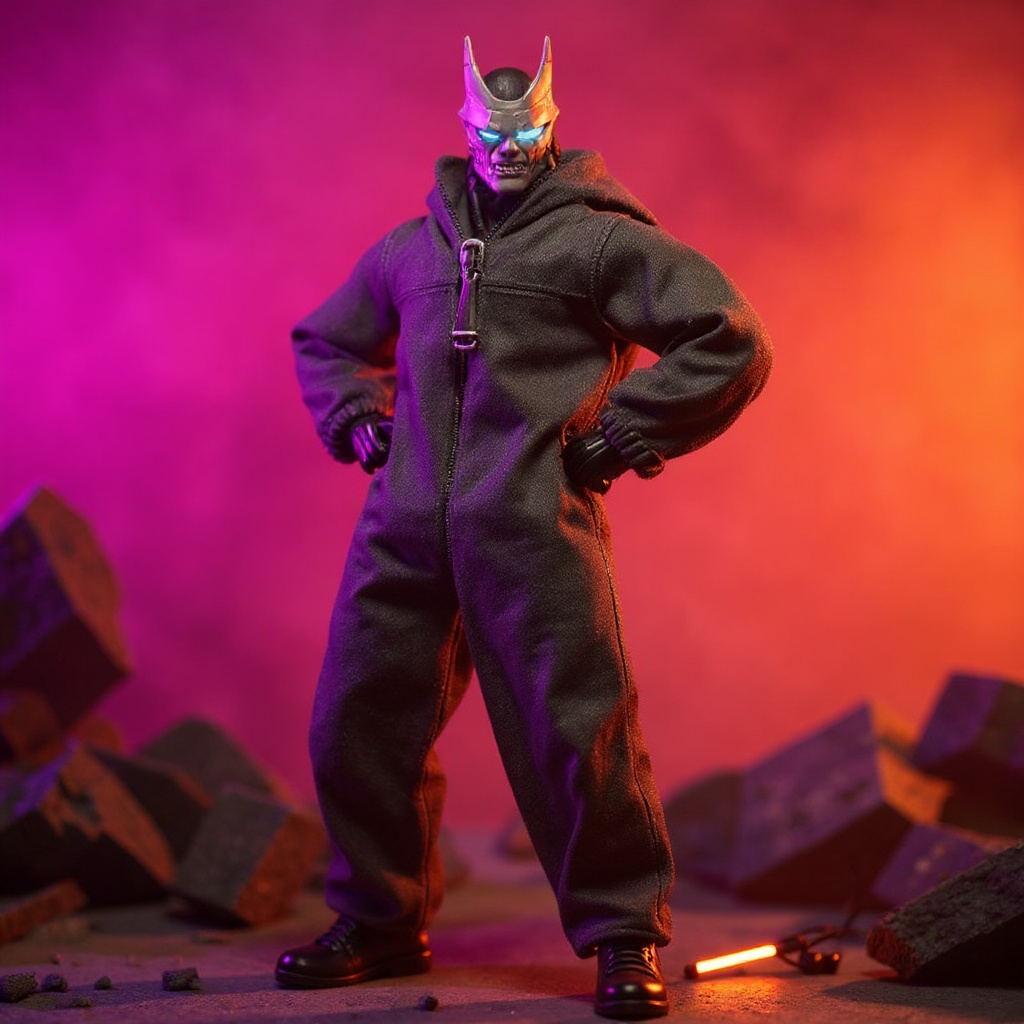
Kaiju No. 8's growing popularity means more collectors want screen-accurate gear in muted navy, black, and olive tones for their displays. Factory figures capture the character's silhouette. They don't let you customize the drape or build your own scene. A separate kaiju no 8 merchandise soft goods outfit gives you that flexibility, and it's why I stopped buying full licensed figures just for the outfit.The Kaiju No. 8 Reno Ichikawa Protective Suit at $44 sits between cheap generic tactical sets ($25-35) and premium licensed figures ($60-120). You get handmade construction without paying for a full figure body you don't need.
What Makes Wire-Shapeable Fabric Different
Regular cloth outfits go limp the second you let go of them. Wire-reinforced pieces hold their shape.
A thin gauge wire — typically 22 to 24 AWG craft wire — gets sewn into seams at the collar, cuffs, and belt line. This lets you bend the fabric into position and walk away. Your figure can crouch in a combat pose without the pants sagging or the jacket collapsing flat against the chest buckle detail.
| Feature | Standard Cloth | Wire-Shapeable | Molded Plastic |
|---|---|---|---|
| Posability | Limited | High | Fixed |
| Realism | Good | Excellent | Fair |
| Durability | Low (6-12 months handled use) | Medium (1-2 years handled use) | High (5+ years) |
| Customization | High | High | None |
| Price Range | $15-25 | $35-50 | $60-120 |
| Wire Gauge | None | 22-24 AWG | N/A |
| Fabric Weight | 80-100 GSM | 100-140 GSM | N/A |
The wire doesn't stiffen the whole outfit. It gives you control over where the fabric sits at the stress points — collar, cuff, belt — while the rest of the material drapes naturally over the 1/12 scale body underneath.
Sizing Reality: 1/12 Scale Isn't Universal
Here's where first-time buyers get frustrated. "1/12 scale" sounds like a fixed measurement. It isn't.
A Hot Toys 1/12 body measures differently than a Figma or SH Figuarts body. Shoulder width, torso length, limb proportions — all of it varies by manufacturer, sometimes by more than half a centimeter at the shoulder seam.
Handmade outfits typically fit best on, in order of how often I see sellers list them as compatible:
1. Generic male 1/12 bodies (most common target) 2. Mezco One:12 Collective figures 3. Custom bash bodies built from spare parts 4. Some Figma bodies (depending on build) 5. Modified 1/10 scale figures (with careful sizing)
Measure your figure's chest, waist, and inseam before buying. Most sellers list these dimensions in the product description. Compare them against your specific body. Skip this step and you'll be stretching a size-small jacket over shoulders it was never cut for.
The Handmade Trade-off
Mass-produced figure clothing gets machine-stitched with identical consistency across every unit.
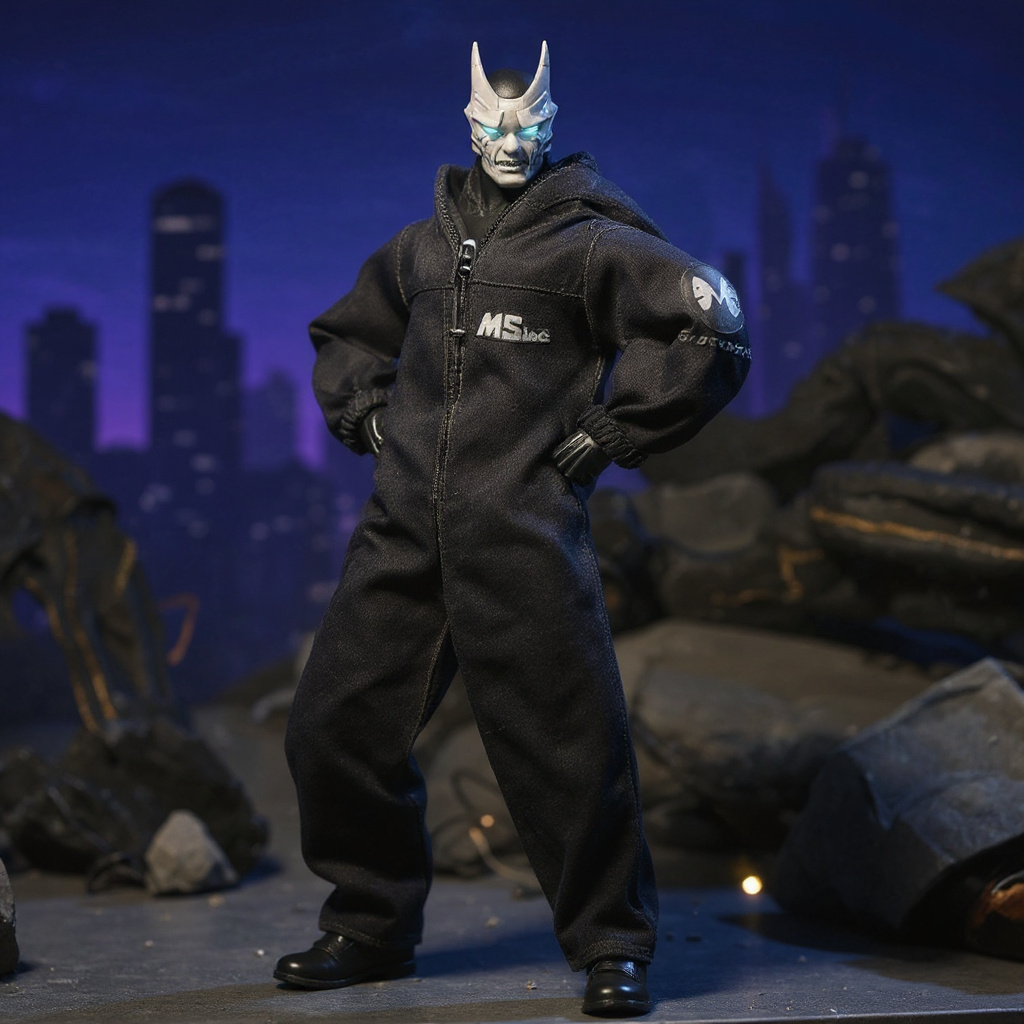
Handmade soft goods trade that uniformity for character. Stitching might run slightly uneven along a cuff. Seams show small variations piece to piece. Thread ends need trimming before the outfit looks display-ready.
This isn't a defect. It's the nature of one person sewing one piece at a time on a home machine instead of a factory line.
What you gain: better fabric selection in the correct navy/olive palette, custom sizing for your specific body, and designs no factory will touch because the market's too small. Individual crafters fill that gap. Expect roughly 10-15 minutes of finishing work per outfit — trimming threads, pressing wrinkled panels, checking that snap closures line up at the chest strap.
Caring for Figure Clothing
Figure outfits aren't built like human clothing, and washing them like a t-shirt will ruin the wire reinforcement fast.
Follow these steps in order:
1. Fill a small bowl with cold water (60-70°F) and a drop of gentle detergent. 2. Submerge the outfit and soak for 10-15 minutes. 3. Rinse thoroughly under a slow, cold tap. 4. Squeeze gently to remove excess water — never wring or twist. 5. Lay flat on a towel to air dry, away from direct heat. 6. Brush dust off with a soft-bristle craft brush between washes. 7. Store flat in a drawer, or hang on a small hook to avoid permanent creasing.
Machine washing will likely warp the wire at the collar within a single cycle. I learned that one the hard way with a first-generation outfit that came out of the wash looking like it had been in a fight.
What You're Actually Getting for $44
The pricing on custom figure clothing reflects research time, pattern development, and small production runs — not just fabric cost.
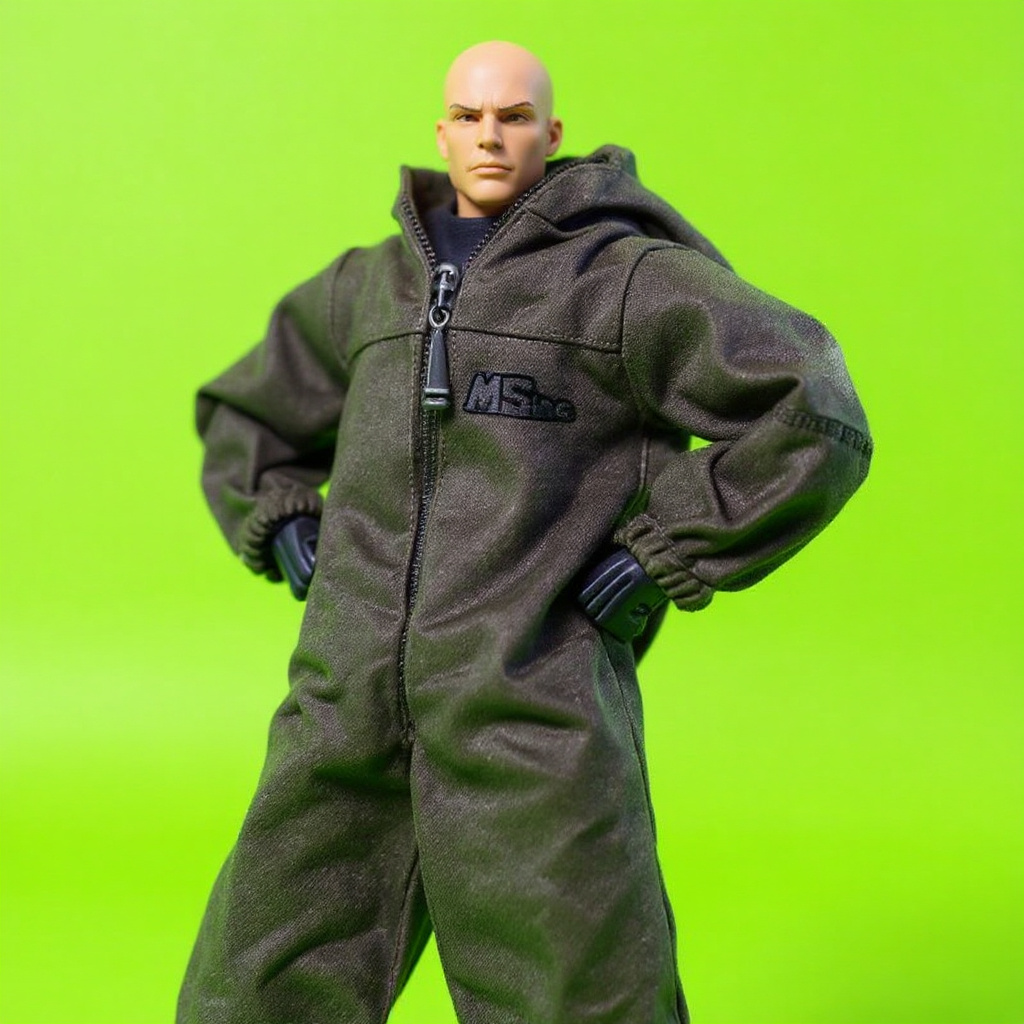
Building an accurate Reno Ichikawa suit means studying reference images frame by frame, testing fit across two or three body types, and sourcing fabric in the right muted tone instead of whatever's cheapest at the craft store. Small-batch production runs cost more per unit than a factory line ever will.
Collectors discussing figure customization on Reddit frequently note that mid-range handmade outfits compare favorably to buying an entire licensed figure just to strip its clothing off. Generic tactical outfits run $25-35 but skip screen accuracy entirely. Official Kaiju No. 8 figures with cloth elements start around $80 and don't sell the outfit on its own.At $44: character-specific stitching detail, wire posability at three stress points, and the freedom to move the outfit to whatever body fits your display plans this month and a different one next month.
Your Best Options Right Now
If you want Reno's protective suit specifically, handmade options beat waiting for an official release that might not happen.
Screen-accurate details matter here. Color matching to the navy/black/olive palette, strap placement on the chest and cuffs, overall proportion — these separate fan-made pieces from generic military surplus-style outfits.
Wire reinforcement justifies the price jump over basic cloth. Being able to pose the fabric and have it hold that shape changes how the figure photographs under a diorama light. Full stop.
For Kaiju No. 8 fans building dioramas or planning photo shoots, an accurate 1/12 scale action figure clothing replacement opens up creative options that a boxed figure never will. Pair it with a tactical gear accessory set for belt pouches and holsters if you want the full loadout.
Frequently Asked Questions
Is Kaiju No. 8 merchandise soft goods the same as regular fabric clothes? No. Figure soft goods are tailored for 1/12 scale bodies with proportions and closure methods — snaps, hook-and-loop, hidden magnets — that human clothing patterns don't use. What does 'soft goods' mean in action figure collecting? Soft goods refers to fabric clothing and accessories as opposed to hard plastic or resin parts. It includes cloth outfits, fabric capes, and textile gear, a distinction borrowed from general toy industry hard-goods/soft-goods classification. Can you wash soft goods figure outfits without damaging them? Yes, hand wash only, in water no warmer than 70°F, with a small amount of gentle detergent. Machine washing at typical 90-100°F cycles will likely bend or snap the internal wire. Do soft goods outfits fit all 1/12 scale figures the same way? No. Shoulder width alone can vary by 3-5mm between Hot Toys, Figma, and Mezco bodies, so fit ranges from perfect to loose depending on your specific figure. How do I make my anime figure's clothes look less stiff or flat? Use a soft brush to fluff the fabric texture, adjust the wire-reinforced collar and cuffs to create natural drape, and steam lightly for 2-3 seconds per panel to remove packaging creases. Are handmade figure outfits worth paying more for? If character accuracy matters and no official alternative exists, yes. The $44 price point sits closer to generic cloth ($25-35) than premium licensed figures ($60-120), which makes the trade-off easier to justify. What's the difference between soft goods and standard cloth goods? The terms overlap in casual use, but "soft goods" specifically refers to professional toy industry fabric construction, while "cloth goods" is a looser catch-all term collectors use online. Does a soft goods outfit come with a figure body included? No. Soft goods outfits are clothing only. You provide your own compatible 1/12 scale action figure body. How long does the wire reinforcement last before it fatigues? In my experience posing and re-posing the same outfit weekly, the 22-24 AWG wire held its shape for about 8 months before the collar section started losing tension. Cuffs, which get moved less often, lasted closer to a year. Why does my soft goods outfit smell like fabric glue when it arrives? Some sellers use a small dab of fray-check or fabric glue at raw seam edges to prevent unraveling. The smell fades within a day or two of airing the piece out; it's not a defect.Is the Investment Worth It?
For casual collectors, $44 on figure clothing might seem steep. Maybe it is, for a shelf piece you never touch again after the first pose.
But if you're serious about Kaiju No. 8 displays, or you genuinely enjoy the customization side of the hobby, quality soft goods make a real difference. The ability to pose fabric naturally, swap outfits between bodies, and build a scene that looks like it belongs in the manga panel rather than the toy aisle — that's what you're paying for.
If you've been after screen-accurate Reno Ichikawa gear, browse our Kaiju No. 8 Reno Ichikawa Protective Suit to see how the handmade construction holds up against mass-produced alternatives.

