


How We Built This Comparison
Straight talk first. This guide draws on published fabric specs, manufacturer and retailer listings, and the construction of the one outfit we sell in this category. It does not rest on lab testing. We have not run hundreds of figures through a cycling machine, and we won't pretend otherwise.
Five criteria drive the soft goods vs plastic armor action figure comparison: scaled thickness, pose recovery, surface detail, handling wear, and cost over time. You can check the first one yourself in two minutes with a $15 pair of digital calipers and a fabric swatch. Multiply the reading by 12. The result is how thick that cloth would look on a real person.
A 0.15 mm cotton lawn becomes 1.8 mm, which reads as a light shirt. A 0.3 mm quilting cotton becomes 3.6 mm, close to a wool coat. A 1 mm craft felt becomes 12 mm. Wearable? Not on a figure about 6 inches tall.
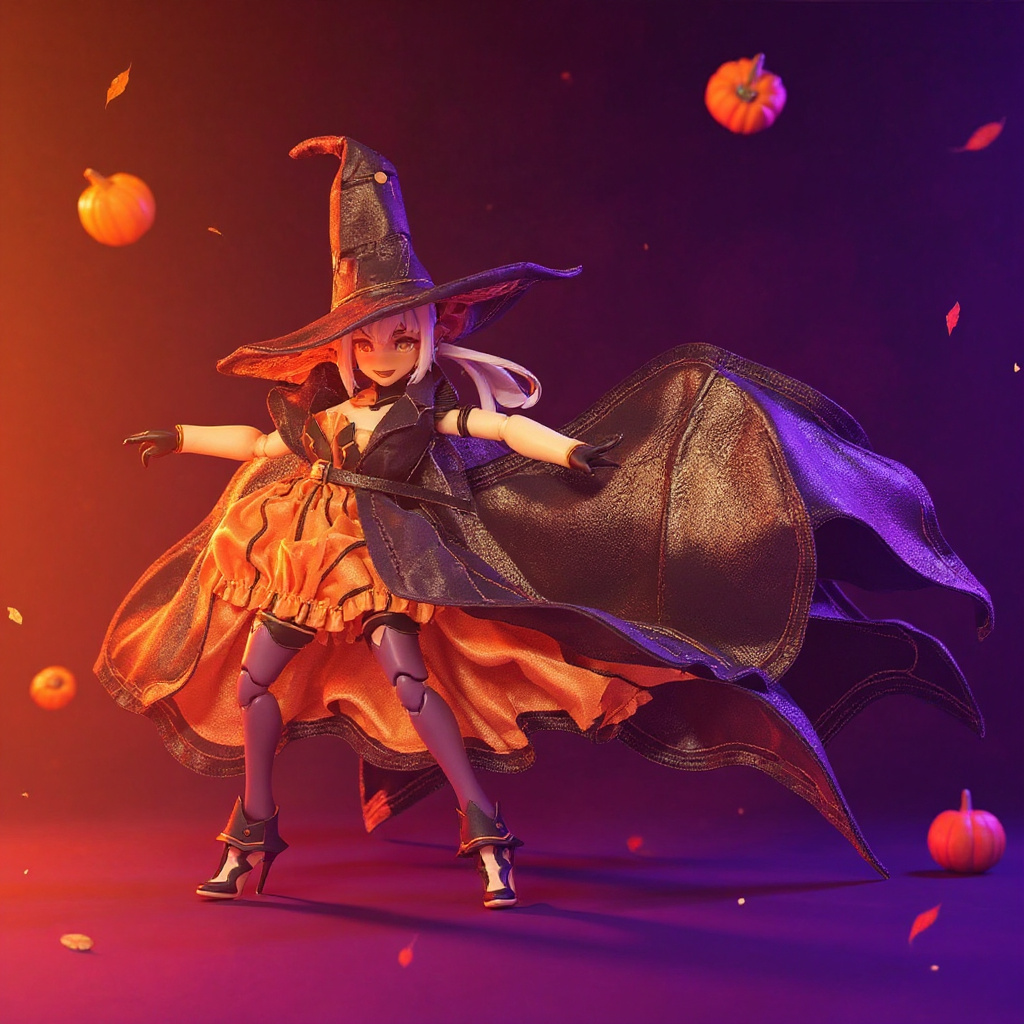
Soft Goods vs Plastic Armor Action Figure Comparison Table
The table below compares typical 1/12 scale pieces. Price ranges reflect listings checked in June 2025 and shift often, so confirm before you buy.
| Feature | Soft goods (fabric outfits) | Plastic armor (molded parts) |
|---|---|---|
| Scaled thickness | 0.15-0.3 mm cloth looks right; above 0.5 mm looks padded | Shell walls of 1-2 mm are normal and invisible at scale |
| Pose drape | Folds and wrinkles follow the joints; wire holds the shape | Rigid; moves only through gaps and hinges |
| Fine detail | Stitching, layered panels, woven texture; rivets blur | Sharp rivets, vents, and panel lines |
| Handling wear | Seams loosen, edges fray, wire fatigues at repeated bends | Paint rubs; thin tabs can stress-whiten or snap |
| Typical price | $30-60 factory-made; $80-100+ handmade (the example below is $94) | $15-60 for armor or accessory sets |
| Upkeep | Lint roller, soft brush, spot cleaning, UV shielding | Damp cloth and mild soap |
Why Soft Goods Change the Posing Game
Cloth reacts to the body underneath it. Bend an elbow and the sleeve bunches at the crook, then stretches taut along the forearm. Plastic can't copy that. It can only suggest it.
Soft goods carry a cost at 1/12 scale. Loose fabric collapses into something that looks like a miniature bedsheet. Structure fixes this: lined panels, interfacing, or thin wire sewn along the seams so a skirt flares where you want it and stays there.That is the logic behind a pumpkin-orange and black outfit built from layered cloth panels. Each panel sits over the next, so the black underlayer shows through at hem and cuff while the orange carries the silhouette. Visible stitching marks every panel edge. Subtle wire outlines under the fabric let you shape a collar, a sash, or a hem into a pose and leave it there.
The trade-off is time. After each pose change you smooth folds, nudge a seam, and reset a flare. Thirty seconds, maybe a minute. Fine for a monthly display refresh. Tedious if you re-pose daily.
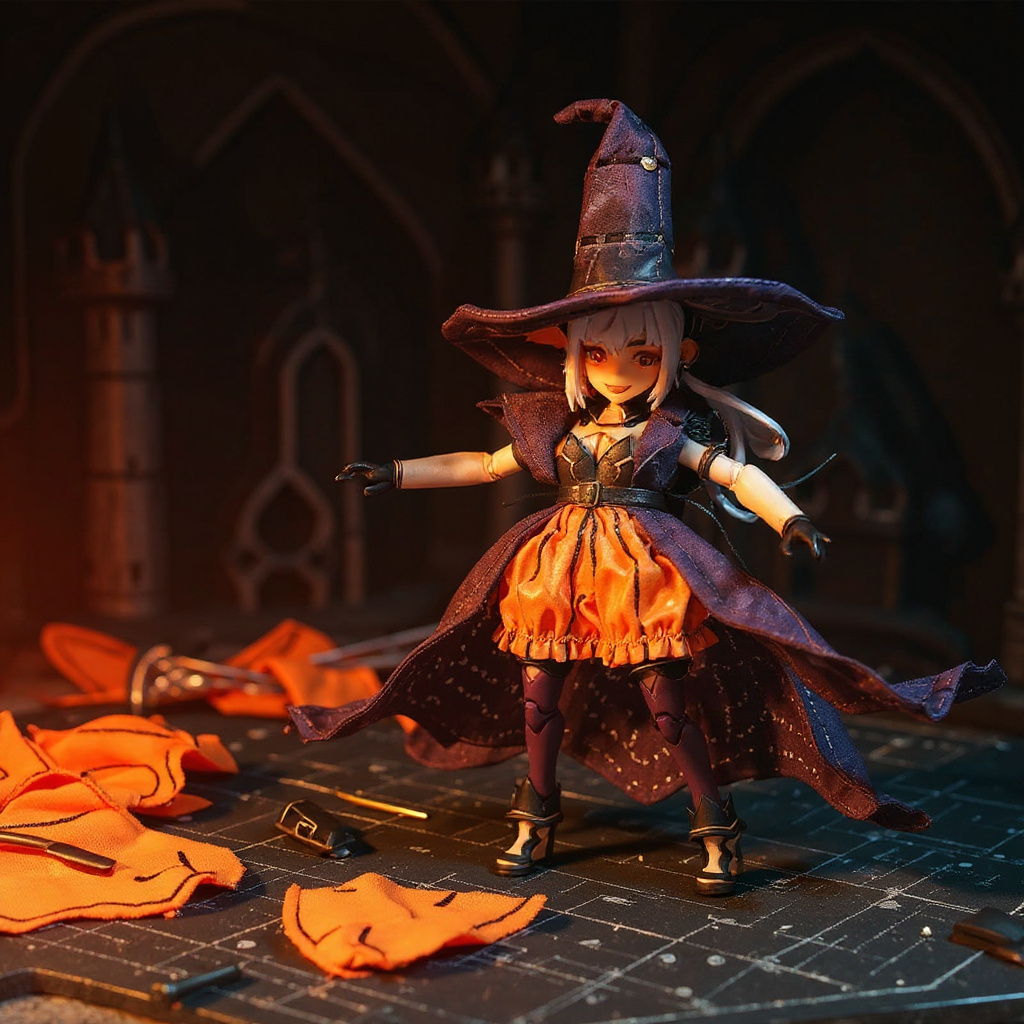
Where Plastic Armor Wins
Hard plastic holds mechanical detail that thread cannot. Rivets, panel gaps, vents, and shoulder pauldrons stay sharp for years. For a mecha-girl figure with heavy gear, that detail carries the character.
Plastic also survives handling. You can pose a hip joint ten times in a minute and the armor plate won't care. A fabric skirt would.
Fit is the other advantage. Injection-molded parts come out of the same steel mold every time, so a pauldron clicks onto the same peg on every copy. Hand-sewn outfits vary by a millimeter or two between pieces, and at this scale a millimeter shows.
Where plastic loses is flow. Capes, skirts, sashes, and wraps molded in plastic look frozen, because they are.
The Brand Gap: Mezco One:12 and Marvel Legends
Mezco One:12 Collective figures ship with tailored fabric clothing and are listed around the $80-100 mark at major retailers. Standard 6-inch Marvel Legends figures from Hasbro have sat in the mid-$20s to about $30 in recent years, and most rely on molded plastic, with fabric limited to a few capes and similar pieces.
Our read: at a $25 price, there is little budget left for thin fabric and careful tailoring, so soft parts on mass-market figures tend to run thick. At $90, a maker can afford finer weaves. That is an opinion drawn from comparing listings, not a lab finding. Check close-up photos of the cloth edges before you buy.
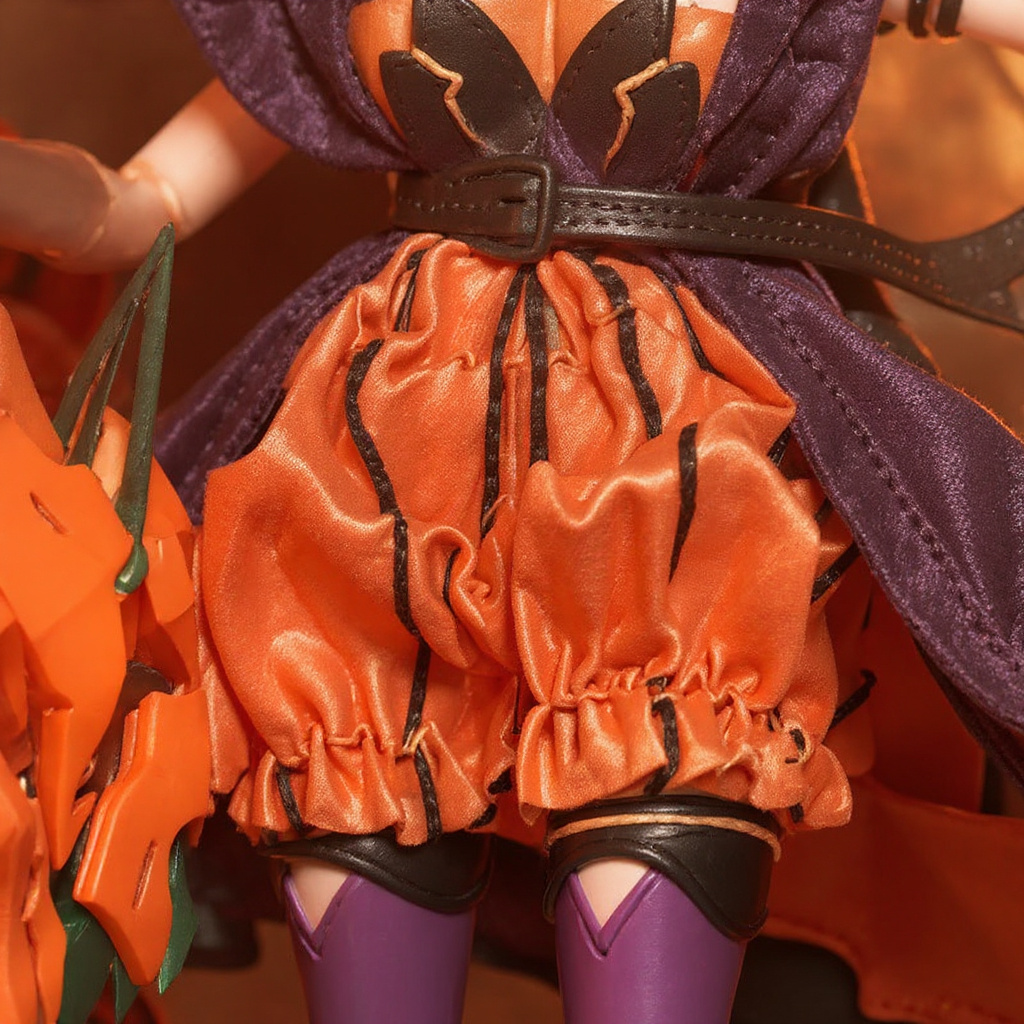
Mixed Materials Often Beat Either Extreme
Many of the best displays split the job. Plastic handles the structural parts: chest armor, gauntlets, weapons, boots. Fabric handles the parts that should move: skirts, capes, sashes, and wraps. Each material does what it does best, and neither has to fake the other's job.
How to Choose: 5 Steps
1. Count your re-poses. If you change a figure's pose more than once a week, lean toward plastic armor. If you set a display and leave it for a month, soft goods are fine. 2. Check your room. Measure humidity with a $10 hygrometer. Sustained readings above 60% invite mildew on cloth. 3. Measure the fabric. Ask the seller for the cloth thickness in mm, or measure a swatch. Stay under 0.3 mm. 4. Look for structure. Wire outlines, lined panels, or interfacing mean the outfit will hold a silhouette. 5. Assign roles. Pick fabric for the hero figure you photograph, and plastic for the armor-heavy figures behind it.
Care: Reposing and Storing a Wire-Reinforced Outfit
Honestly, if you live in a humid climate and can't run a dehumidifier, skip fabric outfits entirely. Mildew spots on orange cotton don't come out. Plastic armor just doesn't care.
If your room passes the test, follow these steps:
1. Clean your hands and run a lint roller over the cloth. 2. Pose the body's joints first, then shape the fabric. 3. Bend the inner wire in a broad curve, never a sharp crease. Move the bend point each time, because thin wire work-hardens and can snap at a repeated fold. 4. Smooth wrinkles with a soft brush, working from the seam outward. 5. Store the figure in a closed case away from windows, with a silica gel packet inside.
Dye fade is the quiet threat. Direct sun can dull pumpkin orange within a season. Wire fatigue is the other. Beautiful, until it snaps.
Example: A Pumpkin-Orange and Black Outfit at $94
The 1/12 Scale Pumpkin Princess Mecha Girl Cloth Outfit is a handmade set priced at $94 as of June 2025. It uses layered pumpkin-orange and black cloth panels, visible stitching along each edge, and subtle wire outlines beneath the fabric for posing. It is cut for a small articulated 1/12 body.
We photograph it under warm 2700-3000K bulbs, which deepen the orange and pull texture out of the stitching. Cooler daylight bulbs flatten it. Its limits match the table: no crisp rivets, and it needs gentle handling. It is a display piece, not a toy.
Verdict
The soft goods vs plastic armor action figure comparison comes down to handling and look. Frequent posers need plastic. Collectors who photograph and rarely touch their figures get more from fabric. Most shelves do best with both.
Explore more 1/12 scale accessories at The Figure Vault, or read about the wider hobby on the action figure overview page.
FAQ
Does fabric clothing look right on a 1/12 scale figure?
Yes, if the cloth is thin. A 0.15 mm cotton lawn scales to under 2 mm life-size and reads as a shirt. A 0.3 mm quilting cotton is borderline at 3.6 mm. Felt at 1 mm looks like a rug. Measure with calipers before buying.How long does the wire inside a soft-goods outfit last?
No maker we found publishes bend-cycle counts for 1/12 outfits, so treat the wire as a consumable. Thin craft wire work-hardens and can snap at a repeated fold. Bend in broad curves, shift the bend point each pose, and avoid sharp creases to extend its life.Is plastic armor better than soft goods for a mecha-girl figure?
For mechanical detail, yes. Molded plastic holds rivets, vents, and panel lines that stitching can't match, and it tolerates frequent posing. For skirts, sashes, and capes, fabric moves more naturally. Many mecha-girl displays pair plastic armor on the torso with cloth for the flowing parts.Do pumpkin-orange fabric outfits fade?
They can. Ultraviolet light breaks down many fabric dyes, and bright oranges often show it first. Keep the figure away from windows, use a case with UV-filtering panels, and prefer warm LED bulbs for display. Avoid humid rooms too, since mildew stains cloth permanently.Why do soft goods look bad on some mass-market figures?
Usually the cloth is too thick for the scale. Thick fabric scaled by 12 looks like carpet, so it bunches at joints and hangs stiffly. Thin weaves, lining, and careful cutting fix this but cost more, which is hard to fit into a $25 retail price.Can I mix soft goods and plastic armor on one figure?
Yes, and it often gives the best result. Use plastic for structural parts like chest plates, gauntlets, and boots, and fabric for skirts, capes, and wraps. Make sure cloth edges don't catch on armor pegs, and test the pose before you leave it for weeks.How should I store a fabric outfit for a 1/12 figure?
Store it flat or on the figure inside a closed case, away from sunlight. Add a silica gel packet to control moisture, and keep the humidity below about 60%. Don't stack heavy boxes on it, since crushed wire holds its crease and the fold stays visible.Sources and Notes
- Mezco Toyz One:12 Collective product listings: mezcotoyz.com, checked June 2025. - Hasbro Marvel Legends retail listings: hasbropulse.com, checked June 2025. - Fabric thickness figures are typical ranges from fabric-store specifications. Scaled values are our arithmetic (measured mm x 12). - Prices change. Confirm at the seller before purchase.

