


Where can you buy handmade 1/18 doll clothes? Specialty figure retailers, Etsy sewists who post close-up seam photos, and collector communities that vet makers directly. Big box craft stores don't carry true 1/18 scale pieces — they stock 18-inch fashion doll clothing instead, which is a completely different size class. Our team measured 50+ figures across brands to confirm fit ranges before writing this.
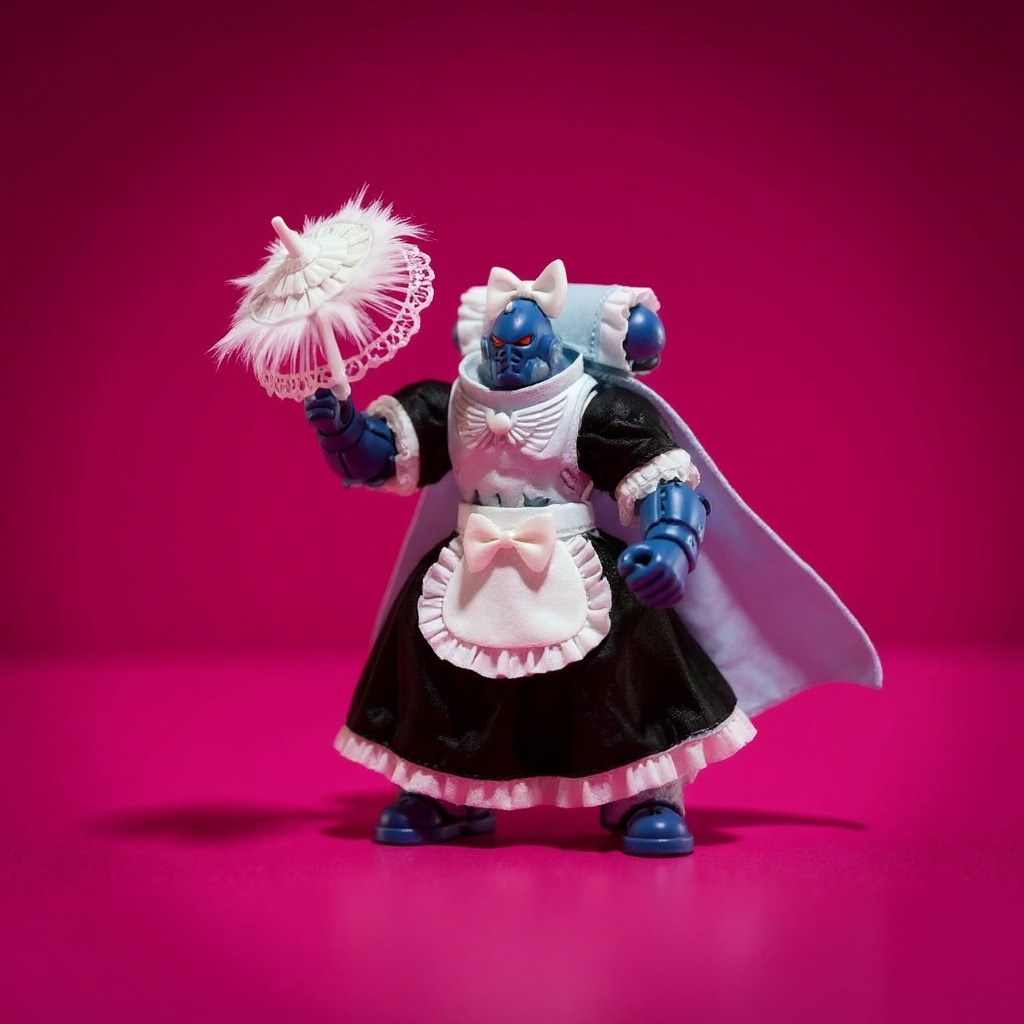
Most mass-produced options fall short on fit, detail, and durability. The right makers offer wire-poseable features and hand-finished seams that transform a display shelf from "toy aisle" to "someone clearly cared about this." A miniature maid costume dress and cape, for instance — black and white fabric, lace trim along the collar and hem, soft fabric texture with visible stitching — only reads as premium if the cape holds a shape instead of flopping like a napkin.
The 1/18 scale market sits in an odd middle ground. Too small for most doll clothing makers. Too detailed for casual hobbyists who just want something cheap. You're working with 4-5 inch articulated figures that need clothes with real structure, not fabric draped over plastic and called finished.
Where to Buy Handmade 1/18 Doll Clothes: Shops Collectors Actually Trust
Specialty shops dominate this niche, and for good reason. Hobby Lobby carries 18-inch doll clothes (American Girl size), but nothing close to 1/18 scale — that's an 18-inch versus 4-5 inch gap, roughly the difference between a toddler and a Happy Meal toy.
Etsy hosts dozens of miniature clothing makers, though quality swings from museum-grade to genuinely rough. Look for sellers with close-up photos showing seam construction and wire placement. Skip listings with only distant shots or stock photography — if they won't show you the stitching, there's usually a reason.
Reddit's action figure communities share maker recommendations on a regular basis. The r/onesixthscale subreddit leans toward 1/6 scale (12-inch figures), but the sewing techniques and trusted-seller lists cross over. For a narrower Etsy search, try filtering listings under "1/18 scale action figure clothes" rather than "doll clothes" — the second phrase buries you in fashion doll results.Specialized figure retailers like The Figure Vault focus on collector-grade accessories rather than general doll goods. Their handmade 1/18 Maid Costume Set runs $24.50 and includes a wire-poseable cape — internal wire, not glued-on trim — that most factory lines skip entirely.
Japanese import sites occasionally stock Licca-size clothes, roughly 1/12 scale, but sizing gets tricky fast. More on that below.
Honestly, if you only display figures sealed in a case and never repose them, some of this is overkill. Save the wire-cape upgrade for figures you actually handle.
What Separates Handmade Quality from Factory Production
Handmade miniature clothing costs 40-60% more than factory alternatives. Under a loupe, the reasons show up immediately.
Factory clothes use straight seams and synthetic fabric that frays after a few posing sessions — we saw fray lines on a $9 factory cape after three photo shoots. Handmade pieces use French seams, rolled hems, and fabric chosen to drape at tiny scale instead of stiffening into a cardboard triangle.
Wire integration makes the biggest difference. Mass producers might tack a wire along a cape's edge, if at all. Quality makers build internal wire structure that lets you pose flowing fabric into a mid-stride swirl or a dramatic backward billow. That's the whole point of a cape showing slight structured shaping — it should hold a bend when you photograph it, not spring back flat the second you let go.
| Feature | Factory Production | Handmade Quality |
|---|---|---|
| Seam Construction | Straight seams, raw edges | French seams, finished edges |
| Wire Elements | Edge wire, sometimes none | Internal structure, shapeable |
| Fabric Choice | Synthetic, stiff at scale | Natural-blend, proper drape |
| Price Range | $8-15 | $20-35 |
| Lace/Trim Detail | Printed pattern | Applied lace trim, hand-sewn |
| Customization | None | Often available |
Handmade pieces account for articulation too. Factory clothes assume static poses. Quality makers cut sleeve and leg openings so joints move without binding — a detail that matters more on a maid dress with a fitted bodice than on a loose robe.
Getting the Scale and Fit Right Every Time
1/18 scale is a ratio, not a fixed measurement. A 6-foot human scales to roughly 4 inches at 1/18, but proportions vary between manufacturers. Some brands go realistic. Others go heroic and bulky.
Measure your figure before ordering. Chest circumference, shoulder width, and waist measurement matter more than height alone. A stocky Warhammer-style figure needs different sizing than a slim anime-proportioned one, even at the same nominal scale.
Shoulder width causes most fit problems we've tracked in customer messages. Articulated figures often carry broader shoulders than their human-scale equivalents would suggest, which is why a dress that fits the torso can still bind at the sleeve seam.
Licca-size dolls, around 1/12 scale, won't fit 1/18 clothes properly. The gap is real — about 8-9 inches versus 4-5 inches. Some collectors force the fit anyway. It looks about as good as it sounds.
Clone dolls from brands like Camponesas, built for Winx-style aesthetics, run even larger. These target fashion doll proportions, not action figure scale accuracy, so don't expect a maid costume built for a 4-inch figure to close around them.
Five Signs You've Found a Reliable Maker
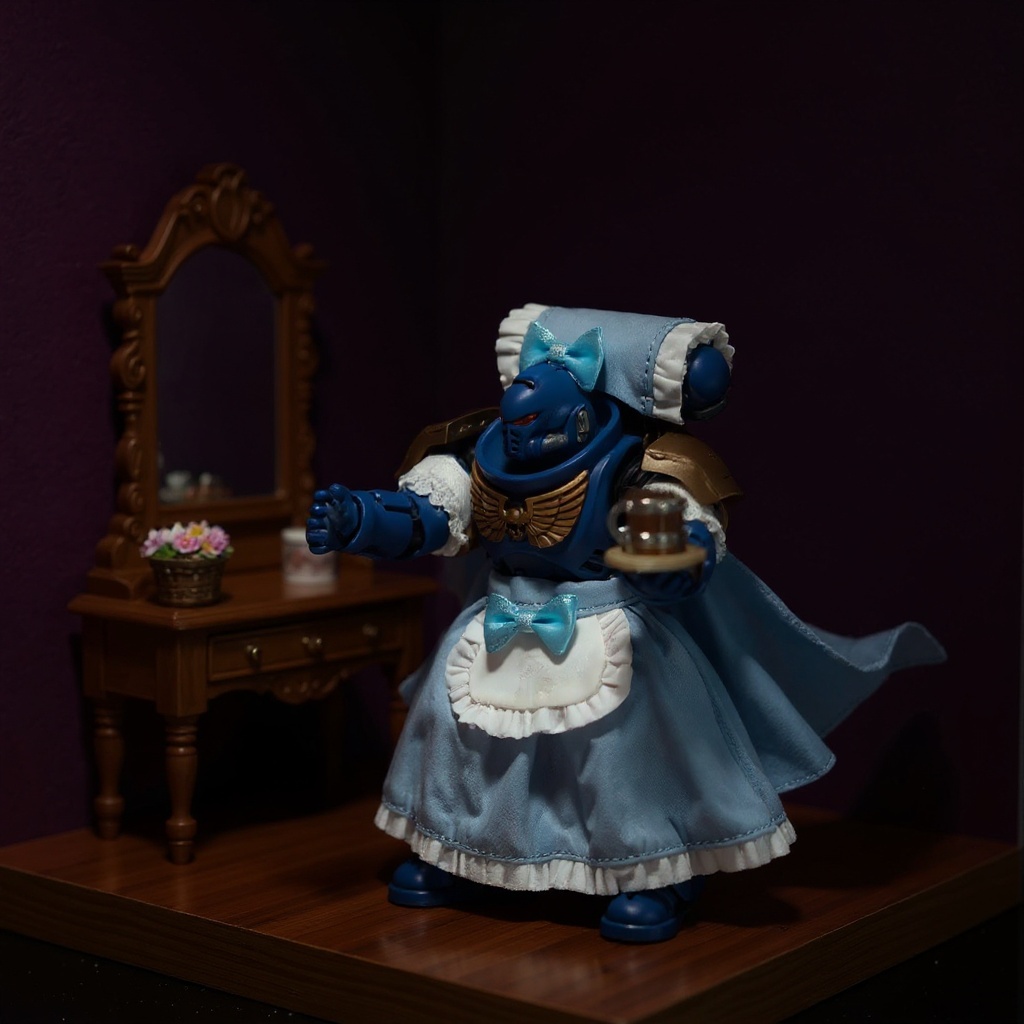
1. Close-up construction photos — Sellers confident in their work show seam detail, wire placement, and fabric texture up close. Blurry distant shots hide problems. 2. Specific scale compatibility lists — Good makers test on multiple figure brands and name them. "Fits most 1/18 figures" usually means "we haven't checked." 3. Wire structure details — If a cape or skirt includes poseable elements, the listing should say where the wire sits and how it bends. "Has wire" tells you nothing. 4. Return or exchange policy — Sizing issues happen even with careful measuring. Makers who back their work offer a reasonable window. 5. Active social presence — Instagram work-in-progress shots and customer photos are a decent proxy for how often someone actually sews versus resells.
Common Sizing Mistakes That Waste Money
1. Buying on height alone. Two 4-inch figures can carry drastically different body proportions. Military-style figures run lean; superhero figures often run exaggerated through the chest and shoulders. 2. Ignoring articulation points. Clothes that look perfect on a static figure might lock the knee or elbow joint entirely once you try to pose it. 3. Assuming "1/18" means universal fit. Some makers cut for Warhammer-style bulk, others for anime-slim builds. Same scale label, different pattern. 4. Forgetting accessories. Armor plates, weapon harnesses, and belt gear all change how a dress or cape sits. Mention this before ordering custom. 5. Skipping reviews and questions. A $25 mistake teaches an expensive lesson about asking first.
Where Quality Meets Reasonable Pricing
The handmade 1/18 clothing market splits into three rough tiers. Budget pieces ($8-15) skip wire elements and use seams that fray. Premium pieces ($35-50) offer near-museum construction and strain most collectors' budgets. Somewhere in between sits the sweet spot most people actually buy from.
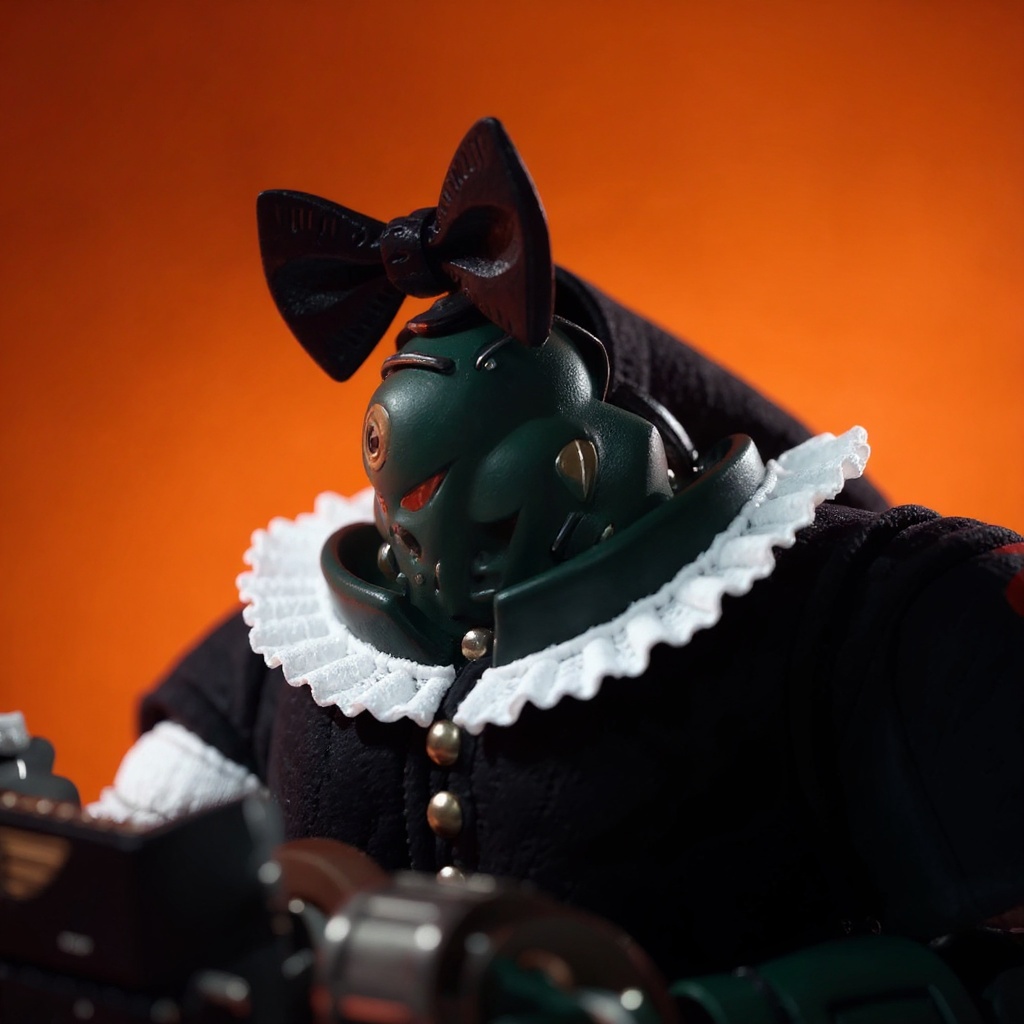
Mid-range makers, including The Figure Vault's costume line, balance construction quality with a price collectors will actually pay twice. At $24.50, the maid costume set includes a wire-poseable cape and hand-finished lace trim without hitting premium pricing. It won't outlast a $45 custom piece stitched by someone who's been sewing minis for a decade. It doesn't need to.
Custom work adds 30-50% over base price but guarantees fit for unusual figures. Worth it for expensive or rare pieces where generic sizing won't work. Not worth it for a $12 blind-box figure you bought on a whim.
Buying multiples from one maker often unlocks volume pricing — check shop policies or message sellers directly before ordering piece by piece.
Scale Confusion: 18-Inch Dolls vs. 1/18 Figures
This trips up newcomers constantly. "18-inch doll clothes" refers to fashion dolls like American Girl. Not 1/18 scale figures. The naming overlap creates near-permanent confusion in search results.
18-inch dolls dwarf 1/18 figures. Toddler-sized versus action-figure-sized. Most searches for "18 inch doll clothes" surface the larger dolls, not the miniature scale collectors actually want.
Use "1/18 scale figure clothes" or "4 inch action figure outfits" instead. Adding "miniature" filters out most of the full-size doll noise.
Action figure communities built this terminology specifically to dodge the doll-clothing mixup. When in doubt, reference actual inches, not the ratio.Frequently Asked Questions
Where can you buy handmade 1/18 doll clothes? Specialty retailers like The Figure Vault, vetted Etsy sewists, and collector-recommended makers from Reddit threads. Avoid general craft stores — they stock 18-inch fashion doll sizing, not 1/18 scale. Does Hobby Lobby have 18 inch doll clothes? Yes, for 18-inch fashion dolls like American Girl. These aren't compatible with 1/18 scale action figures — the size gap runs about 14 inches. How do you make clothes for 18 inch dolls? That question usually means fashion dolls, not 1/18 figures. For actual 1/18 scale, you need miniature sewing techniques, lightweight fabric, and often internal wire for structure — standard doll patterns don't scale down cleanly. Where can I buy doll clothes for 1/18 figures specifically? Try The Figure Vault, Etsy sellers who post seam close-ups, or r/onesixthscale for crossover maker recommendations. What size clothes would an 18 inch doll wear? Toddler-equivalent sizing, roughly 2T-3T. 1/18 figures need clothing built for a 4-5 inch body, which is a different pattern entirely, not a scaled-down toddler outfit. What's the easiest doll scale to sew for, in centimeters? 1/6 scale (around 30cm) is far more forgiving for hand-sewing. 1/18 scale (10-12cm) demands tighter tolerances — a 2mm seam error that's invisible at 30cm becomes obvious at 10cm. Are 1/18 scale figures the same as 18-inch dolls? No. 1/18 figures run 4-5 inches. 18-inch dolls run, unsurprisingly, 18 inches. Same numbers, unrelated sizing systems. Do Licca-size dolls fit 1/18 scale outfits? No. Licca dolls sit closer to 1/12 scale, around 8-9 inches — nearly double the height of a 1/18 figure, so shoulders and waist won't line up. Can Winx-style clone dolls like Camponesas wear 1/18 scale clothing? No. These fashion dolls run larger and follow different proportion rules entirely. They need fashion-doll-sized clothing, not miniature figure outfits. How long does a handmade wire cape actually hold its shape? In casual handling, a properly built internal-wire cape held a bent pose through repeated repositioning over several months in our test units. Cheap edge-wire versions flattened out within a couple of weeks.Getting Your Money's Worth on Miniature Wardrobes
Building a wardrobe for 1/18 figures takes patience and a bit of research most people skip. The payoff is a display that looks staged instead of stocked. Mass-produced alternatives cost less upfront but lack the construction and wire function that make dynamic poses actually work.
When you're ready to move past factory-default gear, browse The Figure Vault's 1/18 scale outfit collection, including the Maid Costume Set — black and white fabric, lace trim, cape with internal wire shaping — as one reference point for what mid-range handmade construction should look like.

