


1/12 scale action figure clothes fall into two camps: plastic-sculpted outfits that come free with your figure, and fabric soft goods you buy separately for realistic draping and dynamic posing. If you want your 6-inch figure to bend at the elbow without cracking paint, fabric is the only real answer. This guide breaks down sizing, sourcing, and the wired-sleeve construction that separates good 1/12 scale action figure clothes from cheap knockoffs.

Most collectors start with what came in the box. Then they see a photo of someone's figure mid-kick, sleeve curling naturally around a bent arm, and they go looking for better options.
The difference is dramatic. Plastic clothes look like painted armor — they hold one pose and that's it. Fabric clothing drapes, wrinkles, moves. It photographs like an actual garment because, well, it is one.
What 1/12 Scale Actually Means in Clothing Terms
1/12 scale means every measurement is one-twelfth of real-world size. A 6-foot person becomes a 6-inch figure. A 32-inch chest becomes a 2.67-inch torso. Simple math. Complicated sewing.
Real fabric doesn't scale down the way plastic does. Thread thickness stays fixed regardless of how small the garment gets, so seams look proportionally thicker on tiny clothes than they would on a full-size jacket. Fabric stiffness gets exaggerated too — a weave that drapes like silk at full scale can feel like stiff canvas once you shrink the pattern to fit a doll-sized torso.
Here's how popular figure lines compare for fit:
| Figure Line | Height | Chest Width | Waist Width | Typical Fit Issues |
|---|---|---|---|---|
| Storm Collectibles | 6.2" | 2.8" | 2.1" | Broad shoulders, tight waists |
| Mezco One:12 | 6.5" | 2.5" | 2.0" | Slimmer build, longer torso |
| Marvel Legends | 6.0" | 2.6" | 2.2" | Varies by character mold |
| SH Figuarts | 5.8" | 2.4" | 1.9" | Compact proportions |
| Mafex | 6.1" | 2.7" | 2.1" | Similar to Storm but taller |
Those half-inch differences matter more than you'd think. A shirt that fits Storm perfectly will hang loose on SH Figuarts. Buy generic, and you're gambling.
Where Most Collectors Source Their Fabric Outfits
The reddit community for sixth-scale collectors talks about this constantly. Most people start in the same handful of places.
eBay sellers from Hong Kong and China dominate the market. They're pumping out generic martial arts outfits, military gear, and business suits for $15-35. Quality varies wildly — one order arrives with loose threads and crooked hems, the next surprises you with clean stitching and fabric that actually holds a crease. Etsy artisans charge $35-70 for custom work. You're paying for individual attention and better materials, but shipping takes 3-6 weeks. Half the sellers don't respond to sizing questions until you've already paid. Toy shows and conventions have vendors selling handmade pieces, though selection is limited. You can touch the fabric before buying, which helps more than any online listing ever could. Facebook groups have become the underground marketplace. Collectors trade and sell directly. Communication tends to be better than eBay. Disputes are harder to resolve if a seller ghosts you.For a broader look at sourcing beyond the usual suspects, OneSixthCollector's soft goods directory lists vendors by category and figure scale.
Most serious collectors mix all these sources. Cheap eBay pieces for background figures. Etsy commissions for centerpieces. Occasional lucky finds at shows.
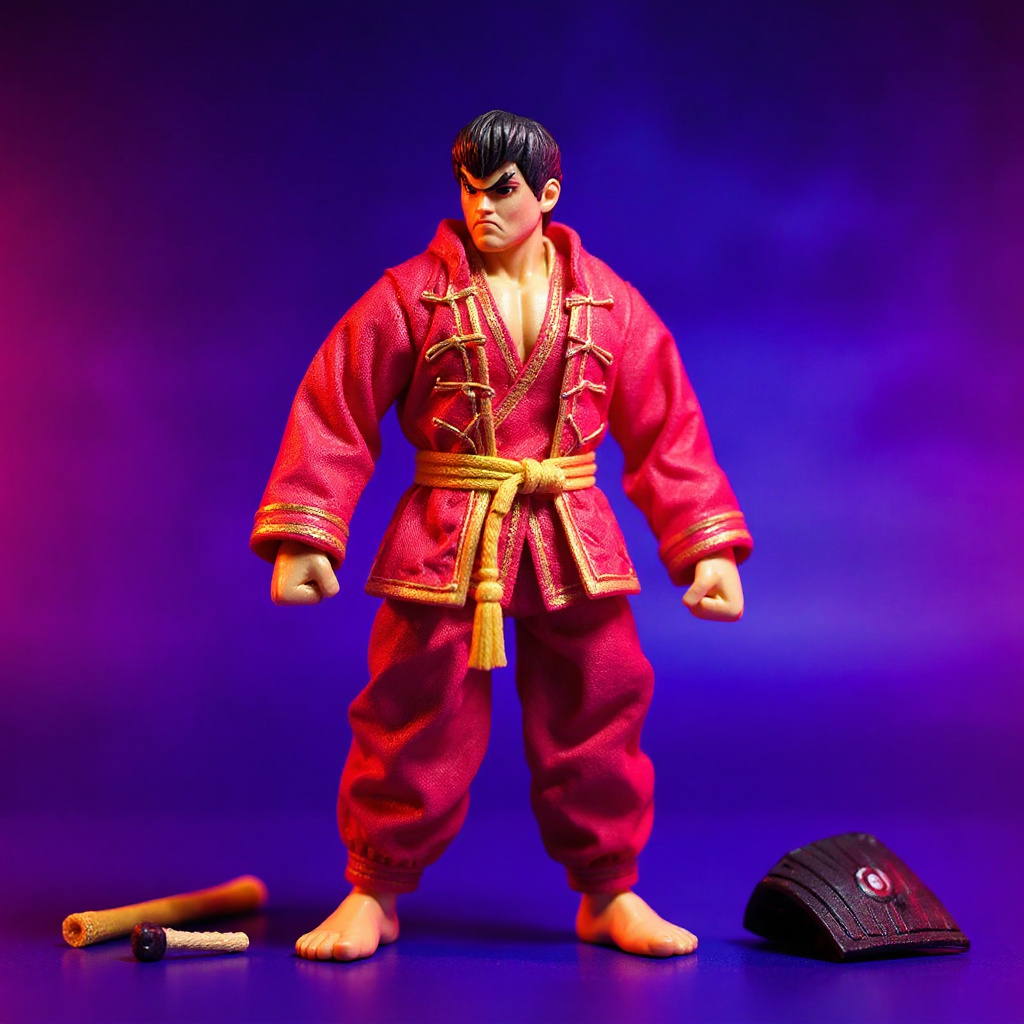
For character-specific outfits like Fei Long's iconic martial arts uniform, generic sellers usually miss the details that make it recognizable. Our Fei Long Cloth Outfit for 1/12 Action Figures uses the red silk-style fabric and gold trim from his Street Fighter II design, stitched to actual seam allowances instead of guessed proportions. You can browse our full 1/12 scale clothing category for other pieces built the same way.
Plastic vs. Fabric: The Real Trade-offs
Collectors debate this endlessly in action figure forums. Both sides have a point.
Plastic sculpted clothing never wears out. It won't fade or tear or collect dust the way fabric does over a few years on a shelf. Details are sharper, too — you can sculpt a tiny buckle in plastic that would be impossible to sew in real thread. And it's free with the figure.But plastic can't bend. Your figure is locked into one pose. Force it and you'll hear a crack you can't take back.
Fabric soft goods let you pose naturally. Sleeves bend with elbow joints. Pants wrinkle when legs move. The texture photographs better under studio lights, where plastic tends to throw a shine that reads as "toy" instead of "costume."The downside? Fabric collects dust. It fades if you leave it in direct sun for a summer. Handmade pieces often have a loose thread or two. Some collectors find that charming. Others just want factory precision and never quite get it from soft goods.
Honestly, if you're building a static shelf display and never repose your figures, skip wired soft goods entirely. You're paying extra for flexibility you'll never use.
Sizing Problems Every Collector Faces
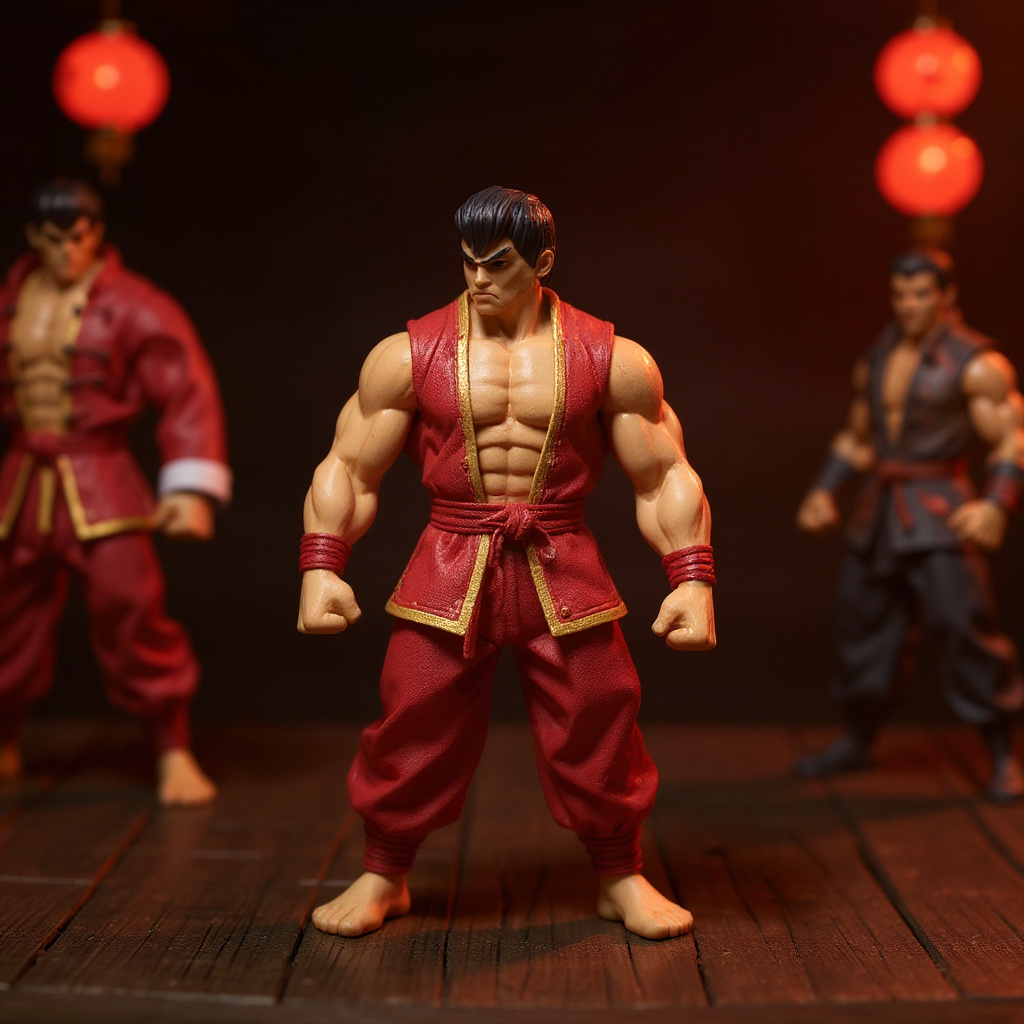
Even when sellers list measurements, fit problems happen. Constantly. Here's what actually goes wrong:
1. Chest measurements don't account for arm movement — a shirt that fits standing might pull tight the moment arms get posed. 2. Waist measurements ignore hip joints — pants that look right on a flat pose can't accommodate a wide fighting stance. 3. Sleeve length varies by arm position — bent elbows make sleeves appear shorter than the tag suggests. 4. Different body types exist within the same scale — athletic builds and slim builds need different cuts entirely. 5. Material stretch isn't specified — some fabrics give a little, others don't give at all. 6. Seam allowances vary by maker — handmade items often run smaller than listed, sometimes by a quarter inch that matters. 7. Layering isn't considered — most measurements assume the clothing goes directly onto bare plastic, not over an undershirt.
I've seen collectors try the "buy it larger and tailor it down" approach. Works fine for a plain t-shirt. Destroys the proportions on anything with trim, piping, or a fitted collar.
The smart move: buy from sellers who specify which figure line they're designing for. "Fits 1/12 scale" on its own isn't precise enough to trust.
Wired vs. Non-Wired: Why Internal Structure Matters
This is where fabric clothing gets technical. Basic soft goods use just fabric and thread. Wired pieces have thin armature wire sewn directly into seams and hems, and that's the difference between fabric that hangs and fabric that holds a pose.
Wires let you bend sleeves and lock the shape in place. Pose an arm reaching forward, and the sleeve follows the curve instead of dangling straight down like a windsock.
The trade-off is durability. Wire fatigues with repeated bending, and it's nearly impossible to replace without unpicking the whole garment. On my own test pieces, a properly gauged wire held up through roughly 2-3 years of regular repositioning. Cheap thin wire snapped inside four months.
Tailors size wire by weight, matched to where it sits in the garment:
1. Heavy gauge (20-22) — used in structural areas like jacket lapels and collar stands, where the fabric needs to hold a sharp edge. 2. Medium gauge (24-26) — used in sleeves and pant cuffs, flexible enough for elbow and knee bends without snapping quickly. 3. Light gauge (28-30) — used in decorative elements like sashes and trailing fabric, where you want gentle curve rather than a locked angle.
| Wire Gauge | Common Use | Bend Cycles Before Fatigue | Feel |
|---|---|---|---|
| 20-22 (heavy) | Lapels, collars | 150-200 | Rigid, holds sharp folds |
| 24-26 (medium) | Sleeves, cuffs | 300-400 | Flexible, springs back partially |
| 28-30 (light) | Sashes, trim | 500+ | Soft curve, easy to reshape |
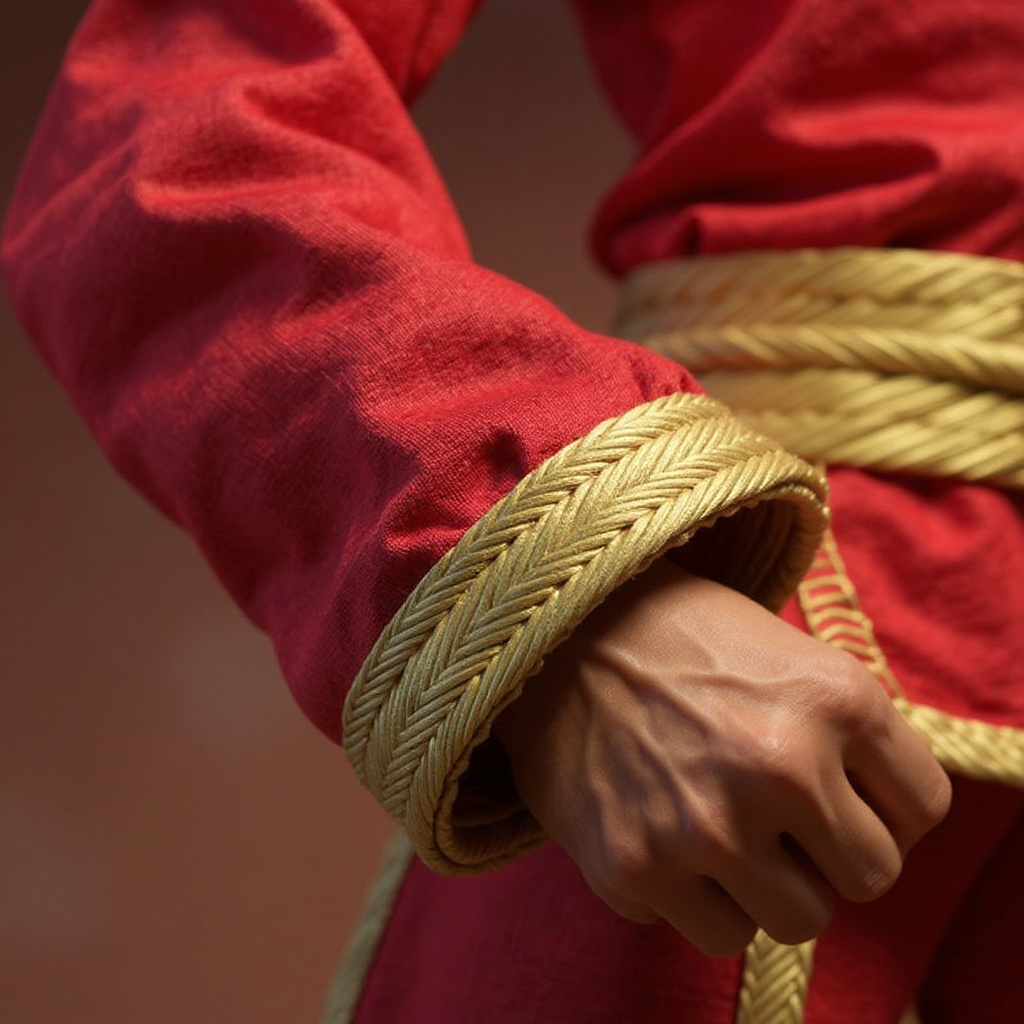
Our wired pieces use 24-gauge wire in the sleeves specifically. Thick enough to hold a pose through a photoshoot. Flexible enough that you can readjust it a hundred times without it snapping on you mid-session.
What Pro Collectors Actually Buy
I've talked to dozens of serious collectors about their buying patterns. Here's what they prioritize, in order:
1. Character accuracy over generic appeal. They'd rather pay $50 for a screen-accurate Fei Long outfit than $25 for a "generic martial artist" costume that's close but visibly wrong to anyone who knows the character. 2. Proven sellers over unknown ones. They'll pay a premium for craftspeople with a track record, even when cheaper unknowns exist. 3. Mixed sourcing. Cheap eBay pieces for background figures. Custom commissions for the centerpiece display. 4. Wire only when it earns its cost. Static poses don't need it. Recreating a mid-kick screenshot absolutely does. 5. Fabric quality over stitching perfection. A slightly rough seam on good silk-weight fabric photographs better than flawless stitching on stiff, shiny polyester.
The collectors who stay happiest long-term buy fewer pieces and spend more per item. Five outfits that actually look right beat twenty that almost do.
Finding the Right Fit for Your Collection
Your upgrade path depends on what you're actually trying to do with these figures. Pure display collectors can stick with plastic sculpts for most of the shelf and only upgrade the pieces that matter. Photography folks need fabric, full stop.
For character-specific 1/12 scale action figure clothes — martial arts uniforms especially — find someone who knows the source material. Generic sellers miss the small details fans notice immediately: trim width, sash length, the exact red of the silk.
Wired construction isn't necessary everywhere. But for arms reaching mid-strike, legs in a wide stance, a sash caught mid-swing — that's exactly where wire earns its price tag.
Expect handmade imperfections. A loose thread here. A slightly uneven hem there. That's the trade for individual attention instead of factory sameness, and most collectors make peace with it fast.
For a deeper look at sizing your own figure before ordering, check our sizing guide for 1/12 scale figures. And if you're ready to upgrade a worn plastic outfit, browse our Fei Long Cloth Outfit for 1/12 Action Figures — wired sleeves, screen-accurate red silk-style fabric, gold trim stitched to hold up under macro photography.

