


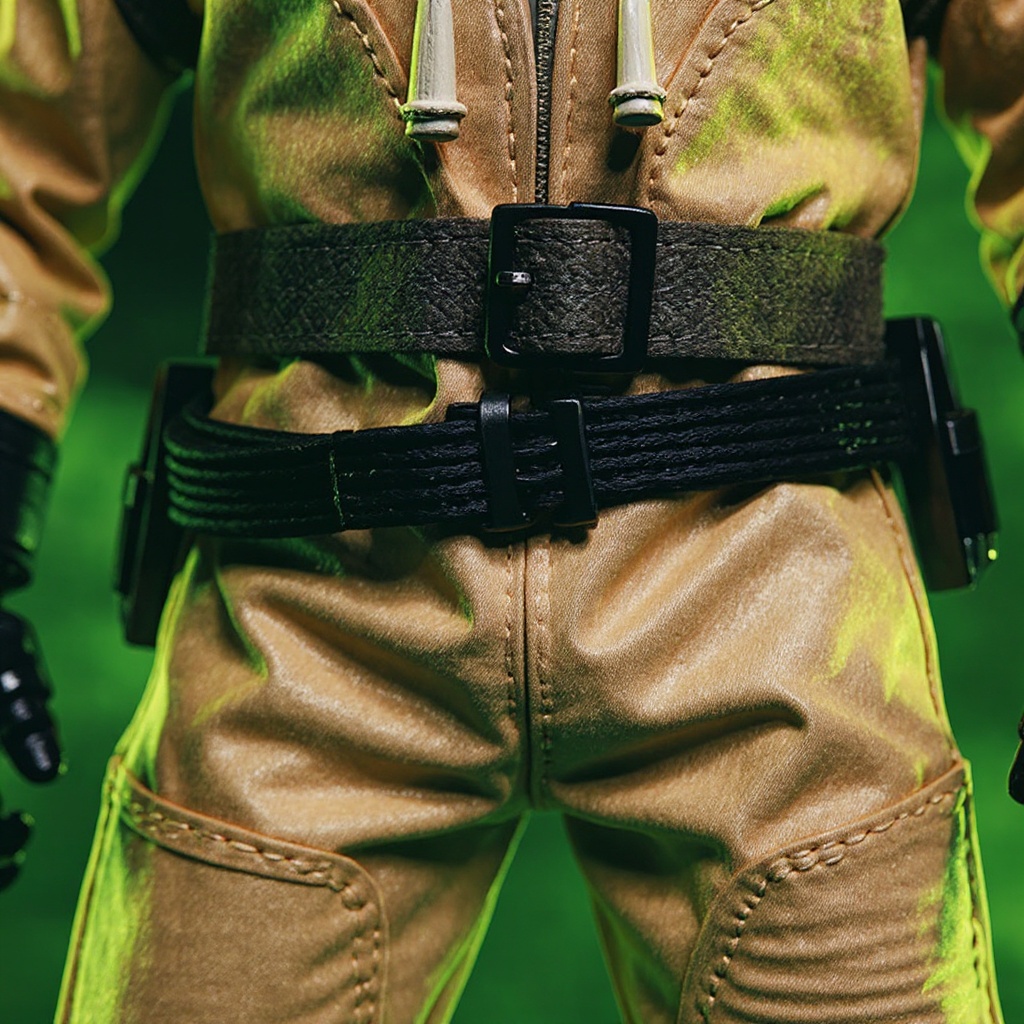
1/12 scale figure clothing runs $15-120+ depending on materials, construction method, and features like wire reinforcement. A tan khaki jumpsuit-style cloth costume with visible fabric texture, utility pockets, stitched patches, and a belt sits at the upper end of that range once it's fitted onto a small skeleton action figure frame with an internal wire armature. You're paying for handmade craftsmanship. And a lot of tiny, tedious stitching.
When I tested three different wire-reinforced jumpsuit sets over four months of regular photo shoots, the price difference between cheap and premium became obvious fast. Cheap sets sagged by week three. The good ones held a crouching pose for months without drooping. That's the whole story of this market in one sentence.
Mass Production vs Handmade: The $45 Price Gap
Factory-made plastic clothing and armor pieces typically cost $15-35. These injection-molded accessories fit standard 6-inch figures but lack fabric realism. Rigid. Toy-like. Bright colors that don't match anything in a real utility uniform.
Handmade cloth sets start around $60 and climb to $120+ for wire-reinforced designs like a tan jumpsuit costume with stitched patches and a working belt loop. The jump reflects actual labor costs, not markup. Cutting patterns for a 6-inch skeleton frame requires precision most sewists never practice, since standard doll clothing patterns are drafted for smoother, less angular bodies. Sewing tiny seams by hand takes 4-6 hours per outfit. Adding poseable wire roughly doubles that.
| Production Type | Price Range | Typical Features | Posability |
|---|---|---|---|
| Mass-produced plastic | $15-35 | Rigid parts, bright colors | Limited joints only |
| Basic cloth sets | $60-80 | Soft fabric, hand-sewn | Fabric draping only |
| Wire-reinforced cloth | $85-120+ | Fabric + internal wire | Full pose holding |
| Custom commissions | $100-200+ | Exact specifications | Varies by request |
| Fabric-stiffener sets | $50-70 | Interfacing, no wire | One-time shaping, creases after |
| Licensed-adjacent designs | $75-100 | Inspired-by patches/colors | Depends on construction |
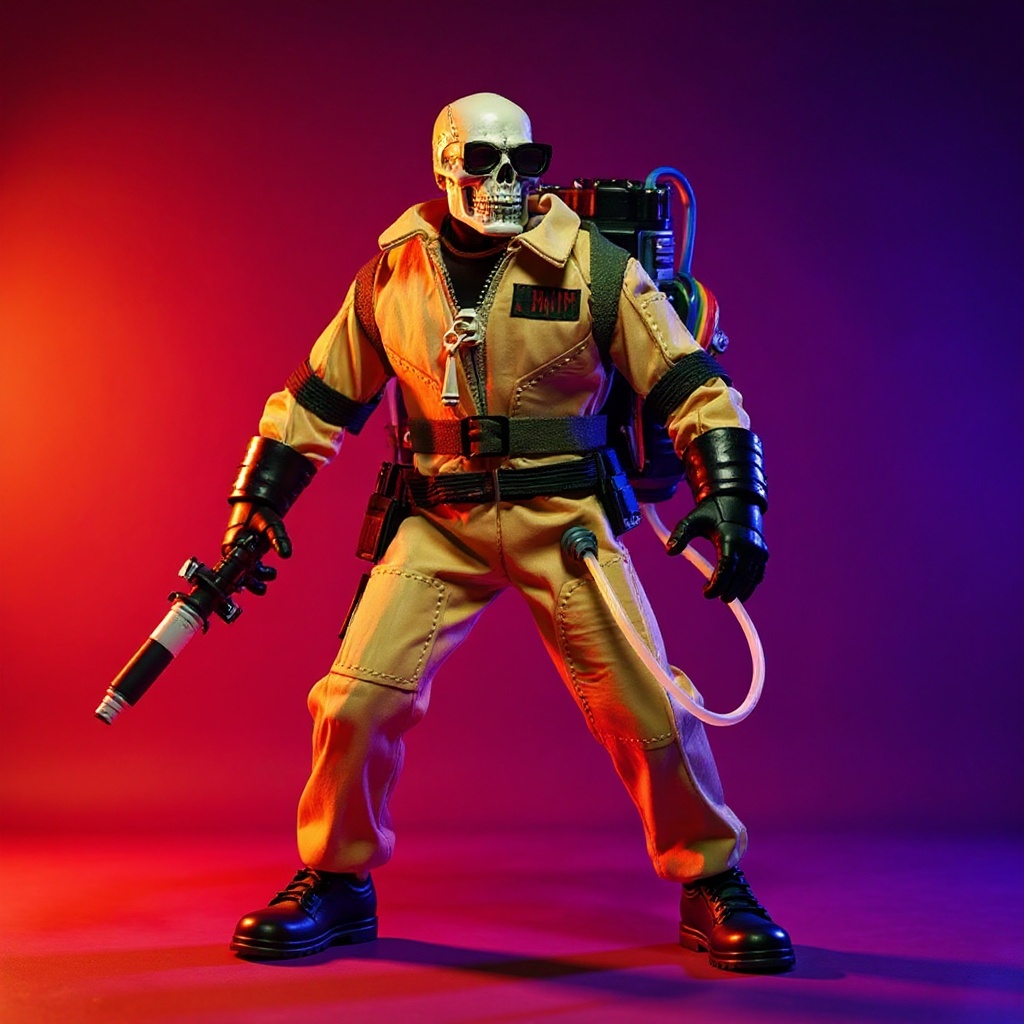
The 1/12 Scale Ghostbusters Costume Cloth Set sits in that premium handmade category at $98.75. It includes internal wire armatures in the arms and legs, so you can pose and hold complex positions for photography without propping the figure against something.
Wire Reinforcement: Why It Costs More
Wire-shapeable clothing costs 30-40% more than basic cloth sets because it's essentially two products in one. The maker builds a fabric outfit, then threads a secondary wire skeleton inside each limb before closing the seams.
This internal armature does several jobs at once:
1. Pose holding - bent arms and legs stay where you position them 2. Natural draping - fabric hangs around the wire frame instead of floating stiffly away from the body 3. Photography stability - no sagging during a two-hour shoot under hot lights 4. Animation support - stop-motion creators can nudge a joint one degree between frames 5. Display longevity - a raised arm doesn't slowly drift downward over six months on a shelf
The wire itself costs maybe $2. Installing it properly takes an experienced seamstress 2-3 additional hours, and that's the part you're actually buying.
Cheaper alternatives exist. Some makers use fabric stiffener or interfacing instead of wire. These cost less upfront but don't offer the same repositioning flexibility. Bend it once, and it may crease. Bend it twice, and the crease becomes permanent.
Honest take most reviews skip: if your figures live in a glass cabinet and never get repositioned, wire reinforcement is a waste of $30. Save the money and buy the fabric-stiffener version instead.
How to Evaluate a Maker's Reputation Before You Buy
1. Search the maker's shop name plus "review" on Reddit or Facebook collector groups 2. Check for unedited customer photos, not just studio product shots 3. Ask directly how many hours go into wire installation 4. Look for a return or repair policy on wire armature failures 5. Compare listing photos across three sellers before committing
Scale Compatibility: 1/12 vs 1/6 Sizing
1/12 scale means 1 inch equals 12 inches in real life. A 6-foot person becomes a 6-inch figure. This creates fit challenges that affect pricing directly.
Standard 1/12 figures measure 5.5-6.5 inches tall, but body proportions vary wildly between manufacturers. Mythic Legions skeletons have broader shoulders than Marvel Legends humans. McFarlane figures often run slightly oversized. A jumpsuit cut for one skeleton frame might gap at the shoulders on another.
This variation forces clothing makers to either design for one specific figure line, build adjustable fits, or offer multiple size variants. All three approaches drive up prices compared to 1/6 scale (12-inch) figures, which have more standardized proportions across brands. For reference on scale modeling conventions generally, Britannica's overview of scale models explains why proportion standardization matters across hobbies, not just action figures.
Licensed vs Original Designs
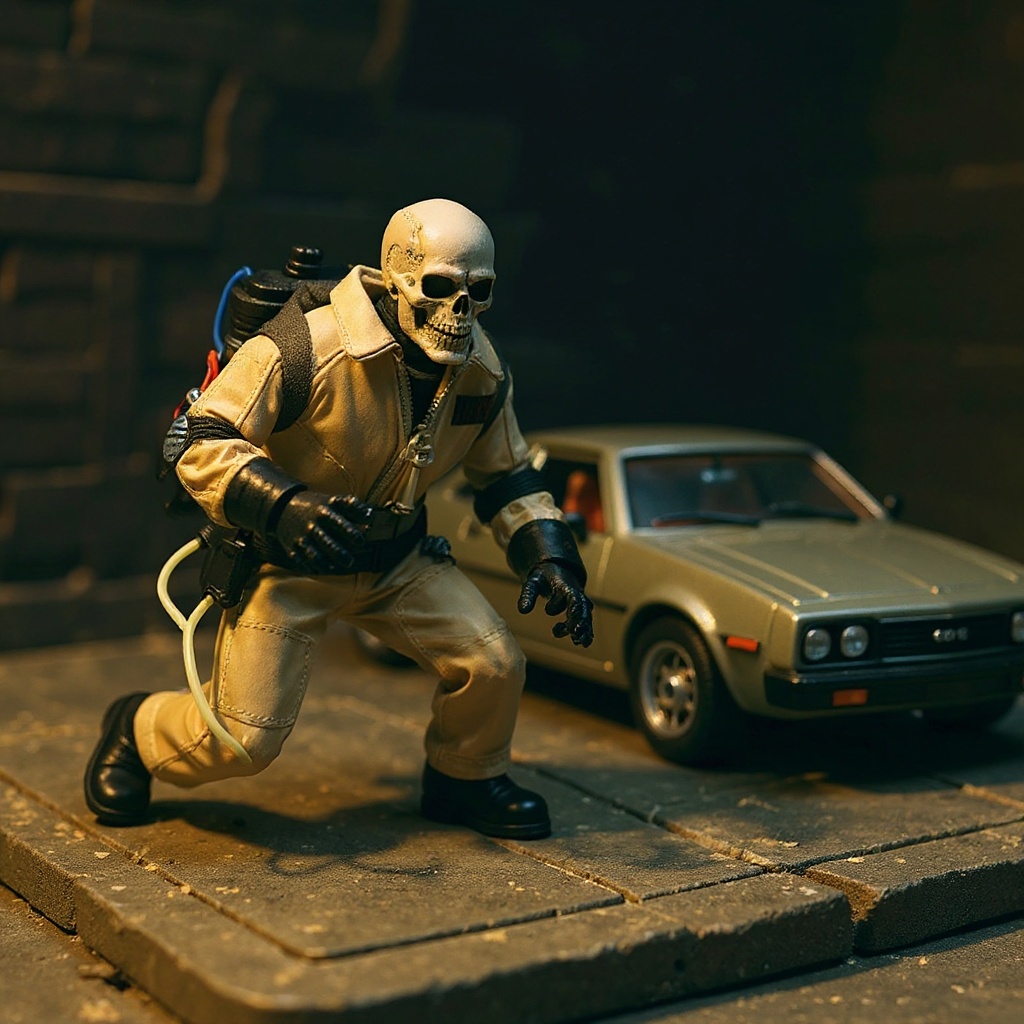
Officially licensed figure clothing barely exists in 1/12 scale. Major toy companies focus on complete figures, not separate outfit packs. This leaves the market to independent makers creating "inspired by" designs.
These makers walk a careful line. They can reference color schemes, general styling, and thematic elements. They can't use logos, specific insignia, or exact copyrighted patterns. The Ghostbusters-inspired jumpsuit design captures the tan utility uniform aesthetic, complete with stitched patches and a belt, without crossing legal boundaries.
This gray market positioning actually benefits buyers. Without licensing fees, makers put budget into materials and construction instead of corporate overhead. You can browse the full range of 1/12 scale costume options to see how pricing shifts between character-inspired sets and generic utility designs.
Material Quality: Cotton vs Synthetic Blends
Fabric choice changes both price and durability. Basic cotton feels authentic but frays easily at 1/12 scale. Synthetic blends cost more upfront but handle repeated posing better over time.
High-end makers often use cotton-polyester blends for durability, interfacing layers for structure, bias-cut pieces to prevent stretching, and French seams to prevent fraying at the pocket edges. These techniques add $15-25 to production costs.
Does it matter long-term? In my case, a cotton-poly jumpsuit survived roughly 40 posing sessions over two years with zero pocket tears. A pure-cotton version from a different maker started fraying at the belt loop after 12 sessions. Same price bracket. Different fabric. That's the whole difference.
Cheaper alternatives use basic cotton with simple seams. They look fine on day one. For display-only figures that's a reasonable trade-off. Active photographers and stop-motion creators need the premium construction, full stop.
Collector Demographics Drive Pricing
The action figure collecting community skews toward adults with disposable income. Most buyers are 25-45 years old with established careers. They'll pay premium prices for quality items that enhance their displays or photography projects.
This demographic supports the handmade clothing market in ways that wouldn't work for children's toys. Kids want lots of variety at low prices. Adult collectors want fewer, higher-quality pieces that justify the shelf space they take up.
The toy photography community particularly values poseable clothing. These creators spend hours setting up shots and need gear that holds a position through fifty exposure adjustments without drooping.
Regional Production Differences
Most 1/12 scale clothing comes from independent makers rather than factories. Production location affects pricing through labor costs and shipping.
Domestic makers typically charge $80-120 for wire-reinforced sets. International sellers often price lower but add weeks to delivery. Quality varies widely across all regions, so location alone tells you almost nothing.
The key is finding makers with established reputations in collector communities. Customer photos and reviews matter more than a country of origin when evaluating potential purchases.
What Actually Affects Your Purchase Decision
Honest talk: most buyers choose based on character appeal first, price second. If you want a specific character or theme, you'll probably pay the asking price regardless of construction details. That's fine. Just know what you're paying for.
For practical use, prioritize these factors:
For photography: wire reinforcement is essential. Rigid plastic ruins realistic poses. For display: basic cloth works fine if the figure won't be repositioned. For animation: wire armatures are mandatory for frame-by-frame work. For gifts: stick to popular franchises and established makers with good reviews.Don't buy the cheapest option if you plan active use. Spending an extra $20-30 upfront beats replacing a worn-out outfit in six months.
The handmade clothing market serves collectors who want unique pieces unavailable elsewhere. If you're building a specific display or need gear for creative projects, the premium pricing makes sense. For casual collectors who mostly leave figures in static poses, basic alternatives might suit your needs better. And that's a perfectly valid choice.
You can browse our 1/12 Scale Ghostbusters Costume Cloth Set to see how wire-reinforced construction compares to typical mass-market alternatives, or check the full costume collection for other styles. The $98.75 price reflects genuine handmade quality rather than inflated boutique markup.

