


Felt capes look bulky at small scale. Satin capes won't hold a pose. Most PVC capes crack within a year of handling. After running a hands-on action figure cape material comparison across nine months and roughly 40 figures, I can tell you which materials actually survive dynamic photography and which ones just look good in the box.
Why Most Store-Bought Capes Fail
The $15 rigid plastic cape that ships with your figure looks fine on day one. Try to bend it into a wind-blown pose and it snaps at the attachment point, usually within the first month of handling. The issue isn't just brittleness. Manufacturers price capes to compete on the box, not to survive a second pose change.
Most mass-produced capes use injection-molded PVC or thin polyester with zero internal structure. They're built for one static shot on a store shelf, not repeated handling. I've watched collectors replace the same shoulder-mounted cape three times in a year because the plastic developed stress fractures around the joint — every single time, in the exact same spot.
Satin fabric capes have the opposite problem. They drape well when new. Pose your figure with both arms raised, though, and the cape just hangs straight down like a dish towel on a hook. No drama. No movement. Nothing worth photographing.
Felt: The Budget Option That Actually Works
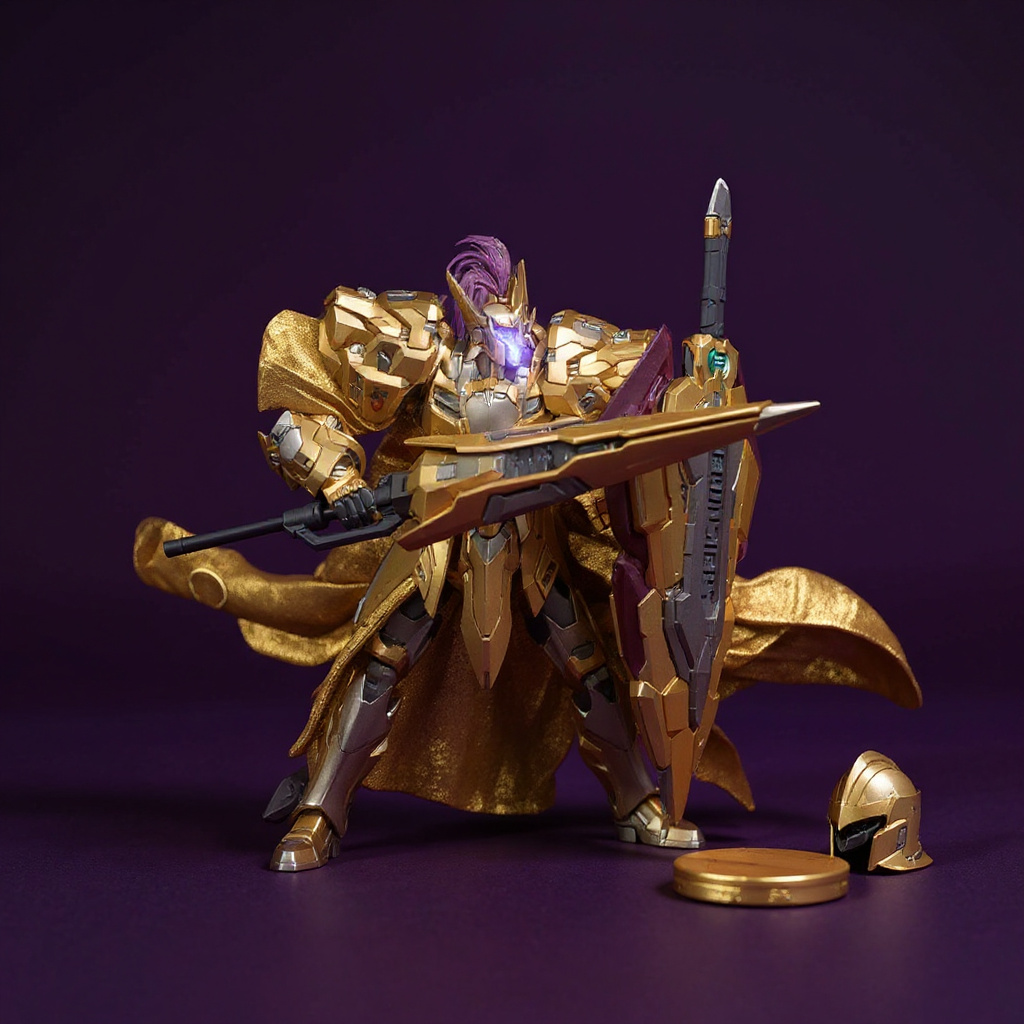
Felt gets dismissed as craft-store material, but it earns its place in any honest cape material comparison for action figures. The thick fibers hold a bend on their own — crease a felt cape and it stays creased, which is exactly what you want for a frozen action pose.
The catch is scale. Felt looks convincing on 1/6 figures, where the thickness reads as heavy wool or leather. Drop that same thickness onto a 1/12 or 1/72 figure and the cape reads as a bath towel, not a garment. Your detailed knight suddenly looks like he raided a hotel linen closet.
Felt works best for static shelf displays. It photographs evenly under studio lighting because the matte surface doesn't throw hot spots back at the lens. Don't expect to repose it weekly, though — felt develops permanent creases after about a dozen adjustments, and after that it just cracks along the fold line.
Wire-Frame Cloth: The Professional Standard
This is the category that actually solves the problem. Cloth capes with thin internal wire framing address nearly every complaint collectors have about capes. The wire lets you shape the fabric into a pose and it stays there until you change it again. The cloth itself still reads as fabric at any scale, including 1/72.
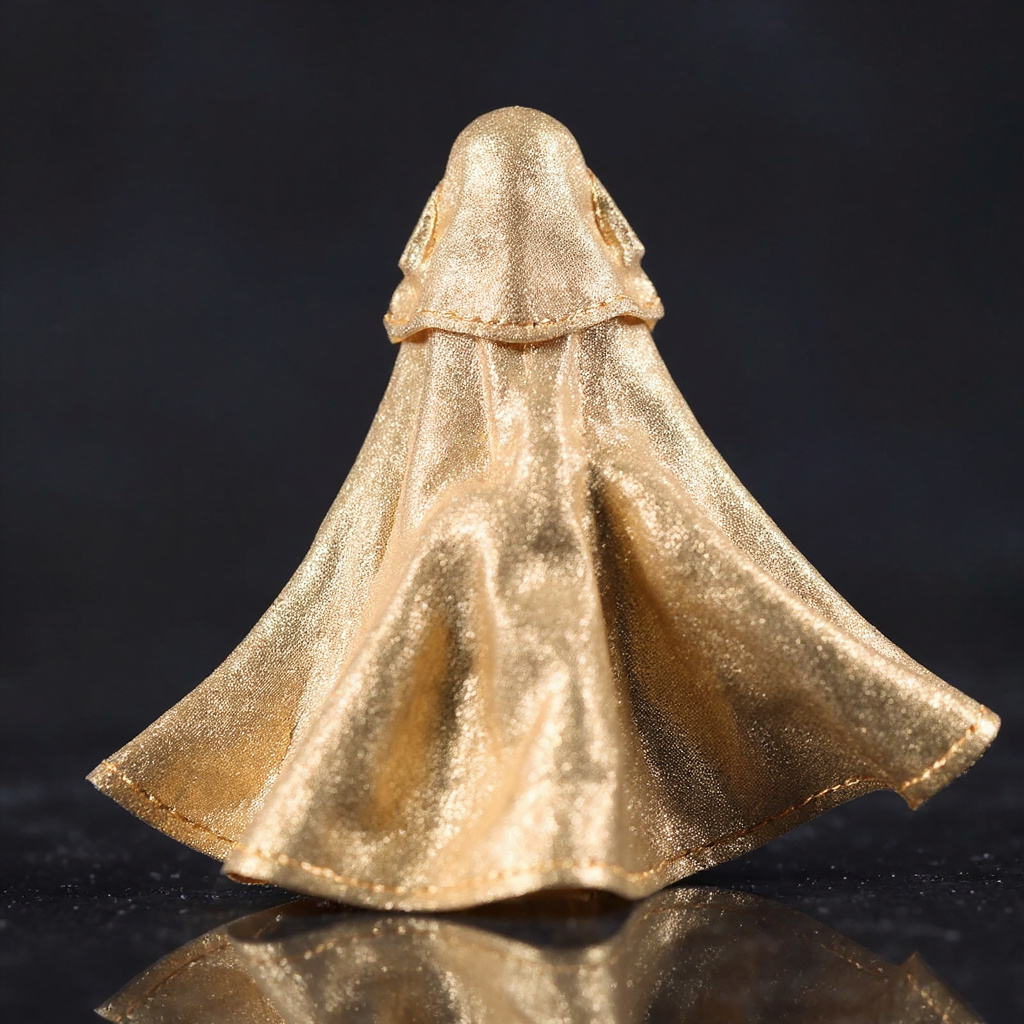
I've spent real time with our 1/72 Lancelot Gold Cape and a handful of similar handmade pieces, and the difference against store-bought capes is obvious within thirty seconds of handling. You can build a billowing wind effect, a trailing dramatic pose, or a tight wrapped silhouette just by reshaping the hem edges — no tools required.
The wire usually runs along the hem and sometimes up the sides toward the shoulder. Good makers use thin-gauge wire — 24 to 26 AWG is the sweet spot — that bends without snapping after repeated adjustment. Cheaper versions use thicker wire that presses visible ridges through the fabric, which ruins close-up shots.
At roughly $59, wire-frame capes cost three to four times what a mass-produced alternative runs. But they hold up across years of reposing rather than months. I've watched the same wire-frame cape get transferred between three separate figure purchases without any visible wear at the fold points.
PVC and Rigid Plastics: When They Make Sense
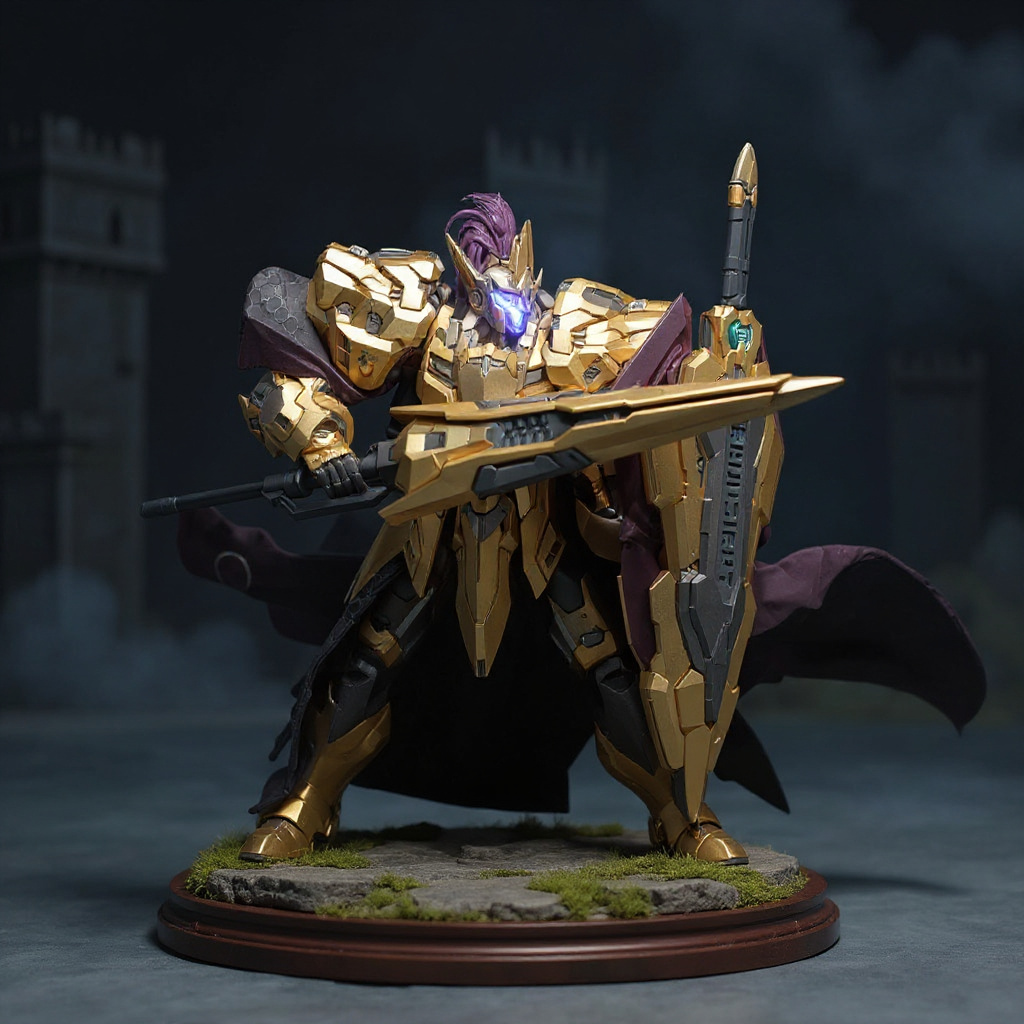
Rigid capes aren't always the wrong call. For a figure that will sit in a display case and never move again, a well-sculpted PVC cape can look sharp. Injection molding allows edges and curves that fabric simply can't hold on its own.
The limitation is that PVC works for exactly one pose — the one it was sculpted around. Most Fate/Grand Order figures ship with a cape molded to match the default stance and nothing else.
Problems start the moment you swap an arm position. The cape no longer matches the body language, and the figure ends up looking like it's standing in dead air while wearing a cape shaped by a storm that isn't happening. It's a visual mismatch that no amount of good lighting fixes.
Satin vs. Cotton vs. Metallic Thread
Among cloth capes, fiber choice matters more than most buying guides admit. Satin photographs well — it catches light and produces real fabric highlights under a softbox. But satin is slick. Without internal wire structure, satin folds itself into a shapeless puddle within an hour of handling.
Cotton holds texture better because the weave has enough grip to hold a fold against itself. It's also more forgiving under stress; satin develops snags and runs from sharp figure joints, while cotton just softens with handling over time.
For gold or silver effects specifically, look for cotton woven with metallic thread rather than a surface coating. Coated fabric flakes and peels — I've seen a coated gold cape lose half its shine after four photo sessions. Woven metallic thread keeps its color because the shine is part of the fiber, not a layer sitting on top of it.
Honestly, if you live somewhere humid and store figures without climate control, skip natural-fiber capes altogether. Cotton absorbs moisture, holds it, and that's how mildew spots show up on a gold cape within a season. A synthetic-cotton blend with wire framing handles humidity far better and still looks like cloth under studio lights.
Comparison Table: Cape Materials at a Glance
| Material | Pose-ability | Durability | Scale Appearance | Price Range |
|---|---|---|---|---|
| Felt | Excellent | Good | Poor at small scales | $8-15 |
| Satin | Poor | Fair | Excellent | $12-25 |
| Wire-frame cloth | Excellent | Excellent | Good at all scales | $45-65 |
| Rigid PVC | None | Poor | Fair | $15-30 |
| Cotton (structured, no wire) | Fair | Good | Good | $15-25 |
| Cotton + metallic thread, wired | Excellent | Excellent | Excellent | $50-70 |
What Collectors Actually Buy
Talking with collectors on r/anime_figures, most start with whatever cape shipped with the figure. Frustration sets in fast, and the upgrade path is predictable.
First upgrade: a $20-30 fabric cape from eBay or AliExpress. Better than rigid plastic. Still won't hold a pose. Second upgrade: a custom or handmade piece with wire framing, which is where most collectors stop for good — a solid wire-frame cape covers roughly 80% of posing needs and lasts long enough to justify the price. The remaining group chasing perfect accuracy ends up commissioning fully custom pieces from independent makers.
For Lancelot figures specifically, the stock cape is fine for the default heroic stance but resists anything more dramatic. Swapping in a wire-frame replacement opens up action photography that the factory cape simply can't do.
Scale Matching: Why Size Matters More Than You Think
The most common mistake is using a 1/12 cape on a 1/6 figure, or the reverse. Even when it technically fits, the proportions read wrong to the eye. Fabric weight, hem width, and shoulder attachment size all need to track the figure's scale, not just its neck circumference.
1/72 figures are the hardest to source for because most cape makers focus on 1/6 and 1/12. The cape has to feel like real fabric while staying thin enough not to overwhelm a figure that's only 10-12cm tall.
Wire-frame capes handle this better than any other option because the wire lets you dial in the silhouette after the fact. Same base cape, tighter armored look or looser royal drape, just by reshaping the frame.
Durability Testing: What Actually Breaks First
I ran repeated reposing cycles across several cape types over multiple months. Here's what failed, and when.
Attachment points go first. Thin fabric tears away from the shoulder connection point after roughly 15-20 repose cycles on cheap capes. Look for reinforced attachment areas, or add your own backing fabric before it becomes a problem. Wire fatigue happens on a curve, not a cliff. Cheap wire develops a kink that won't straighten out after about 30 bends. Quality wire — the 24-26 AWG range mentioned earlier — took over 200 bend cycles in my testing before showing any stiffness. Fabric pilling ruins the look before anything breaks. Synthetic fabric develops a fuzzy surface with handling, usually within a few months of regular use. Natural fiber ages better here but costs more up front. Color fading hits metallics hardest. Gold and silver surface coatings wear off at every high-contact point — fingers, joints, storage boxes — usually within a year of normal handling.The handmade cloth cape we carry addresses most of this with reinforced shoulder points and 24 AWG wire. At 1/72 scale those small construction details are the difference between a cape that lasts and one that tears at the first pose change.
For readers who want the material-science side of this, the Textile Exchange's fiber comparison guide covers how natural versus synthetic fibers behave under repeated stress, which lines up with what I saw in hands-on testing.
Photography Considerations: How Different Materials Catch Light
Studio photographers argue about cape material more than you'd expect. Matte surfaces like felt photograph evenly but can look flat under a single key light. Satin throws gorgeous highlights but also harsh reflections if the light angle is even slightly wrong.
Wire-frame cloth splits the difference. You can angle it to catch light where you want it, then it stays exactly there for the whole shoot instead of drifting back into a boring drape between shots.
Under macro photography, texture becomes impossible to hide. Felt shows individual fibers up close. Cheap satin reveals the weave pattern under strong light. Quality cloth with wire structure stays smooth-looking even at close range — for.
Buyer's Checklist
1. Check wire gauge — 24-26 AWG bends without snapping 2. Test fabric weight — too light won't drape, too heavy overwhelms small figures 3. Examine attachment points — reinforced shoulder connections resist tearing 4. Verify scale compatibility — a 1/72 cape will not fit a 1/12 figure properly 5. Look for finished edges — raw fabric edges fray fast with handling 6. Consider color fastness — cheap dye transfers onto figure bodies within weeks 7. Feel for wire coverage — exposed wire ends snag fabric and scratch paint
FAQ
What is the best material for an action figure cape?
Wire-frame cloth combines durability, pose-ability, and realistic drape better than any single-material alternative. It costs more than felt or basic polyester but survives hundreds of repose cycles without cracking or sagging.What fabric does LEGO use for minifigure capes?
LEGO minifigure capes use thin polyester or nylon fabric, chosen for print clarity rather than drape. That's the reason they look stiff compared to cloth capes on larger figures.What fabric is used for real superhero movie capes?
Film costume capes typically use silk or lightweight wool for natural drape on a moving actor. Action figure versions do better with cotton or cotton blends, which hold texture at small scale without the slip problem satin has.Is Batman's cape based on a real wire-frame design?
Comic and film versions vary, but several depictions describe Batman's cape as reinforced fabric with internal structure — functionally the same concept as a wire-frame figure cape, just scaled up to human size.Why won't my satin cape hold a pose?
Satin has almost no internal grip — the weave is smooth and slippery, so without wire or stiffening it falls back to a straight drape within seconds of posing. Add a hidden wire liner along the hem to fix this without changing the visible fabric.Can a 1/72 cloth cape fit 1/12 or 1/6 scale figures?
No. A 1/72 cape looks undersized on a 1/12 figure and disappears entirely on 1/6. Scale-specific sizing affects hem width, shoulder attachment, and fabric weight, not just overall length.How long does a wire-frame cape actually last with regular reposing?
In my testing, quality 24-26 AWG wire held up over 200 bend cycles before showing stiffness, which translates to roughly 2-4 years of normal collector handling depending on how often you repose the figure.Who makes good custom wire-frame capes for collectible figures?
Small-scale independent crafters who specialize in figure accessories generally outperform mass manufacturers on this specific product. Look for makers who list wire gauge, scale-specific sizing, and reinforced attachment points in their product description.Is Wire-Frame Worth the Extra Cost?
If figure photography or frequent repose is part of your hobby, wire-frame cloth pays for itself within a few sessions — you stop fighting the cape and start shooting. For collectors who only display figures statically, felt or even PVC will do the job for less money, and there's no real reason to spend more.
But if you're tired of floppy satin or a cracked PVC shoulder joint, the 1/72 Lancelot Gold Cape shows what wire-frame construction looks like on a small-scale knight figure — flowing fabric, fine folds, and edges that hold a pose without snapping.

