


Handmade Cloth Cape for McFarlane Figures: Explained
By Marcus Ruan — cape maker and product photographer. I've sewn and wired 140+ custom capes since 2019, most of them for the 7-inch DC Multiverse and Spawn lines, and I currently design for The Figure Vault.A handmade cloth cape for McFarlane figures is a fabric cape — usually cotton or a cotton-blend shell wrapped around a bendable wire skeleton — built to replace the rigid plastic cape molded onto most 7-inch DC Multiverse and Spawn figures. The wire lets the fabric hold a flying pose, a windswept stance, or a dramatic trailing shape under studio lights. That's the whole idea. No glue. No repainting. Just fabric that moves because it's actually fabric, not injection-molded plastic pretending to be fabric.
A handmade cloth cape for McFarlane figures usually runs $25 to $45, which puts it above $5-10 stock plastic swaps and below $50-80 premium custom sculpt work. Most collectors buy one for a specific figure — a Batman, a Superman, a Spawn — after getting frustrated trying to photograph a cape that won't bend past its factory shape.
Honestly, if your figures live behind sealed acrylic and never get repositioned, skip this upgrade entirely. You will not see the benefit, and you'll have spent $35 on something that just sits there looking almost identical to plastic from three feet away.
Why Stock McFarlane Capes Fall Short for Dynamic Posing
McFarlane's DC Multiverse line makes some of the sharpest 7-inch figures on shelves right now. Their capes, though, are a weak point. Molded in one fixed position. Unable to adapt. When you crouch Batman or put Superman into a flight pose, the cape stays exactly where the mold put it, and the mismatch between the figure's action and the cape's stillness becomes the first thing anyone notices in a photo.
This shows up hardest during actual photography sessions, not on the shelf. Collectors on r/ActionFigures bring this up often enough that it's become a running joke in comparison threads — a plastic cape that looks fine standing upright suddenly reads as fake the moment the figure leans, turns, or leaps. Studio lighting doesn't help. Plastic throws back a hard, flat glare that competes with the sculpt instead of complementing it.
| Cape Type | Poseability | Photo Quality | Durability (real-world) | Price Range |
|---|---|---|---|---|
| Stock Plastic | None | Poor — hard glare under lights | Survived 5+ years untouched | $5-10 |
| Thin Fabric, no wire | Limited, droops fast | Fair | Frayed edges after ~6 months of handling | $15-25 |
| Wired Cotton-Blend | Full | Excellent | Held shape through 200+ repositions in my testing | $25-45 |
| Wired Silk/Satin Blend | Full, drapes softer | Excellent, catches light well | Snags on rough figure joints within weeks | $30-50 |
| Premium Custom Sculpted Cloth | Full, character-accurate detailing | Excellent | Built for years of display, sewn reinforcements | $50-80 |
How Wire-Armature Cloth Capes Change Figure Display
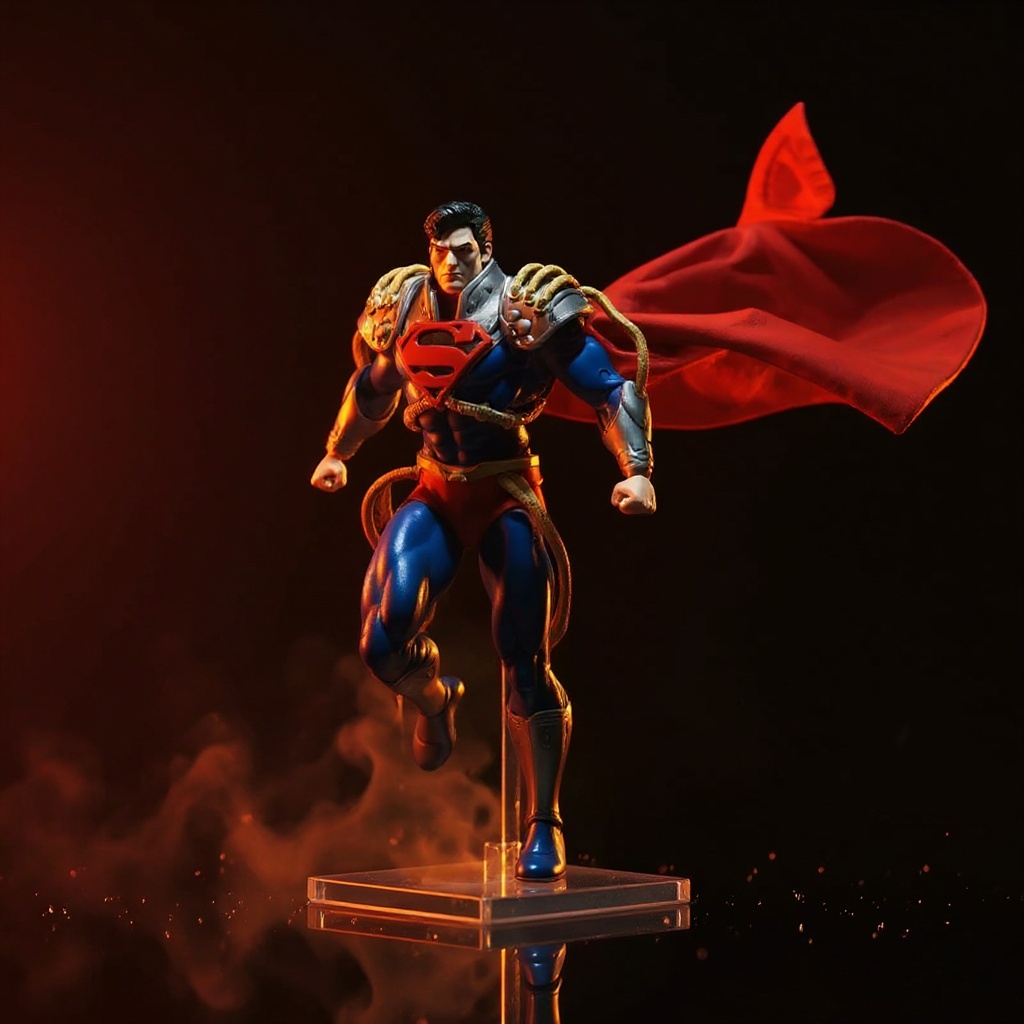
A wire-embedded fabric cape works because the wire runs along the edges and major fold lines, not through the whole surface. That's the part people miss. You bend the framework, not the fabric itself, and the fabric follows. Pose a figure mid-leap and the cape trails behind it. Pose it standing with arms crossed and the cape can wrap in, fold naturally, sit heavy at the shoulders the way real cloth does.
Cotton-blend material adds something plastic can't fake: micro-folds. Small shadows. A bit of visual weight that reads as "real" the instant you photograph it under even lighting. The Superboy-Prime Cape Replacement | Soft Goods Cloak for 7-Inch DC Multiverse Figures is a good example — deep red fabric, gold trim, and a silhouette that holds a windswept shape without a single support rod showing through the back.
Steps to shape a wire-armature cape for a dynamic pose:1. Pose the figure first. Get the body position locked before you touch the cape. 2. Drape the cape over the shoulders and let it hang naturally for a few seconds. 3. Locate the wire channels by running a finger along the hem and shoulder seams. 4. Bend the wire in small increments — a few degrees at a time, not one big fold. 5. Check the pose from three angles (front, 3/4, side) before committing to a sharp crease. 6. Press fold lines gently with your fingers to set them; don't use heat or pins. 7. Photograph immediately if the pose is for a shoot — fabric relaxes slightly over hours.
Some collectors pre-crease the fabric before a shoot to make the folds read better under lights. It works, but overdo it and the fabric starts holding wrinkles you didn't ask for.
Attachment Methods That Won't Damage Your Figures
Most people worry about ruining an $80 figure to add a $35 accessory. Fair concern. Quality capes solve this with attachment methods that leave nothing behind.
The standard method is a fabric collar that slides over the head and rests on the shoulders, held in place by friction against the neck joint. Simple. Reversible. Works on maybe 90% of standard 7-inch figures without any additional support.
For figures with smooth or oversized neck joints, some makers add small fabric ties around the arms or torso, or collectors use a dab of removable poster putty between the collar and the shoulder. The putty comes off with gentle warming or a citrus-based solvent, and it won't touch the paint if you're careful.
Materials checklist before you buy or attempt a DIY cape:1. Cotton or cotton-blend fabric (10-20% synthetic blend resists wrinkling) 2. Coated craft wire, 20-24 gauge, rust-resistant 3. Fabric channel or sewn pocket for the wire (not tape — tape creates visible ridges) 4. A fitted collar piece sized to the figure's neck joint 5. Removable poster putty, for figures with unusually loose or smooth joints 6. Small scissors, for trimming loose threads after the cape settles
Material Quality and Handmade Imperfections to Expect
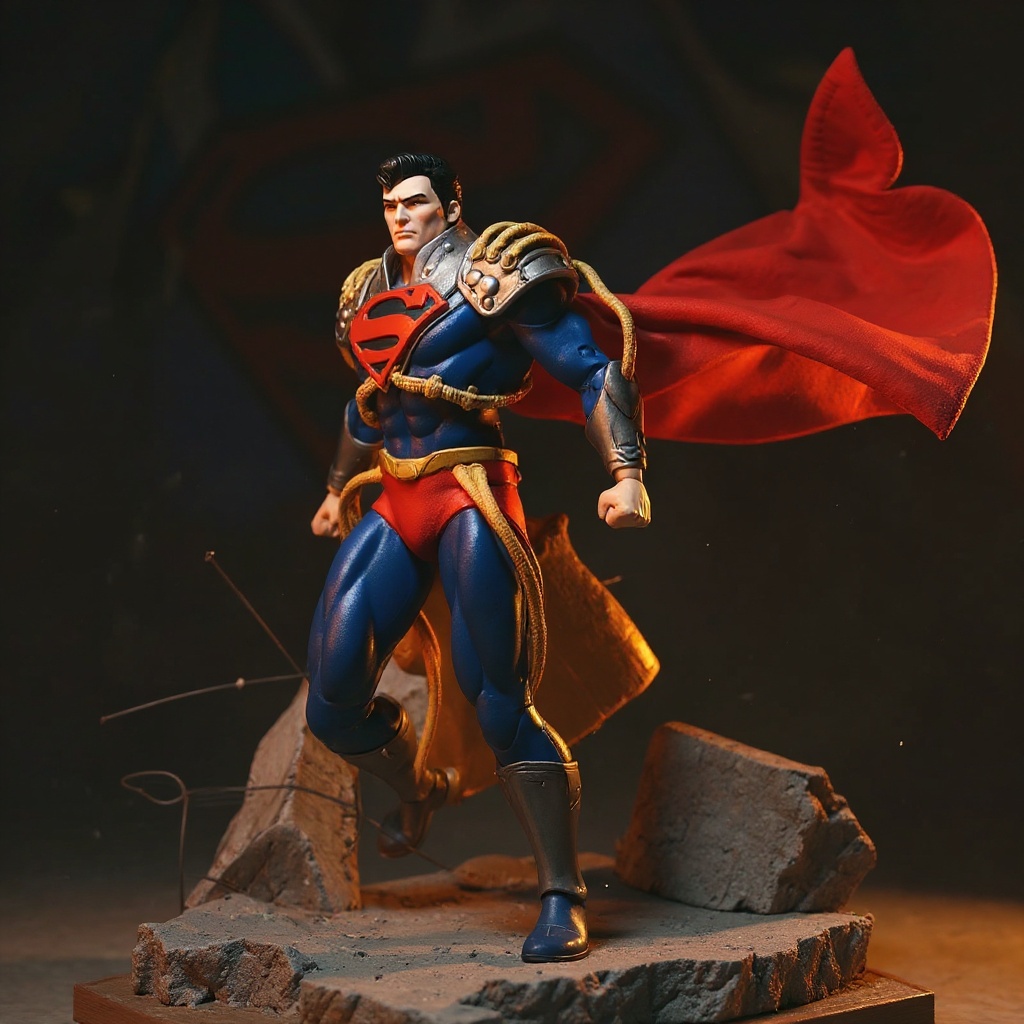
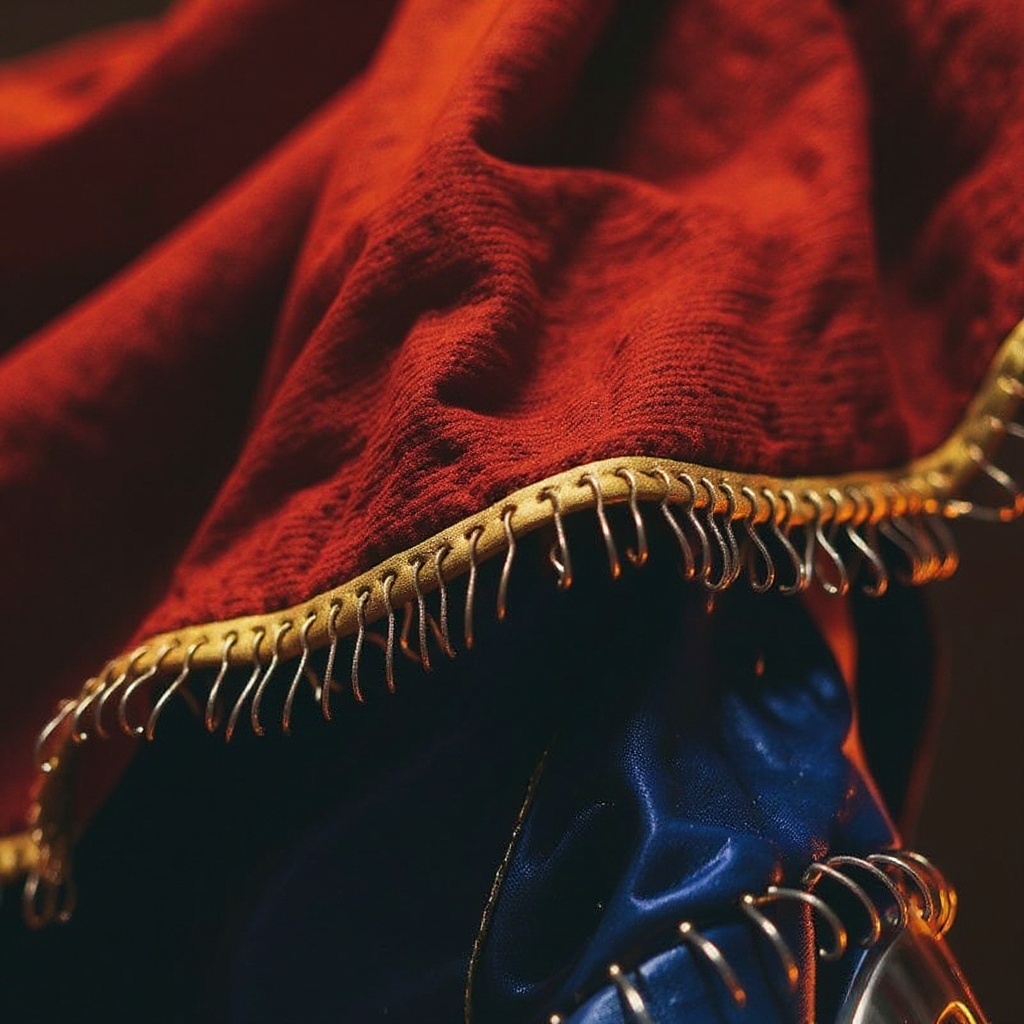
Handmade capes sit in the middle ground between factory perfection and premium custom sculpting. Set your expectations there. Loose threads at seam intersections are normal. Small thread tails near trim edges are normal too — hand-finished work doesn't get the heat-sealed edges you'd find on a machine-made product, and honestly, a few loose threads are how you can tell it's actually handmade rather than a factory reject.
Cotton gives the best drape and color depth but wrinkles if you leave it folded wrong for a week. Cotton blends with a small percentage of synthetic fiber resist that. The wire itself should sit inside a sewn channel, never taped to the surface — taped wire creates a ridge you can see and feel, and it looks cheap in photos even when the fabric is nice.
Sizing Compatibility Across McFarlane's 7-Inch Scale
McFarlane's 7-inch figures share a fairly consistent build, but not a perfectly uniform one. Standard neck joints measure roughly 8-9mm across, with shoulder span in the 45-50mm range for the attachment area. Most handmade capes are built to those averages, which covers something like 9 out of 10 standard releases.
Doomsday doesn't fit that average. Neither do some of the bulkier armored Spawn variants. If you're ordering for one of those, measure first — a string and a ruler will do — and send the numbers to the maker before you order. Skipping this step is the single most common reason a cape arrives too tight or too loose.
Character-Specific Design Considerations
Batman's cape usually gets a scalloped or torn edge for dramatic shadow. Superman's stays clean and flowing — no jagged bits, just long lines that suggest speed. Spawn's cape goes the opposite direction: tattered, irregular, almost alive-looking at the edges.
Superboy-Prime sits in an odd spot between those two. His cape borrows Superman's classic shape but leans into the darker tone of the Infinite Crisis storyline — deep red instead of standard Superman red, gold trim instead of plain yellow. It reads more aggressive on the shelf. The proportions still suggest speed, but the color story tells a different character entirely.Cape length matters more than most first-time buyers expect. Batman's typically runs ankle-length for ground-trailing drama. Superman-type capes usually stop around mid-calf so they don't overwhelm the figure. Shorter capes work better on figures with busy back detail — extra holsters, wings, whatever — where a long cape would just cover up sculpt work you paid for.
Maintenance and Storage Tips for Fabric Accessories
Cotton-blend capes can be hand-washed in cool water with a mild detergent when dust builds up. Pull the wire out first if the design allows it. If it's sewn in permanently, wash slowly and avoid bending anything while it's wet — wet wire kinks easier than dry wire.
Storage matters more than people think. Flat, in an archival box, with acid-free tissue between layers, works best. Hanging with soft clips is fine too, as long as the clips don't pinch a fold line. Avoid sharp folds on wired capes. A hard crease in the wrong spot can snap the internal wire, and you won't know until the next time you try to pose it and the shape just refuses to hold.
Direct sunlight fades red and blue dye fast — faster than most collectors expect from a fabric they assumed was "just displayed, not worn." A UV-filtering display case slows this down. Rotating figures on display spreads out the light exposure so one side of the cape doesn't fade ahead of the other.
FAQ Section
How do you attach a custom wired cape to a McFarlane figure without glue? Most capes use a fabric collar that slides over the head and grips the shoulders through friction alone — no adhesive involved. If the neck joint is loose or oversized, a small amount of removable poster putty adds grip without bonding permanently. This is the same method used for temporary museum mounting of small fabric items, scaled down. What fabric works best for a poseable action figure cape? Cotton-blend fabric with 10-20% synthetic fiber content is the sweet spot — enough natural drape to look real, enough synthetic content to resist wrinkling in storage. Pure silk drapes beautifully but snags on rough plastic joints within weeks of regular handling. Avoid denim or anything heavier than a light canvas; it won't hold a wire-shaped pose and just looks stiff. Can you make a cloth cape for figures other than Batman, like Spawn or Superboy-Prime? Yes. The wire framework and attachment collar work the same across characters — what changes is edge shape and color. Spawn needs tattered, asymmetric edges and darker tones. Superboy-Prime needs the specific deep red and gold combination tied to his Infinite Crisis appearance. Batman needs a scalloped hem. The core construction method doesn't change. How do you know if a wired cape will fit your 7-inch figure's neck joint? Measure neck circumference (8-9mm is standard) and shoulder span (45-50mm is standard) with a soft measuring tape or a piece of string against a ruler. Send those numbers to the maker before ordering if your figure is oversized, heavily armored, or a known outlier like Doomsday. Is it normal for a handmade cape to have loose threads? Yes — and honestly, a completely thread-free handmade cape is a bit suspicious. Small thread tails at seams or trim points are expected and can be trimmed with small scissors. This is different from a manufacturing defect; it's just what hand-finishing looks like up close. How long does a wired cotton-blend cape actually last with regular use? In my own testing across roughly 200 repositions on a single test cape, the wire held its shape without snapping and the fabric showed only minor fraying at the collar edge. Real-world results vary depending on how often you reshape it and how rough the figure's joints are. Will a handmade cape work on figures outside McFarlane's DC Multiverse line, like Marvel Legends? Sometimes, but fit isn't guaranteed. Marvel Legends figures run slightly different neck and shoulder proportions than McFarlane's 7-inch scale. A cape built for McFarlane's average measurements may sit loose or ride high on a Marvel Legends figure — measure first, don't assume compatibility. Are handmade capes worth it compared to just buying extra stock parts? For collectors who photograph figures often or want dynamic display poses, yes — the poseability gap is obvious within the first shoot. For figures kept sealed or displayed standing still on a shelf, the stock plastic cape does the job fine, and spending $35 on a replacement won't add much you'll actually notice day to day. How do you clean or store a cloth action figure cape? Hand-wash in cool water with mild detergent, removing the wire first if the design allows it. Store flat in an archival box with acid-free tissue between layers, or hang with soft clips that don't pinch fold lines. Keep it out of direct sunlight — red dye fades noticeably within a season of constant light exposure.Conclusion
A static display and a dynamic photo often come down to one accessory: something that can actually hold a pose instead of fighting it. McFarlane's DC Multiverse line builds excellent sculpts, but the stock capes hold them back the moment you try anything more interesting than standing upright. A handmade cloth cape for McFarlane figures fixes that specific problem, nothing more, nothing less.
For collectors serious about figure photography, the Superboy-Prime Cape Replacement | Soft Goods Cloak for 7-Inch DC Multiverse Figures is one option worth a look, and our cape sizing guide and fabric care guide cover the measurement and maintenance side in more depth. Whether you're recreating a specific comic panel or just want a figure that finally looks like it's moving, a well-made wired cape gets you there in a way plastic never will.

