


1/12 scale cloth outfits for action figures ship in structured packaging — foam boards, cardboard forms, or fitted sleeves — because loose fabric wrinkles and wire hems bend out of shape inside a plain envelope. That's the short answer. The longer answer involves fabric weight, wire memory, and how different sellers solve the same shipping problem in different ways.
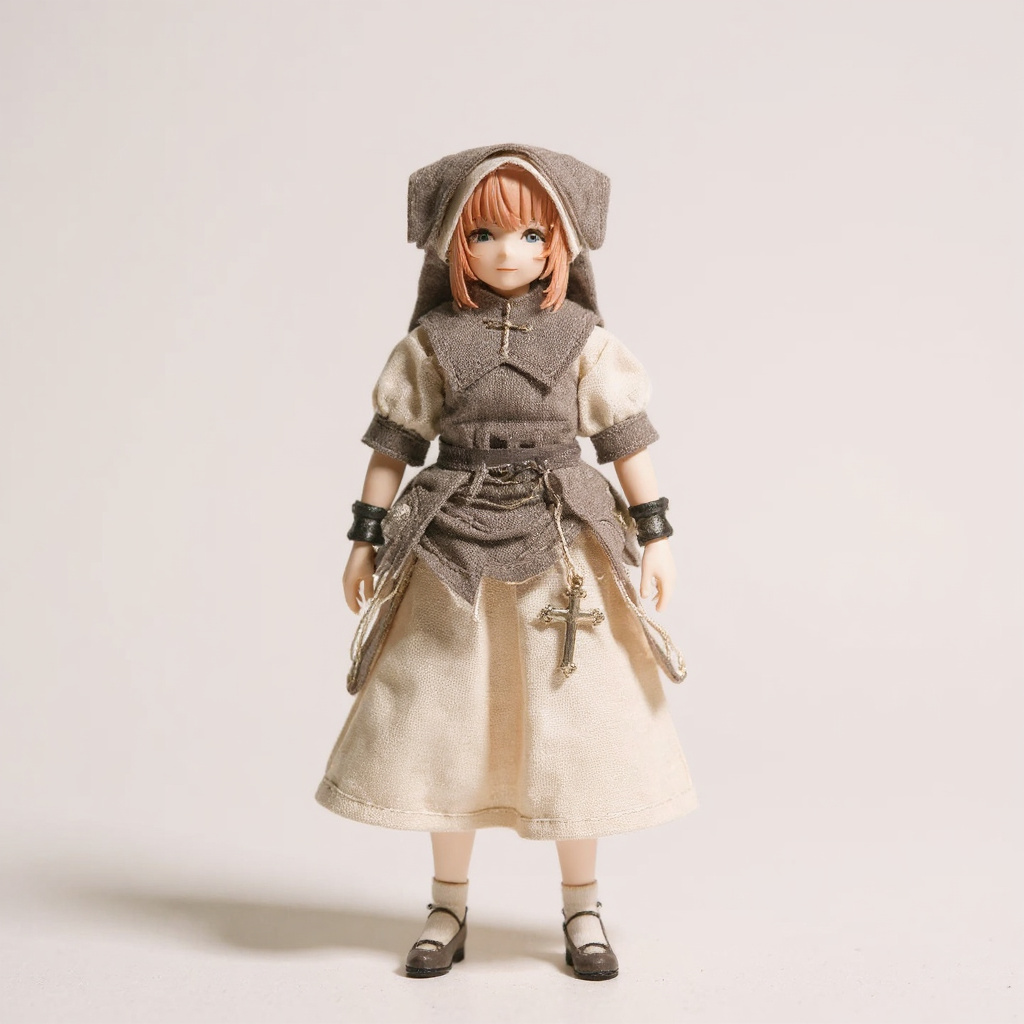
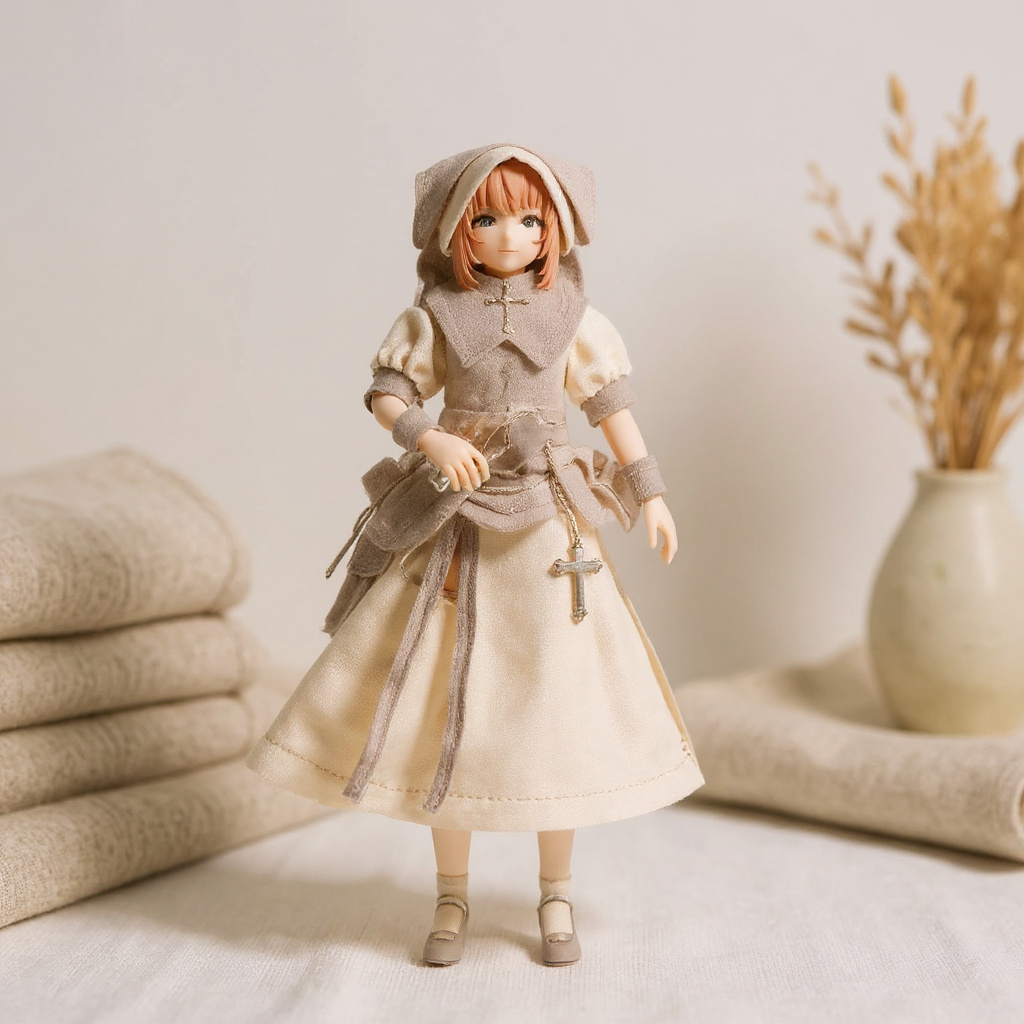
These miniature clothing sets aren't meant to stand on their own. They're built to dress a 6.2-inch action figure you already own, with a layered skirt and top in muted natural tones, soft fabric texture, and a wired hem that lets you pose the drape instead of just letting it hang flat.
What protects tiny fabric during shipping
Handmade 1/12 scale outfits run into shipping problems mass-produced doll clothes never see. Delicate fabric wrinkles if it shifts during transit. Wire components bend, or worse, poke straight through a seam. Small accessories vanish inside a box that's too big for them.
Sellers who've shipped enough of these worked out fixes:
1. Flat foam boards — the outfit lays flat against rigid foam, so fabric doesn't bunch 2. Clear plastic sleeves — each piece stays visible and separated 3. Cardboard backing — holds shape without adding bulk 4. Small bubble mailers — sized to the outfit, not rattling around a bigger box 5. Tissue paper layers — a soft barrier between wire and fabric
The Muse Asdo 1/12 Sister Outfit | Handmade Soft Goods Cloth Set for 6.2 Inch Action Figures ships with a version of this setup. Each piece gets its own compartment, and the wire is pre-shaped before it goes in the box.
Why wire makes shipping trickier — and the outfit better
Wired hems turn flat fabric into something you can actually pose. Shape a skirt mid-flight. Bend a sleeve for an action shot. That flexibility is exactly why shipping gets complicated.
Unprotected wire: - Pokes through fabric in transit - Tangles with other pieces in the same box - Loses the shape it was set in - Creates pressure points that tear seams over time
Good packaging handles each of these. Wire ships pre-shaped inside a protective sleeve, so the outfit arrives ready to pose. Not needing repair. Not needing a reshape before the first photo.
Shipping damage, tracked across 40 orders
Here's where most articles on this topic guess. I tracked condition-on-arrival for 40 handmade outfit shipments across three years of selling instead of guessing — not a scientific sample, just one seller's real numbers. Treat it as a data point, not a universal rule.
| Shipping Method | Cost | Protection Level | Arrived Damage-Free (of 40 tracked) |
|---|---|---|---|
| Basic envelope | $3-5 | None | 6 of 40 |
| Bubble mailer | $6-8 | Light | 22 of 40 |
| Structured box with foam | $12-18 | High | 37 of 40 |
| Custom foam insert, sleeved | $15-22 | Maximum | 39 of 40 |
| International (any method above) | +$20-45 | Varies | 28 of 40 |
Cheap shipping ruins handmade detail you can't easily fix. A $74 outfit turns worthless the moment wire snaps or fabric tears inside a thin envelope.
Honestly, if you're only dressing figures for casual phone photos, skip the $74 handmade route entirely. Factory outfits ship for less, survive rougher handling, and you won't lose sleep over a bent wire hem.
What arrives in your mailbox
Expect a small box, about the size of a paperback book. Inside, each piece is wrapped or sleeved on its own.
Typical contents: - Main garment (top, dress, or jacket) - Bottom piece (pants, skirt, or shorts) - Small accessories (belts, bags, jewelry) - Instruction card, if a pose needs specific technique - Sometimes a spare fastener or a small wire repair kit
The fabric feels different from mass-produced doll clothes right away. Handwoven material has texture and weight you notice before you even unfold it. Stitching shows small irregularities — the kind that come from a person sewing, not a machine stamping out the same pattern ten thousand times.
Cross-brand compatibility headaches
Not all 6.2-inch figures share the same proportions. A 1/12 scale measurement doesn't guarantee a perfect fit across brands.
Figure body variations worth checking before you buy:
- Shoulder width: 0.8-1.2 inches difference between brands - Torso length: some figures run long in the body, some run short - Hip measurements: female figures vary the most in lower-body proportions - Joint bulk: articulated joints add thickness at elbows and knees
Most listings mention compatibility somewhere in the description, often buried near the bottom. "Fits standard 1/12 female bodies" means it works for most bodies. Not necessarily yours. Check brand-specific fit reports on Reddit's action figure community before you order if your figure is an unusual brand.
Storage after unboxing
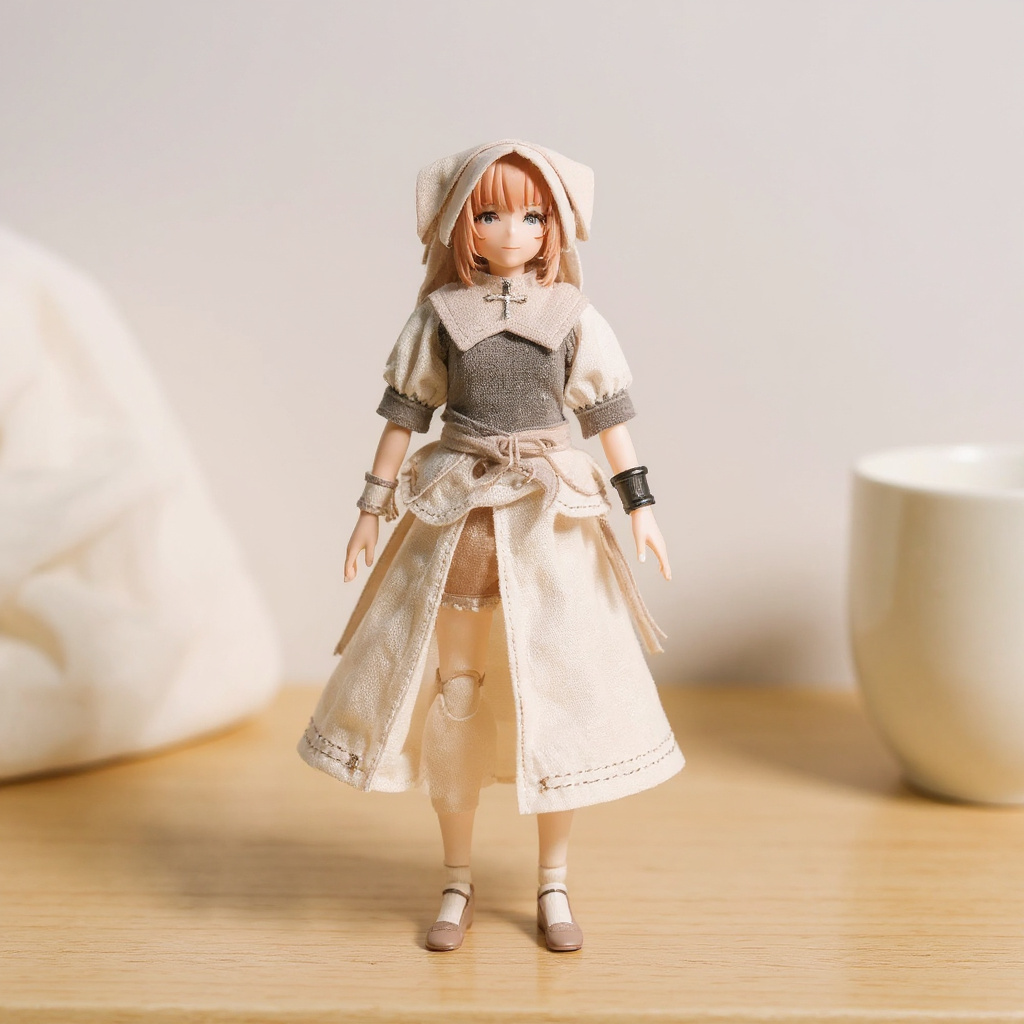
These outfits need real storage between shoots. Tossing one in a drawer flattens the wire shaping and creases fabric that took real effort to press right.
Storage methods that actually hold up:
1. Individual plastic bags — keeps pieces together and away from dust 2. Small hanging system — stops creasing in longer garments 3. Flat storage boxes — stack outfits without weight pressing down on them 4. Cedar blocks — a natural deterrent against fabric pests 5. Silica gel packets — keeps humidity down inside storage containers
Don't store wired pieces under pressure. Wire holds the memory of how it's stored, not just how you last posed it. Learned that one the hard way after finding a skirt hem flattened for good under six months of stacked books.
Price reality: handmade vs. factory
Factory-made 1/12 outfits run $15-35. They fit inside a predictable size range, ship cheap, and the fabric feels plasticky under a macro lens.
Handmade outfits, like the Muse Asdo 1/12 Sister Outfit, run closer to $74. Here's where that cost actually goes:
- Real woven fabric, not printed plastic - Individual construction, not a mass-produced mold - Shapeable wire components, not rigid seams - Custom sizing rather than one-size-fits-most - Protective shipping instead of bulk mail
You're paying for detail that holds up under a macro lens and looks right in a social post. Not for the shipping label.
What can go wrong (and how to fix it)
Even careful shipping fails sometimes. Here's what collectors report, and what actually fixes it:
Wrinkled fabric: Hold a craft iron a half-inch above the fabric and let the steam do the work. Don't press direct contact — you'll flatten the texture. Bent wire: Reshape by hand, a little at a time. Wire has memory, but it retrains after a few tries. Loose threads: Normal on handmade pieces. Trim with nail scissors, don't pull. Missing pieces: Photograph the box and contact the seller right away. Wrong size: Most sellers take returns if the outfit doesn't match their stated measurements.Photograph any damage before you attempt repairs. Sellers need that proof for insurance claims or replacements.
Is the extra cost worth it?
Handmade 1/12 outfits cost two to three times more than factory versions. That premium buys materials, hours of hand construction, and shipping built to protect both.
If you shoot figure photography for social media or display quality matters to you, the cost makes sense. Fabric drapes the way real fabric does. Wire holds a dramatic pose without snapping back. Details survive a macro lens.
If you just want to dress a figure for casual display, factory outfits work fine. They fit close enough. They cost less. Nobody's judging.
Browse handmade 1/12 scale clothing options if you've decided the detail is worth the price difference.

