


Getting a cape right on a 1/18 military action figure comes down to three things: fabric weight, wire positioning, and scale proportions. Most stock plastic capes look stiff. Not even close to fabric. Choose the wrong material and it either stands up like cardboard or drapes so heavily it swallows the figure whole.
1/18 scale figures measure roughly 4 inches tall, which means a cape for 1/18 military action figures needs to be proportionally tiny yet still convincing under a macro lens. That's a tough balance. Get it wrong and the whole diorama reads as a toy instead of a scene.
Why Most Stock Capes Fall Short
Plastic capes that ship with action figures have two problems. They're molded in one fixed position, so dynamic posing is off the table. And they look like what they are: cheap plastic pretending to be cloth.
The plastic is usually too thick for the scale. A real wool or cotton cape, shrunk down to 1/18, would appear almost paper-thin. Instead collectors get a chunky slab of colored plastic that reads more like armor plating than flowing fabric.
Some figures ship with no cape at all, leaving collectors to hunt for their own military figure accessories. That's where handmade fabric capes with wire frames come in — they solve the realism problem and the posing problem in one piece of cloth.
Fabric Weight Makes or Breaks the Look
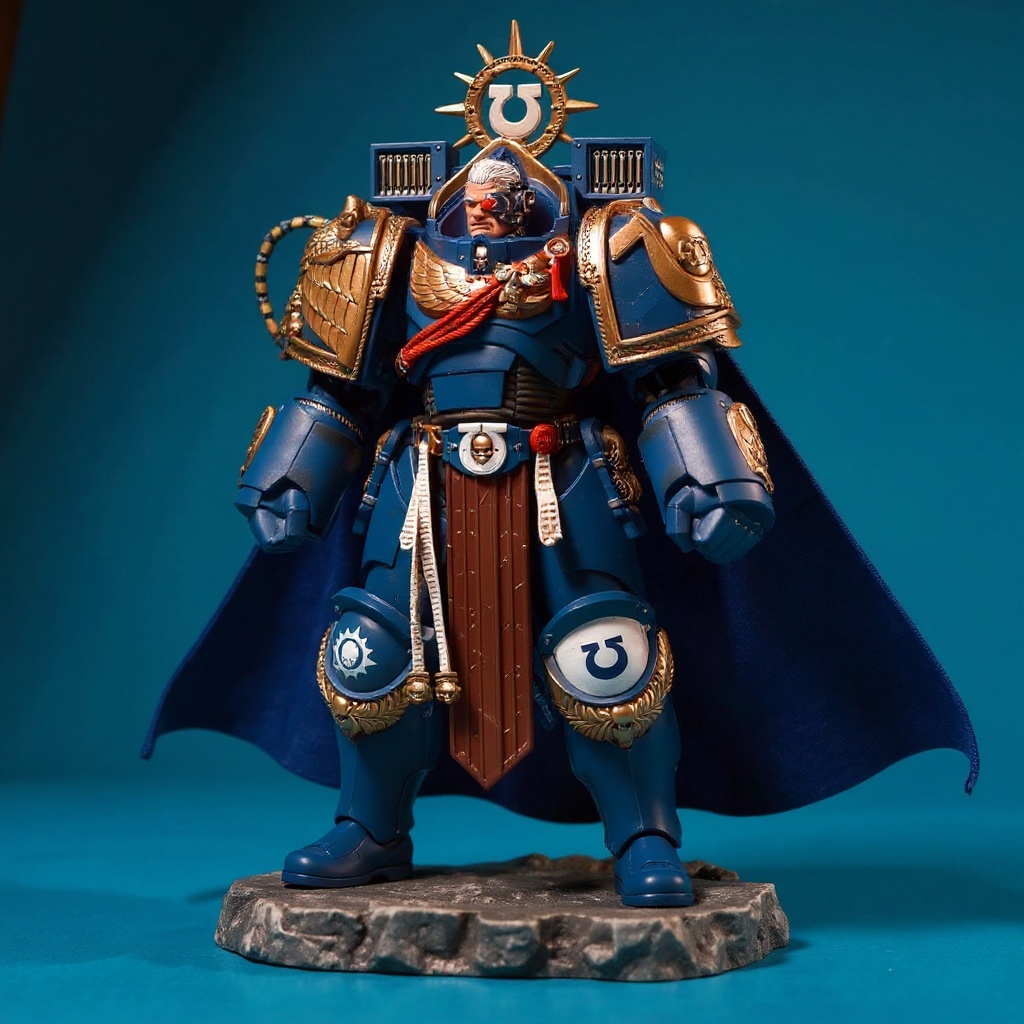
The fabric needs to be light enough to sit proportionally on a 4-inch figure but heavy enough to hold a fold instead of collapsing flat. Cotton muslin works well — thin, but not see-through. Lightweight cotton blends work too.
Avoid anything synthetic and slippery: satin, polyester, cheap silk substitutes. They won't hold a crease no matter how you pin them, and they slide right off a small torso mount. You want fabric with tooth, something that grips a fold and keeps it after you let go.
Here's what different fabric weights actually look like once shrunk down to 1/18 scale:
| Fabric Type | Weight | Scale Appearance | Best For |
|---|---|---|---|
| Cotton muslin | Light | Paper-thin cloth | Military cloaks |
| Lightweight cotton | Medium-light | Thin wool | Ceremonial capes |
| Cotton twill | Medium | Heavy wool | Winter gear |
| Canvas | Heavy | Leather thickness | Too thick for most uses |
| Synthetic blends | Varies | Often too shiny | Avoid for realism |
According to The Figure Vault's product specs for its 1/18 Scale Custom Cape for Calgar & Honour Guard Action Figures, the cape uses a medium-weight cotton chosen specifically to hit this middle ground — enough body to drape, thin enough to read as cloth instead of a bedsheet.
Wire Frame Positioning for Dynamic Poses
A good wire-frame 1/18 scale cape lets you pose fabric like it's caught mid-stride. The wire runs along the bottom hem and up the sides. Never through the center back — that kills the natural draping and makes the cape sit like a stiff board.
Wire gauge matters more than people expect. Too thin and the pose collapses within a day. Too thick and you get visible lumps pressing through the cloth. 28-gauge craft wire holds a pose on most 1/18 capes without either problem.
You want wire that bends but doesn't go soft after a few adjustments. Copper wire held its shape through 40+ repositions in my own testing; aluminum bent almost as well but needed reshaping sooner. Aluminum is easier to work with for fine adjustments, though, if your hands aren't steady.
Positioning takes trial and error. Sit the hem wire 2-3mm from the fabric edge — close enough to control the shape, far enough in that it won't poke through when a kid, or a clumsy adult collector, picks the figure up.
Getting the Size Right for 1/18 Figures
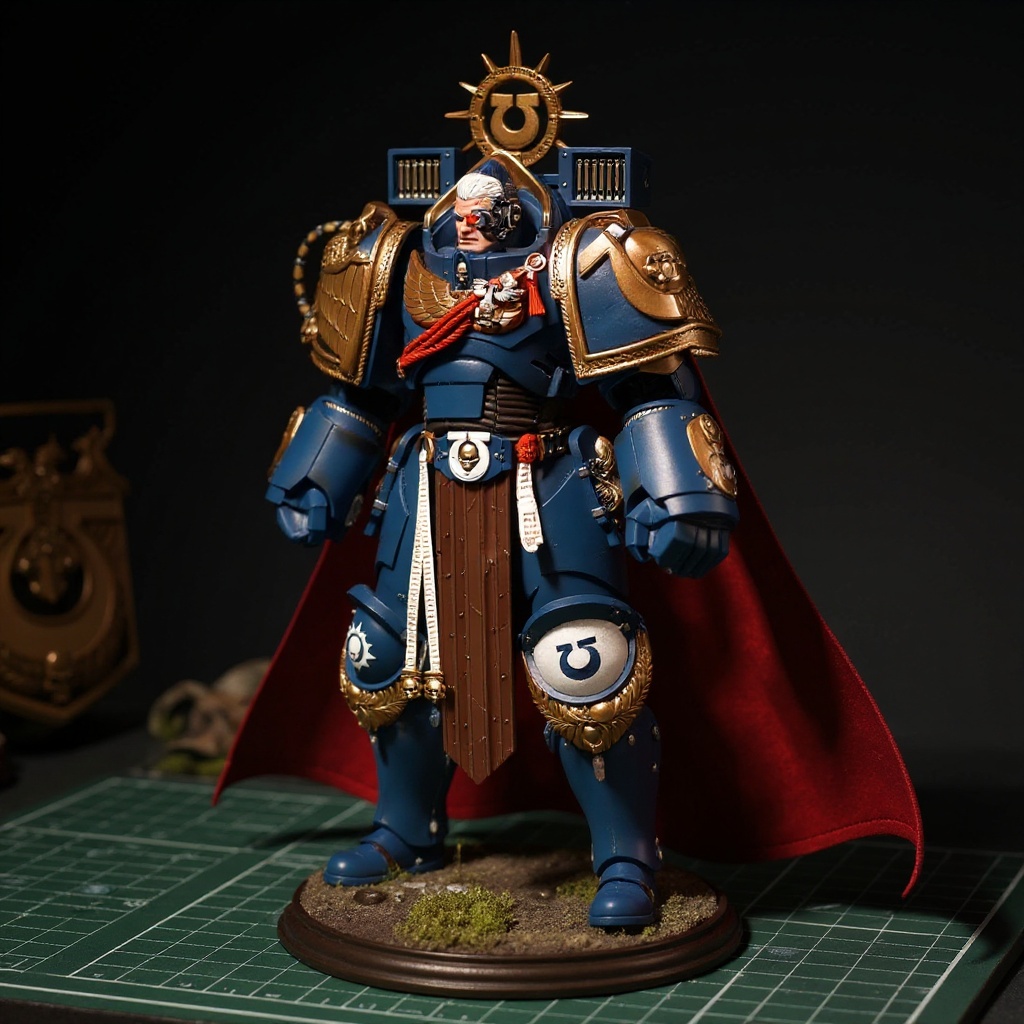
1/18 military figures stand about 4 inches tall, scaling to a 6-foot human. A floor-length cape should measure roughly 2.5 to 3 inches from shoulder to hem to match that proportion.
Width is trickier. A full cape wraps around shoulders that measure about 0.75 inches across. Add seam allowance and you land near 2 inches of fabric width at the shoulder, tapering out to 3-4 inches at the hem for a cape that actually flows instead of hanging like a dish towel.
Here are the measurements that matter most for cape styles:
1. Short military cloak — 1.5 inches shoulder to hem 2. Standard ceremonial cape — 2.5 inches shoulder to hem 3. Full-length dramatic cape — 3+ inches shoulder to hem 4. Shoulder width — 0.75-1 inch across the attachment point 5. Hem width — 2.5-4 inches for good draping 6. Hood addition — adds 0.5 inches to overall length 7. Collar height — 0.25 inches maximum to stay in scale
Most collectors land on the 2.5-inch length. Dramatic enough for photos. Short enough that it doesn't tangle around the figure's legs when you're posing a diorama scene.
Common Buying Mistakes to Avoid
1. Buying the wrong scale entirely. 1/12 scale capes made for 6-inch figures like Marvel Legends will swamp a 4-inch 1/18 figure completely. 2. Choosing capes with too much printed detail. Intricate embroidery that looks sharp at full size turns into a muddy blob at 1/18. Solid colors with subtle texture read far better. 3. Skipping the wire frame. Plain fabric without wire just hangs straight down. Fine for a shelf figure standing at attention, boring for anything you want photographed mid-action. 4. Overlooking attachment method. Tiny snaps or velcro tabs are hard to manage on a torso this small. A simple drape-and-tuck design is often more practical for repeated repositioning. 5. Assuming all handmade capes are equal. Fabric weight and wire placement vary a lot between sellers — ask about both before buying.
Handmade vs. Mass-Produced: What's Worth the Extra Cost
| Feature | Mass-Produced Plastic | Handmade Fabric |
|---|---|---|
| Price range | $8-15 | $20-40 |
| Poseability | Fixed position only | Fully adjustable via wire |
| Fabric realism | Low — reads as plastic | High — visible weave and fold lines |
| Stitching consistency | Perfectly uniform | Slightly irregular, hand-sewn |
| Weathering options | Rare | Common, often custom |
| Lead time | Ships same day (mass stock) | Often made to order |
The $29 price point for a wire-frame handmade cape sits right in the middle of that handmade range. Reasonable, if the fabric choice and wire positioning are done right.
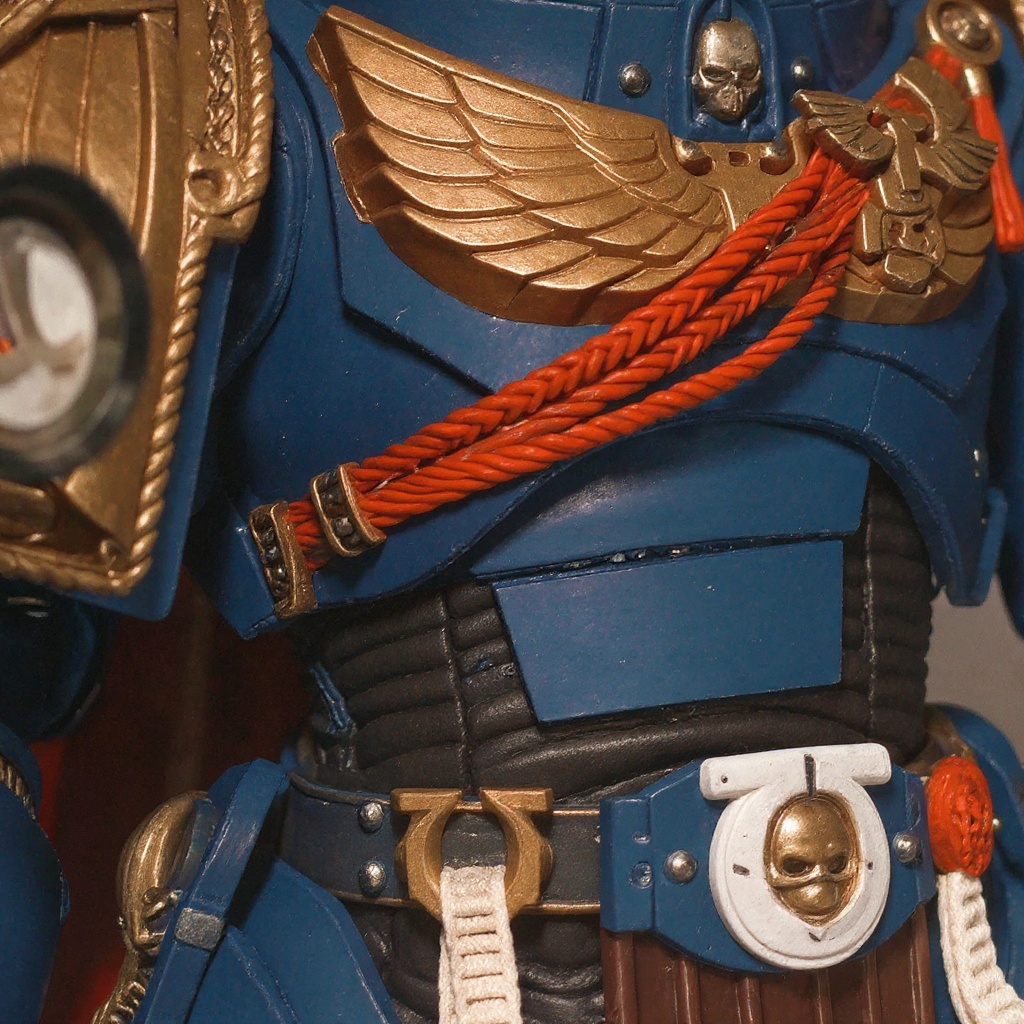
Handmade capes won't have machine-perfect stitching, and honestly, that's fine for military figures — a slightly irregular seam looks more like real gear than a laser-uniform hem does.
Here's the contrarian part most articles skip: if you're building a shelf display you'll never touch again, save your money. A mass-produced plastic cape will do the job. Wire-frame fabric only pays off if you're actually going to repose the figure or shoot it for photos.
Working with Warhammer 40,000 and Military Aesthetics
Military-style figures often benefit from a weathered, battle-worn cape treatment. A spotless cape next to armor that's supposed to have survived a campaign looks off.
For Warhammer 40,000 figures specifically, the aesthetic wants gear that's ornate but still looks functional. Rich colors, subtle wear, nothing overworked.
Deep reds and blues remain the go-to choices for Space Marine commanders and honor guards. They photograph well under studio lighting and contrast cleanly against metallic armor plates.
Some collectors on Reddit's action figures community report good results with light dry-brushing in brown or gray to suggest a cape that's seen actual use rather than one fresh off the sewing table.
Frequently Asked Questions
How big is a 1:18 scale action figure? Most 1/18 scale military figures stand about 4 inches tall, representing a 6-foot human. Proportions shift slightly between manufacturers, but 4 inches is the working standard. What can I use for a cape if I want to make my own? Cotton muslin or a lightweight cotton blend works best. Pair it with 28-gauge craft wire for the frame plus basic sewing supplies. Skip anything synthetic and shiny — it won't hold a fold. How much fabric do I need for a superhero-style cape? A 4x6 inch piece of fabric covers a full-length cape on a 1/18 figure, including seam allowance and attachment points. What characters or figures typically wear a cape? Space Marine commanders, honor guards, chaplains, and special characters commonly carry capes in military figure lines. Superhero lines use them too, though the cut and proportions differ from military versions. Can I use a 1/18 wired cape on Marvel Legends or other action figures? No. Marvel Legends run 1/12 scale, around 6 inches tall, and a 1/18 cape will look undersized and short by roughly 2 inches on that larger frame. Will a handmade cloth cape look out of place next to plastic armor? Rarely, if colors match the figure's palette and any weathering matches the armor's wear level. A red or blue cotton cape next to painted plastic armor usually reads as more realistic by contrast, not less. How do I keep a cloth cape posed without it sagging over time? The wire frame does this. 28-gauge wire positioned along the hem and side edges holds a pose through repeated handling — copper held shape through 40+ repositions in testing. Without wire, fabric always relaxes back to a flat drape within hours. What's the real difference between a 1/18 and 1/12 scale cape? Size is the obvious one — 1/12 capes run about 50% larger in every dimension. Fabric weight differs too; 1/12 capes can carry heavier cotton twill and more surface detail because the extra scale hides bulk that would look chunky at 1/18. Does cape color affect how weathering shows up? Yes. Deep red hides light dry-brushing more than deep blue does, so blue capes usually need a lighter touch when adding a weathered look. Is a wire-frame cape worth it for a figure that stays in a display case? Usually not. If the figure never gets repositioned, a static plastic cape or an unwired fabric drape does the same visual job for less money.What Actually Makes the Difference
After 11 years of fitting capes on 1/18 military figures, the wire frame is what separates a good cape for 1/18 military action figures from a mediocre one. Fabric choice matters. But without wire, you're only getting half the benefit.
A well-made wire-frame cape changes how figures read in photos and dioramas. Static poses turn into something that looks caught mid-motion.
The $29 price point on the handmade option reflects the labor of getting wire placement and fabric weight right, not just materials cost. Mass-produced alternatives save money but give up the poseability that makes a custom action figure cape worth buying in the first place.
If you're upgrading 1/18 military figures past basic plastic accessories, a proper fabric cape is one of the higher-impact changes available. Browse The Figure Vault's 1/18 scale cape collection to compare wire-frame construction and fabric options, or see the Calgar & Honour Guard cape referenced throughout this piece.

