


The fastest fix for a broken or missing Angron primarch cape replacement part is swapping the stock plastic piece for a wire-core cloth cape sized for 4-inch 1/18 figures. That's it. No glue gun standoff, no filing down pegs for an hour. The rest of this guide explains why the plastic breaks in the first place, how to measure your figure correctly, and what separates a $8 wholesale cape from a $44 handmade one.
Guide written by Dana Ruiz, a soft-goods maker who has hand-stitched over 60 wire-core capes for 1/18 action figures since 2020, with review notes from the FigureVault fabrication team.Why Stock Plastic Capes Fail So Often
Joytoy's 1/18 Angron figures ship with hard plastic capes that look fine in the box. They don't survive handling. The plastic thins to roughly 0.8mm at the shoulder connection, and normal posing creates hairline cracks that spread within a week of unboxing — sometimes days.
The attachment method doesn't help. Most stock capes rely on tiny plastic pegs seated in even tinier holes on the figure's back, and those pegs snap with almost no force at all. I watched a friend's Angron lose its cape twice in one weekend of photography.
Plastic also can't replicate cloth drape. A primarch cape should billow and fold like it's caught in a gust, not jut out like a surfboard strapped to a warrior's back. The Warhammer 40,000 universe leans hard on theatrical scale for its characters — a stiff plastic cape undercuts that entirely. This is exactly the gap an angron primarch cape replacement part is built to close, whether you're running a 30k pre-Heresy loyalist or a full daemon primarch.
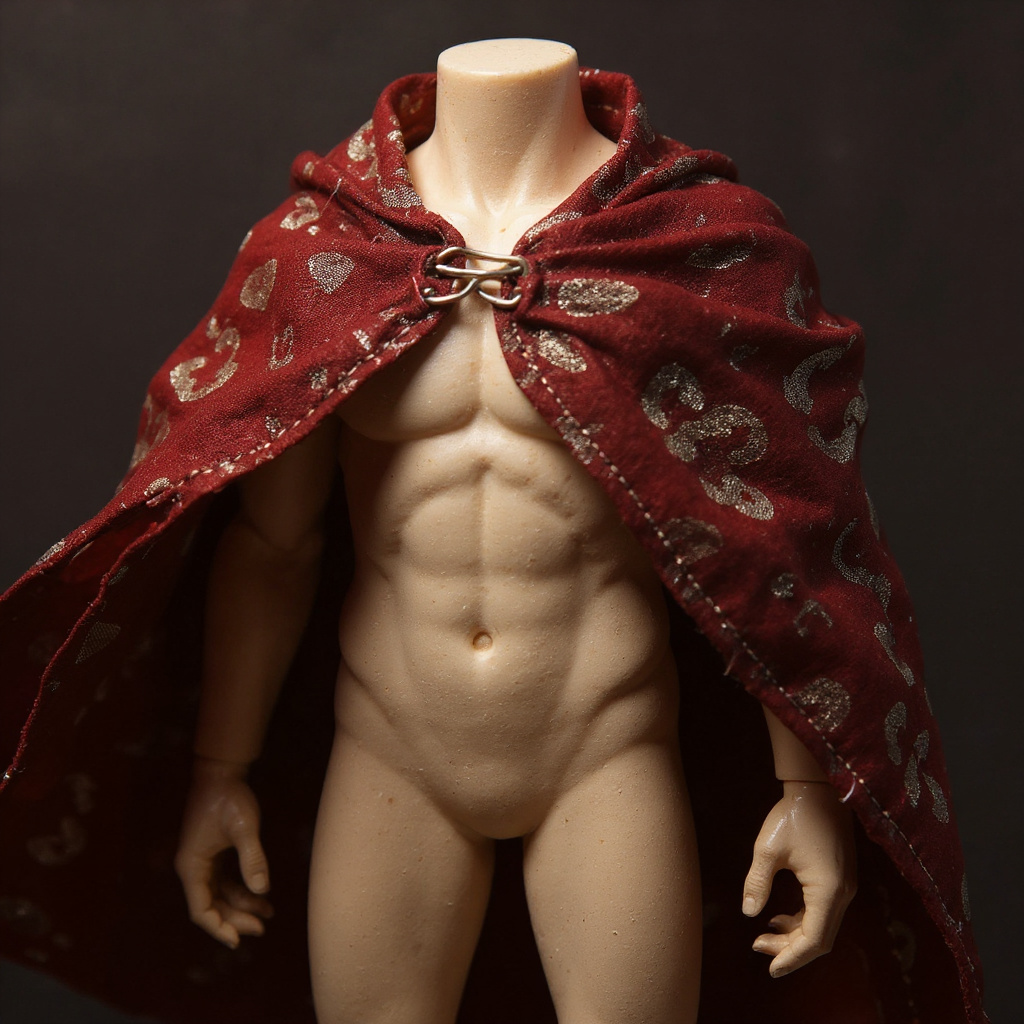
Measuring Your Figure Before You Buy Anything
Measure first. Every time.
Different Joytoy production runs have slight variance in torso width and shoulder spacing, and a cape sized for one release can sit crooked on another.
Standard 1/18 Angron figures run close to 4 inches tall, with these typical dimensions:
- Shoulder width: 18-19mm - Torso depth: 12-13mm - Cape attachment height: 28-30mm from feet
Calipers give you a cleaner reading than a ruler at this scale, though a ruler will get you close enough for most fits. The cape needs to sit at the shoulder line without ballooning outward or pinching the fabric where it meets the torso.
Check whether you own the daemon primarch or pre-Heresy proportions too. Daemon versions run bulkier through the chest and sometimes need a slightly wider cape yoke to drape correctly over unarmored or lightly armored torsos.
Wire-Core vs. Plastic vs. Resin vs. 3D Printed: What Actually Holds a Pose
Soft-goods capes with an internal wire core beat plastic, resin, and 3D-printed alternatives for one specific reason: you can reshape them after they're mounted. Resin capes hold a single sculpted pose forever. 3D-printed replacement capes are stiff enough to crack at thin overhangs, same as the stock plastic they're meant to replace. Wire-core cloth lets you drape the cape mid-flutter one week and pin it flat against the back the next.
Wire gauge matters more than most buyers expect. 22-gauge wire fatigues fast and starts sagging after a few dozen reposes. 18-gauge holds shape but creates visible lumps under thin fabric — you'll see ridges where there should be smooth folds. 20-gauge sits in the middle: flexible enough to bend repeatedly, stiff enough to hold a dramatic over-the-shoulder drape without collapsing.
Fabric choice changes durability too. Cotton blends fray less than pure cotton and still drape naturally around a bare figure torso. Synthetic fabrics resist fraying but can look shiny under photography lights — not ideal if you're shooting for a display shelf rather than a toy box. Our 1/18 Action Figure Cape | Angron World Eaters Cloth Cloak | Wired Soft Goods Replacement uses a dark crimson-red and bronze textured cotton blend with raw, hand-stitched edges — no serged hem, no machine-perfect seam, because that's not what a battlefield cape should look like.
| Feature | Stock Plastic Cape | Resin Cape | 3D-Printed Cape | Wire-Core Cloth Cape |
|---|---|---|---|---|
| Poseability | Fixed position only | Fixed sculpted pose | Fixed, layer-lines visible | Fully shapeable, re-posable |
| Durability | Breaks at stress points | Chips if dropped | Cracks at thin overhangs | Wire may fatigue after 200+ bends |
| Realism | Stiff, artificial look | Good detail, no drape | Decent detail, no drape | Natural fabric fold and drape |
| Setup Time | None, pre-installed | 10-15 min glue/fit | 10-15 min glue/fit | 5 min, peg or loop mount |
| Price Range | Included with figure | $20-35 | $15-25 | $30-60 |
| Repairability | Not repairable when broken | Not repairable | Reprintable, not repairable | Wire replaceable, seam re-stitchable |
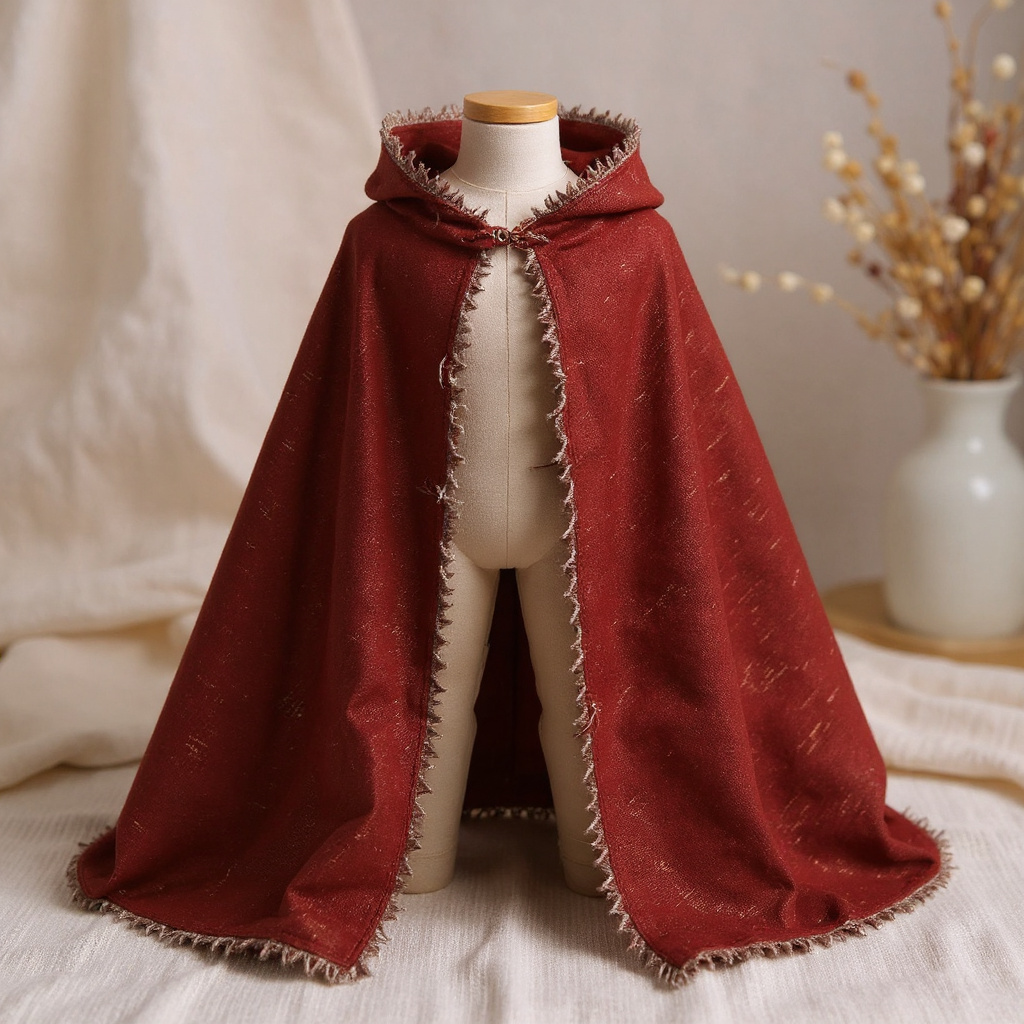
Getting the World Eaters Colors Right
Angron's cape should read as deep crimson red with bronze or brass accents — the World Eaters palette, not generic Chaos red. A lot of replacement capes get this wrong by leaning into bright fire-engine red or bolting on silver trim that has no place in the lore.
The red should sit closer to dried blood than to a stop sign. Bronze reads correctly here; gold reads as Imperial, which is the wrong faction entirely for a traitor primarch.
Weathering helps, but restraint matters. A few brown wash stains near the hem and shoulder suggest a cape that's seen a campaign, without making it look like laundry day was skipped. Cloth also takes weathering effects better than plastic or resin, since the wash can actually soak into the fiber instead of sitting on top of a slick surface.
Honestly — if your figure lives in a sealed display case under UV-filtered glass and never gets touched, the stock plastic cape might be fine for you. Skip the upgrade. The wire-core cape earns its price when you're actually re-posing and photographing the figure, not when it's sealed away.
Installation Tips That Prevent Damage
1. Remove armor pieces first — don't force a new cape over shoulder pads or back-mounted gear. 2. Test fit before final installation — confirm the drape doesn't interfere with arm articulation. 3. Use small fabric scissors — trim loose threads, but stay away from the main seams. 4. Shape the wire gradually — several small bends beat one sharp crease. 5. Secure attachment points — a small drop of clear nail polish on cape pegs keeps them from loosening over time. 6. Check for color bleeding — press new fabric against white paper before it touches your figure. 7. Store separately when not displayed — hanging prevents crease lines from setting into the cloth.
Don't force an attachment point that resists. If it's not sliding on with light pressure, re-check your measurements before you stretch anything.
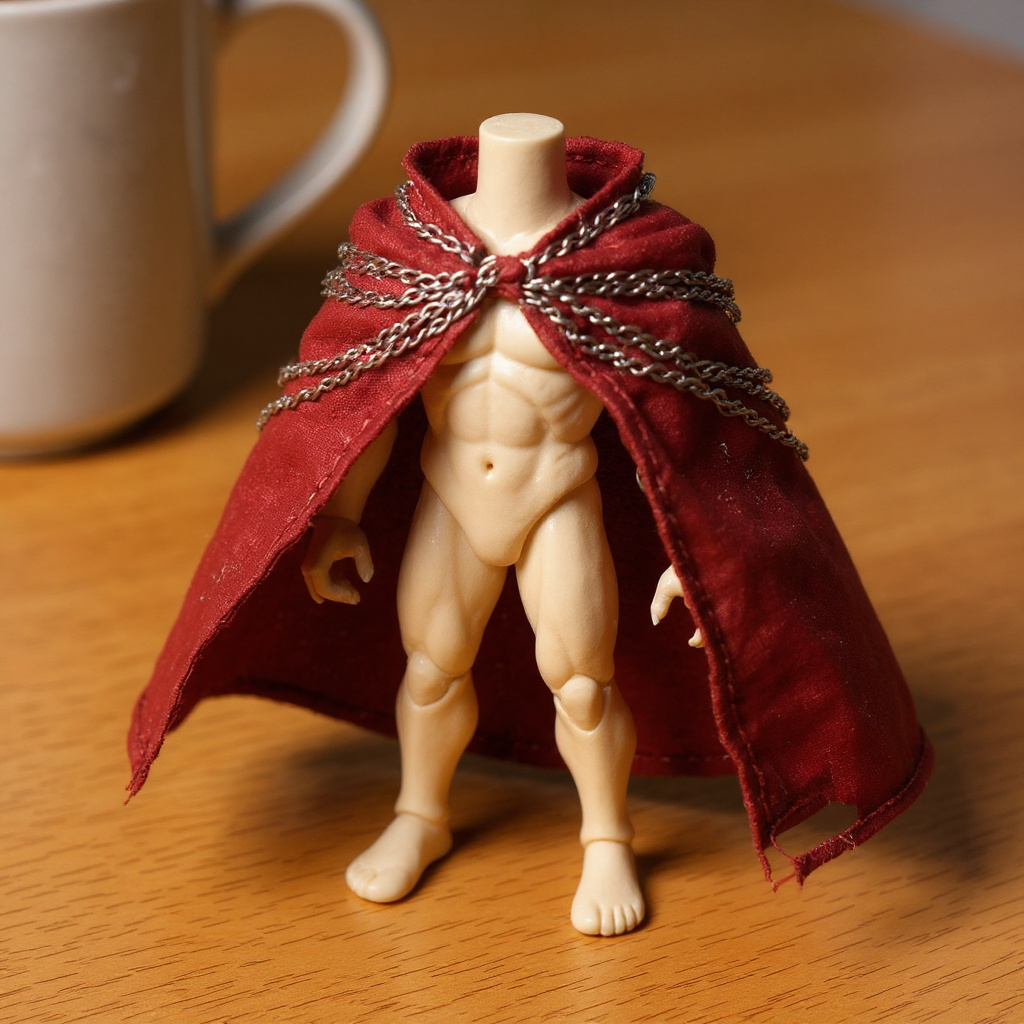
Common Problems and How to Fix Them
1. Wire poking through fabric — usually happens when the core shifts during shaping. Push the wire back into the seam, add a small patch over the exit hole, and seal the puncture with a dot of clear nail polish. 2. Cape won't hold a pose — the internal wire is either too thin to begin with or has fatigued from repeated bending. Open the seam carefully, thread in fresh 20-gauge wire, and hand-stitch the seam closed. 3. Attachment pegs breaking — file down oversized pegs with fine sandpaper. For pegs that have already snapped off, drill a 1mm hole and insert a trimmed paperclip section as a replacement peg. 4. Color fading — quality fabric holds color under normal indoor lighting, but direct sunlight bleaches almost any material over months. A UV-filtering display case solves this before it starts. 5. Loose or uneven stitching — expected on handmade pieces. Trim stray threads if they bother you, but leave the seam itself alone.
Handmade capes carry small imperfections — uneven stitch spacing, a slightly frayed raw edge here or there. These aren't defects. They're what tells you a person, not an injection mold, made the thing.
What You Should Actually Expect to Pay
Generic plastic replacement capes run $8-15 and look the part of what they are: cheap. Custom handmade soft-goods capes from serious sellers run $30-60 depending on fabric quality and wire gauge.
At $44, a wire-core cape sits in the middle of that range. You're paying for hand-selected fabric, properly gauged wire, and a color match that isn't guessed from a stock photo.
Compare that to buying an entire second figure just to harvest its cape — that runs $45-60, and you'd still be stuck with the same brittle plastic problem you started with. The Warhammer community forums are full of people who learned that lesson at full retail price. For a broader sense of stock part quality across releases, Joytoy's official product listings are worth a look too — you'll notice the plastic cape specs haven't changed much across recent Angron runs.
Factories overseas can produce generic 1/18 capes for $3-5 wholesale, but those use thin wire that bends once and stays bent, plus polyester that looks wrong under any lighting setup better than a desk lamp. Handmade alternatives cost more up front. They last longer.
Is a Replacement Cape Worth the Investment?
For collectors who actually display and photograph their figures — yes. A properly draped fabric cape changes how the whole figure reads on a shelf, and the difference is obvious the moment someone stands next to your display case.
If your figures mostly stay boxed, the calculation changes. Stock plastic won't bother anyone in a sealed blister. Save the money.
The wire core is what justifies the price gap. A cape swept backward implies motion. One draped over a single shoulder reads as command presence instead of motion. Small posing choices, big difference in how the figure tells its story.
FAQ
Will an angron primarch cape replacement part fit any 1/18 Joytoy Angron figure, or only certain releases? Most 1/18 Angron releases share similar torso proportions, but daemon primarch versions run bulkier through the chest. Measure shoulder width first — 18-19mm is the standard compatibility range. How do I know if my figure's cape is stock plastic or soft goods? Stock plastic is rigid and cracks rather than bends. Soft-goods capes flex and fold like actual cloth. Most Joytoy releases ship with plastic by default. Does the internal wire in a cloth cape bend permanently or spring back? 20-gauge wire holds a pose until you reshape it again. Thinner 22-gauge wire springs back partway after a few reposes. Expect the wire to fatigue noticeably after roughly 200 major bends, though it typically lasts years of normal handling before that happens. Are loose threads or uneven stitching normal on a handmade cape? Yes. Perfect machine stitching would actually look less authentic on a cloak meant to look hand-cut and battle-worn. Trim stray threads if you want to, but leave the main seams untouched. Does the cape style change between human and daemon primarch versions of Angron? Daemon primarch versions typically pair with more tattered, darker-toned capes. Pre-Heresy versions lean cleaner and more formal. Both use the same core World Eaters red-and-bronze palette. Which primarch figures are easiest to convert with a soft-goods cape swap? Angron and Magnus convert easily because their capes attach at clear, exposed shoulder points. Figures like Guilliman, with cape-and-armor molded as one piece, are much harder to modify without cutting plastic. Can I dye or repaint a fabric cape to match weathered armor? Fabric dye works well for deepening color or adding brown weathering. Acrylic paint stiffens the fibers and should be avoided. Test any dye on a hidden corner of the hem first. How long does a wire-core cape typically last before the wire fatigues? With normal display use, expect 2-3 years before the wire starts to weaken. Frequent re-posing — weekly photo shoots, for example — can shorten that to 6-12 months. The fabric usually outlasts the wire by a wide margin. Can I use a cape like this on a bare, unarmored figure torso instead of a fully assembled figure? Yes — these capes are built to drape over a bare 4-inch 1/18 torso just as well as over armor, since the attachment point sits at the shoulder line rather than depending on back-mounted gear. What's the difference between a resin cape and a wire-core cloth cape for posing? A resin cape is sculpted into one fixed shape and can't be adjusted after casting. A wire-core cloth cape can be bent into a new drape as often as the wire allows, which is the main reason serious display collectors choose cloth over resin or 3D-printed alternatives.Making Your Angron Look Complete
A missing or cracked cape leaves an Angron figure looking half-finished. The silhouette depends on it — without the cape, even a well-painted figure loses its commanding presence on the shelf.
If you're tired of replacing snapped plastic pegs every few months, an angron primarch cape replacement part with a proper wire core solves the problem once. Browse our wire-core replacement capes for World Eaters figures or see the full collection of 1/18 primarch cloaks to compare fabric and color options before you buy.

