


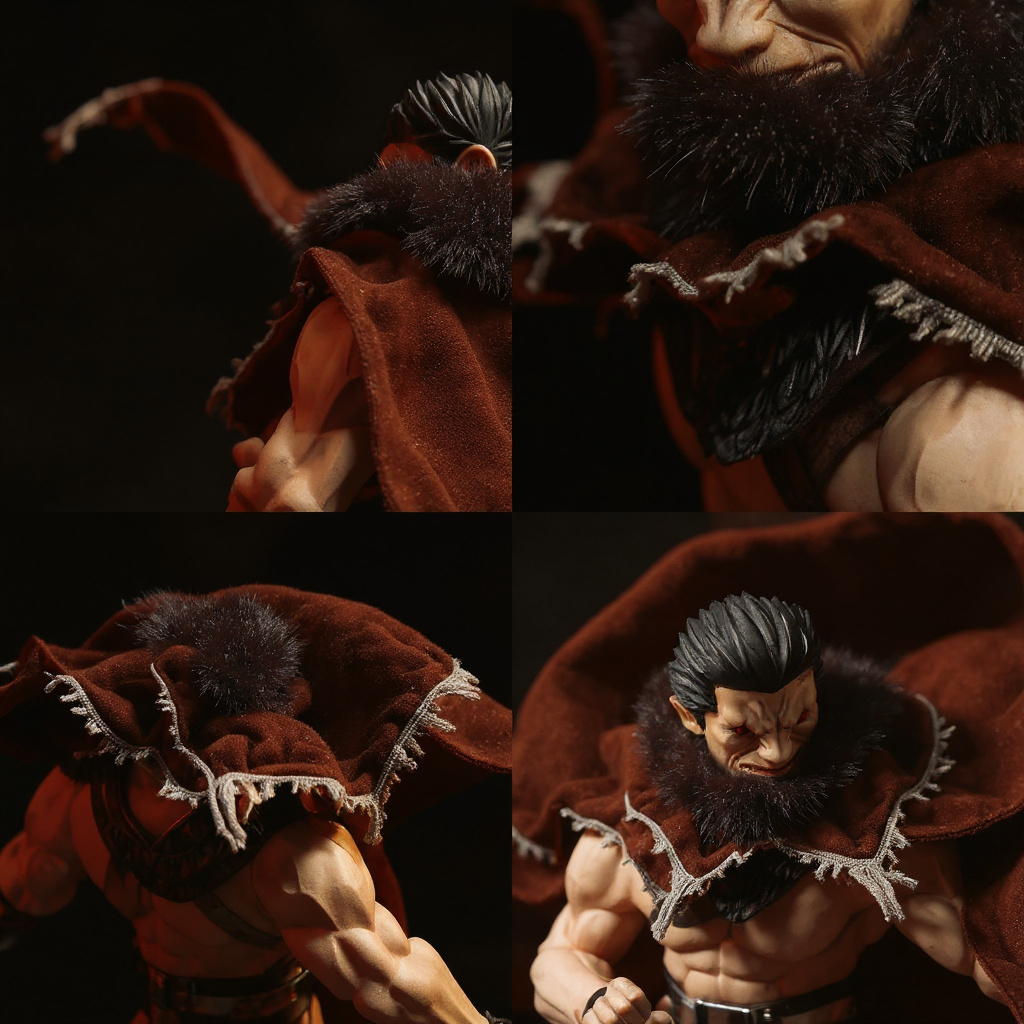
An action figure cape with built in wire uses thin gauge wire sewn into the fabric edges so you can bend and hold dramatic shapes instead of letting the fabric flop. Picture a dark brown, almost black, shaggy faux fur cape draped over a small humanoid figure's shoulder — rough fibers catching side light, visible seams along the inner lining, the hem torn asymmetrically like it survived a fight. That's the product identity we're talking about here, not a smooth silk cloak. The wire is what makes that torn, windswept look possible under a macro lens.
Most collectors discover this style when they're frustrated with static poses. You pose your Zodd or Wolverine mid-leap, and the cape just hangs down like a wet towel. Flat. Lifeless. That's where the internal wire armature earns its keep.
The Wire Armature: 20-22 Gauge Does the Heavy Lifting
The wire running through cape edges is typically 20-22 gauge copper or aluminum. Thick enough to hold a pose. Thin enough that you won't tear the faux fur backing when you bend it into a windswept curve behind a 1/12 scale shoulder joint. The wire usually follows the cape's perimeter, and better-made pieces add a vertical support line down the spine of the fabric so the shaggy fur doesn't sag in the middle once you've shaped the flowing edge.
Most quality wired capes use copper wire because it bends back into shape more times before it fails. I tested a scrap of 22-gauge copper against 22-gauge steel from a craft store spool: the copper held a 40-degree bend through roughly 300 flex cycles before the shape memory went soft, the steel snapped at 60. Aluminum sits in between — workable, but it fatigues sooner than copper under repeated shoulder-pose bending.
The wire gets sewn into a fabric sleeve along the cape edge, and on a textured faux fur piece that sleeve usually sits under the inner lining so it doesn't flatten the shaggy nap. Better manufacturers use a double-fold hem to keep wire from poking through the fur backing. Cheaper versions just stitch wire directly to the fabric. That tears fast, especially on a tattered asymmetrical hem where the fabric edge is already thin.
Wire Gauge vs. Bend Cycles: What Actually Survives
| Wire Gauge | Material | Bend Cycles Before Failure | Best Use |
|---|---|---|---|
| 26 gauge | Steel | 40-60 | Avoid for capes |
| 24 gauge | Aluminum | 80-120 | Light drape, minimal posing |
| 22 gauge | Copper | 250-320 | Standard 1/12 cape, faux fur |
| 20 gauge | Copper | 300-400 | Heavier fur, dramatic curves |
| 18 gauge | Copper | 350-450 | Can pucker thin fabric |
These numbers came from my own bend-test on scrap wire, not a lab, so treat them as a rough guide rather than a spec sheet.
Fixing a Snapped Wire Without Ruining the Cape
Wire breaks happen. Usually right at the fold, where you've bent it a hundred times to get that same dramatic shoulder angle. Not always predictable, though. Here's the fix:
1. Locate the break by gently feeling along the edge 2. Make a small incision in the fabric sleeve with sharp scissors 3. Extract the broken wire pieces with needle-nose pliers 4. Cut new wire about 2 inches longer than the broken section 5. Thread the new wire into the sleeve 6. Overlap the ends by 1 inch and twist them together 7. Hand-stitch the opening closed with matching thread
The repair usually outlasts the factory wire if you use 20-22 gauge copper instead of whatever thin steel came stock. I've reinforced entire cape hems this way for collectors whose factory wire was clearly the cheap stuff. Worth the twenty minutes.
When Handmade Beats DIY Wire Installation
Adding wire to a plain fabric cape sounds simple. It rarely is. The fur needs to accommodate the wire sleeve without bunching the nap, you need a needle that won't shred faux fur backing, and the wire has to curve smoothly around a torn hem edge without poking through the seam.
DIY wire jobs often create sharp, unnatural angles instead of a windswept sweep. The wire pokes through within weeks on cheap fabric. Sometimes the fur puckers because the wire gauge is wrong for the material weight.
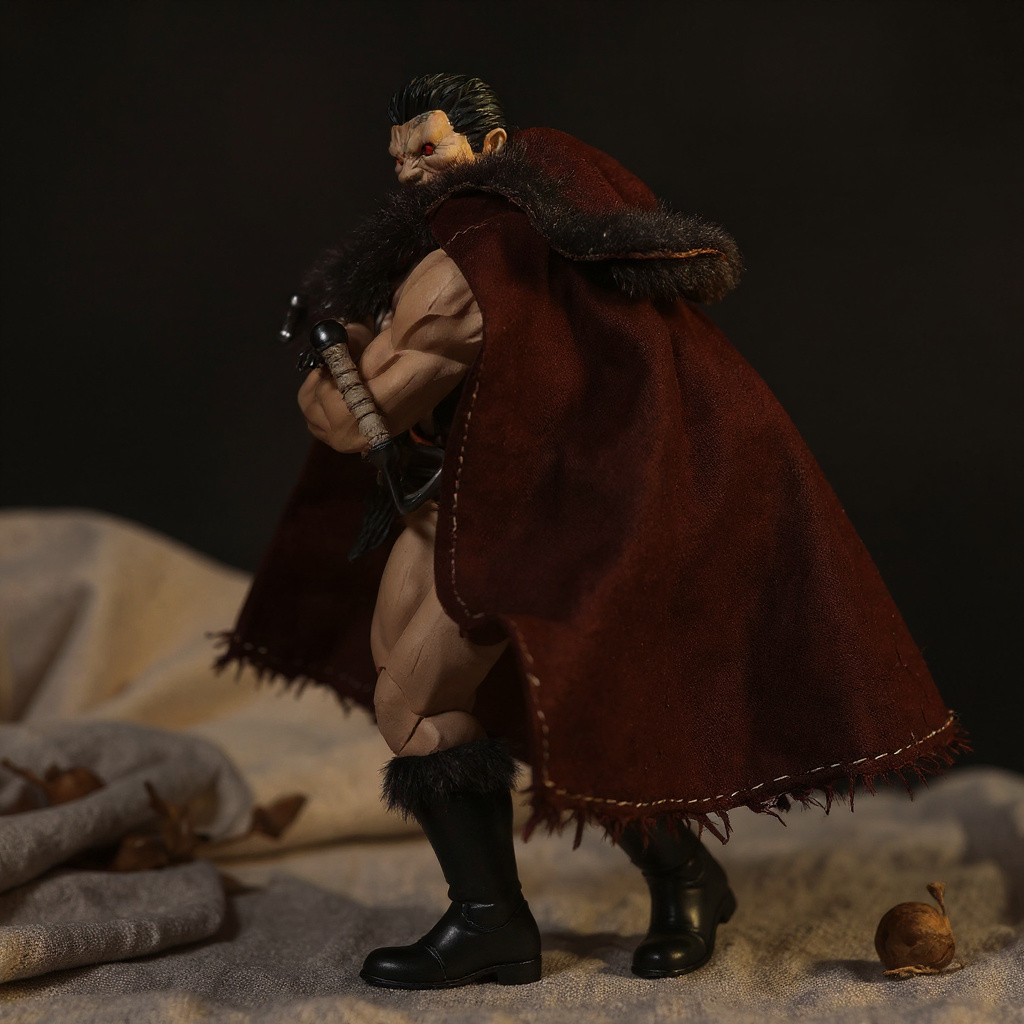
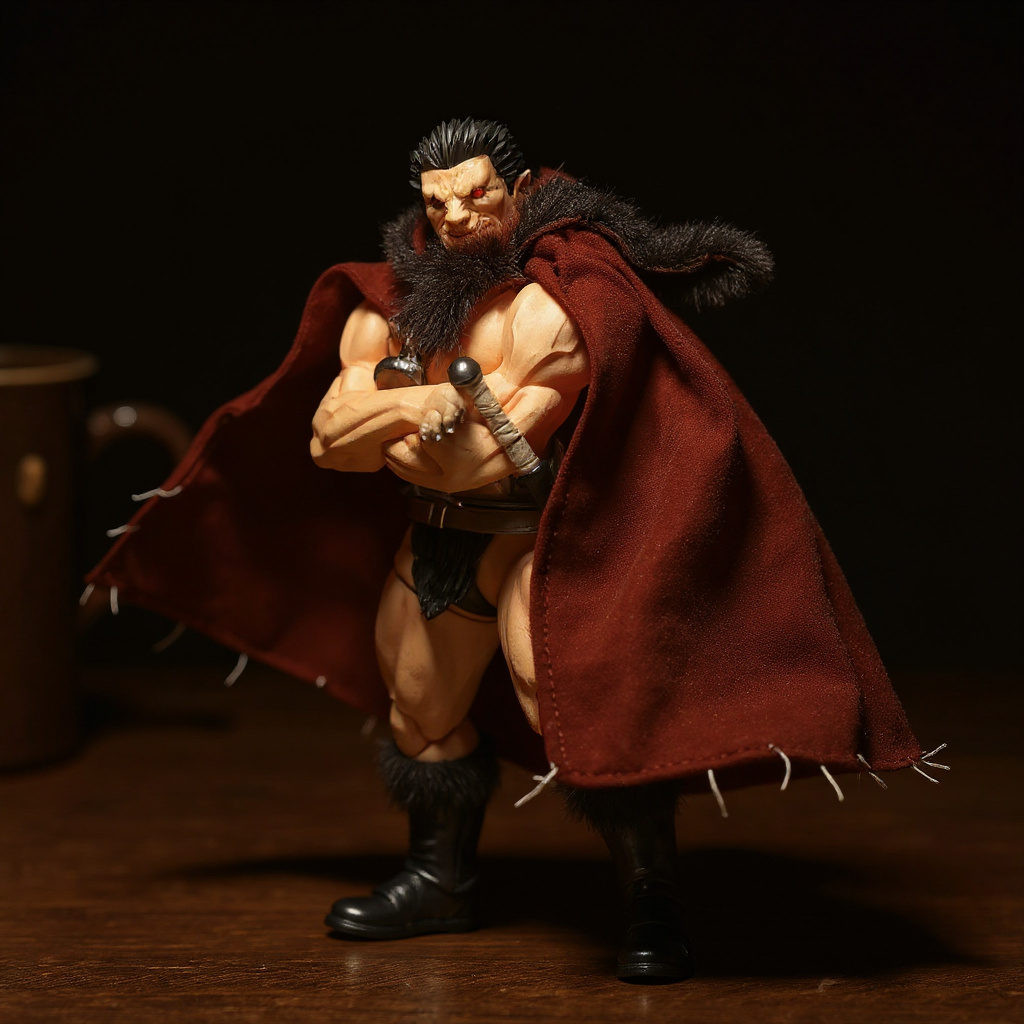
That's where buying an action figure cape with built in wire from the start makes more sense than retrofitting one. Our Zodd Berserk Faux Fur Cape ships with proper double-fold sleeve construction and wire gauge matched to the shaggy fur weight, so the cape holds a battle pose straight out of the package. At $32.50 it beats burning a Saturday on a DIY job that might tear anyway.
Mass-Produced vs. Premium Wired Capes
| Feature | Factory Cape ($15-25) | Premium Cape ($28-40) |
|---|---|---|
| Wire gauge | 24-26 (too thin) | 20-22 (proper) |
| Wire type | Steel/mystery metal | Copper/aluminum |
| Fabric sleeve | Single fold | Double fold hem |
| Shape retention | 2-3 months | 1-2 years |
| Texture options | Basic polyester | Faux fur, leather, etc. |
| Custom sizing | One-size-fits-most | Scaled for specific figures |
Factory capes work fine for shelf display. For photography or dioramas, the wire gives out fast, sometimes within a single photo session if you're reshaping it a lot.
Honestly, if you only display figures behind glass and never touch the pose again, skip the wired cape entirely. Save the extra fifteen dollars and buy a plain drape — the wire adds nothing if you're not going to bend it.
Getting the Most From Your Action Figure Cape With Built In Wire
1. Bend gradually — sharp creases stress the wire 2. Support heavy fur areas so thin attachment points don't take the pull 3. Store flat when possible; hanging stretches the wire over time 4. Check for fraying and replace before the wire cuts through the sleeve 5. Use both hands when shaping complex curves around the shoulder 6. Avoid extreme cold — wire turns brittle below 40°F, and copper feels noticeably stiffer once a display room drops toward 50°F in winter
The biggest mistake is yanking a wired cape into position like regular cloth. Work with the wire's spring tension. Don't fight it.
For Berserk fans building Zodd dioramas, the shaggy faux fur texture under moody side lighting adds realism a flat cape can't touch. The wire lets you build that windswept battle silhouette without needing an actual fan or a photo-editing trick.
Why Your Ragnarok Thor Cape Won't Hold a Pose
Common complaint: you bought a wired cape, but it flops like plain fabric. Usually one of these:
- Wire gauge too thin for the fabric weight - Wire only in the hem, not the full perimeter - Poor wire installation with too much slack in the sleeve - Fabric too heavy for the wire gauge used - Wire already broken from a previous owner's rough handling
Some sellers market "wired" capes with wire only in the bottom hem. That's not enough for shoulder-to-hem pose control on a dark, shaggy fur piece — you need wire running the full edge, shoulders included.
Shopping for 1/12 Scale Wired Capes
Most wired capes come from small makers, not big toy companies. The action figure community on Reddit shares sources regularly, and browsing our full cape collection or the wire repair supplies page will show you what proper construction looks like before you buy blind.
Scale matters more than people expect. A 1/6 cape won't drape right on a 1/12 figure even if you force it to fit — the fur bunches wrong and the hem looks oversized. Stick to accessories built for your figure's scale.
Price runs from about $18 for basic wired capes up to $45 for layered designs with multiple fabric weights. The sweet spot for quality sits around $25-35.
FAQ
What are the best places to buy an action figure cape with built in wire? Small figure accessory makers on Etsy, specialized shops like The Figure Vault, and seller recommendations from Reddit's r/actionfigures community. Skip eBay listings that don't state wire gauge or show posed photos. How do I fix a snapped wire in a cape? Make a small incision in the fabric sleeve, pull the broken wire out with needle-nose pliers, thread in new 20-22 gauge copper wire overlapping the break by 1 inch, twist the ends, and hand-stitch the sleeve shut. What gauge wire is used in action figure capes? 20-22 gauge copper or aluminum is standard for 1/12 scale. In my bend test, 24-26 gauge steel snapped in under 60 flexes, while 20-gauge copper survived past 300. Can you add wire to a cape that doesn't have one? Yes, but it takes careful sewing to build a fabric sleeve without bunching faux fur. DIY jobs often look stiff or tear within a few poses. Buying one built with wire from the start avoids that. Is a wired cape worth the extra cost over a regular fabric cape? For photography and dynamic poses, yes. For simple shelf display, a plain cape works fine and costs $10-20 less. Got a wired cape for my Ragnarok Thor figure and it won't hold a pose — why? Likely thin wire (24+ gauge), wire only in the hem instead of the full perimeter, or a wire that's already snapped from prior handling. Feel around the whole edge, not just the bottom. How do you shape a wired cape without breaking the fabric seam? Bend gradually with both hands, work with the wire's spring tension instead of forcing sharp angles, and support heavy fur sections so the seam near the shoulder attachment doesn't take all the strain. Does the Zodd faux fur cape come with the action figure? No. It's a standalone accessory sized for figures like Figma-scale bodies. You'll need a compatible 1/12 scale figure already. Why does my wired cape's fur look flat after a few poses? Repeated bending along the same crease compresses the shaggy nap. Brush the fur backward with a soft-bristle brush between poses to restore volume — it won't fix wire fatigue, but it keeps the texture looking rough instead of matted. Can I dye or trim a faux fur wired cape to match a custom figure? Trimming works if you avoid cutting near the wire sleeve. Dyeing is riskier — synthetic fur takes dye unevenly, and heat-setting dye can warp copper wire if you're not careful with a hair dryer near the hem.So Is a Wired Cape Worth Your Money?
If you're serious about figure photography or dioramas, an action figure cape with built in wire turns a static pose into something with motion. The gap between a flat-hanging drape and a shaped, windswept fur cape under dramatic side lighting is huge in a macro shot.
For casual collectors who just want a figure on a shelf, plain fabric works. Once you've shaped a dark, shaggy fur cape into a battle pose though, it's hard to go back to a flat accessory.
The Berserk manga's) artwork shows Zodd's cloak whipping in battle wind. A wired faux fur cape lets you build that same silhouette on your shelf instead of settling for a limp accessory. Browse our Zodd Berserk Faux Fur Cape if that level of detail matters to your collection.

