


title: "Soft Goods Cape vs Plastic Cape Action Figure: A 1/12 Gladiator Guide" description: "Soft goods cape vs plastic cape action figure compared on drape, wire posing, detail, durability, and cost for 1/12 scale gladiator figures."
By the Figure Vault Editorial Team. Disclosure: The Figure Vault sells the product linked near the end of this guide. Prices are listing ranges noted at the time of writing, so check current listings before you buy.
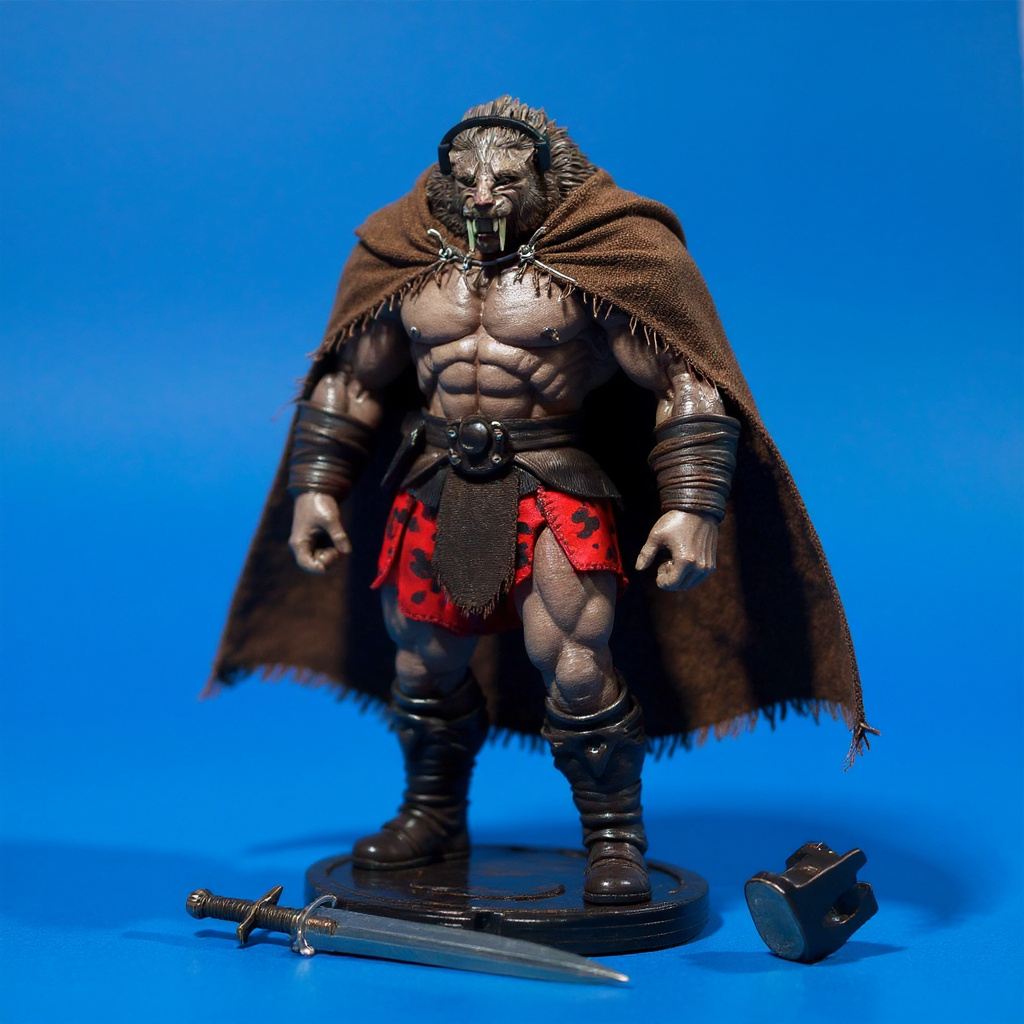
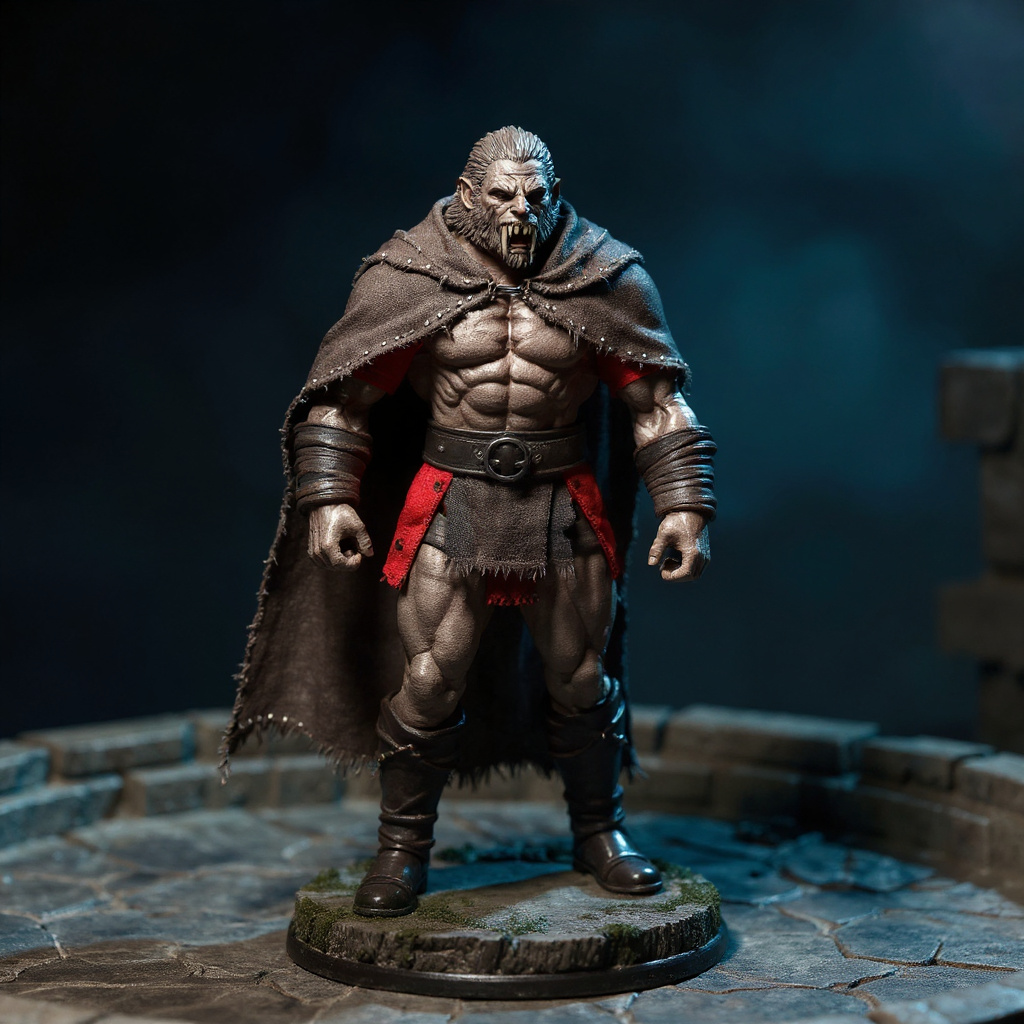
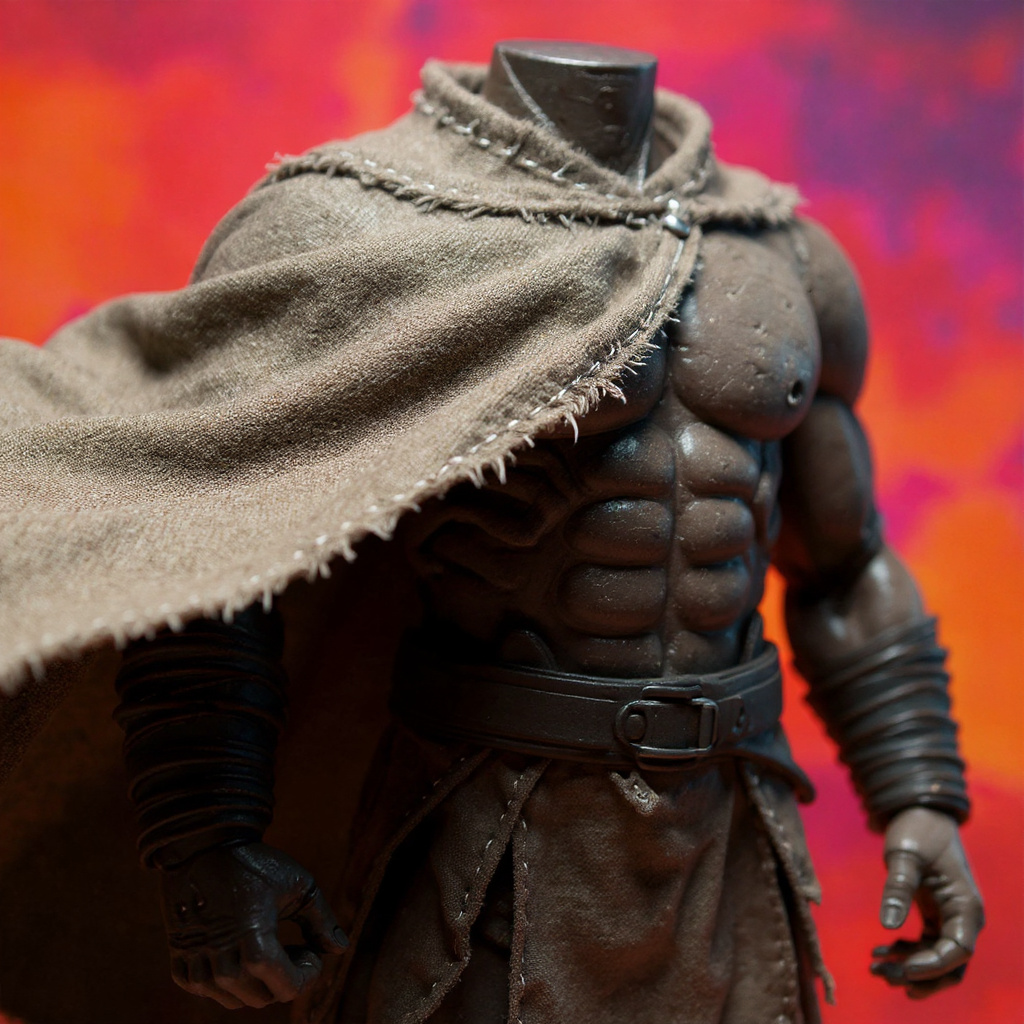
The soft goods cape vs plastic cape action figure choice is a trade between drape and durability. A fabric cape folds like cloth and bends into a pose on demand. A molded plastic cape survives drops and keeps sharp detail. Picture a 1/12 scale muscular gladiator in a muted tan-brown cape: frayed edges, hand-stitched seams, and a wire-shaped hem swept into a mid-charge curve. Now picture a molded cape that hangs one way forever. Both belong on a shelf, just not the same shelf.
How We Compared Them
We judged capes on five criteria: drape, posability, detail, durability, and upkeep. The notes come from handling fabric and molded capes on 1/12 torsos, plus published data on ABS, PVC, and wire gauges. We used no lab instruments. Treat the durability notes as handling experience, not lab results.
Soft Goods Cape vs Plastic Cape Action Figure: The Short Answer
- Choose soft goods for display shelves, photography, and fantasy or mythology figures whose gear should look weathered. - Choose plastic for kids, army-building, travel, and designs with fine trim or logos. - Mix both: soft goods for your hero figures, plastic for the crowd behind them.
Why Fabric Wins on Drape and Texture
Fabric folds, wrinkles, and catches light the way real cloth does. On a gladiator torso, a rough tan-brown cape with a frayed hem reads as battle-worn gear from across the room. Plastic can't copy that. Even a well-painted molded cape has a smooth surface that gives it away in close-up photos.
The wire is the second advantage. A thin wire sewn into the hem lets you bend a windswept curve, pin one corner over a shoulder, or flare the cape behind a figure mid-stride. A molded cape stays where the sculptor put it. Flexible vinyl bends a little, but only along the angles it was molded with.
The cost of all this? Fabric collects dust. Wire fatigues. Edges you want frayed can keep fraying. Soft goods look better and need more care, and that's the whole deal.
Where Plastic Capes Win
Plastic holds detail that fabric can't. An injection-molded cape can carry raised patterns, tiny clasps, and sharp trim at 1/12 scale. A printed logo on cloth blurs at that size, while a molded one stays crisp.
Plastic also survives handling. Drop it, bend it, pack it in a storage box, and it springs back. Wiping it clean takes ten seconds. That makes it the sensible pick for children, convention travel, and big dioramas where you need 20 capes and not 20 careful projects.
It does have a visual limit. Molded edges stay too even and too geometric, so the cape looks like an accessory and not like cloth.
Side-by-Side Comparison
| Feature | Soft goods cape | Plastic cape |
|---|---|---|
| Drape | Natural folds, frayed edges, visible stitching | Molded folds, fixed in one shape |
| Posability | Wire hem bends into custom curves | Fixed, or limited flex at molded points |
| Fine detail | Limited by fabric weave at 1/12 | Sharp trim, clasps, raised patterns |
| Durability | Wire fatigues, fabric frays and collects dust | Survives drops and rough handling |
| Price range (listings reviewed) | About $60-114 for handmade wired work | About $8-25 for mass-market pieces |
| Upkeep | Soft brush, flat storage, no machine washing | Wipe clean, store anywhere |
Materials: What Each Cape Is Made Of
Material choice explains most of the behavior above. Here is what you will meet:
1. Cotton or linen blends (soft goods): They take tea or paint weathering well and fray into a rugged look. They can shrink if soaked. 2. Polyester or microfiber (soft goods): They hold their shape and resist fading. The weave is smoother, so the worn look takes more work. 3. Craft wire in the hem: The most common sizes are 20 AWG (about 0.81 mm) and 22 AWG (about 0.64 mm), per the American Wire Gauge table. Thicker wire holds a pose firmly but can show as a ridge in thin cloth. 4. ABS plastic: It is rigid, takes paint well, and suits hard-surface designs. It can crack under sharp stress. 5. Soft PVC: It bends without breaking, which makes it the usual choice for flexible plastic capes. Over years it can yellow or turn tacky, so keep it out of direct sun.
The Wire Hem: What It Does and Where It Fails
Wire placement matters more than gauge. A hem wire that follows the cape's natural drape lines gives organic shapes. A wire that only rings the outer edge gives you a stiff outline and little else. The Mythic Legions Minotaur Cape is one example of a 1/12 cape built around hand-stitched seams and a wire-shaped hem.
Metal fatigue is basic physics. Bend the same spot back and forth enough times and the wire work-hardens, then snaps. Think of a paperclip. Sharp kinks fail first. Broad, slow curves last longer.
How to Pose a Wired Fabric Cape
A posed cape takes patience, not force. Follow this order:
1. Dress the figure and fasten the cape at the neck or shoulders so it sits square on the torso. 2. Smooth the fabric by hand from the clasp down to the hem, so wrinkles fall naturally. 3. Choose your pose first. Is the figure charging, turning, or standing guard? The cape follows the story. 4. Bend the hem wire in wide arcs, working from the center outward. Avoid creasing the wire at a single point. 5. Pull one corner over a shoulder or arm to break up the silhouette. 6. Step back, check the shape from the camera angle, and nudge small sections. 7. For storage, return the wire to a gentle curve so you don't leave a sharp bend sitting for months.
Care and Storage
Plastic needs almost nothing. Wipe it. Done.
Soft goods need a routine. Lift dust with a soft brush or short bursts of compressed air. Spot-clean with a damp cotton swab. Keep the cape flat or loosely folded so it doesn't take a permanent crease. Never machine wash a wired cape, because water can shrink cotton and corrode steel wire.
Fraying is the odd one out. You want the rugged look on visible edges, but you don't want the weave to keep unraveling. A thin line of clear fabric glue or fray sealant on the back of the cut edge slows it down. Test on a scrap first, because some sealants darken tan fabric.
When to Skip Soft Goods
Honestly, if you live in a humid climate or display figures in a sunny window, skip soft goods and buy plastic. Damp air makes fabric smell musty and can corrode wire, and sun fades tan dye. No amount of careful handling fixes a bad room.
Also skip them if you won't pose them. I see collectors buy a wired cape, bend it once, and never touch it again. That money is better spent on plastic. The reverse mistake is worse: expecting molded PVC to look windswept. It won't. Not ever.
Which Cape Should You Buy?
In the soft goods cape vs plastic cape action figure debate, the right answer depends on the figure and the room. For a muscular gladiator on a shelf, fabric with frayed edges, visible stitching, and a shaped hem sells the fantasy. For a stack of background warriors, plastic keeps costs and worry low.
If you are replacing a worn or missing cape, read our guide on how to replace an action figure cape first. If you want a premium wired option for a hero figure, the Mythic Legions Minotaur Cape at The Figure Vault shows the hand-stitched, wire-hem approach. Its price changes, so check the product page instead of trusting a number printed here. You can browse more accessories at The Figure Vault.
Collectors on Reddit's action figure community debate this often. Opinions vary, so test one cape on one figure before you commit a whole collection.
FAQ
Which is better for a 1/12 gladiator figure, a soft goods cape or a plastic cape?
For display and photography, a soft goods cape wins. Fabric drapes over a muscular torso, shows frayed edges and stitched seams, and a wire hem holds dramatic curves. For play, travel, or army-building, plastic wins because it survives drops and needs only a wipe. Pick by how often the figure gets handled.
How much do soft goods and plastic capes cost?
Mass-market plastic capes list around $8-25. Handmade wired soft goods capes in the listings we reviewed ran about $60-114, reflecting hand-stitching and wire work. Prices change often, so check the current listing, including the Minotaur Cape product page, before you decide.
How many bends can a wired cape hem take?
There is no universal number. Craft wire work-hardens with each bend, and repeated sharp bends at one spot break it fastest. Use broad curves and move your bend points between sessions. Wire of 20 AWG (about 0.81 mm) holds a pose more firmly than 22 AWG (about 0.64 mm) but shows more through thin fabric.
Is PVC a good material for action figure capes?
Yes, for flexible plastic capes. PVC bends without cracking, while ABS is rigid and can snap under stress. The catch is age: soft PVC can yellow or turn tacky over years, especially in sunlight. Keep PVC capes out of direct light to protect both the cape and nearby painted surfaces.
How do I stop the frayed edges of a cape from unraveling?
Keep the rugged look on the visible side and stop the spread underneath. Dab a small amount of clear fabric glue or fray sealant on the back of the cut edge, let it dry, then trim loose threads. Test on a scrap first, because some sealants darken tan fabric.
How do I clean a soft goods cape?
Skip the washing machine. Use a soft brush or short bursts of compressed air to lift dust, and spot-clean with a damp cotton swab. Water can shrink cotton and corrode steel wire, so dry the cape flat right away. Store it flat or loosely folded to avoid permanent creases.
Can I repair a broken wire in the hem?
Yes. Open the hem seam with a seam ripper, remove the broken section, and thread in new craft wire of the same gauge. Fold the ends into small loops so they can't poke through, then re-stitch by hand. Budget an evening. Some collectors just remove the wire and accept a softer hem.
Where can I buy 1/12 scale wired capes?
Handmade marketplaces such as Etsy offer the widest variety, though quality varies by seller, so check photos of stitching and wire placement. Specialist figure shops, including The Figure Vault, offer more consistent work. Read reviews and ask about wire gauge and fabric before you order.

