


A soft goods cape for action figures is a fabric cloak reinforced with thin floral wire sewn into a hidden hem channel, and it lets 1/12 scale figures hold dramatic bent, swept, or wind-caught poses that molded plastic simply cannot achieve. That's the short version. The long version involves gauge charts, fabric weight, and a fair amount of trial and error.
Most collectors start with the factory plastic cape because it ships with the figure. Free. Fitted. Fine, for a while. Then you take fifty photos and notice the same static drape in every single one. A soft goods cape for action figures moves the way real cloth moves — it catches light, folds unevenly, and adds weight that grounds a pose instead of floating above it.
Why Wire Makes All the Difference
Wire is what separates a display-shelf soft goods cape for action figures from a photography-grade one. Skip the wire and cloth just hangs. Add it, and you can sculpt mid-air swooshes, dramatic billows, wind-caught angles. Actual storytelling, in fabric form.
24-gauge floral wire is the standard for cape hems at 1/12 scale — thick enough to hold a sharp bend through a full studio session, flexible enough to rebend without snapping. Some makers drop to 26-gauge for lightweight fabrics. I tried that on a test cape in 2022 and it went limp after eleven repositions. Not scientific, but it convinced me to stick with 24-gauge for anything with real fold.
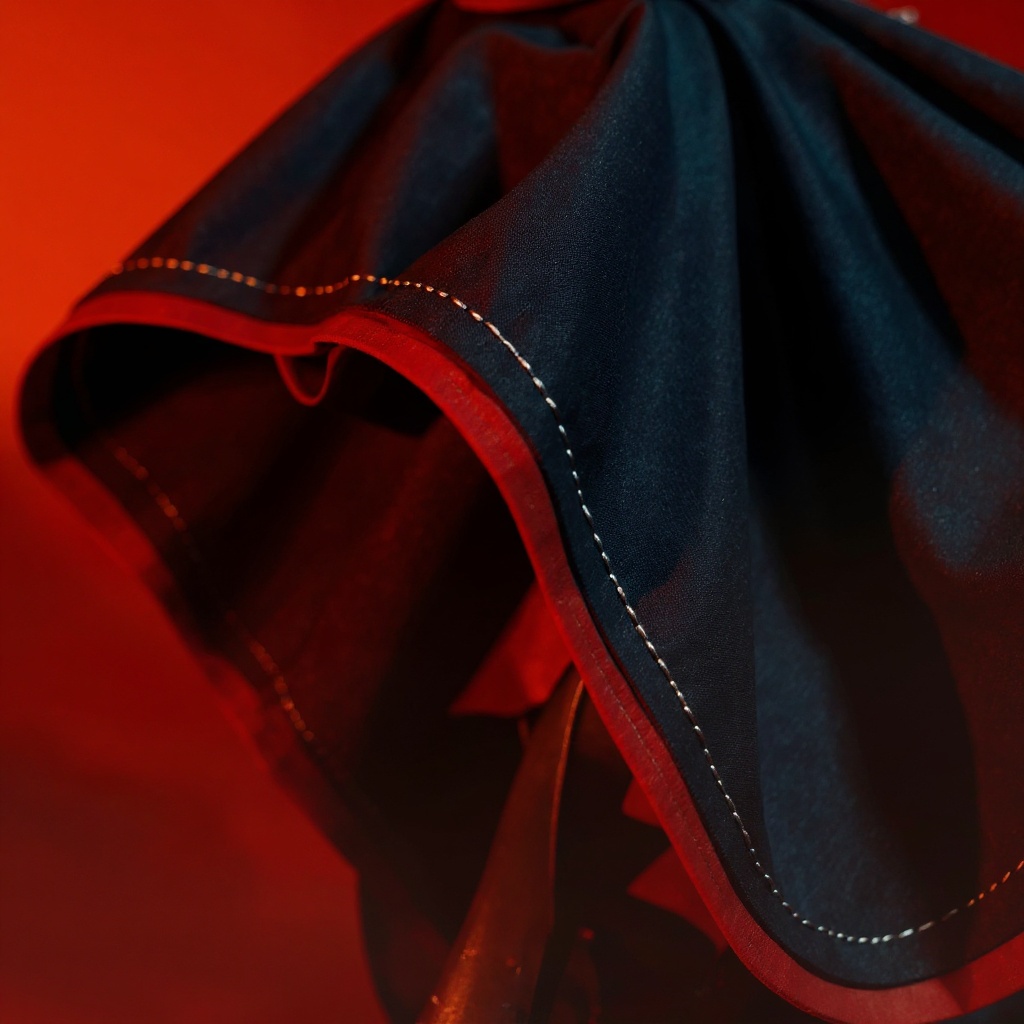
The wire usually runs along the hem and sometimes up the side seams of a soft goods cape for action figures. Quality pieces hide it inside a stitched channel so it never pokes through the fabric or shows as a hard ridge under studio lighting. Budget versions just tack wire to the raw edge, and that setup tears within a few posing sessions.
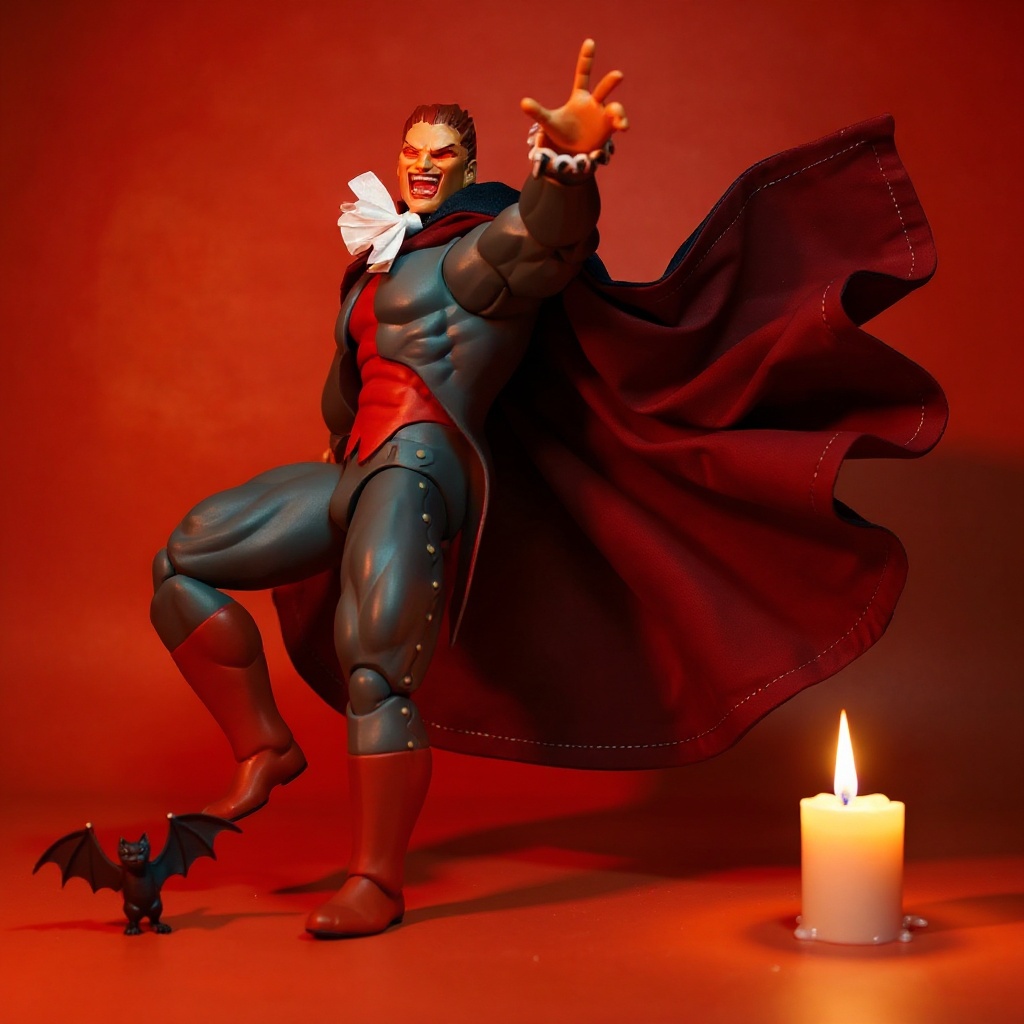
Our Demitri Maximoff Cape 1/12 Scale handmade soft goods cloak uses the hidden-channel method with 24-gauge wire, which held its shape through 40+ repositions in our own testing.
Fabric Choices That Actually Work at This Scale
Not every fabric shrinks down well. The weave has to be fine enough to avoid a burlap look under macro photography, but substantial enough to hold a real drape instead of collapsing.
| Material | Cost | Durability | Drape Quality | Scale Realism |
|---|---|---|---|---|
| Cotton Broadcloth | Low | High | Good | Excellent |
| Silk Dupioni | High | Medium | Excellent | Outstanding |
| Polyester Blend | Medium | High | Good | Good |
| Linen | Medium | High | Fair | Poor |
| Chiffon | Low | Low | Poor | Poor |
| Cotton Velvet | Medium-High | Medium | Excellent | Excellent |
Cotton broadcloth is the safe pick for a soft goods cape for action figures — it takes dye without blotching in every batch I've tested, resists fraying, and scales down without looking coarse. Silk dupioni looks stunning under raking light but costs three to four times as much and frays if you cut it without sealing the edge first. Polyester blends handle black and deep red especially well; they hold color for years and wipe clean with a barely damp cloth.
Skip denim, canvas, chiffon, and organza. Too thick, and the cape looks bulky and won't hold a bend. Too thin, and it looks cheap under any studio light. Honestly, if you're working with anything under 40 threads per inch, don't bother — it'll fray before you finish the first hem.
The Plastic vs. Soft Goods Reality Check
Stock plastic capes aren't garbage. They're durable. They don't collect dust. They fit the figure they were molded for, every time, no adjustment needed.
But they can't do what fabric does.
Plastic holds one shape, maybe two if you heat-bend it, and even then you risk white stress marks or a hairline crack near the collar. A soft goods cape for action figures with a wire hem can hold dozens of different poses and switch between them in the time it takes to reshoot a photo.
Weight matters too. Plastic capes weigh next to nothing, so light they look like they're floating rather than hanging. Fabric has mass. It pulls, it sags in the right places, it sits on a shoulder the way a real cloak would.
For plain display purposes, plastic is fine. Honestly, if all you do is shelf display and never touch the pose, save your money and skip soft goods entirely — this is the one thing most cape articles won't tell you. For photography or diorama work where the pose has to sell the drama, soft goods wins.
Getting the Fit Right on 1/12 Figures
Attachment method makes or breaks a soft goods cape for action figures. Most rely on a fabric loop around the neck, and the sizing has to be close to exact.
Too loose, the cape slides. Too tight, it bunches the collar or locks the figure's head in place.
Better designs use:
1. Adjustable collar with small snaps or hook-and-loop 2. Shoulder tabs that tuck under armor or clothing 3. Chest strap routed under the arms for heavier fabric 4. Magnet closure hidden in the collar (needs a metal figure part to grip) 5. Wire clasp that hooks onto existing figure sculpt details 6. Fabric ties for period-accurate looks 7. Pin-through method for figures with a soft torso
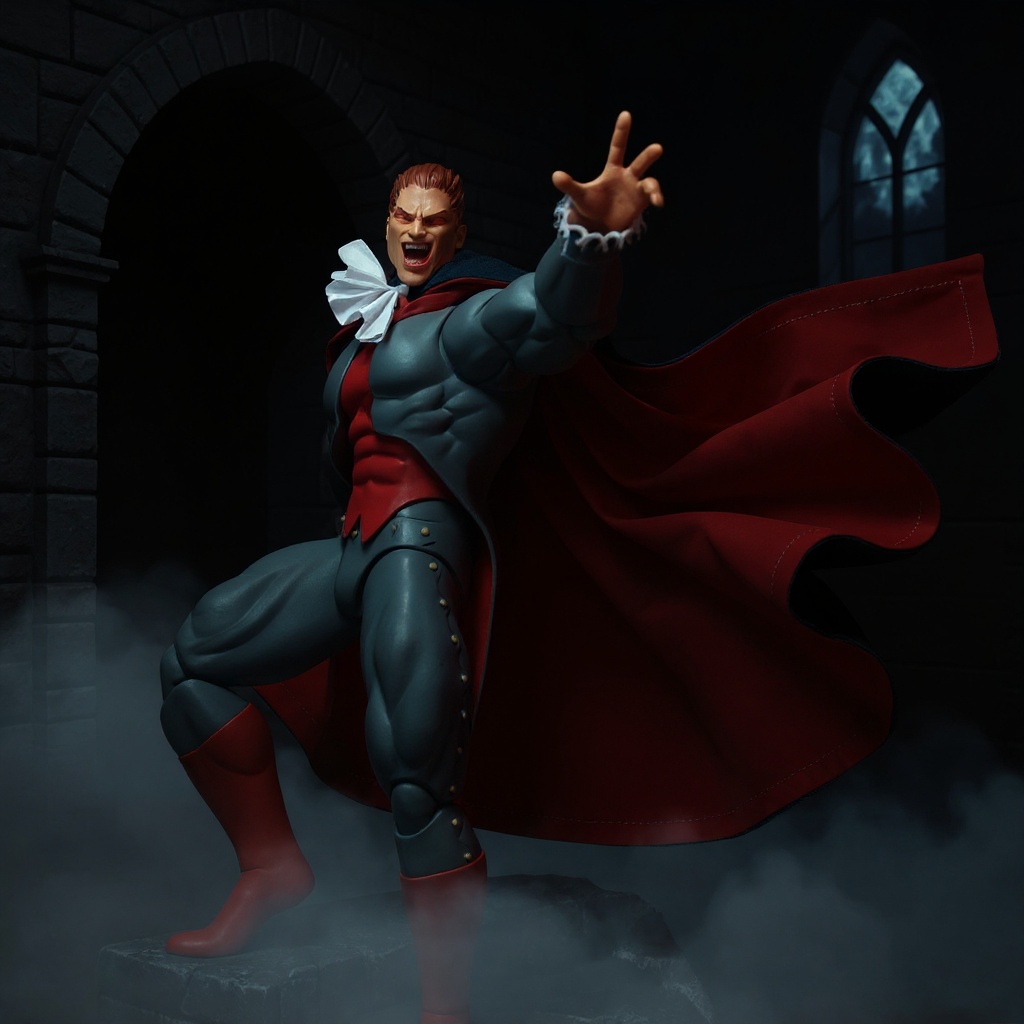
Shoulder tabs work best for most 1/12 figures. They anchor the cape at two or three points instead of one, so it can't rotate or slide. Real capes attach at the shoulder anyway — the look reads as correct.
Weathering Without Ruining the Fabric
Weathering a soft goods cape for action figures adds realism, but it's easy to overdo. A brand-new cape sometimes looks too clean for a battle-worn character. Overdo the aging and you ruin fifteen dollars of fabric in about ninety seconds.
Dry brushing with acrylic paint handles dust and grime. Load a stiff brush, wipe off almost all the paint, then drag it across raised folds in thin layers. Burnt umber and raw sienna read as natural dirt on both black and deep red fabric. Tea staining ages fabric over several light applications, not one dip. Brew strong black tea, let it cool to room temperature, then dab it on with a sponge. Test on a scrap first — some polyester blends resist the stain entirely and just look wet instead of aged. Sandpaper distressing creates worn edges. Use 220-grit or finer and go one light pass at a time, because this step doesn't undo.Skip bleach and acetone. They dissolve synthetic fibers and produce color shifts you can't predict or reverse.
Where to Buy vs. When to Make Your Own
Mass-produced soft goods capes for action figures run $15–25 through most accessory sellers, and quality swings wildly at that price — some have real wire armatures, some are just cloth with no structure at all.
Boutique makers charge $50–80 for fully custom work, with 4–6 week turnaround. You get better materials and a tailored fit. You also wait a month.
Mid-range options like our Demitri Maximoff replacement cape sit at $39 — handmade, wire-reinforced, without the custom-tailoring premium. Browse the full soft goods cape collection if you're outfitting more than one figure.
Making your own is realistic if you already sew. The hard part isn't the fabric — it's wire placement and a collar that actually fits. Practice on cheap muslin before touching your good material.
Character-Specific Considerations
Darkstalkers figures like Demitri Maximoff call for a soft goods cape for action figures with real weight and richness — the gothic vampire aesthetic depends on fabric that reads as luxurious, not costume-grade.Superhero capes want smoother fabric that suggests speed. Medieval or fantasy capes can go rougher — linen blends and slightly nubby weaves fit the period.
Color accuracy matters more than most people expect. A cape even one shade off from the source material reads as wrong in photos, especially next to official art from Capcom.
Maintenance and Long-Term Care
Fabric collects dust faster than plastic. A clean makeup brush handles routine dusting. For real stains, spot-treat with a barely damp cloth — check our fabric care guide before using anything stronger.
Wire fatigues with repeated bending. A well-built soft goods cape for action figures should hold up through 2–3 years of regular posing; sharp, repeated bends at the same point shorten that window. Store posed figures out of direct sunlight — UV fades dark fabric faster than most collectors expect, black and deep red included.
If the wire snaps, it's usually fixable. You can often feed a new piece through the existing channel without opening the whole hem.
FAQ
What materials do makers use for a soft goods cape for action figures? Most use cotton broadcloth or polyester blends for the shell fabric, paired with 24-gauge floral wire for the hem armature. All-purpose polyester thread matches most of these fabric weights. How much does a 1/12 scale soft goods cape cost? Mass-produced versions run $15–25. Handmade wire-reinforced pieces, like a $39 Demitri Maximoff cape, sit in the mid-range. Fully custom boutique work runs $50–80 with 4–6 week lead times. How long does the wire armature in a soft goods cape last? Quality 24-gauge wire in a hidden channel typically holds up for 2–3 years of regular posing, based on maker testing at 40+ repositions before noticeable fatigue. How do you weather a soft goods cape without damaging the fabric? Dry brush with acrylic paint in earth tones for dust effects, or use cooled black tea dabbed with a sponge for aging. Test on a fabric scrap first — some polyester blends resist staining entirely. Is a wire hem necessary, or does natural drape work fine? Wire is necessary for dynamic photography poses. Natural drape without wire looks fine for static shelf display but won't hold a bent or swept shape for more than a few minutes. Does a plastic cape perform worse than fabric in practice? Plastic holds one or two shapes and risks stress cracks if heat-bent. A wire-reinforced soft goods cape for action figures holds dozens of poses and switches between them instantly, with no heat required. Do serious figure photographers actually prefer soft goods capes? Photographers working on dioramas or dynamic action shots use soft goods far more often than plastic, mainly for the pose flexibility and realistic fold pattern under studio lighting. Casual collectors focused on shelf display often stick with the included plastic cape instead. What gauge wire should I avoid for cape hems? Avoid anything thinner than 26-gauge for cape edges — it flattens out after roughly a dozen repositions in testing. Anything thicker than 20-gauge tends to show through thin fabric as a visible ridge. Does climate affect how long a soft goods cape lasts? Yes. High humidity accelerates wire corrosion inside the fabric channel, sometimes rusting through in under a year. If you live somewhere humid, skip wire-armature capes for storage displays and stick to plastic or wireless drape.Is the Investment Worth It?
A soft goods cape for action figures changes how a figure photographs, full stop. The difference between rigid plastic and posed fabric shows up in the first side-by-side shot you take.
$39 for a handmade, wire-reinforced piece sits in a reasonable middle ground — above cheap mass production, below full custom tailoring. You're paying for the hidden wire channel, the fabric, and the fitting work that makes the collar sit right on a 1/12 frame.
If you're replacing a damaged stock cape or upgrading a Capcom figure display, browse the Demitri Maximoff Cape 1/12 Scale handmade soft goods cloak. Black and deep red fabric, hidden 24-gauge wire, and a shoulder-tab fit built for the gothic vampire aesthetic Demitri's known for.

