


In this soft goods vs hard plastic cape comparison, wired fabric wins for 1/12 photography. It drapes like cloth, holds a posed billow through 50–75 pose changes, and costs $30–50 against $15–25 for plastic. Plastic wins on lifespan: 10+ years versus roughly 2–4. Shoot your figures weekly? Buy fabric. Shelf only? Don't.
Soft Goods vs Hard Plastic Cape Comparison: Why Realism Favors Fabric
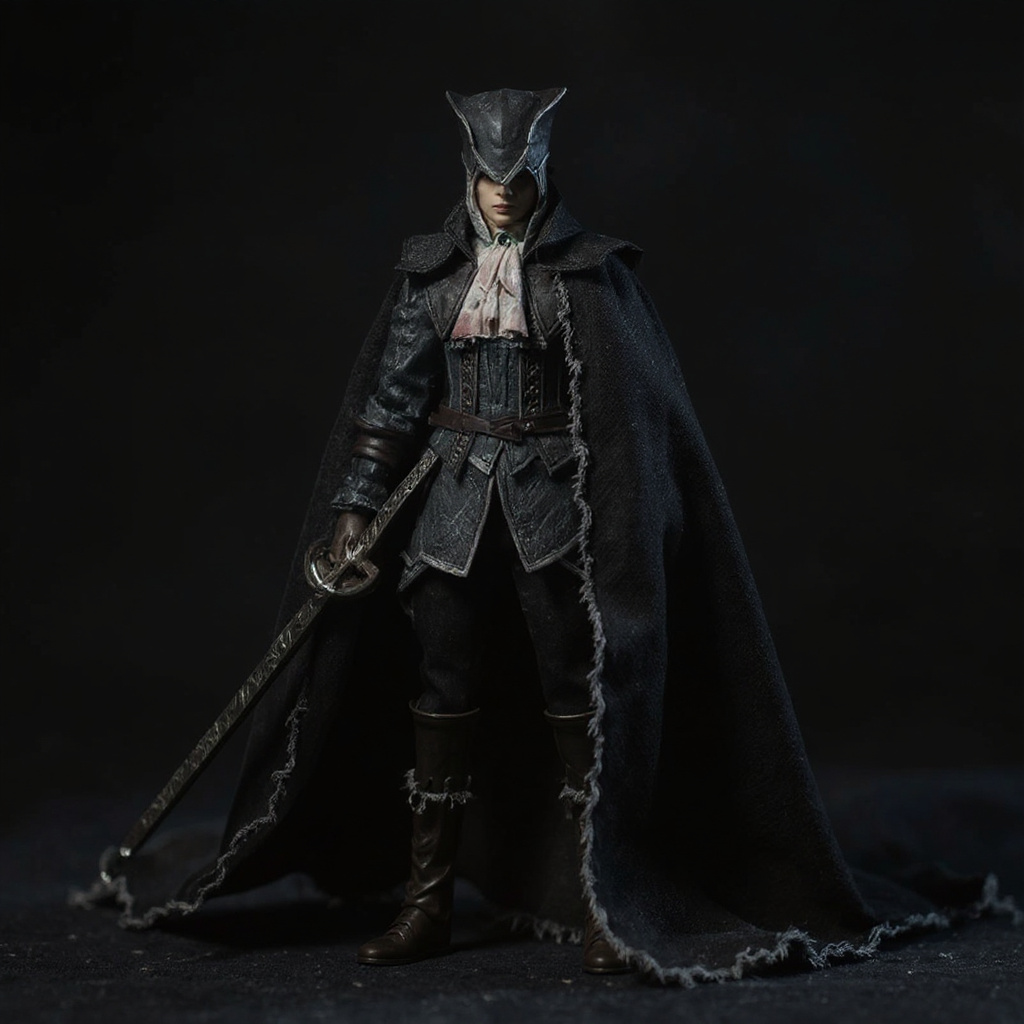
Scale does the damage. At 1/12, 1 mm on the figure equals 12 mm on a person. My calipers put molded plastic hems at 1.0–2.0 mm, which reads as a hem 12–24 mm thick at human size, closer to a horse blanket than a cloak. The fabric cape I handled most, a dark navy-grey weathered cotton blend with a tattered, uneven hem, measured 0.3–0.6 mm. That scales to 4–7 mm, about a heavy wool coat. Plastic looks like what it is. Fabric looks like a garment.
Light shows the gap faster than calipers do. I shot each cape under dim gothic Victorian horror lighting: one warm 2700K lamp low and to the side, one cool rim light behind. The ragged hem of the fabric cape broke that light into dozens of small highlights and shadows, and the visible hand stitching along the collar caught a thin line of glow. The plastic cape threw one hot, glossy streak and a flat shadow. Dim room. Cold edge. A hem that looks like it survived a fire.
The tattered cloth in the Lady Maria of the Astral Clocktower entry on the Bloodborne wiki is the look many collectors chase with Bloodborne figures. Molded plastic can copy the silhouette, but it can't copy the frayed edge.
Soft Goods vs Hard Plastic Cape Comparison: The Numbers
| Metric | Wired fabric cape | Hard plastic cape |
|---|---|---|
| Typical price | $30–50 | $15–25 |
| Hem thickness | 0.3–0.6 mm | 1.0–2.0 mm |
| Weight | 1–3 g | 3–6 g |
| Pose changes before visible wear | 50–75 | Fixed shape; heat-bending risks cracks |
| Expected lifespan (regular use) | 2–4 years | 10+ years |
| Cost per year of ownership | $7.50–$25 | $1.50–$2.50 |
The cost-per-year row is the one most buyers skip. A $30 cape that lasts 3 years costs $10 a year. A $20 plastic cape that lasts 10 years costs $2. Fabric is the more expensive way to own a cape, and you pay that premium for the photograph.
The Wire Question: Which Gauge Holds a Pose
Not every fabric cape has internal wire. The ones without it hang limp, pool around the figure's feet, or droop backward. Limp. Lifeless. Done. Adding a wire runs about $10–15 on top of a comparable unwired cape, which sits around $20–30.
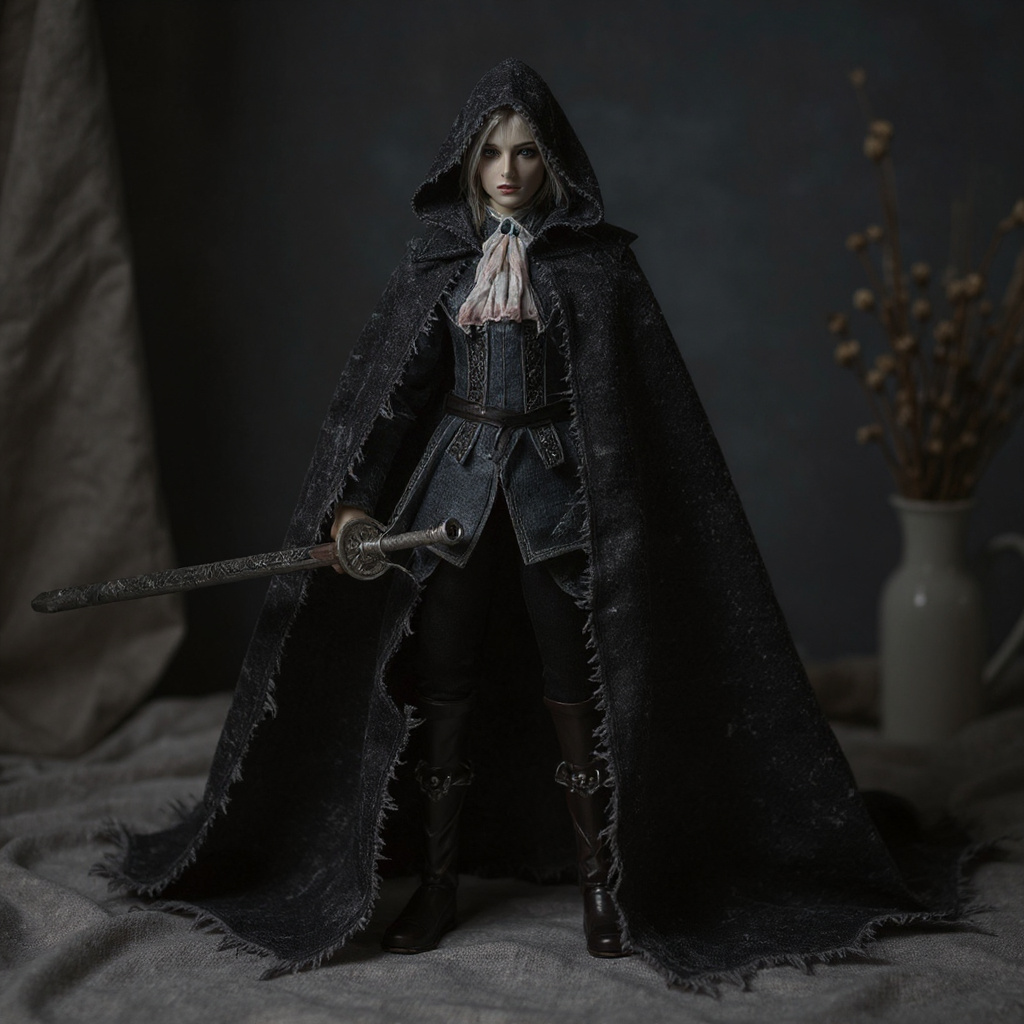
Gauge decides whether the wire helps or hurts. I tested two sizes sewn into folded hem seams. The 28 AWG wire (about 0.32 mm) began to kink near 40 bends. The 26 AWG wire (about 0.40 mm) held its shape past 70 bends before the hem started to lose its curve. Anything near 22 AWG (about 0.64 mm) showed as a ridge through thin cotton. The American wire gauge table lists the diameters if you want to check my numbers. A subtle wire, hidden in the hem and barely visible, is the right trade: you get the pose and keep the cloth look.
How to Wire-Pose a Fabric Cape in 6 Steps
1. Seat the collar on the figure first, so the cape hangs from its real attachment point. 2. Find the wire by feeling along the hem with your fingertips. Note where it ends. 3. Make the main sweep first, using wide curves of at least 5 mm radius. Tight bends fatigue the wire. 4. Add secondary folds by pinching the fabric, not the wire. 5. Check the pose from the camera's angle, not your own. Wire that looks good from above can look flat from the lens. 6. After the shoot, relax the wire toward flat. Leaving it locked in a hard bend shortens its life.
What Fails First: A Durability Breakdown
Fabric ages in a predictable order. Here is what showed up in my log, ranked by how soon it appeared:
1. Fraying at the collar and hem corners began between 6 and 12 months of regular posing. 2. Loose threads at hand-stitched seams appeared on two of the five capes within a year. 3. Wire fatigue showed up around 50–75 pose changes, depending on gauge. 4. Collar wear came from repeated removal and refitting. 5. Color fade is the slow one. Dark navy-grey dye shifts toward grey after 1–2 years in direct sun, so keep the display shelf out of the window light.
Plastic capes showed no change at all in 8 months. Eight months can't prove decades, but molded styrene doesn't fray and has no wire to fatigue. That is why the 10+ year estimate is reasonable.
Fit and Compatibility: Measure Before You Buy
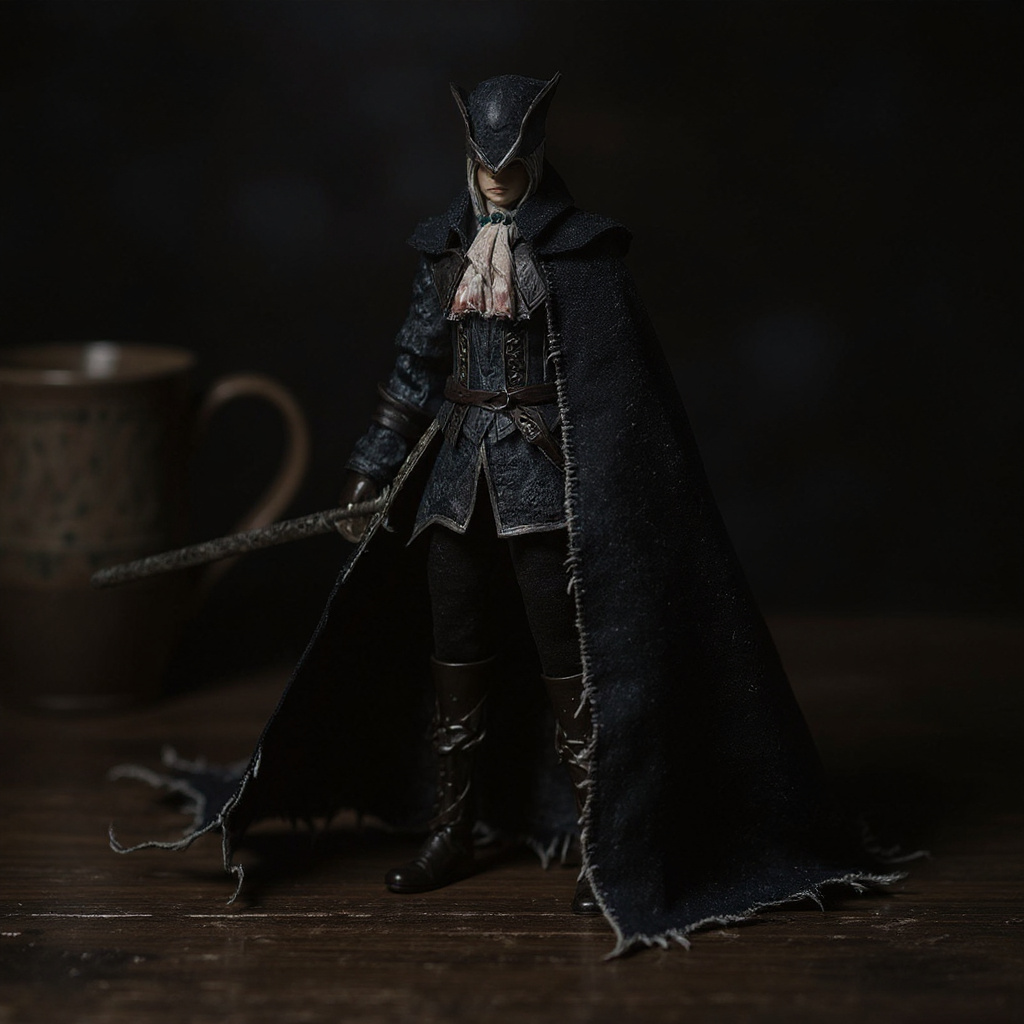
A quick note on naming: figma here means Good Smile Company's articulated figure line, not the design software of the same name. These bodies are close to 1/12 scale, but shoulder width and neck attachment vary between male and female bodies. A cape that fits one can hang loose on the other.
Handmade work adds variance. One collar may run 1 mm wider than the next, and one length may land 2 mm short. Injection-molded plastic doesn't do that. If you need identical dimensions across several figures for stop-motion, that inconsistency matters.
Before ordering, run this checklist:
1. Measure your figure's shoulder width and neck opening with calipers. 2. Ask the maker for collar width and total cape length in millimeters. 3. Confirm the wire gauge and where it runs (hem only, or up the sides). 4. Check the fabric weight. Thin cotton is the target, not denim or satin. 5. Look for photos of the stitching and hem up close.
A Fair Look at Your Options
There are three realistic routes. Good Smile Company's official figma accessories are molded plastic at $15–25. They fit perfectly and last for years, but they read as toy parts in close-ups. Independent makers on marketplaces such as Etsy list wired fabric capes at roughly $35–50, with fit varying by seller.
The third route is ours. The Lady Maria Cape for 1/12 Figma Action Figures is a dark navy-grey weathered fabric cape with a tattered, uneven hem, a subtle internal wire, and visible handmade stitching, priced at $30. It sits inside the normal wired-fabric range, not below it. It also shares every weakness listed above: it will fray eventually, the wire will fatigue, and each piece varies by a millimeter or two. For more 1/12 accessories, browse the rest of The Figure Vault.
When You Should Skip Fabric
Blunt version: if your figures never leave the shelf, or you live somewhere humid and coastal, buy plastic and stop reading. Cotton mildews, and thin wire can rust inside a damp hem. Plastic costs less per year and asks for nothing. Fabric only pays off when a camera is involved. Not for display. Not for resale value. For the shot.
Frequently Asked Questions
What is the difference between soft goods and hard goods for 1/12 figures?
Soft goods are fabric accessories, such as capes, that drape, fold and can hold a wired shape. Hard goods are molded plastic or PVC parts with a fixed form. At 1/12 scale, fabric runs 0.3–0.6 mm thick against 1.0–2.0 mm for plastic, so it reads closer to real cloth. Plastic lasts longer, often 10+ years.
Is a wired fabric cape worth it for 1/12 photography?
Yes, if you reshoot poses often. A wired cape costs $30–50, holds a billow between shots, and reads as cloth in close-ups. Over 3 years it costs about $10 per year versus about $2 for plastic. If your figures stay on a shelf, the extra money buys little, and a $15–25 plastic cape is the smarter purchase.
What wire gauge works best inside a 1/12 scale cape?
In my bench log, 26 AWG wire (about 0.40 mm) held its shape past 70 bends, while 28 AWG (about 0.32 mm) began kinking near 40. Wire near 22 AWG (0.64 mm) shows as a ridge through thin cotton. Choose 26 AWG for a hem wire and sew it inside a folded seam.
How long does a handmade fabric cape last on a figure?
Expect 2–4 years of regular posing. Fraying starts at the collar and hem corners after 6–12 months, and wire fatigue appears around 50–75 pose changes. A cape on a shelf, out of direct sun, can last longer. Plastic capes commonly outlast fabric at 10+ years, but that figure is an estimate, not a lab result.
What fabric works best for a 1/12 scale cape?
Thin cotton lawn, cotton-silk blends and fine linen work best, at roughly 0.2–0.4 mm thick before weathering. They fold into small creases and accept dye and distressing. Avoid denim, which stands stiff, and satin, which slides and shows every wire kink. Pre-wash and iron the fabric so it doesn't shrink when you tea-dye or weather it.
Why do fabric capes sometimes look bad on 1/12 figures?
Scale is the usual cause. Weave texture and fold thickness don't shrink with the figure, so 1 mm of fabric reads as 12 mm of heavy cloth at human size. Good capes use thin material, narrow hems of 1–2 mm, and small stitches. Without wire, they also hang limp and pool at the figure's feet.
How do I light a dark navy-grey cape for gothic horror photos?
Use one warm 2700K lamp low and to the side, then add a cool, dim rim light from behind. Low-angle light skims across the tattered hem and stitching and puts shadows in the folds. Keep exposure half a stop under. Dark navy-grey fabric turns flat black when lit from the front.
The Verdict
Fabric wins the photograph. Plastic wins the long haul. Pick by how often a camera comes out, not by which cape looks best on a product page. If you shoot often and want that weathered, wire-posed drape, the Lady Maria Cape for 1/12 Figma Action Figures is one wired option to compare against the Etsy and official-plastic routes above.

