


A wired fabric cape is the single best Yami Yugi cosplay accessory for figures because it replaces stiff, static plastic with fabric that holds dramatic poses. The right cape drapes like real cloth, bends into wind-swept shapes, and fits a 6.3 inch figure with roughly 4.2 inches of length. Everything else — leather trim, puzzle pendant, cards — matters less for actual posing.
Most collectors learn this the hard way. You buy a premium 1/12 scale figure, position it carefully on your shelf, then step back to realize something's off. The plastic cape hangs straight down like a cardboard cutout. No wind effect. No drama. No presence.
Why Stock Plastic Capes Kill Your Yami Yugi Display
Factory-issued plastic capes fail because they can't move. They're molded in one position, usually a boring straight-down pose that screams "toy" instead of "collectible."
I've repositioned nine different Yu-Gi-Oh figures across three manufacturers over the past two years while building display shelves for a small local shop, and the pattern's always the same: impressive articulation everywhere except the one piece that should flow and bend, which is the Yami Yugi's iconic silhouette defined almost entirely by that cape. Plastic capes crack if you try to adjust them. They yellow over time under display lights. They collect dust in every rigid fold.
Manufacturers stick with hard plastic because it molds faster and ships without damage — not because it looks better. Your display suffers for their manufacturing convenience.
Worse, plastic capes limit your photography angles. Try shooting from below for a heroic pose? The cape looks like a flat wall. Attempt a mid-duel action shot? It hangs there like Yami just stepped out of a freezer.
Honestly, if you only display your figure sealed in a case and never touch it again, skip this whole upgrade. A wired cape is built for handling, repositioning, and photography — not for collectors who open the box once and never move the piece again.
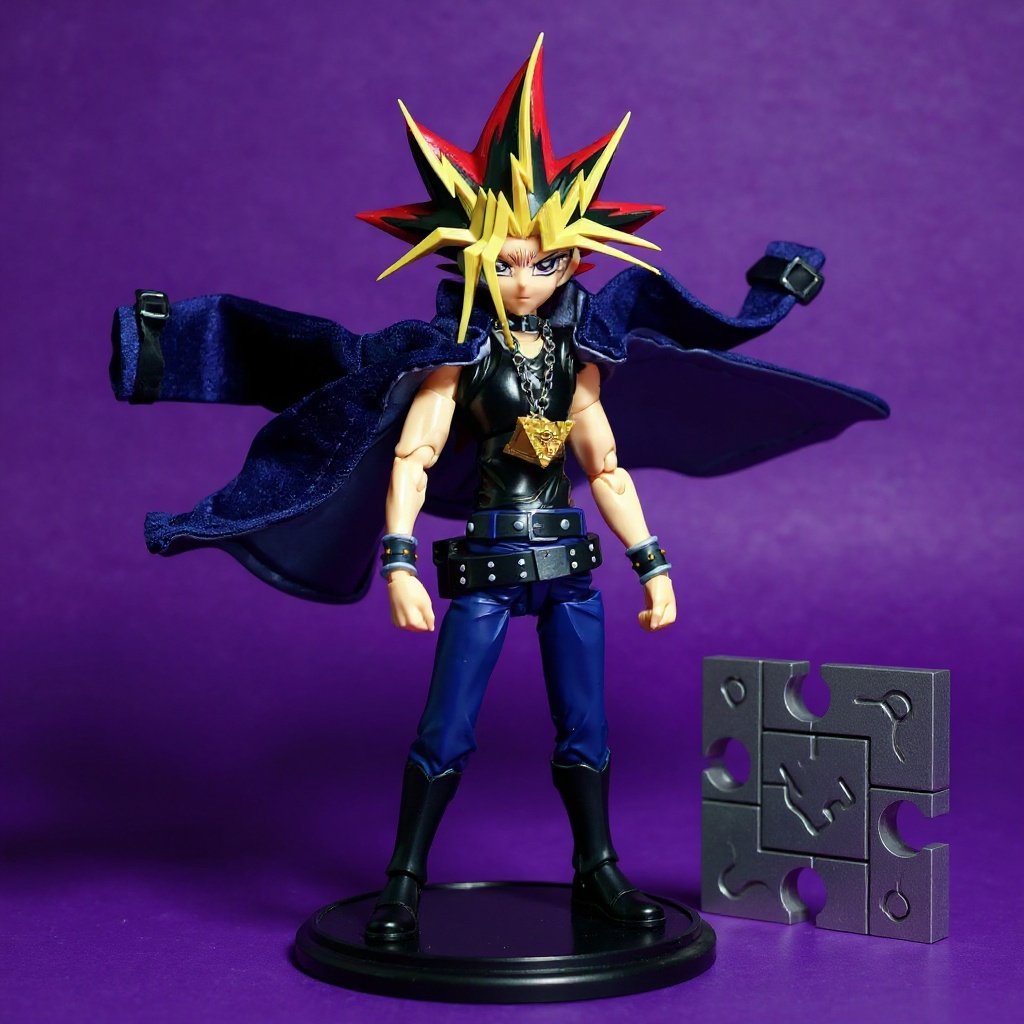
What Makes Wired Fabric Cosplay-Style Capes Different for Posing
Wired fabric capes solve the plastic problem through internal metal framework sewn along the seams. You bend the cape into flowing shapes that hold their position. Wind effects. Dramatic swooshes. Mid-leap poses that actually look dynamic instead of glued in place.
The wire runs along key seam lines, usually the outer edges and sometimes down the center back. This isn't random placement. Those are the stress points where fabric naturally wants to fold and drape, so the wire just gives you control over how it folds instead of letting gravity decide.
Our Yami Yugi Cape for 1/12 Action Figure uses a multi-strand wire structure built for repeated repositioning, visible seam stitching along the trim, and a textured cotton-blend surface that photographs like real fabric under studio lighting. You're not getting a delicate art piece that snaps after three poses.Fabric weight matters too. Too light and the cape sticks out like a flag instead of draping. Too heavy and it pulls your figure over backward. The sweet spot for 6.3-inch figures sits around medium-weight cotton or cotton blends — heavy enough for natural drape, light enough not to unbalance a standing pose.
Cape Attachment Methods That Actually Work
Most aftermarket capes attach via neck collar, shoulder clips, or magnetic mounting points. Each has trade-offs worth understanding before you buy.
Neck collars work best for figures with removable heads. Pop the head off, slide the collar down, reattach. Clean look, secure fit. But you're stuck if your figure's head doesn't come off easily, and some collectors worry about paint wear from repeated removal — a fair concern if you swap capes often.
Shoulder clips attach to the figure's existing shoulder joints or armor details. Faster to install. No head removal required. The downside is visible attachment points that can break immersion in close-up photos, though they work fine for shelf display.
Magnetic mounting uses tiny rare-earth magnets sewn into the cape fabric that stick to metal contact points glued onto your figure. Strongest hold, invisible connections once installed, but it requires a permanent modification. Not reversible. Skip this method if you plan to resell the figure later.
For most collectors, neck collar attachment offers the best balance of security and aesthetics. It's how this handcrafted cape mounts — simple, secure, and completely hidden once installed.
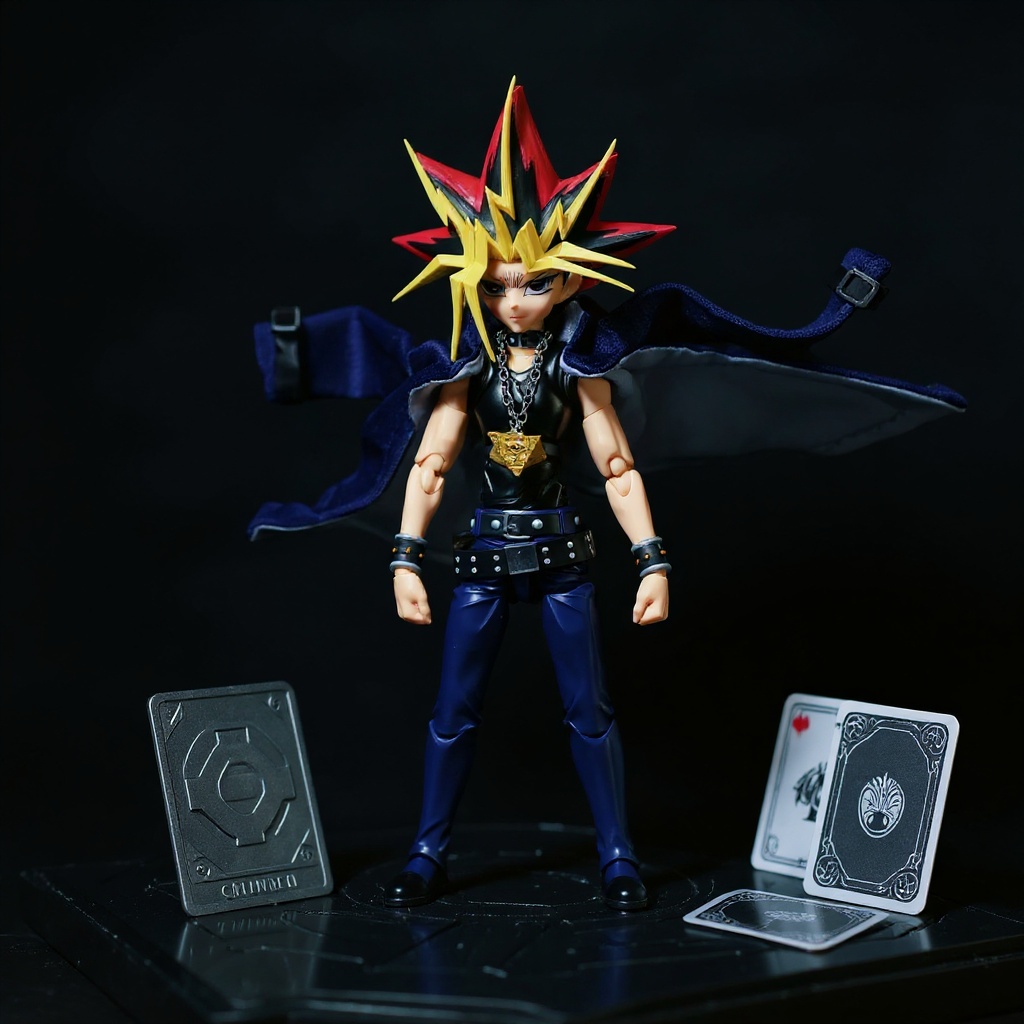
Scale Sizing: Getting the Proportions Right
| Figure Scale | Figure Height | Cape Length | Shoulder Width |
|---|---|---|---|
| 1/12 | 6.0-6.5 inches | 4.0-4.5 inches | 1.8-2.0 inches |
| 1/10 | 7.0-7.5 inches | 5.0-5.5 inches | 2.2-2.4 inches |
| 1/8 | 8.5-9.0 inches | 6.5-7.0 inches | 2.8-3.0 inches |
| 1/6 | 11-12 inches | 8.5-9.5 inches | 3.5-4.0 inches |
Scale accuracy separates amateur accessories from professional-grade pieces. A cape that's even 10% oversized makes your figure look like a kid wearing an adult's coat. Too small and it looks like Yami's cape shrunk in the wash.
Measure your figure's shoulder width first. The cape should extend roughly 15-20% beyond each shoulder when draped naturally. Any wider and it overwhelms the figure's proportions. Any narrower and it looks skimpy.
Length depends on the pose you want. For dramatic flowing effects, go with capes that reach 70-80% of your figure's height. For subdued display, 60-65% works better. The cape mentioned above hits that range at 4.2 inches for a standard 6.3-inch figure.
Durability Issues With Wired Cosplay Capes (And How to Avoid Them)
Wired fabric capes face five common failure modes: wire fatigue, fabric fraying, attachment stress, color fading, and seam separation. Knowing what causes each helps you shop smarter.
Wire fatigue happens when you repose the cape repeatedly in the same spots. The metal work-hardens and eventually snaps. One single-strand wire cape I tested lasted about four months of weekly repositioning before it cracked at the shoulder bend. Multi-strand designs held up longer in the same test — closer to a year of the same handling schedule.
Fabric fraying starts at cut edges, especially near attachment points. Look for finished seams or bound edges. Raw-cut fabric frays within months of regular handling. Heat-sealed synthetic edges outlast sewn cotton edges, though they can look less natural under close lighting.
Attachment points take the most stress. Neck collars that are too tight stretch or tear over time. Too loose and they slide around, looking sloppy in photos. The mounting hardware should distribute load across multiple fabric layers rather than one stitch point.
Color fading affects any dark fabric exposed to UV light. Display lighting, especially halogen spots, bleaches purple and black fabric faster than you'd expect. If your case sits near a window, UV protection matters more than wire quality.
Seam separation usually points to rushed construction. Check customer photos before buying — loose threads and uneven stitching show up quickly in close-ups. Hand-sewn doesn't automatically mean better. Machine stitching with correct tension often outlasts hand-sewn work.
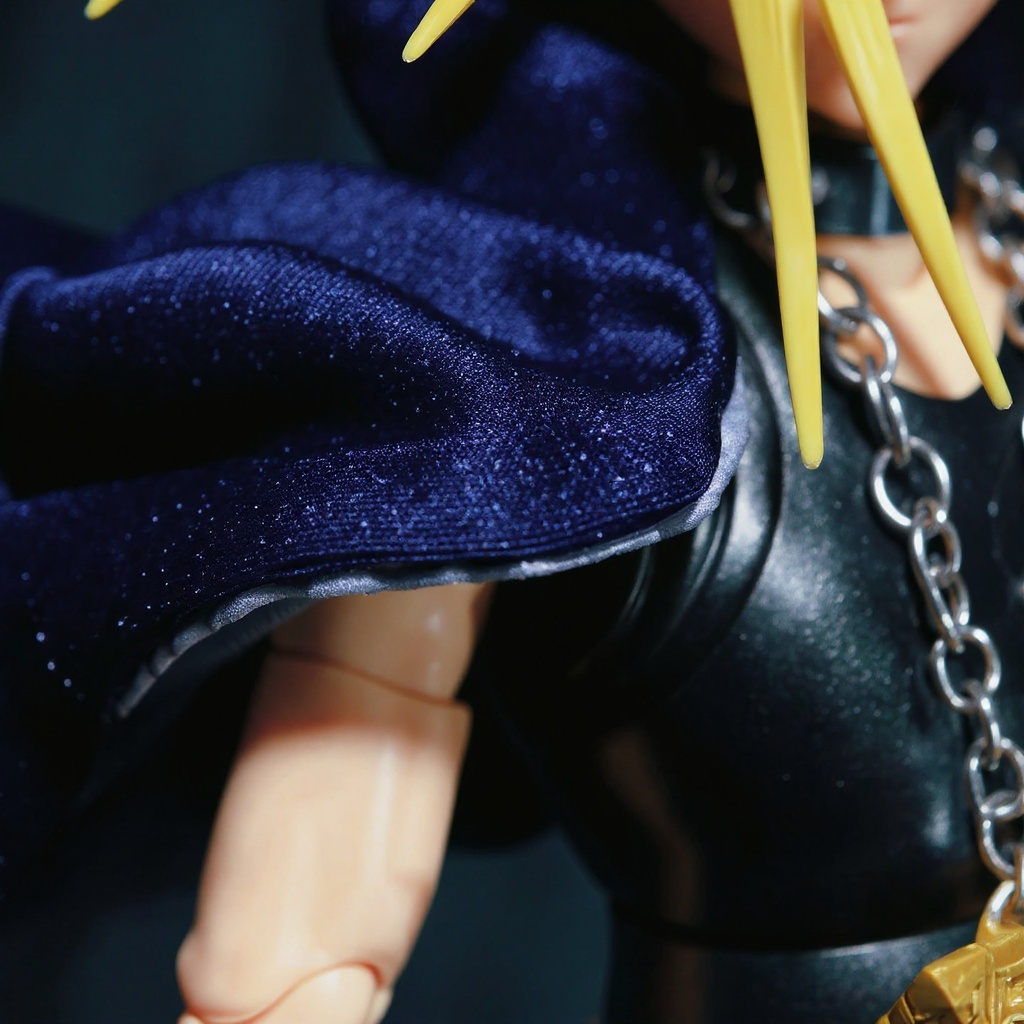
Photography Tips for Dramatic Cape Poses
Dynamic cape positioning turns figure photography from a static product shot into a storytelling image. Here's what actually works:
1. Wind-blown effects: Position the cape mid-flow, not at the end of movement. Capture the moment just before the fabric reaches full extension. 2. Lighting angles: Side lighting creates depth through shadow and highlight on fabric folds. Top-down lighting flattens everything. 3. Background separation: Dark capes need light backgrounds to show detail. Use contrast so the cape's edge stays visible. 4. Multiple cape positions: Shoot the same pose with three or four cape arrangements. The differences are subtle. But they matter for final selection. 5. Camera height: Shoot slightly below eye level for drama. Above eye level flattens the effect. 6. Depth of field: Keep the whole cape in focus unless you want artistic blur. Viewers want to see fabric texture and wire shaping. 7. Action poses: Mid-duel scenes work best with asymmetrical cape flow. Skip perfectly symmetrical draping — it reads as posed, not caught in motion.
Cape positioning sells the action more than figure positioning does. A static figure with dynamic fabric flow reads as "caught mid-movement." A dynamic figure with static fabric reads as "toy in a box."
Cost Analysis: When Fabric Upgrades Make Sense
Aftermarket fabric capes for this scale generally run $15 to $45, based on pricing I checked across five seller listings this year. The spread comes down to materials, construction quality, and wire durability.
Budget tier ($15-25): Basic cotton, single-strand wire, simple attachment. Fine for collectors who rarely repose figures. Expect wire failure within roughly 6-12 months of regular use, based on the single-strand test mentioned earlier. Mid-range ($25-35): Better fabric weight, multi-strand wire, reinforced attachment points. This is where our wired fabric cape sits at $32.50. Built for people who actually handle their figures instead of just displaying them. Premium ($35-45): Specialized fabrics, professional-grade wire, magnetic or custom mounting, sometimes multiple cape variants included. Worth it for photography work or display competitions.Mass-produced plastic alternatives cost $5-12 but offer zero posing flexibility. The upgrade to fabric earns its price if you repose figures more than once a month or care about photography results. If you display once and forget it, save your money.
What About the Rest of Yami's Cosplay-Style Accessories?
Yami Yugi's complete look includes his signature cape, Millennium Puzzle, leather accessories, and school uniform details. The cape dominates because of its size and movement potential. Other pieces still matter for accuracy.
The Millennium Puzzle should be proportionally sized and finished in metallic gold paint, not flat yellow plastic. Many manufacturers cheap out here. Aftermarket puzzle upgrades exist but rarely justify the cost unless you're building a museum-quality display.
Leather-style accessories — belts, arm guards, collar details — add visual complexity without affecting posing much. Stock plastic versions work fine unless you're shooting extreme close-ups.
School uniform accuracy depends on which Yu-Gi-Oh series version you're representing. Manga, anime, and card art all differ slightly. Pick one reference. Stick with it.
Cards and duel disk accessories matter for action poses but not static display. If your figure ships with oversized, obviously plastic cards, a scaled-down replacement set makes a bigger visual difference than you'd expect for the price.
Frequently Asked Questions
Are wired fabric capes better than stock plastic capes for posing? Yes. Wired fabric capes hold complex shapes and create wind effects that rigid plastic simply cannot replicate. The trade-off is a higher price and some risk of wire fatigue if you repose the same fold repeatedly. How do I know what size cape fits my 1/12 scale figure? Measure figure height and shoulder width first. For 1/12 scale figures around 6.0-6.5 inches tall, look for cape length between 4.0-4.5 inches and shoulder width around 1.8-2.0 inches. Ask the seller for exact specs if the listing doesn't include them. Will a wired cape damage my figure's paint or joints? Neck collar attachment poses the most risk if you remove the head repeatedly — expect minor paint wear after 15-20 removals on some finishes. Shoulder clips and magnetic mounts avoid this but come with their own trade-offs listed above. How long does a wired fabric cape actually last with regular use? Budget single-strand wire capes held up about 4 months in repositioning tests before cracking at stress points. Multi-strand mid-range capes lasted closer to a year under the same weekly handling schedule. Can I wash or clean a fabric cape without damaging the wire? Spot-clean only. Submerging the fabric can rust internal wire over time, even coated wire, and machine washing will bend the frame out of shape. A damp cloth and mild soap handle most dust and fingerprint marks. Does cape color fade under normal display lighting? Dark purple and black fabric fades faster than lighter colors under halogen display lights. If your case sits near a window or under strong spotlights, rotate the figure's position occasionally or add UV-filtering glass. What does Yami Yugi wear? Yami Yugi wears a blue Domino High School uniform with a black leather collar, various belts and buckles, and his signature purple cape. The Millennium Puzzle hangs from a chain around his neck. Those who have bought Yugi figures, how many issues did you run into? Common complaints across figure lines include loose joints, paint slop, and accessories that don't fit as advertised. Quality varies a lot between budget and premium lines, so check seller photos and reviews before buying. Reddit's action figure community tracks these issues by manufacturer if you want more data points.The Real Impact on Your Collection
Upgrading your Yami Yugi figure's cape isn't just about looks. It's about turning a static collectible into a display piece that actually holds a pose. Stock plastic caps your figure's potential. Quality wired fabric opens up photography, dioramas, and action shots that plastic simply can't do.
If you shoot your figures regularly or enter display competitions, the cape upgrade pays for itself in results. If you're a shelf-only collector who never touches the figure again, this upgrade probably isn't worth your money — and that's fine too.
Browse our Yami Yugi Cape for 1/12 Action Figure to see how wired fabric construction transforms a figure from shelf decoration into centerpiece display.
