


1/12 scale figure clothing accessories are miniature fabric garments — think khaki jackets, cargo pants, and vests — sized to fit a 6-inch action figure body. They use wire-stiffened collars and sleeves, small functional buttons, and stitched seams so the outfit holds its shape even off the figure. The short answer to whether they fit any 1/12 figure: no. Shoulder width, chest depth, and joint bulk vary enough between brands that a jacket sized for one body will gap, pucker, or refuse to close on another.
I've spent the last three years dressing Storm Collectibles and Mezco bodies in handmade soft goods, and I've returned more packages than I'd like to admit. Here's what actually matters when you're buying 1/12 scale figure clothing accessories instead of guessing.
Why Standard Figure Bodies Don't Work with All 1/12 Scale Figure Clothing
Figure manufacturers use wildly different proportions, even within the same nominal scale. A Storm Collectibles body runs broader through the chest than a Mezco One:12 figure. SH Figuarts leans slimmer. McFarlane's DC line bulks up shoulders for a comic-accurate silhouette.
The "1/12 scale" label only tells you the figure stands roughly 6 inches tall. It says nothing about shoulder width, arm thickness, or torso length. A military-style outfit cut for one brand might hang loose on another. Or it might not close at all.
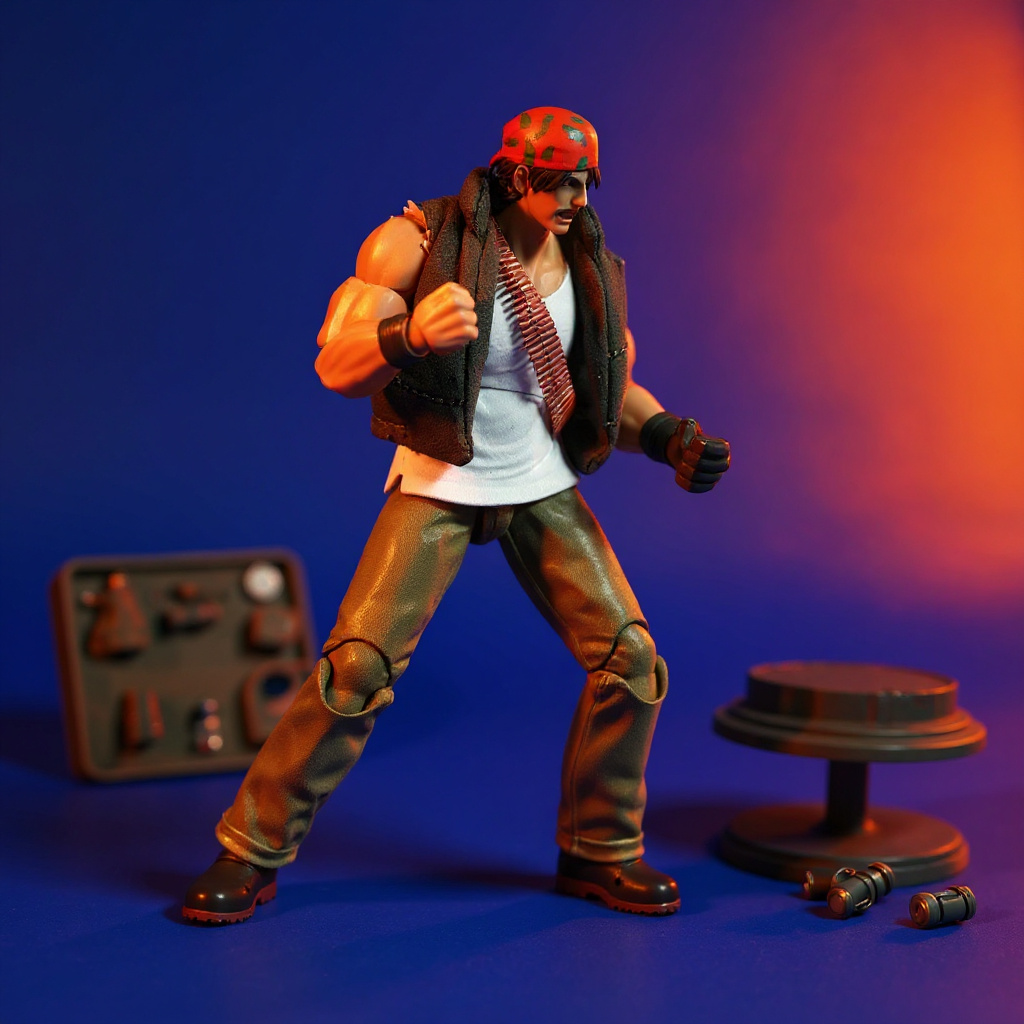
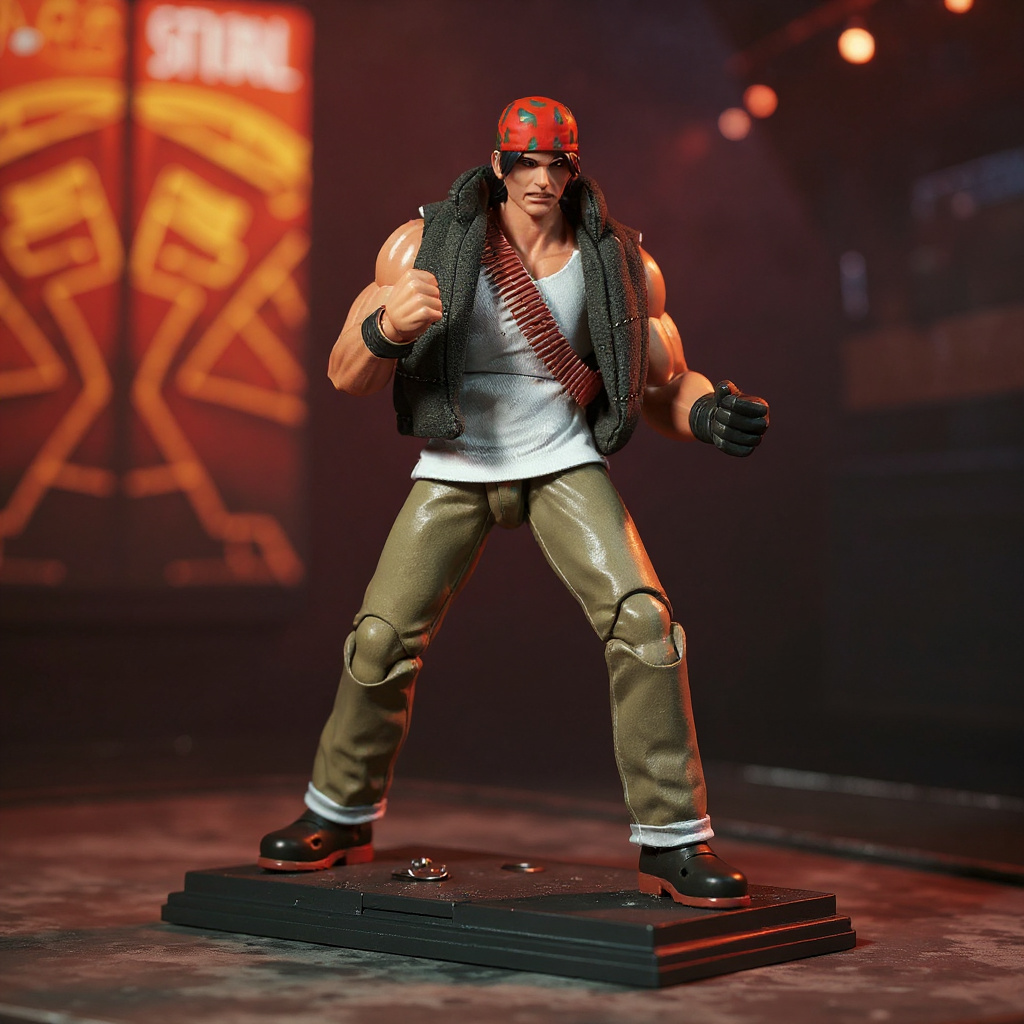
Wire-reinforced clothing helps here, and it's the single biggest quality signal I look for now. Quality soft goods include thin wire sewn into collars and sleeve cuffs. This lets the fabric hold a pose instead of flopping. The Ralf Jones KOF '98 Cloth Outfit uses this approach — shapeable wire that keeps its form even lying flat on a shelf, no figure required.
Body Type Comparison Table
| Body Type | Chest Width | Shoulder Span | Wrist Diameter | Best Clothing Style |
|---|---|---|---|---|
| Storm Collectibles | 32mm | 45mm | 9mm | Loose military/casual |
| Mezco One:12 | 28mm | 42mm | 7mm | Fitted superhero suits |
| SH Figuarts | 26mm | 38mm | 6mm | Slim anime outfits |
| McFarlane DC | 35mm | 48mm | 10mm | Bulky armor/coats |
| Hot Toys (mini) | 30mm | 43mm | 8mm | Tailored jackets |
These numbers came from my own calipers, not a spec sheet. Sellers rarely publish this data, so measure your own figure before you trust any "universal fit" claim.
The 3-3-3 Rule Explained
Collectors developed the 3-3-3 rule as a quick compatibility check. Measure three points on your figure: shoulder width, chest circumference, and waist-to-crotch length. Then compare those numbers to clothing measurements when the seller actually provides them.
Most sellers don't. That's where the rule falls apart in practice.
Here's a step-by-step version that actually works:
1. Measure your figure's shoulder span with calipers or a cloth tape, not a ruler eyeballed against the body. 2. Check the seller's compatibility list if one exists — ignore listings without any measurement data. 3. Search for customer photos showing the outfit on a body similar to yours. 4. Read reviews specifically for the word "tight" or "loose" — generic 5-star reviews rarely mention fit. 5. If wire reinforcement is mentioned, assume some adjustability. If not, assume none. 6. Buy one piece first. Don't order a full wardrobe before confirming fit on your specific brand.
Fabric Choice Makes a Huge Difference
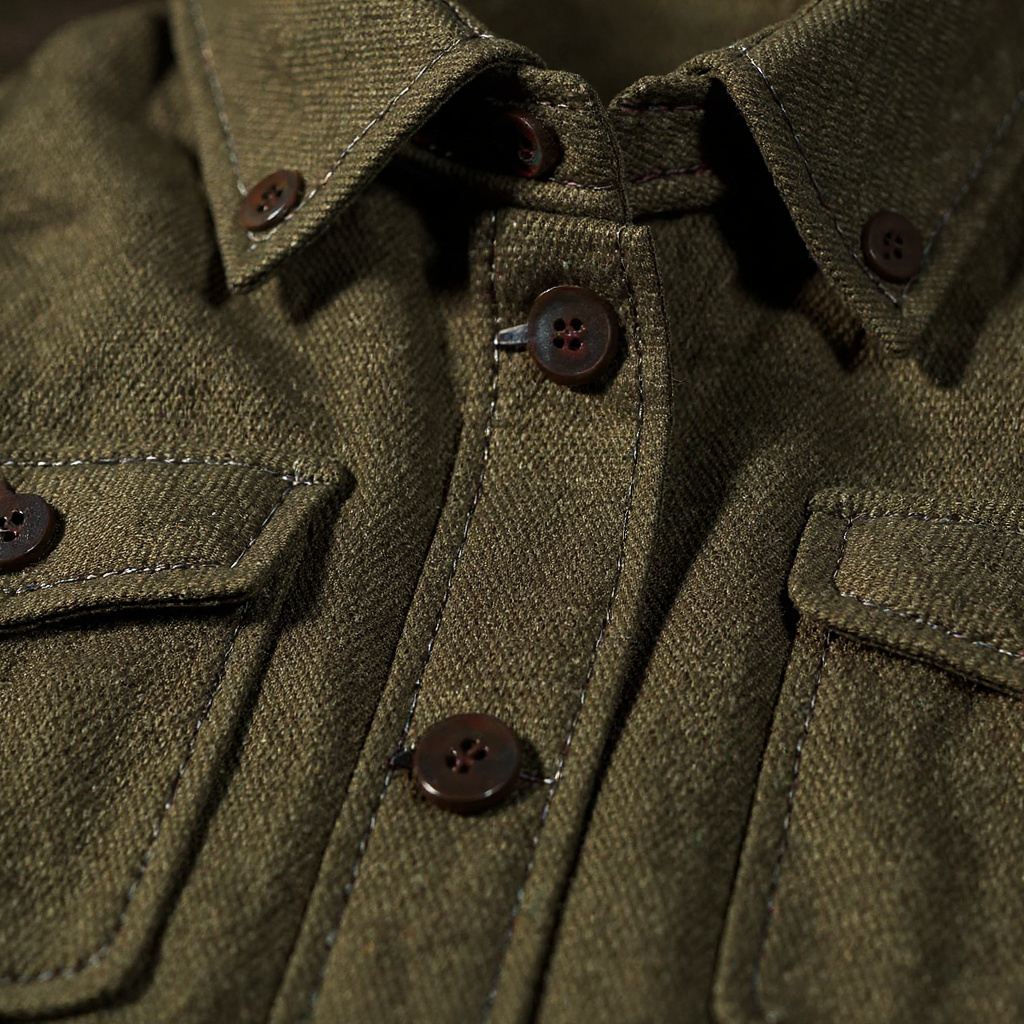
Cotton blends work best for 1/12 scale figure clothing accessories. Pure cotton wrinkles at this size in a way that reads as "messy" rather than "realistic." Synthetic fabrics look plasticky under close macro photography — I learned this the hard way after a $45 jacket photographed like a candy wrapper under studio lights.
The weave matters too. Tight weaves scale down convincingly. Loose weaves show individual threads at 1/12 size, and that breaks the illusion fast.
Handmade outfits typically use better fabric than mass-produced sets. You'll pay more. The visual difference is obvious the moment you compare seam width side by side. Machine-stitched seams often look oversized on tiny garments — hand-stitching scales more naturally because the stitch length can be controlled thread by thread.
Honestly, if you're buying for display only and never plan to pose the figure, skip wire reinforcement entirely and save $10-15. It only matters if you're bending elbows and shoulders repeatedly.
Common Sizing Problems and Solutions
1. Sleeves too tight over articulated shoulders — Look for raglan sleeve construction or stretch panels. 2. Pants won't accommodate hip joints — Side seam openings or elastic waistbands help. 3. Collars don't lay flat — Wire reinforcement is close to essential for realistic drape. 4. Buttons too large for the scale — Functional closures should use snaps or hook-and-loop instead. 5. Fabric bunches at joint lines — Tailored darts and strategic seam placement prevent this. 6. Shoes don't fit over ankle joints — Separate foot pieces or elastic openings work better. 7. Accessories fall off during posing — Magnetic closures or small clips keep things attached.
The military-style aesthetic works particularly well at 1/12 scale. Cargo pockets. Utility straps. Combat boots that don't need to flex much. All of it scales down without losing detail. Fighting game characters from The King of Fighters '98 translate especially well to fabric reproduction, partly because their in-game outfits are already simple, blocky shapes.
Best 1/12 Scale Figure Clothing Accessories for Blank Figure Bodies
Blank bodies present both opportunities and problems. No sculpted details to work around, but also no reference points for fit.
Start with basic patterns: T-shirts, jeans, simple jackets. These establish baseline proportions before you attempt anything complex. Military fatigues work well because a loose cut forgives measurement errors better than a tailored blazer ever will.
Layering adds visual interest without demanding perfect fit. A tank top under an open shirt hides sizing gaps while adding depth. Accessories — belts, holsters, pouches — break up large flat fabric areas and distract from any awkward drape.
Avoid fitted clothing on blank bodies unless you can try before buying. Superhero suits and formal wear show every proportion mismatch immediately.
For a broader range of military-cut pieces, browse the Figure Vault's military outfit collection before committing to a single item, and cross-check against a general 1/12 sizing reference if the seller provides one.
Shopping Smart for Soft Goods
Most quality 1/12 clothing runs $25-60. Generic sets cost less and often disappoint — thin fabric, crooked seams, buttons the size of dinner plates relative to the figure. Premium licensed outfits hit $80+ but still might not fit your specific brand.
Handmade options occupy a sweet spot around $35-45. Better materials, better construction, no giant brand markup.
Check return policies carefully. Many sellers exclude soft goods from returns specifically because of sizing disputes. Buy from sellers who show the outfit on more than one figure body — if they only ever photograph it on their own house body, that's a red flag.
The King of Fighters community on Reddit shares compatibility notes for specific outfits fairly often. Fighting game collectors document what fits which figure more thoroughly than most general toy forums, probably because so many of them own multiple competing brand lines.
Is Custom Worth the Investment?
Custom tailoring eliminates fit issues but costs real money. Expect $100+ for a complete custom outfit, with 4-8 weeks of lead time for most makers.
That math works for display centerpieces or characters with zero commercial clothing options. For general collecting, a well-chosen off-the-shelf piece does the job fine.
The middle ground: buy quality blanks and modify them yourself. Weathering, small patches, a swapped button. Personalizes a generic outfit without custom pricing.
FAQ
Where can I buy 1/12 scale figure clothing accessories? Specialty figure retailers, Etsy sellers, and auction sites carry the widest selection. Expect to pay $25-60 for handmade quality; anything under $15 is usually thin synthetic fabric. What is the 3-3-3 rule for clothes? It's a measurement system comparing shoulder width, chest circumference, and torso length between figure and garment. Useful in theory, limited in practice because most sellers skip listing garment measurements entirely. What is the typical size of a figure in 1:12 scale? Around 6 inches tall for an average adult human character. Chest width alone ranges from 26mm (SH Figuarts) to 35mm (McFarlane DC) — an 9mm swing that can make or break a jacket fit. What are some good accessories for a 1/12 figure? Belts, holsters, pouches, watches, and small sidearms scale well. Skip oversized props; anything wider than about 10mm at this scale starts to look like a toy prop rather than a real object. Can I use 1/12 scale accessories on a 1/6 scale figure or dollhouse doll? No. The size gap is too large — a 1/12 belt on a 1/6 figure looks like a shoelace. What's the best way to check clothing and shoe compatibility before buying? Measure your figure's shoulder span, chest width, and wrist diameter with calipers. Compare against seller specs if listed, or against the comparison table above if your brand matches one of the five listed. What clothing options work best for a blank 1/12 figure body? Start with loose-fitting basics — T-shirts, cargo pants. Military and casual styles forgive sizing variance better than anything tailored. Does 1/12 scale figure clothing usually come with the figure included? No. Soft goods are sold separately almost every time. Always check the listing twice before assuming a "deluxe" figure includes fabric clothing. How long does wire reinforcement actually last? In my experience, brass or aluminum wire in collars holds shape through 40-50 repositions before it starts to feel loose. Steel wire lasts longer but adds stiffness that can look unnatural in smaller collar pieces. Is hand-stitching really worth the extra cost? For visible seams under macro photography, yes. For back-of-shelf display pieces you'll never photograph closely, probably not worth the premium.The Real Cost of Getting It Right
Building a wardrobe for 1/12 figures costs more than most collectors expect going in. Quality pieces run $30-50 each, and you'll want a few options for different poses and display setups.
But the transformation is real. Fabric brings life to static figures in a way hard plastic never quite manages. The drape. The texture. The way wire-stiffened collars hold a pose across weeks of shelf display.
Start with one piece before committing to a full wardrobe. The $39 Ralf Jones KOF '98 handmade outfit offers wire reinforcement and game-accurate styling without the premium brand markup — a reasonable first purchase if you're testing whether soft goods collecting is worth your shelf space.

