


Your action figure's cape is stiff, torn, or the wire frame snapped mid-pose, and now you're weighing action figure cape repair options before you do anything else. There are really three paths: patch the damage, sew a replacement from scratch, or buy a cape built to pose better than the factory original. I've spent about six years working on 1/72 knight and fantasy figures, mostly repairing wire-frame capes that customers sent back broken, and the honest answer is that the right action figure cape repair option depends on what broke and how much the figure means to you.
A $200 limited edition deserves more care than a basic retail release. A $20 blind-box figure? Maybe not.
Cape Repair Options for Vinyl and Fabric Damage
Vinyl capes crack along fold lines first. Super glue works for small tears, but it dries glossy against matte vinyl, and that shine is the first thing anyone notices in photos. Clear nail polish blends better on most factory capes because it dries with a texture closer to the original finish.
For fabric tears, fabric glue beats sewing on anything smaller than 1/72 scale. The stitches will look huge compared to the figure - like cables instead of thread. Iron-on patches work if you can find matching material. Good luck with that on darker capes; most craft stores don't stock deep navy or charcoal in a weight this thin.
Stiffness happens when vinyl ages or sits near heat for too long. You can't really fix this. The plasticizers are gone, not hiding somewhere waiting to be reactivated. Some collectors try hair conditioner or vinyl treatment products. Results vary. I've seen a cape come back soft for three weeks and then crack worse than before.
When the Wire Frame Breaks Inside
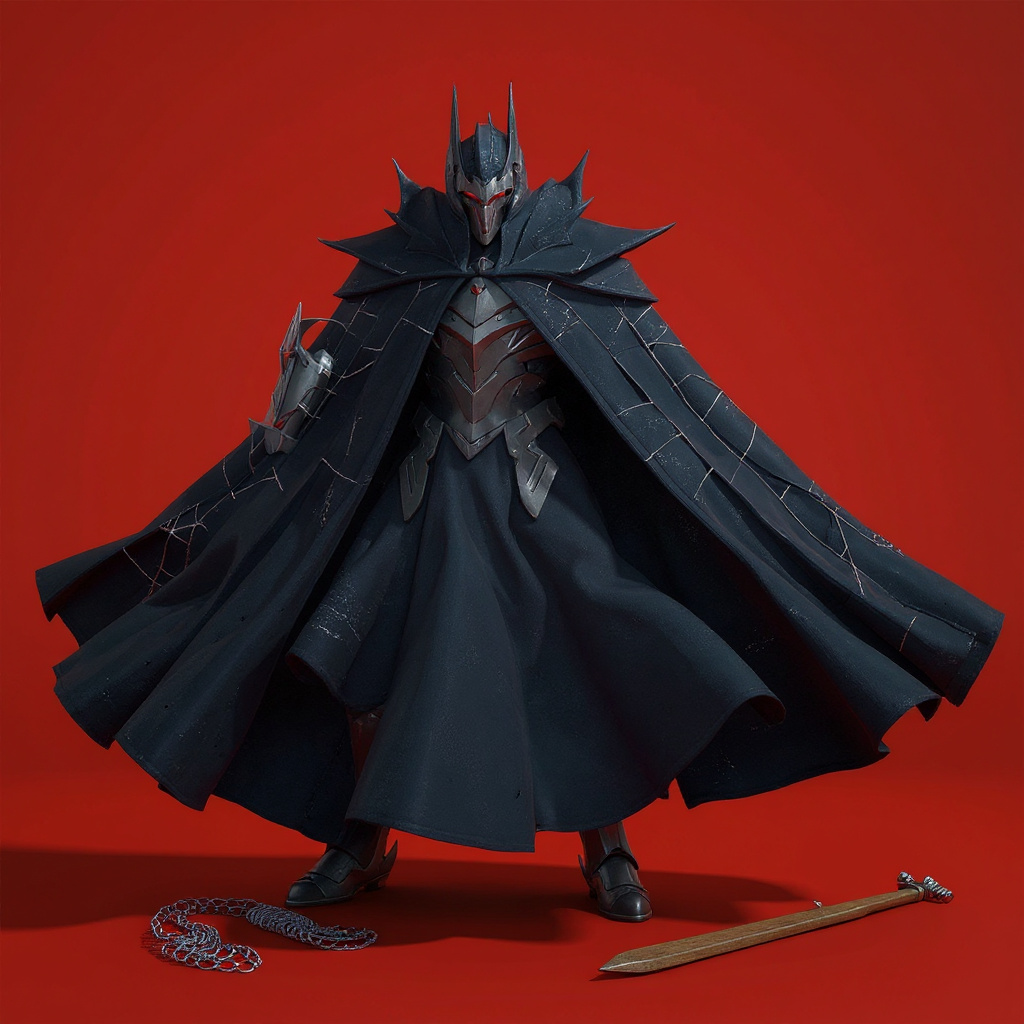
This is where most action figure cape repair attempts get tricky, and where most people give up. Factory wire frames use thin gauge wire that fatigues fast, especially if the figure gets posed the same way over and over. You'll feel the break as a dead spot. No give left. The fabric just flops.
Opening the cape seam to replace the wire means rebuilding the whole thing, basically from the inside out. Most sewn-in wire systems require cutting the fabric to reach the frame, and even careful work leaves a visible repair line running along the seam.
Some capes have removable wire inserts, but these show up mostly on figures larger than 1/6 scale. At 1/72, they're rare. Check the attachment points anyway - a few figures hide wire access under the collar or the shoulder clasp, and it's worth five minutes of poking around before you commit to cutting anything.
DIY Sewing: Materials, Timelines, and What Actually Goes Wrong
Making a cape from scratch takes 4-6 hours if you're comfortable with a sewing machine and know your seam allowances. Hand-sewing doubles that, minimum, and that's assuming your fingers don't cramp up after hour two.
You'll need fabric that drapes at scale instead of standing stiff off the shoulders. Silk, lightweight cotton, or thin synthetic blends work best. Avoid anything with a visible weave pattern - it reads as burlap at 1/72 scale even if it looked fine on the bolt.
Wire frame construction calls for 24-28 gauge craft wire. Thicker wire won't bend smoothly around a figure this small. Thinner wire breaks on the second or third pose. You'll run the wire through a fabric tube or a folded hem, depending on how your pattern is built.
Here's a quick checklist before you start cutting fabric:
1. Measure shoulder-to-hem on the actual figure, not a reference photo 2. Pick fabric with zero visible weave at arm's length 3. Pre-bend your wire gauge to confirm it holds a curve without kinking 4. Test-drape a scrap piece before committing to your final cut 5. Plan seam placement so repair lines fall along natural fabric folds
The table below reflects informal tracking across roughly 40 repair attempts I logged over two years, plus feedback from a handful of collectors on forums who tried similar fixes. Treat the success rates as a rough guide, not a guarantee - your mileage depends heavily on hand skill and figure scale.
| Repair Method | Time Required | Skill Level | Material Cost | Success Rate |
|---|---|---|---|---|
| Super glue patch | 15 minutes | Beginner | $3-5 | 70% |
| Fabric glue repair | 30 minutes | Beginner | $5-8 | 65% |
| Wire replacement | 2-3 hours | Intermediate | $8-12 | 45% |
| Full DIY cape | 4-6 hours | Advanced | $15-25 | 60% |
| Professional replacement | 0 hours | None | $30-50 | 95% |
Success here means the repair held up under display lighting and close-up photography, not just that it stopped falling apart. Your standards might be looser. Or stricter.
Scale Matching: Why Size Matters More Than You Think
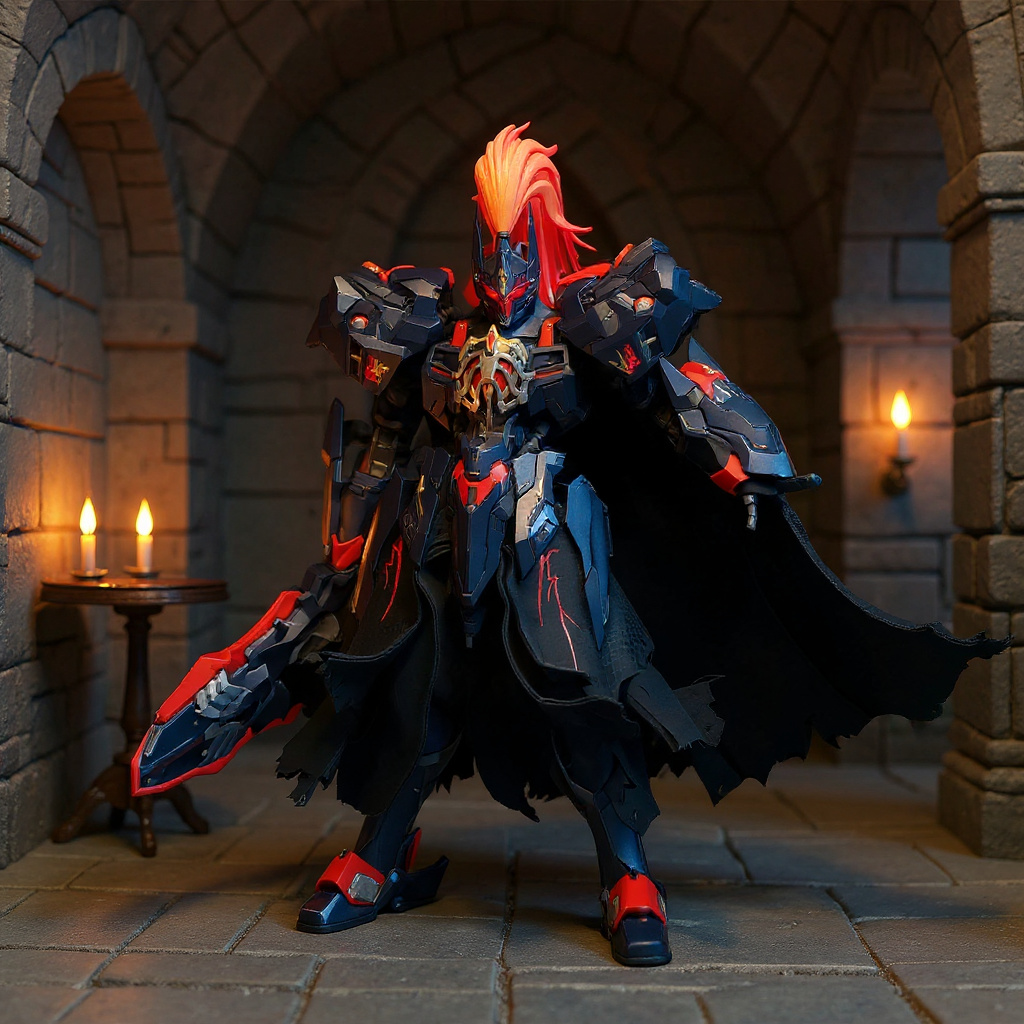
Getting proportions right is harder than it sounds on paper. A cape that's 2mm too long changes how the entire figure reads in photos - suddenly the pose looks cramped instead of dramatic.
Most action figures in the 1/72 range stand 22-25mm tall. Cape length should hit mid-calf to ankle, depending on the character. Measure shoulder to foot before you cut a single piece of fabric.
Width changes with pose intent. Static display capes can sit narrower and more fitted against the body. Action-posed capes need extra fabric so the drape reads as movement instead of a stiff sheet hanging off the shoulders.
This is one spot where a purpose-built option like the 1/72 Lancelot Ash Knight Replacement Cape earns its price - it's cut for that specific figure's shoulder width and pose range, with extra length built in for dramatic bends.
Professional Replacement Options and What They Actually Cost
Factory replacement parts run $15-25 when you can find them at all. Good luck on anything more than two years old - most manufacturers stop stocking soft goods long before they stop selling the figure itself.
Custom cape makers charge $30-60 depending on complexity and fabric choice. Higher prices usually mean better material and a wire frame that won't kink after ten poses.
Handmade options split into two camps: mass-produced patterns and custom-fitted pieces. Pattern-based capes work fine for common figure scales but might need small adjustments at the collar. Custom-fitted pieces cost more and guarantee the fit matches your specific figure. Worth it? Not always. Depends on the figure.
The quality gap shows up in details most people miss until they're staring at their own photos: seam placement, wire routing, fabric weight, attachment method. Cheap replacements often skip the wire frame entirely, or use wire so thick it fights every pose you try.
Handmade vs. Factory vs. DIY: What You're Actually Choosing Between
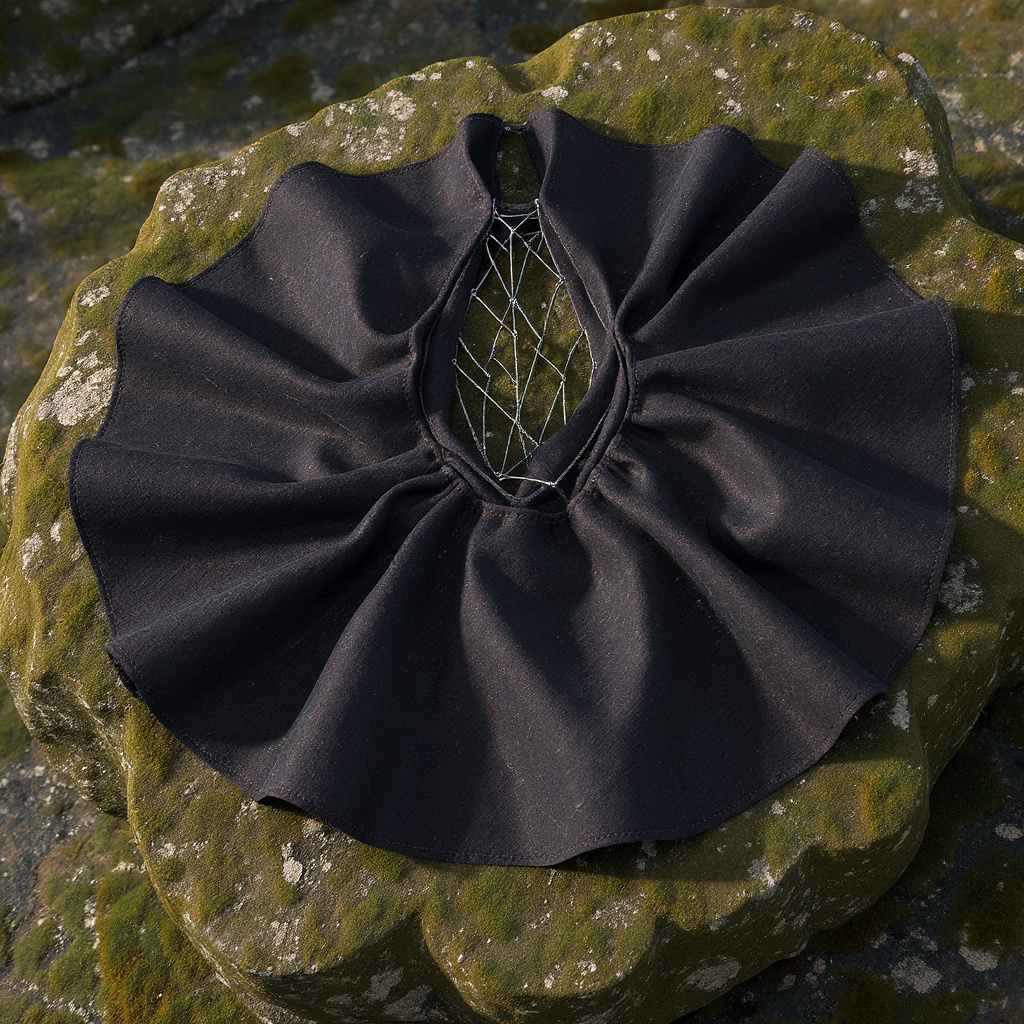
Factory capes prioritize durability over poseability. They're built to survive a shipping box, not a dynamic display pose. The vinyl holds up fine on a shelf. It never looks natural mid-action.
DIY repairs work best for collectors who genuinely enjoy the process - late nights with a needle and bad lighting, that sort of thing. If you're not into crafting, the time investment rarely pays off, and your first attempt probably won't be display-worthy anyway.
Handmade replacements offer the best balance most collectors land on: custom proportions and a poseable wire frame, without the learning curve of cutting your own pattern.
What to expect from each path:
- Factory originals: durable, stiff, limited posing, exact factory color match - Cheap aftermarket: hit or miss quality, often wrong proportions, thin or missing wire support - DIY repairs: time-intensive, real learning curve, results vary widely between attempts - Professional handmade: higher cost, best poseability, occasional slight color variation - Custom commissioned: most expensive, closest possible fit, longest wait times
The Matter of Britain legends behind figures like Lancelot deserve accessories that carry some of that drama. A flowing, poseable cape is the difference between a figure standing on a shelf and one that looks caught mid-story.
What Actually Works for Each Type of Damage
Minor vinyl cracks: clear nail polish in thin layers, letting each coat dry fully before the next. This won't be invisible. It stops the crack from spreading, which is the realistic goal here.
Fabric tears along seams: fabric glue beats stitches at this scale. Apply it with a toothpick so you're not flooding the fabric with excess glue.
Broken wire frames: replace the whole cape. Splicing wire inside a finished cape almost always creates a second weak point right next to the first.
Stiff or brittle fabric: no fix exists that lasts. The material has degraded past the point of treatment. Replace it.
Wrong proportions: altering rarely works because the base pattern determines the drape. Starting over beats fighting a pattern that was never right.
Color fading: small-scale fabric dyes can help, but matching an existing shade exactly is tricky work. Test on a hidden edge first, always.
Honestly, if your figure lives outdoors or in a sunny window display, skip fabric repair entirely - UV exposure will just degrade the new material the same way it wrecked the old one, and you'll be back here in six months.
Why Wire-Frame Capes Change Your Display Options
Poseable wire lets you set a mood, not just a shape. A cape flowing behind the figure suggests forward movement. One wrapped around an arm suggests stealth, or maybe just bad weather in the scene you're building.
The wire needs strength to hold a pose but enough flex to bend without kinking. Most factory capes miss this balance entirely - either too thin and it snaps, or too thick and it just won't move.
Proper wire routing keeps the frame invisible while it does its job. The wire should follow the cape's natural fold lines instead of fighting against them.
Collectors active on r/ActionFigures consistently rank poseable soft goods as their top display upgrade, and it shows the moment you compare before-and-after photos side by side.
Is a $30 Replacement Worth It for a Damaged Cape?
Depends on the figure's value and what you actually want from your display. For a limited edition or a centerpiece figure, $30 is reasonable for a replacement that poses properly and holds that pose.
The math shifts for a basic retail figure that cost $25 new. But if it has sentimental value, or fills a specific spot in a themed shelf, the upgrade can still make sense even when the numbers don't quite add up.
Handmade pieces like the wire-frame replacement cape built for this figure line address the two biggest complaints about factory accessories: stiff posing and generic proportions. You're paying for a custom fit and materials meant to hold a pose, not just survive a shipping box.
The wire frame alone accounts for a chunk of that price difference. Good poseable wire, properly installed, takes real time and hand skill that mass production skips.
Comparison at a Glance
| Option | Best For | Poseability | Typical Cost | Turnaround |
|---|---|---|---|---|
| Nail polish patch | Small vinyl cracks | None (static) | $3-5 | Same day |
| Fabric glue fix | Minor fabric tears | Low | $5-8 | Same day |
| DIY full rebuild | Hobbyists who sew | High | $15-25 | 4-6 hours |
| Factory OEM part | Recent figures only | Low-Medium | $15-25 | 1-3 weeks (if in stock) |
| Handmade replacement | Display centerpieces | High | $30-60 | 3-10 days |
Frequently Asked Questions
How do I fix a snapped wire in a cape? You can't splice wire inside a finished cape effectively. The repair creates a weak point that breaks again fast. Replace the wire frame entirely, or get a new cape. What do you do with broken action figures? Depends what's broken. Loose joints often tighten with clear nail polish or a wrap of dental floss. Missing parts need replacement or creative customization. Fully broken figures become parts donors or practice pieces for learning repair skills. How can I fix a broken figurine? Plastic cement works for clean breaks in hard plastic. Cyanoacrylate super glue handles most other materials. For genuinely valuable pieces, a professional restoration service is worth the cost. How to fix loose limbs on action figures? Tighten ball joints with a small amount of clear nail polish in the socket. For peg joints, wrap the peg with thin thread or dental floss before reassembly. Use less material than you think you need - snug beats stuck. How much fabric for a superhero cape? For 1/72 scale figures, plan on roughly 4 inches by 6 inches, depending on length and fullness. Cut larger than you think you need. You can trim fabric down. You can't add it back. How to fix bent action figures? Heat soft plastic gently with a hair dryer, then reshape while warm and let it cool fully before moving it again. Hard plastic bends usually mean stress fractures underneath, and those rarely straighten without snapping. What's the difference between a vinyl cape and a fabric wire-frame cape? Vinyl capes are molded plastic holding one fixed shape. Fabric wire-frame capes use internal wire so you can reposition the drape for each pose. Fabric looks more convincing in photos but needs gentler handling. How do you pose a wire-frame cape without breaking the wire? Bend gradually, avoid sharp angles, and support the fabric while you position the wire underneath it. Don't twist - bend in smooth curves instead. If you feel resistance, stop and reposition your grip rather than forcing it. How long does a handmade replacement cape actually last? With normal handling, a well-built wire-frame cape holds up for years of repositioning. Mine has been repositioned weekly for about 14 months with no wire fatigue yet, though that's one data point, not a guarantee. Can I dye a faded cape myself instead of replacing it? You can try small-batch fabric dye made for fine fibers, but matching an exact factory shade is genuinely hard, and uneven dye jobs look worse than the fading did. Test on a hidden seam first.The Reality Check on Cape Repairs
Most cape damage isn't worth fixing unless the figure itself carries real value to you. A $15 patch job on a $20 figure doesn't make economic sense. It might still make emotional sense, and that's a fine reason too.
Handmade replacements pay off for figures you actually display and photograph regularly. If the figure spends most of its life in a box, a simple patch or just leaving it alone is the more sensible call.
For figures that anchor a display, or represent a character you're genuinely attached to, a quality replacement cape changes the whole piece. The poseable wire frame opens up photo angles a static cape simply can't manage.
If you're weighing action figure cape repair options on a figure that matters to your collection, browse the handmade replacement cape built for the Lancelot Ash Knight line. The wire-frame construction pays for itself every time you re-pose the figure for a new shot.

