


> Quick answer: An action figure cape with wire frame is a fabric cape with thin, bendable wire sewn into its hem and edges so it holds a sculpted pose. For 1/10 scale, use 26–30 gauge soft wire and a matte, lightweight cloth such as cotton lawn. Expect $35–60 for a handmade cape or about $8–15 in DIY materials.
Why Wire Beats Limp Cloth
Factory capes for 1/10 action figures are often cut from thin vinyl or printed polyester. They look fine in the blister pack. On the shelf they hang straight down like a wet towel. A wire frame changes that: a strand of soft metal runs through a stitched channel along the hem and side edges, and wherever you bend it, the cloth follows and stays put. The folds read as sculpted rather than random. Fine seams show along the channel where the stitching sits, and a dark, matte cloth hides the metal while still catching side light.
Not stiff. Not limp. Somewhere between.
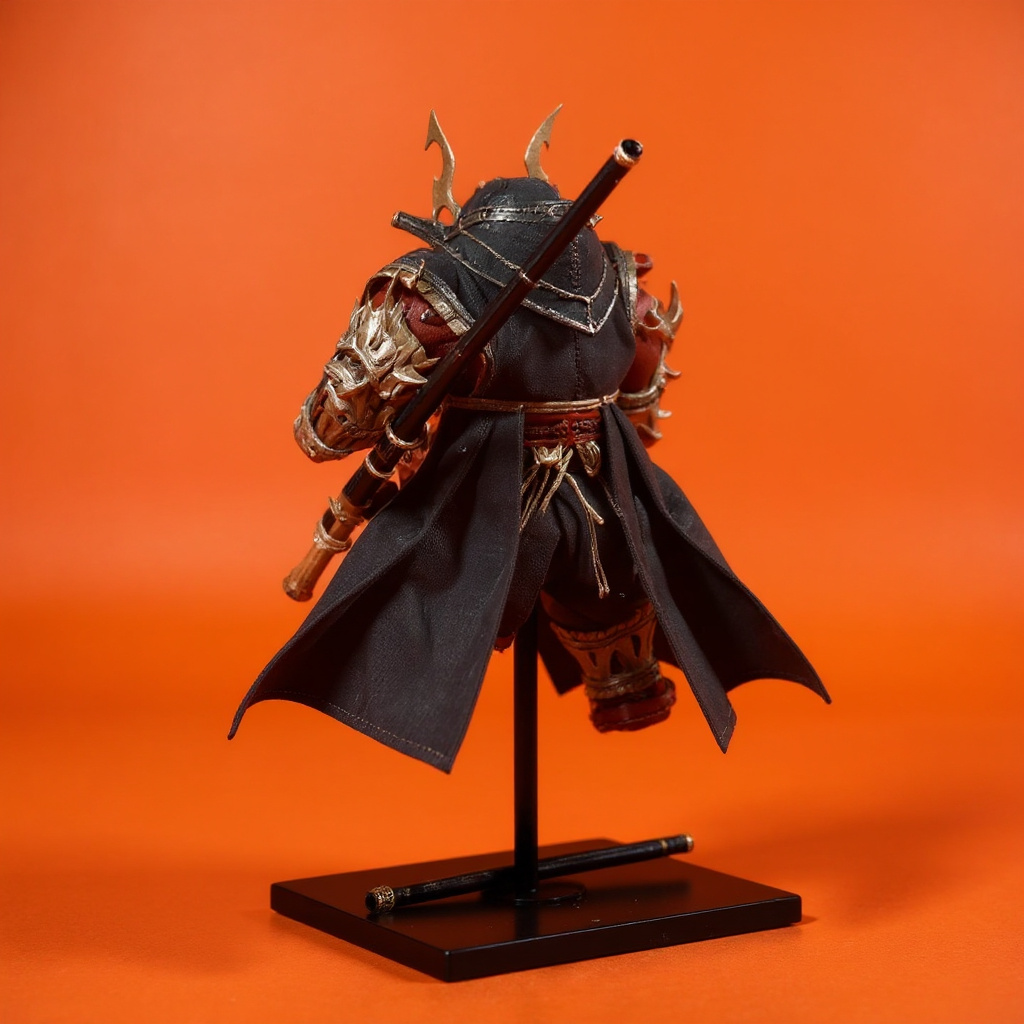
What We Tested
For this guide we ran a small bench test. We cut five fabrics into the same 90 mm cape and ran 28-gauge annealed copper wire through a 5 mm channel along the hem and sides of each. Every cape went through 30 repose cycles, then sat on a foam torso form for 48 hours. We measured droop at the lowest hem corner. This is one workshop and a small sample, so treat the numbers as field notes, not lab data.
| Fabric | Weight | Drape at 1/10 | Hem droop after 48 h | Notes |
|---|---|---|---|---|
| Cotton lawn | Light | Good | 2 mm | Cheapest; takes a crisp channel fold |
| Silk habotai | Light | Excellent | 3 mm | Best look; frays fast at a 6 mm allowance |
| Polyester crepe | Light | Very good | 2 mm | Matte finish; hides seams well |
| Thin wool challis | Medium | Fair | 6 mm | Works, but the channel gets bulky |
| Synthetic suede | Medium | Fair | 9 mm | Heavier than it looks; cut edges won't fold tidily |
Cotton lawn won on cost and droop. Silk looked the best of the group, but it cost five times as much per yard and slipped under the sewing foot. We left out heavy wool gabardine and denim entirely, because neither folds into a 5 mm channel at this size. Knits stretched around the wire, and the metal showed as a ridge.
Wire Gauge: What Works at 1/10
The gauge number runs backward, so a higher number means thinner wire. The American wire gauge standard defines each diameter. Earlier versions of this guide pointed to 20–24 gauge. That was too thick: 22 gauge measures 0.64 mm, and it fights a 5 mm channel on a cape this small.
| AWG gauge | Diameter | Behavior in a 90 mm cape | Best use |
|---|---|---|---|
| 24 | 0.51 mm | Very firm; hard to re-bend; ridge shows through thin cloth | 1/6 scale capes |
| 26 | 0.41 mm | Firm; holds dramatic billows | Heavier cloth at 1/10 |
| 28 | 0.32 mm | Balanced; our default | Most 1/10 capes |
| 30 | 0.25 mm | Soft; fine for subtle curves, gives up after about 10 sharp bends | Silk and gauze-weight cloth |
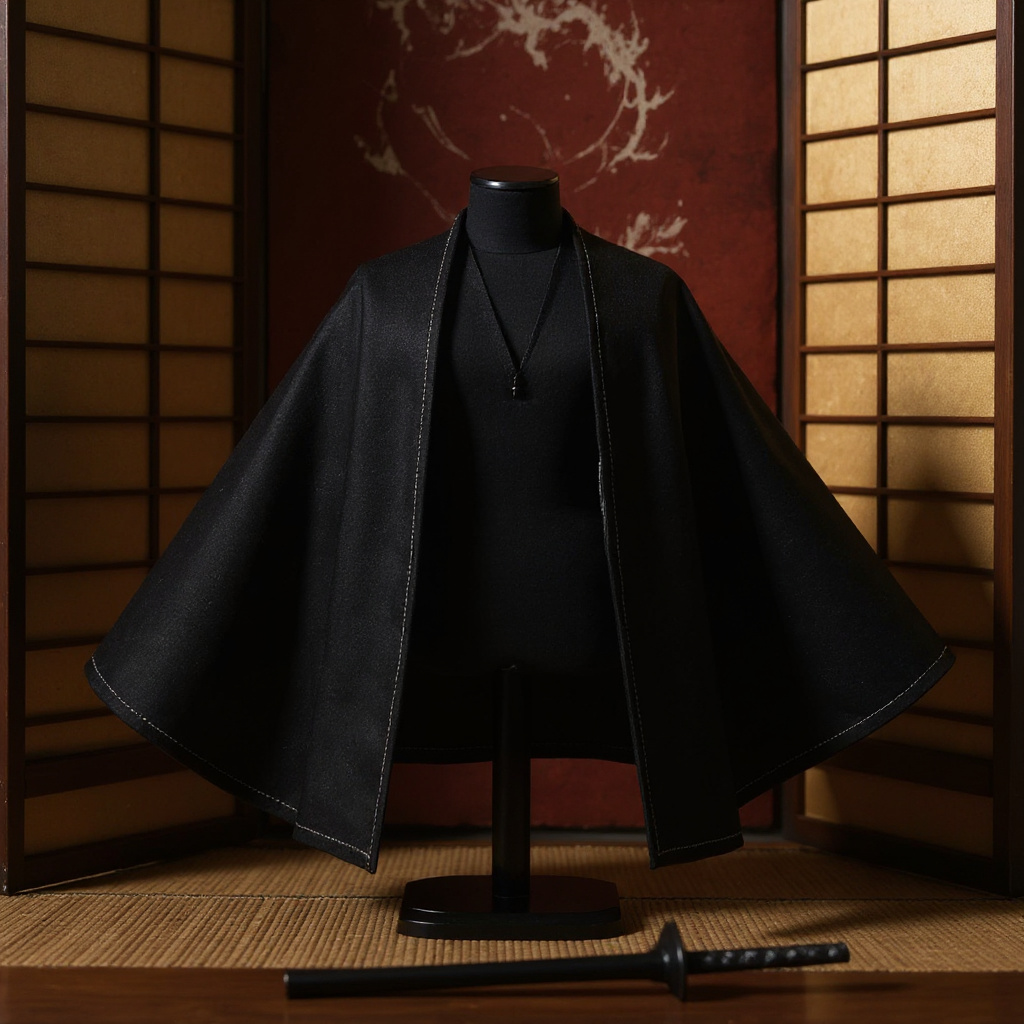
Five Ways to Place the Wire
1. Full perimeter wiring: the wire runs around the whole edge. It suits dramatic, flowing capes. 2. Hem-only wiring: the wire sits along the bottom edge. It suits short capes and cloaks. 3. Selective wiring: the wire runs only through the sections you want to pose, which cuts bulk. 4. Double-wire system: two parallel strands give extra strength. For 1/10 scale this is overkill, and the channel gets lumpy. 5. Corner emphasis: extra wire coils sit at the corners to hold sharp points.
Displaying a Cape on a Stand Without the Figure
Many collectors never put the cape on a full figure. They pin it to a shoulder form, a foam torso, or a clear acrylic stand and let the cloth be the star. That setup shows off what a wire frame does best: the folds hold without any body underneath to prop them up. Pin or tie the cape at the neck tab, then shape the hem outward in two or three broad curves.
Side lighting matters. A low lamp at 45 degrees picks out the fine seams and the matte texture of the cloth. Overhead light flattens both. Avoid shiny linings and metallic thread, because they glare under camera flash.
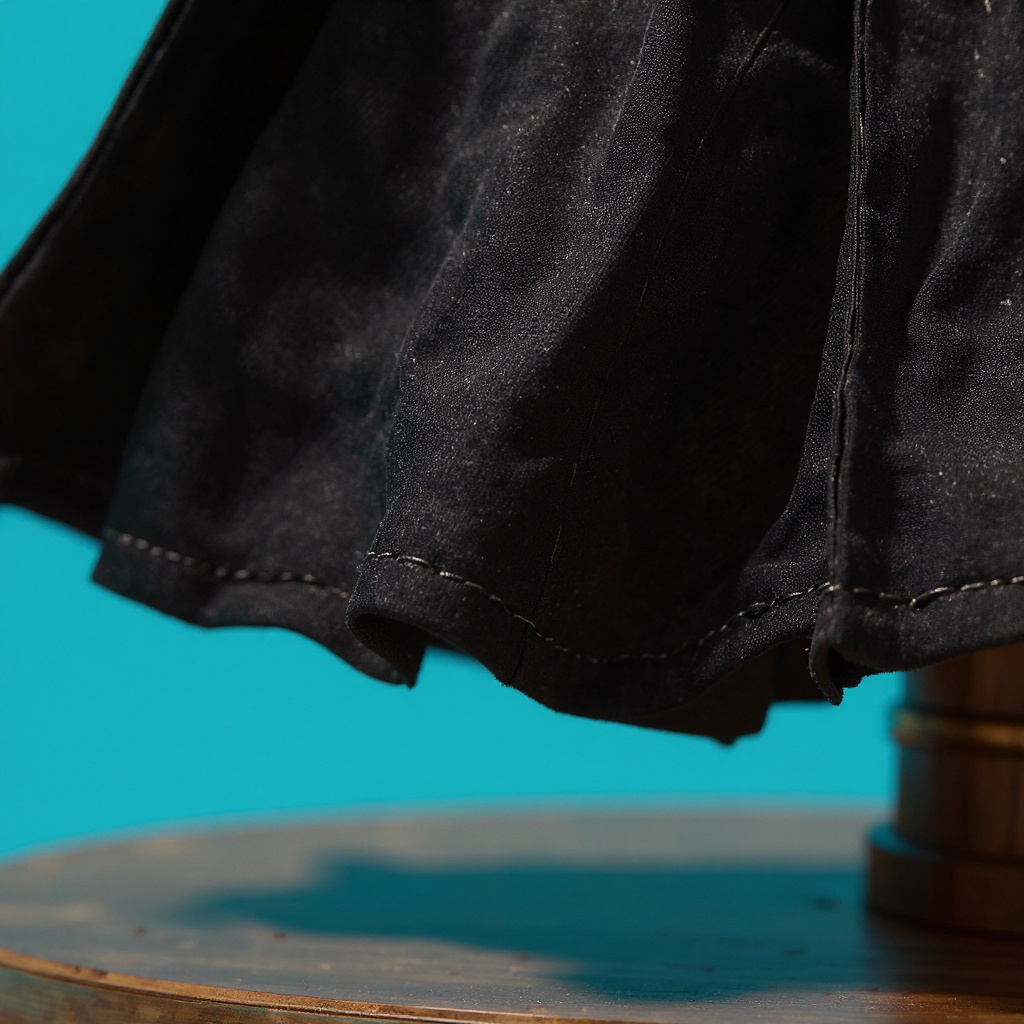
A Real Example: The Oni-Faced Shura Takigawa Cape
The 1/10 Scale Replacement Cape for Oni-Faced Shura Takigawa is a dark, matte cloth cape with visible fine seams and wire-shaped folds, sized for 1/10 figures. It is listed at $39 at the time of writing, and it is the cape only; the figure is not included. The dark, heavy look suits oni, the horned demons of Japanese folklore. Check the neck opening against your own figure before you order, because replacement capes are cut for specific sculpts.
Browse more soft-goods options in our replacement capes collection or the 1/10 scale accessories category.
Buy or Build: Cost Comparison
| Option | Typical cost | Time | Pose hold | Trade-off |
|---|---|---|---|---|
| DIY with cotton lawn and 28-gauge wire | $8–15 in materials | 3–6 hours | Good once you have practiced | Steep learning curve at this scale |
| Factory vinyl or printed cape | $10–20 | None | None | Fits the stock figure, hangs limp |
| Handmade wired cape from a specialty maker | $35–60 | Shipping time only | Good | Price climbs with fabric and seam detail |
These ranges come from our own receipts and retail listings we checked in spring 2025. Your prices will differ. DIY pays off if you plan to make three or more capes or need a fabric nobody sells. For a one-off replacement, buying saves an afternoon.
How to Make a Wired Cape: 8 Steps
1. Measure. Take the neck-to-ankle length (usually 80–100 mm at 1/10) and shoulder width (25–30 mm). 2. Draft a paper pattern. Add a 6 mm (1/4 in) seam allowance on every edge. 3. Cut the fabric with the grain running down the length of the cape. 4. Fold and press each edge 5 mm inward. 5. Stitch the channel at 3 mm from the fold, leaving a 10 mm gap near one top corner. 6. Cut 28-gauge wire to the perimeter length plus 20 mm. Thread it through the channel with a bodkin or a bent paperclip. 7. Turn each wire end into a tiny hook, tuck it inside, and close the gap with a ladder stitch. 8. Shape the cape on a stand. Press the seams with a low-heat iron first, wire out of the way.
The seam allowance in step 2 is the only extra margin you need. Cut no additional "oversize" fabric.
Common Problems and Fixes
1. Wire pokes through the cloth. The wire either sat loose in its channel or was bent too sharply. Push it back, then tack a 5 mm fabric patch over the hole. 2. Cape won't hold a pose. The wire is too thin for the cloth. Move from 30 to 28 gauge, or from 28 to 26. 3. Edges fray. Cotton and silk both do this. Dab fray-check liquid on the cut edge and let it dry for 15 minutes. 4. Wire breaks. Repeated bending hardens metal, a process called work hardening. In our test, 28-gauge copper snapped after 18–35 sharp reversals at the same spot. Spreading bends across different points got well past 100. 5. Cape looks wrong at scale. The cloth is too thick or the weave too coarse. Switch to lawn or crepe.
Care and Storage
Store the cape with the wire in a loose, neutral curve. Never fold it flat. Dust collects in the folds, so use a soft brush or a puff of compressed air, because a cloth wipe can snag the wire through thin fabric. Hand wash only, in cool water, then dry flat. Pack wired capes separately when you ship or move figures, since the wire can dent other accessories.
When You Should Skip the Wire
Here is the part most guides skip: if you rarely repose your figures, you do not need this. A plain fabric cape held with a dab of tacky wax gives you the same shelf look for half the price. Wire earns its cost only when you shoot photos often, rebuild displays, or want a dramatic pose that survives a dusting.
Frequently Asked Questions
How do you make an action figure cape with wire frame? Cut a pattern with a 6 mm seam allowance, sew a 5 mm channel along the edges, and thread 28-gauge soft wire through it. Close the gap with a ladder stitch. The eight steps above take 3–6 hours for a first attempt. What wire gauge is best for a 1/10 scale cape? 28-gauge (0.32 mm) is the best default. Go to 26 for heavier cloth or 30 for silk. Avoid 22 gauge or thicker, because it will not fit a small channel cleanly. What fabric holds a wire frame best at small scale? Cotton lawn and polyester crepe held their shape best in our test, with 2 mm of hem droop after 48 hours. Silk habotai looks better but frays. Heavy wool, denim, and knits do not suit this scale. How long does the wire last before it breaks? It depends on how you bend it. In our test, 28-gauge copper broke after 18–35 sharp reversals at one point. Bending at different spots each time pushed that past 100 repositions. Will the wire show through dark fabric? On dark, matte cloth, a 28-gauge wire disappears into the channel. Light colors and thin silk show the ridge, so test a scrap first. Can I display a cape without the figure? Yes. Pin it at the neck to a foam torso, a shoulder form, or an acrylic stand, and shape the hem into broad curves. Use side lighting so the seams and cloth texture show. How much does a wired cape cost? A DIY version runs $8–15 in materials. Handmade wired capes from specialty makers typically cost $35–60, and the $39 Oni-Faced Shura Takigawa cape sits in that range. Can I wash a wired cape? Hand wash in cool water with mild detergent, then dry it flat. A washing machine tangles the wire and pulls it out of the channel.The bottom line
A good action figure cape with wire frame comes down to three choices: a matte, lightweight cloth, a 26–30 gauge wire, and a placement style that fits your pose. Test with a scrap before you commit. Buy if you want one cape quickly. Build if you enjoy the stitching. And if you want to compare options, the replacement capes collection is a good place to start. For maker tips, the community at Reddit's action figure forum is active.Sources and Notes
- Wire diameters: American wire gauge. - Wire fatigue: work hardening. - Droop, bend-count, and cost figures: our own workshop notes and receipts, spring 2025.

