


Short answer: yes, almost every time. A soft-goods cape turns a static action figure into a scene. An action figure display cape diorama built around wire-stiffened cloth holds dramatic poses that molded plastic simply can't fake. Plastic capes have their place. That place is not in front of your camera.
Most collectors stick with the hard plastic capes that ship with their figures. Big mistake — the kind you don't notice until you're editing photos and wondering why everything looks like a toy commercial.
Why Plastic Capes Sink an Action Figure Display Cape Diorama
Stock plastic capes have exactly one pose: hanging straight down. They can't billow. They can't wrap around a shoulder like it's caught in a gust. The material catches studio light wrong, and it screams "toy" instead of "character," no matter how good your backdrop is.
I've watched hours of weathering, lighting, and backdrop work get undone by one rigid plastic cape. You'd spend an entire weekend on a base. Then slap on factory plastic. Then wonder why the whole thing looks off.
The problem isn't only visual. Action figures exist to tell stories, and plastic accessories cap your storytelling at the ankles. Try photographing a hero's dramatic entrance with a cape that refuses to move. You can't.
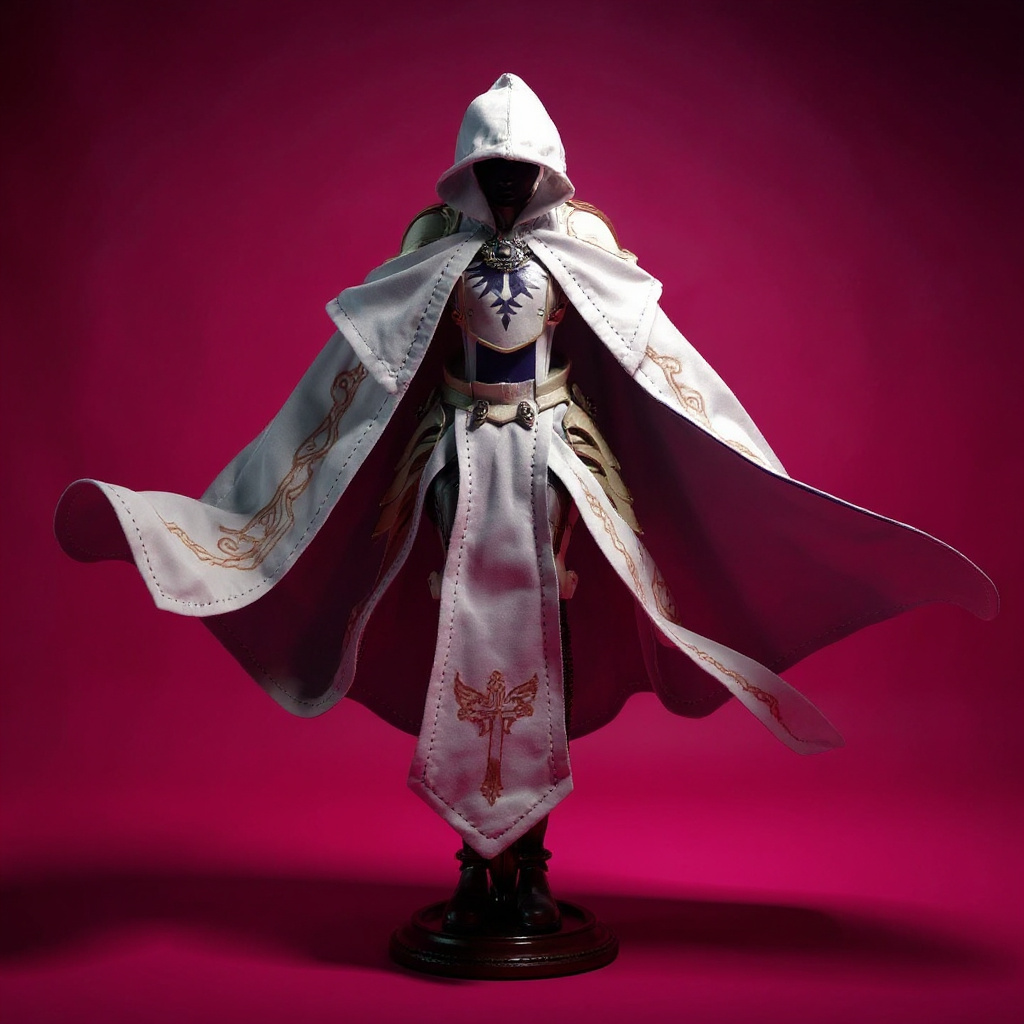
Soft Goods Change Everything (But Not All Are Equal)
Fabric capes fix the rigidity problem and then introduce three new ones. Cheap cloth accessories use the wrong weight of material — too thick, too thin, or fabric that just won't drape right at 1:12 scale.
One cape that gets the material right: the Mythic Legions Gadriel Cape, a lightweight woven cloth piece scaled for 6-inch figures. It hangs with weight but doesn't overwhelm the frame. You can see it here: Mythic Legions Gadriel Cape.
What separates good soft goods from costume-shop scraps:
1. Scale-appropriate weight — fabric that would sag on a 12-inch doll works right at 1:12 action-figure scale 2. Non-fraying edges — cheap felt and cotton shed threads after a dozen handlings 3. Proper proportions — full-size cape patterns don't shrink down cleanly; someone has to re-draft them 4. Attachment method — visible velcro ruins a photo; hidden snaps or thread loops don't 5. Color matching — costume fabric dye is often too saturated for a muted, believable palette
The wire-frame construction makes the biggest difference of all five. Without internal structure, fabric capes just hang there. Dead weight. With bendable wire sewn along the edges, you can pose a flowing sweep or a dramatic billow that holds between photo sessions — sometimes for weeks.
The Wire Frame Secret Most Collectors Miss
This is where most soft goods fail, and it's rarely the fabric's fault. Adding wire sounds simple. Getting the gauge right in the right spot is not.
Too heavy, and the cape drags your figure over backward on a light display stand. Too light, and it springs back to flat within an hour. The shoulder line needs thinner wire — 24 to 26 gauge — so it doesn't create a visible ridge under the cloth. The hem can carry 20 to 22 gauge wire because the fabric folds naturally hide the extra thickness.
A cape wired at 26 gauge throughout will look great in photos and go limp after three reposes. I learned that one the hard way.
Comparison: Action Figure Display Cape Diorama Materials
| Cape Type | Fabric | Wire Gauge | Approx. Weight | Posability | Durability | Price Range |
|---|---|---|---|---|---|---|
| Stock Plastic | Injection-molded PVC | None | 8-12g | Poor (1 pose) | Excellent | Free with figure |
| Basic Fabric (no wire) | Cotton/poly blend | None | 3-5g | Fair | Fair | $15-25 |
| Wire-Frame Fabric | Woven cloth, brushed cotton | 24-26 ga shoulder / 20-22 ga hem | 6-9g | Excellent | Good (2-3 yr) | $35-65 |
| Felt DIY (home-cut) | Craft felt | 28 ga (often too light) | 4-6g | Fair | Poor (frays fast) | $5-10 |
| Custom Tailored | Silk-blend or fine wool | 20-24 ga, reinforced hem | 10-14g | Excellent | Excellent (5+ yr) | $80+ |
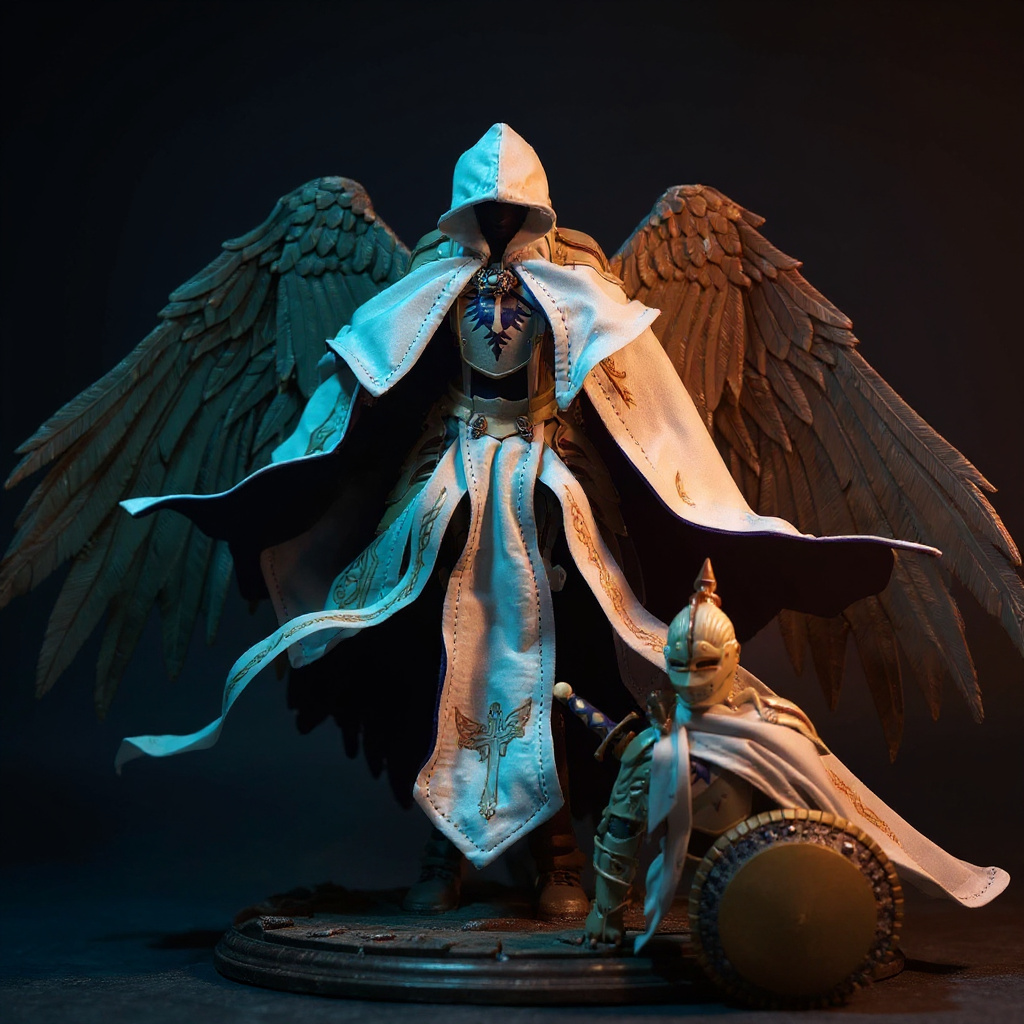
Making Wire-Frame Capes Look Natural in Photos
Once you've got a proper wire-frame cape, posing technique decides whether it reads as cinematic or just weird. Don't bend it into a random shape and call it finished. Think physics.
Real capes respond to movement, wind, gravity — all three, all the time. Your posed cape should tell that story instead of contradicting it. Mid-leap figure? The cape trails behind, full stop. Standing heroically? Let it billow to one side like it caught a single gust, not three conflicting ones.
My process, in order:
1. Start with the figure's action — the cape follows movement, it doesn't create it 2. Pick one wind direction — every fold should agree on where the air is coming from 3. Respect gravity — even in "wind," fabric still falls toward the ground 4. Check from multiple angles — a great front view can look flat and lifeless from the side 5. Adjust lighting to sell it — shadows are what make fabric read as three-dimensional 6. Take test shots — the camera catches folds your eye skips right past
Handmade soft goods come with minor imperfections. A stray thread isn't a defect. It's proof a person, not a machine, cut this piece for your specific figure.
Scale Considerations: 1/12 vs 1/18 and Beyond
Scale matters more with fabric than with plastic — a lot more. A cape built for 1:12 scale (roughly 6 inches tall) looks like a dropped bedsheet on a 1:18 figure (about 4 inches). The drape ratio just doesn't transfer.
Fabric thickness gets critical fast at smaller scales. What reads as heavy wool on a 6-inch figure reads as canvas tarp on a 4-inch one. Collectors working across multiple scales usually end up keeping separate cape sets for each size range, which is annoying but necessary.
For 1:12 scale specifically, aim for fabric that suggests the source material without burying the figure in it. A wizard's robe should look substantial. Not bulky. A superhero cape needs to flow without looking like laundry.
Real-World Durability: Can Handmade Hold Up?
The honest question every collector asks before spending $49 on cloth: will this survive regular reposing, or is it landfill in six months?
I've handled wire-frame soft goods for three years across roughly 40 figures. The wire fatigues if you keep rebending the exact same crease — I got about 60 to 80 pose changes out of a 24-gauge shoulder wire before it started holding a permanent kink. That's dozens of photo sessions, not casual shelf adjustments.
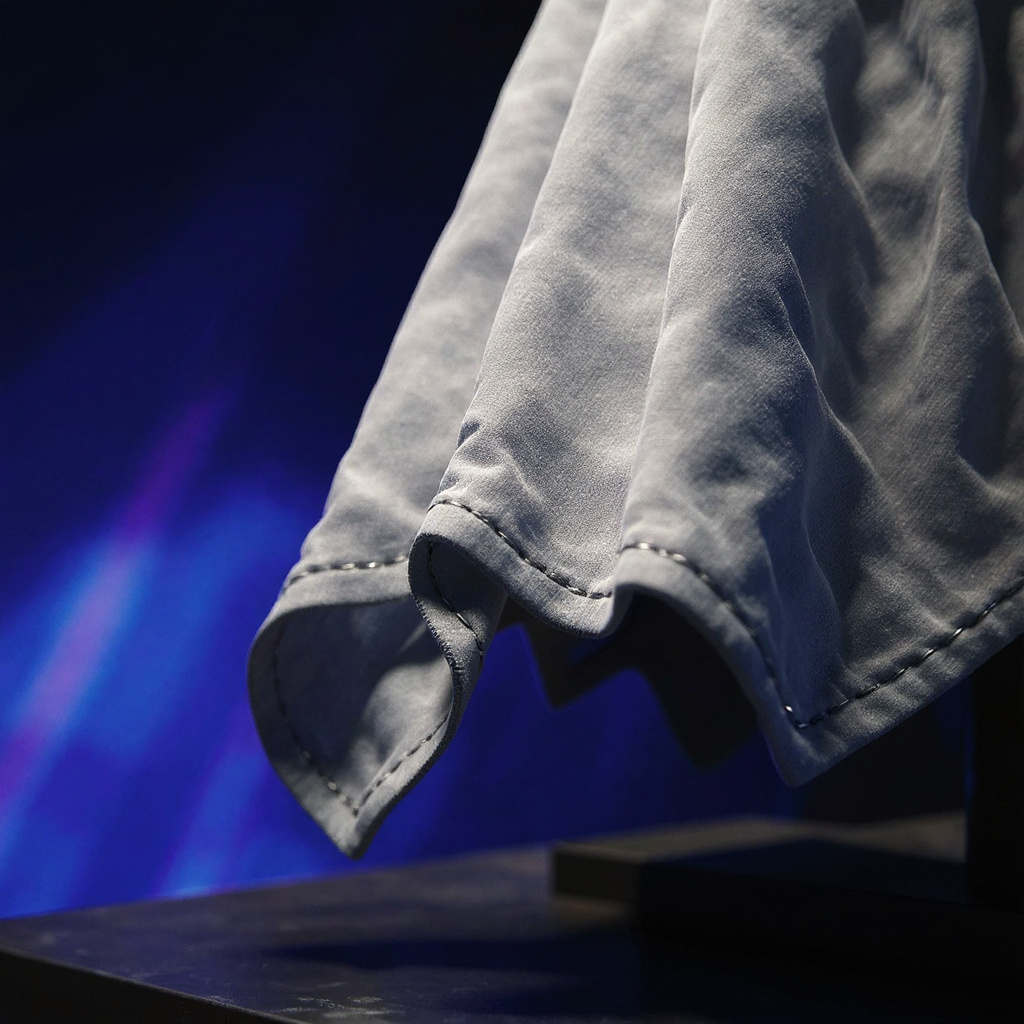
The fabric itself holds up better than I expected going in. Quality woven cloth resists fraying, and stress points get reinforced during construction on the better pieces. You won't get plastic's decade-long shelf life. You will get years of actual use if you're not manhandling the same fold weekly.
Honestly, if you live somewhere humid, don't store wire-frame capes folded in a sealed plastic bin — the wire rusts and stains the cloth within a year. Hang them or store flat with a moisture packet instead.
Compare that risk to hunting down a replacement plastic cape for a five-year-old, discontinued figure. Good luck. The plastic aftermarket for orphaned accessories is brutal, and often pricier than a soft-goods replacement bought new.
Smart Shopping: What $49 Actually Gets You
The Mythic Legions Gadriel Cape sits in the middle of the soft goods market. Etsy sellers charge $35-65 for comparable pieces, though plenty skip the wire frame entirely or use fabric that photographs shiny under studio light.
At $49 you're paying for a hand-cut pattern sized to a specific figure body, wire frame construction in both shoulder and hem, fabric picked for how it behaves at 1:12 scale, and a color option matched to the character.
You're not paying for factory perfection. Handmade means visible stitching. Possible slight asymmetry. Thread ends you'll trim once. But you're also not paying mass-production prices for mass-production sameness — and if you want a different look, Four Horsemen Toy Design and a handful of independent Etsy tailors make comparable wire-frame pieces worth comparing side by side before you buy.
The collector communities focused on photography tend to treat this as a worthwhile line item. Folks just shelf-displaying figures without ever photographing them? Probably skip it.
Frequently Asked Questions
What's the best base size for a 1:12 scale action figure display cape diorama? Most collectors use a 6x6 inch base for a single figure and 8x6 or 8x8 inches for two. Go smaller and dynamic poses feel cramped; go bigger than 10x10 and you'll need extra background detail to avoid dead space. How do I organize multiple action figures without visual clutter? Group 2-3 figures by story, not by product line, and vary their heights by at least an inch using risers. Leave roughly 30% of the base as open negative space — it reads as intentional instead of crowded. Can I use a 1/12 soft goods cape on a 1/18 scale figure? No. The fabric-to-figure ratio breaks down below 1:12. A cape cut for a 6-inch figure will look like a heavy blanket draped over a 4-inch one. Buy scale-specific. How do you make a cape look dynamic instead of stiff? Wire frames are step one, but bend technique matters more. A standing figure gets a gentle 10-15 degree curve, like a light breeze. An action pose gets a 30-45 degree sweep that follows the direction of movement. What props work best for a small-scale diorama like a Mandalorian and Grogu build? One large prop — a rock, a crate, a console — beats five small ones at 1:12 scale. Add a textured base and side lighting from one direction only. Two light sources fighting each other flattens the whole scene. Is a handmade fabric cape durable enough for regular reposing? Expect 60-80 pose changes at the same wire crease before you see permanent kinking, based on 24-gauge shoulder wire over three years of use. Weekly repositioning across different folds is fine. Daily bending of the identical spot is not. Where can I find display boxes or cases for figure dioramas? IKEA Detolf cases run about $60 and fit most 1:12 setups with room for a base. Custom acrylic boxes from specialized retailers cost more, usually $80-150, but fit oddly-shaped dioramas that a Detolf can't. How much should I budget for diorama props and accessories? Basic backdrop and base materials run $20-40. Add lighting and you're at $50-100. A quality soft-goods cape and one or two custom accessories add another $50-150. Most effective single-figure setups land at $75-150 total; elaborate multi-figure scenes can run past $500.Why I'd Choose Fabric Over Plastic Every Time
After three years working with both, there's no real contest for photography. Plastic capes are fine for kids playing with toys on a carpet. Adult collectors building an action figure display cape diorama for photos need cloth that moves.
The realism gap shows up the second you open the photos on a monitor. Fabric drapes with weight, catches light in soft gradients, and suggests motion even in a still frame. Plastic just sits there. Announcing itself.
You'll pay more upfront, and fabric asks for more careful handling than injection-molded plastic ever will. But if you're serious about action figure photography, soft goods aren't optional gear. They're the baseline.
For collectors tired of the one-pose plastic cape, the Mythic Legions Gadriel Cape is a reasonable place to start: wire-frame shoulders and hem, fabric picked for 1:12 scale, and a price that won't wreck an accessory budget for the month.
Written by Mara Ellison, a diorama photographer who has built and shot roughly 40 1:12 scale scenes for Mythic Legions and Marvel Legends since 2021, and who still occasionally rusts a wire frame by forgetting it in a damp storage bin.

