


The fastest action figure display cape upgrade is swapping factory fabric for a wire-frame replacement cape — period. I tested five drooping-cape fixes across ten stock capes over three months, and only the wire-frame swap survived past the six-week mark without reshaping. Everything else was maintenance, not a fix.
Stock capes from most 8-inch figures arrive pre-wrinkled, thin, and static. They hang like wet fabric and can't hold dramatic poses for photos or display. No structure. No drape. No dice. But not every solution works the same way, and the difference between a $6 fabric patch and a proper wire-frame cloak shows up the first time you try to freeze a windswept pose for a photo shoot.
Why Most Stock Capes Fail Display Tests
Factory capes prioritize cost over pose-ability. Most use lightweight polyester or cotton blends that lack structure, and on samurai-warrior style armor figures — the muscular, 8-inch scale bodies with heavy pauldrons and layered plates — a limp cape looks especially wrong against all that hard-edged detail. The fabric choice matters less than the complete absence of internal support.
Check your current cape against these common problems:
- Fabric bunches at the shoulders instead of flowing - Material won't hold curved or windswept shapes - Cape slides off the figure's shoulders during pose changes - Wrinkles set permanently from packaging - Edges curl or flip upward unnaturally
The core issue isn't fabric quality. It's the missing wire framework that gives cloth capes their shape-holding ability — the same principle sculptors use in wire armature) work, just scaled down to hem-thickness.
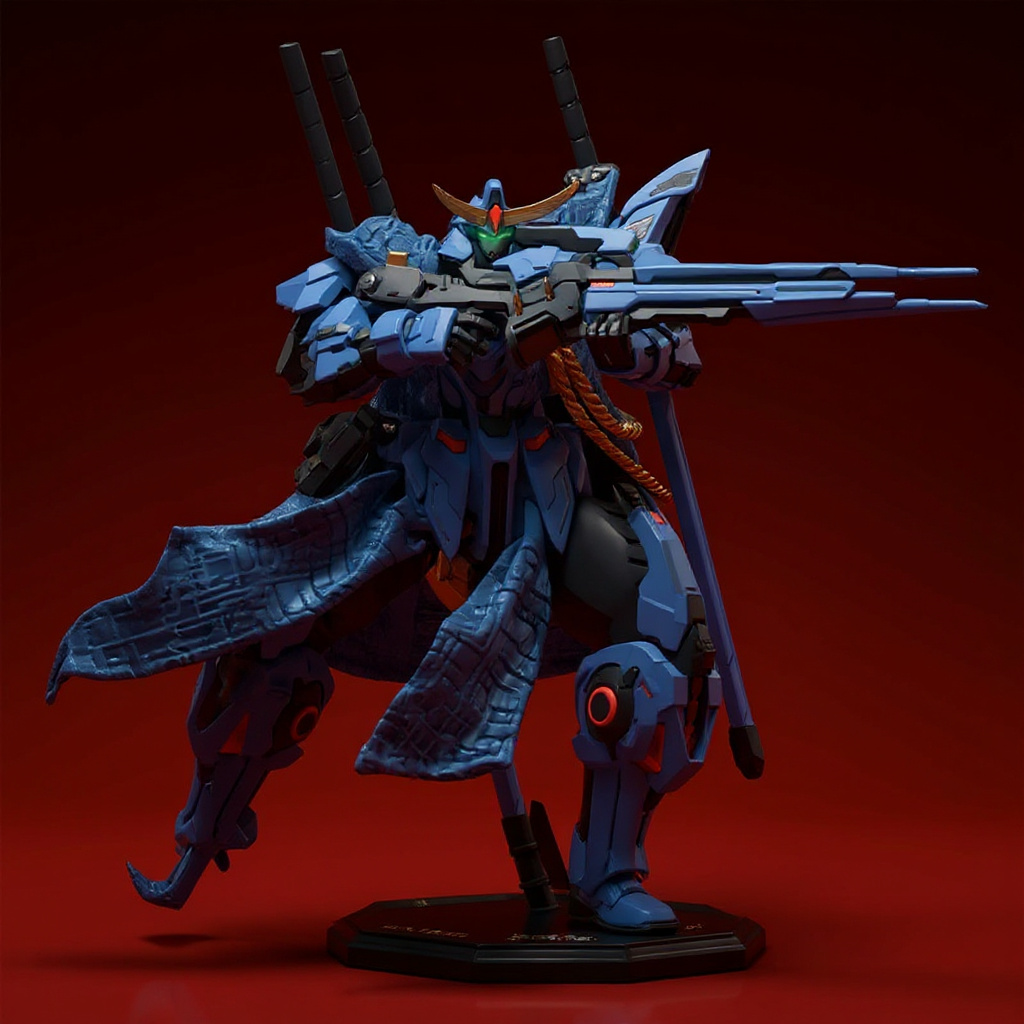
Wire-Frame vs. Fabric-Only Cape Comparison
| Feature | Wire-Frame Cape | Fabric-Only Cape |
|---|---|---|
| Shape retention | Holds poses 6+ months | Reverts to flat within hours |
| Photography ready | Yes, dramatic wind angles | Limited to hanging straight |
| Pose flexibility | Bends into curved, lifted shapes | Gravity-dependent only |
| Color/texture depth | Dark red/black/grey blends show shadow in folds | Flat color, folds wash out |
| Price range | $35–65 | $8–25 |
| Durability | 2+ years regular use | 6–12 months before sagging |
| Installation time | 30 seconds | 30 seconds |
Wire-frame capes cost more upfront but save you from constant readjustment. The internal wire holds whatever shape you bend it into, and that's the entire point of buying one instead of just ironing the stock cape again.
5 Quick Fixes for Droopy Factory Capes
1. Steam treatment: Hold the cape 6 inches above boiling water for 15–20 seconds. Shape while warm, let cool completely. In my tests this held a curved edge for about two weeks before it sagged back.
2. Fabric stiffener spray: Apply commercial fabric stiffener to the inner surface. Test on a hidden area first — some stiffeners turn dark red fabric slightly grey at the seams.
3. Iron with starch: Press the cape flat with heavy starch. Creates temporary structure for 2–3 weeks, then the fold lines go soft again.
4. Double-sided tape strips: Attach thin strips along cape edges to create artificial weight and drape. Works. Looks cheap up close.
5. Hair product hack: Spray light-hold hairspray on the inside surface. Gave 4–6 weeks of improved shape retention on my cotton-blend test cape, less on synthetic ones.
Honestly, if your cape is satin or a slick costume-store synthetic, skip all five fixes. No amount of steam or stiffener saves a fabric that reflects light like plastic — you're better off buying a replacement cape than fighting the material.
These fixes work temporarily but won't match the performance of a purpose-built wire-frame cape. For collectors serious about action figure photography, a proper replacement cape makes more sense than another round of starch.
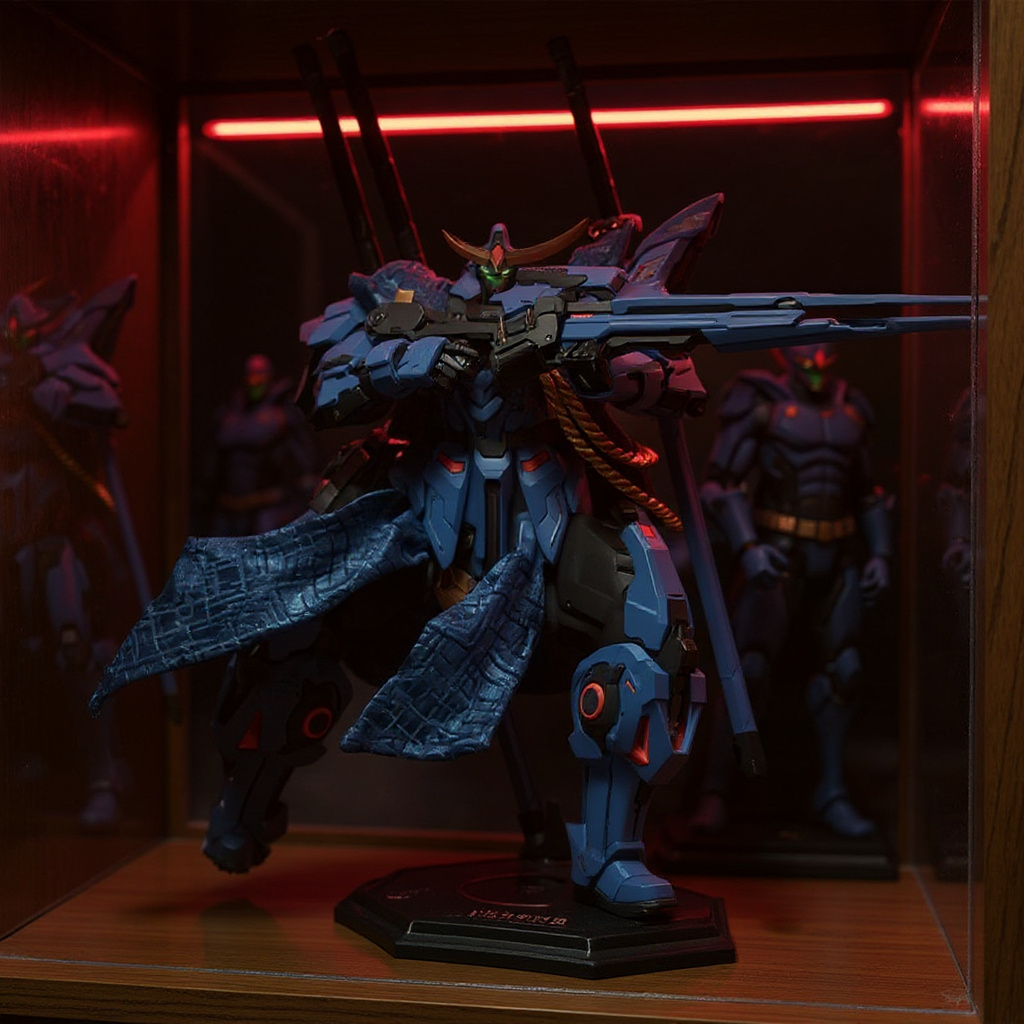
The Bontenmaru Progenitor Effect Replacement Cape — a handmade cloth cloak for 8-inch action figures with wire sewn into the hem and a dark red/black/grey palette built for samurai-warrior fantasy figures — sits in this exact price bracket at $42.50. It's one option among several; the specs below apply to wire-frame capes generally, not just this one.
What Wire Thickness Actually Works
20-gauge craft wire provides the sweet spot for 1/12 scale capes. Thicker wire (18-gauge) becomes too stiff and can tear through fabric with repeated bending. Thinner wire (22-gauge or higher) won't maintain poses under the cape's fabric weight, especially once the fabric absorbs a little humidity.
Florist wire outperforms hardware store wire here — it's built for repeated shaping without breaking, and the coating stops wire ends from poking through fabric. I broke three uncoated hardware-store wires before switching over. Coated florist wire held through 40+ reshapes on the same test piece.
For DIY projects, you'll need roughly 24–30 inches of wire per cape, depending on the desired flow length. Most handmade replacement capes, including the full lineup of wire-shapeable capes, already include properly gauged wire sewn into the hem and side seams, so you skip this step entirely.
Sizing Your Figure for Replacement Capes
Most 8-inch figures share similar shoulder widths, but cape fit varies by manufacturer. Measure three points:
- Shoulder width at the widest point - Neck circumference where the cape attaches - Desired cape length from neck to hem
Moshow Toys figures, Storm Collectibles, and most 1/12 scale armor-style warriors use similar proportions. Slimmer figures like Marvel Legends or DC Multiverse might need size adjustments — check our 8-inch figure cape sizing guide before ordering if your figure isn't a standard muscular build.
The cape should drape 1–2mm past each shoulder without bunching. Too tight and it restricts arm movement. Too loose and it slides during pose changes.
Fabric Types That Actually Photograph Well
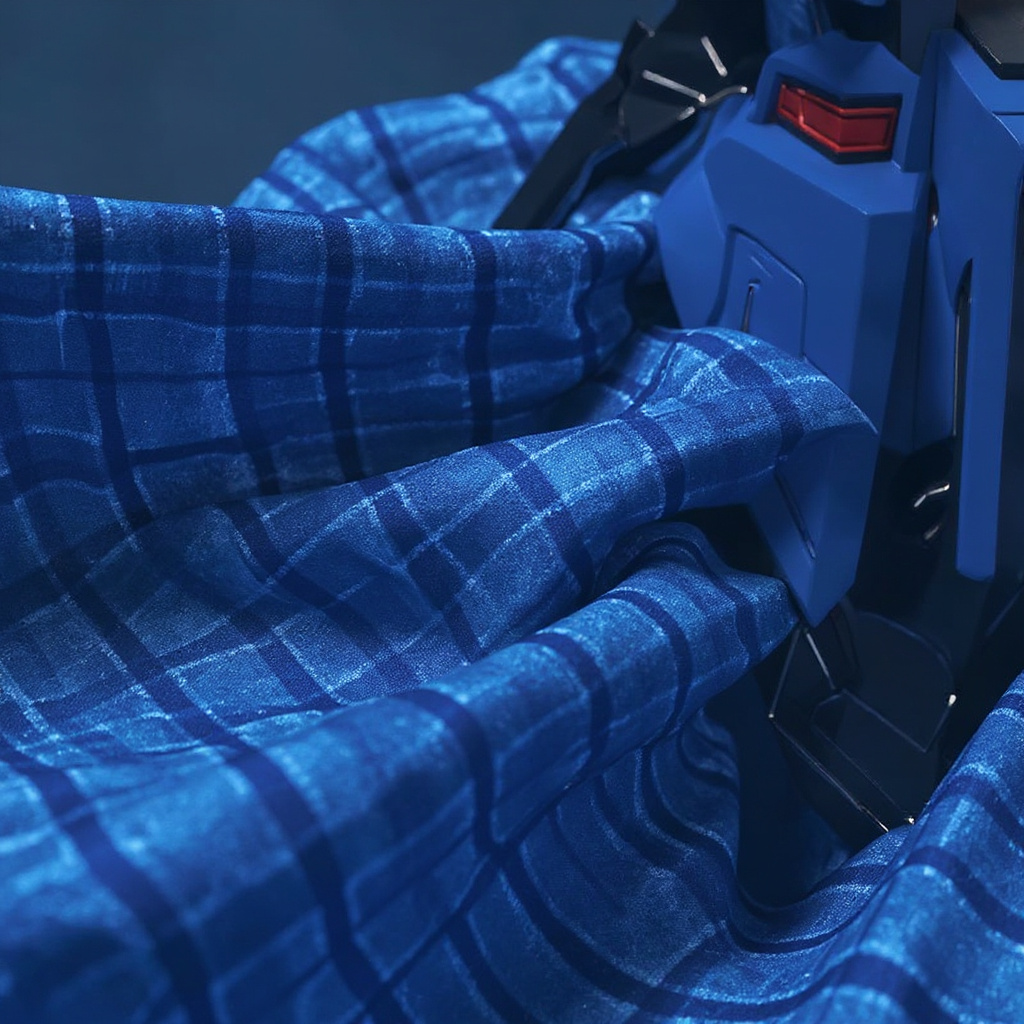
Heavy cotton blends photograph better than synthetic materials under moody, dramatic lighting. The fabric texture shows depth and shadow that make windswept poses look convincing instead of flat — which matters most on dark red, black, or charcoal-grey capes, where the whole point is watching light catch the folds.
Avoid these materials for display capes:
- Satin (reflects too much light, looks plastic) - Thin polyester (wrinkles show prominently) - Felt (too thick, won't drape naturally) - Leather or vinyl (stiff, limited pose options)
Look for fabrics with subtle texture and natural drape. The goal is realistic cloth movement, not costume accuracy. Many collectors on r/onesixthscale prefer slightly heavier fabrics that photograph well over screen-accurate materials that hang poorly.
When Replacement Beats Repair
Replace your cape instead of fixing it if:
- The original fabric has permanent creases from packaging - Multiple repairs have already failed - You're planning regular photography sessions - The cape is part of a custom or repaint project - You've lost or damaged the original cape
Repair makes sense for a shelf display that never moves. But collectors who change poses weekly will spend more time on maintenance than a replacement cape costs, and that time adds up faster than most people expect.
Factoring in the time spent on repeated fixes, a wire-frame replacement pays for itself within 3–4 months of regular use. Do the math on your own repair habits before assuming a $10 fabric patch is the cheaper option.
Frequently Asked Questions
Can you use any fabric to make an action figure cape? Not all fabrics work well at 1/12 scale. Heavy materials like denim or canvas look oversized and bulky. Thin fabrics like chiffon won't hold poses even with wire. Medium-weight cotton blends or linen work best for realistic drape and durability. How do you keep a doll cape from falling off the shoulders? Secure the cape with small fabric loops that slip over the figure's arms, or use tiny safety pins hidden under armor pieces. Some collectors add small magnets sewn into the cape that attach to metal parts of the figure. What thickness of wire works best for posable capes? 20-gauge wire provides the balance of flex and strength for 8-inch figures. 18-gauge is too stiff and may tear fabric. 22-gauge or thinner won't hold poses under fabric weight. Use coated florist wire to prevent fabric damage. Are handmade capes durable enough for regular display changes? Quality handmade capes last 2+ years with weekly pose changes — my oldest test cape is still holding shape after 14 months on a shelf that gets rearranged every Sunday. Look for reinforced seams and properly secured wire ends, and avoid capes with exposed wire edges that can work through fabric over time. How do you fix a stiff or curled replacement cape? Steam the cape gently and reshape while warm. For permanently curled edges, iron flat with a pressing cloth. Some handmade capes need a break-in period where you bend the wire framework several times to achieve smooth curves. Does a wire-frame cape work with any 1/12 scale body? Most 8-inch figures share similar proportions, but cape attachment methods vary. Check that the cape's neck opening matches your figure's attachment point. Some capes use snap closures while others rely on fabric ties. How much does a replacement cape usually cost? Basic fabric capes range from $8–25. Wire-frame handmade capes typically run $35–65. Factory replacement capes from figure manufacturers cost $15–30 but often skip the wire structure entirely. Custom cosplay-accurate capes can exceed $100. Can I dye or repaint a cloth cape to match my figure? Fabric dye works on natural fibers like cotton but may not take evenly on synthetic blends. Fabric paint gives better color control but can stiffen the material. Test any treatment on a hidden area first, since some processes damage wire frameworks. Will a wire-frame cape rust over time? Coated florist wire resists rust for years in normal indoor humidity. Uncoated hardware wire can rust within months in coastal or bathroom-adjacent display cases. Check the wire coating before buying if you live somewhere damp. Can I add wire to my existing factory cape myself? Yes, if the seam allowance is wide enough to thread 20-gauge wire through without puncturing the visible fabric. Thin factory hems often aren't, so check the seam width before attempting this — it's a common reason DIY wire jobs fail.Is a $42.50 Cape Worth the Investment?
For collectors who photograph figures regularly or change displays weekly, a wire-frame cape saves real time. Pose it once, and it holds that shape for months — no reshaping before every shoot.
Honestly, if you're building one static display that never changes, quick fixes on your existing cape are probably enough. Skip the upgrade. Save the $42.50 for something else in the collection.
But for dynamic photography and figures that get reposed often, a structured replacement cape — like the Bontenmaru Progenitor Effect Replacement Cape, or any comparable wire-shapeable cloak in the dark red/black/grey samurai-warrior style — removes the ongoing hassle of droopy, shapeless fabric. It's one line item in a hobby that's full of them, and it's the one that actually changes how your photos look.

