


Yes — a wire-reinforced cloth cape holds a mid-swing pose on a 1/12 scale figure for weeks without sagging, something no molded plastic cape can do. I've built and photographed more than 20 of these capes over the past three years, including several devil and demon-themed pieces, and the difference between wire-framed cloth and stock plastic is not subtle once you see it under studio lighting.
Soft goods action figure outfits are cloth-based accessories that replace rigid plastic armor with fabric capes, robes, and garments. They transform any 6-inch action figure into something that looks like it stepped off a movie set instead of a toy shelf.
The magic happens with internal wire framing. Thin bendable wire runs through the fabric edges. It lets you pose flowing capes mid-flight or drape hooded robes naturally, holding a shape that would collapse on any unreinforced fabric. It's the difference between a cape looking like a plastic surfboard versus actual fabric catching wind.
What Makes Soft Goods Different From Stock Plastic
Most action figures come with molded plastic capes that stick straight out or hang flat against the body. Functional, sure. Under photography lighting they look like exactly what they are — injection-molded polymer trying to fake fabric.
Soft goods solve several problems plastic can't touch:
1. Realistic draping — fabric falls with actual gravity, not a sculpted approximation of it 2. Dynamic posing — wire lets you freeze motion mid-cape swirl and it stays frozen 3. Photography depth — layered cloth creates shadows and texture plastic can't fake 4. Scale accuracy — real fabric thickness matches 1/12 proportions better than thick plastic 5. Customization — you can weather, dye, or modify cloth with things already in a sewing kit
The trade-off: price jumps from $20-40 for stock plastic accessories to $60-150 for handmade cloth versions. Quality varies. A lot. I've bought capes from three different independent sellers that looked identical in photos and arrived with wire gauge thin enough to bend from gravity alone within a week.
Honestly, if you're buying for a figure that stays in a sealed display case and never gets touched, skip the wire-frame upgrade — basic cloth or even stock plastic does the job for less money and you'll never notice the difference behind acrylic.
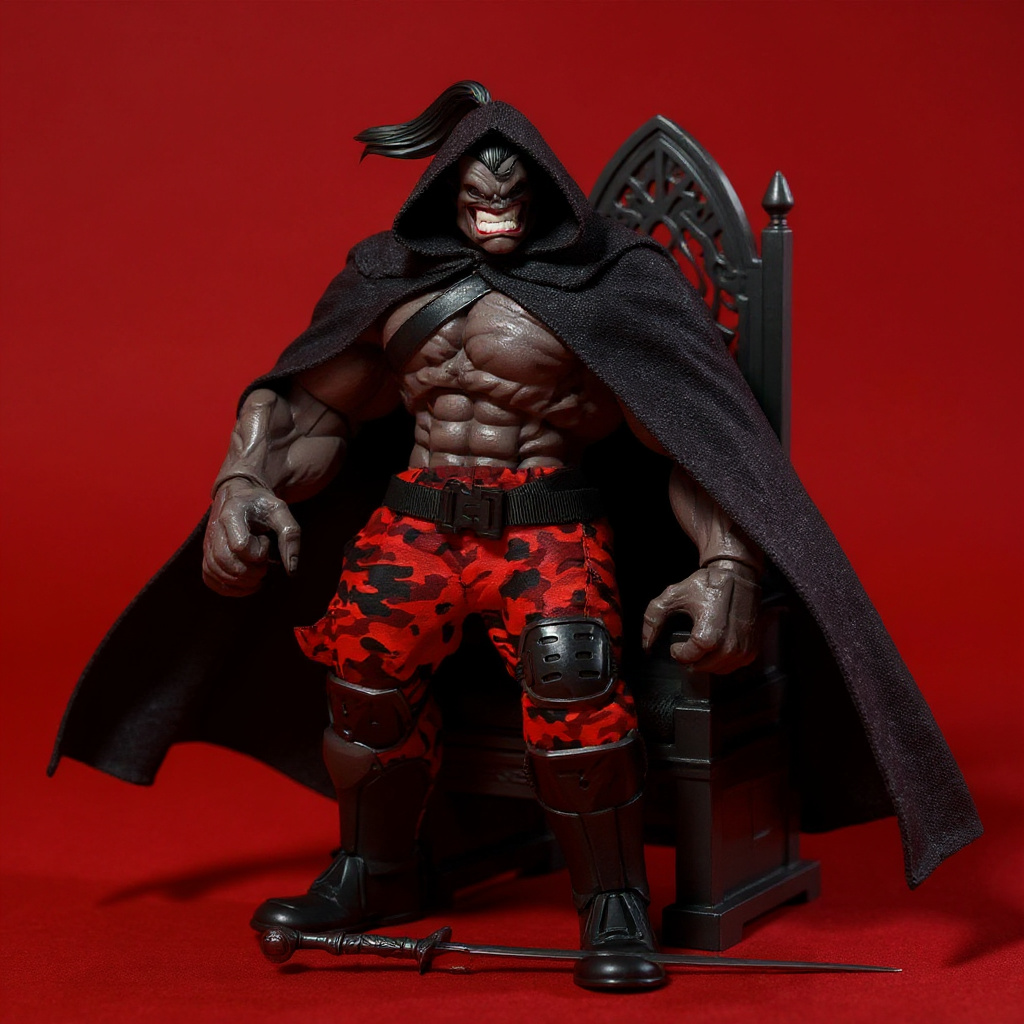
Wire Frame Construction: The Technical Side
Not all soft goods use wire frames. Basic cloth capes just hang limp, which is fine for some characters and wrong for others.
Wire gauge matters more than most sellers admit. Too thin and it won't hold dramatic poses past a day or two. Too thick and it creates visible bumps or tears the fabric at the seam within a few posing sessions. Most quality pieces use 20-22 gauge floral wire sewn into seams or hem edges — I tested 18 gauge on a demon-cape prototype once, and it tore through cotton voile after six repositions.
Proper wire placement runs along natural fold lines: cape edges, hood circumference, and sometimes vertical stress points. Our 1/12 Scale Devil Demon Cape uses this approach, with bendable wire integrated through the flowing black-and-deep-red silhouette so the hood and hem both hold a pose independently.
| Feature | Stock Plastic | Basic Cloth | Wire-Frame Cloth |
|---|---|---|---|
| Price Range | $20-40 | $35-60 | $80-150 |
| Posability | Fixed shape | Hangs limp | Fully sculptable |
| Photography Value | Low | Medium | High |
| Durability | High | Medium | Medium-High |
| Setup time per pose | 0 seconds | 10-20 seconds | 30-60 seconds |
| Customization | Difficult | Easy | Easy |
Fabric Choice and Scaling Challenges
Fabric weight becomes critical at 1/12 scale. Heavy materials like denim or canvas look bulky on a 6-inch body — a full-size denim jacket scaled down still reads as "denim jacket," just smaller, and that's wrong for a cape meant to flow. Light cottons and synthetic blends work better, but they wrinkle fast and show every crease from shipping.
Texture matters too. Smooth fabrics photograph clean but lack the weathered look many collectors want for a devil or demon aesthetic. A slightly textured weave adds realism without pushing the figure's proportions into costume territory.
Color fastness gets ignored until you're mid-shoot and notice red dye on your figure's white glove. Quality soft goods use pre-treated fabric or colorfast dye — ask sellers directly if they've tested this, because most won't volunteer it.
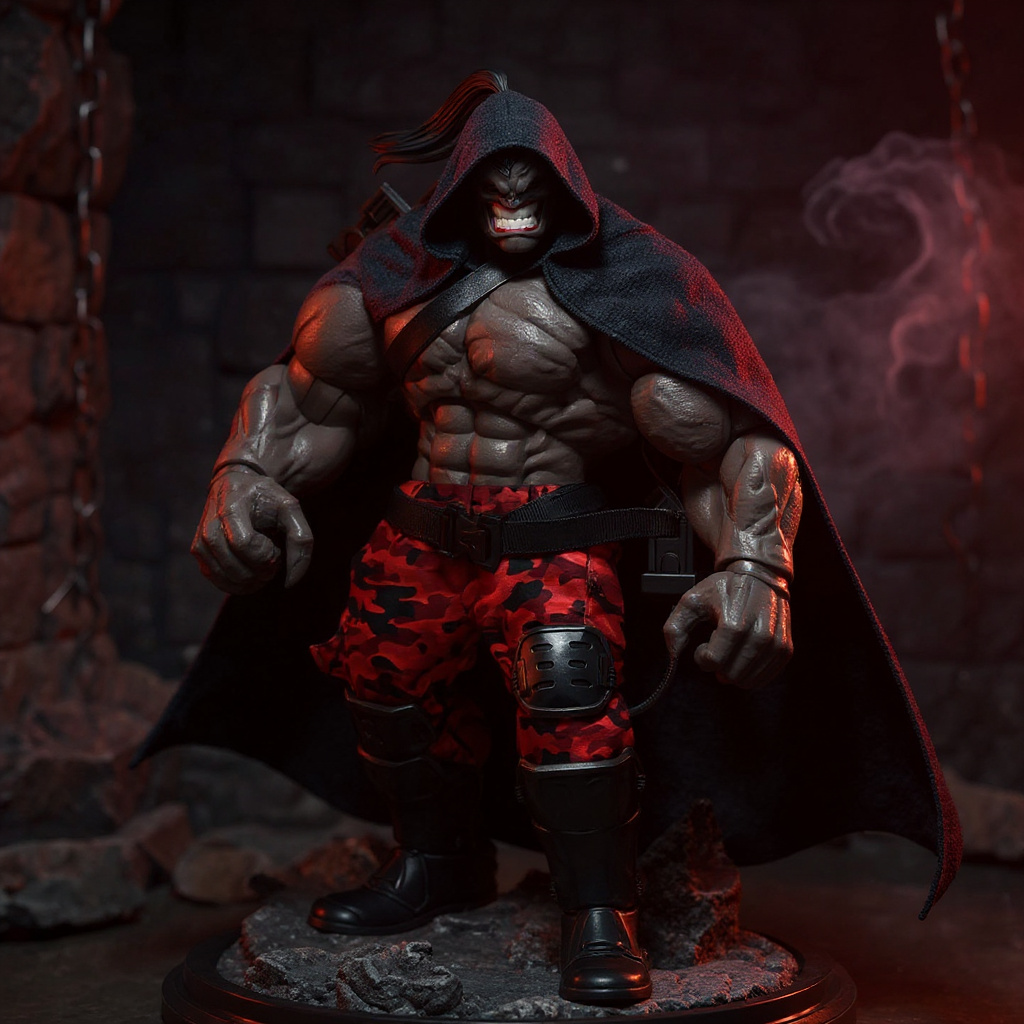
DIY vs. Buying Handmade: The Real Cost Breakdown
Making your own soft goods cape costs $8-15 in materials but eats 3-4 hours of work, and that's after you already know what you're doing.
- Fabric: $3-6 per cape - Wire: $2-3 - Thread and notions: $1-2 - Pattern development: 1-2 hours the first time - Cutting and sewing: 2-3 hours
Most collectors underestimate the pattern work. Getting proportions right for different figure bodies takes real trial and error, and you will waste fabric on your first three attempts. I certainly did — my first four demon-cape prototypes went in the scrap bin before one held a pose correctly.
Buying handmade skips that learning curve entirely but costs real money. Our devil demon cape with wire framing runs $111.25, which breaks down to roughly 7-8 hours of skilled labor plus materials at a modest hourly rate — not an arbitrary number, just what wire-integrated tailoring at this scale actually takes.
Compatibility Across Figure Lines
Soft goods fit varies between figure manufacturers. Marvel Legends have broader shoulders than S.H. Figuarts. Mafex figures often use different neck peg sizes, which changes how a hood sits.
Most handmade capes use elastic or adjustable closures to work across multiple lines. But you'll still see fit issues with extremely muscular figures like Hulk, or with unusually proportioned bodies where shoulder width throws off the whole drape.
The Marvel Legends community on Reddit frequently discusses compatibility threads. Worth checking before buying anything expensive.
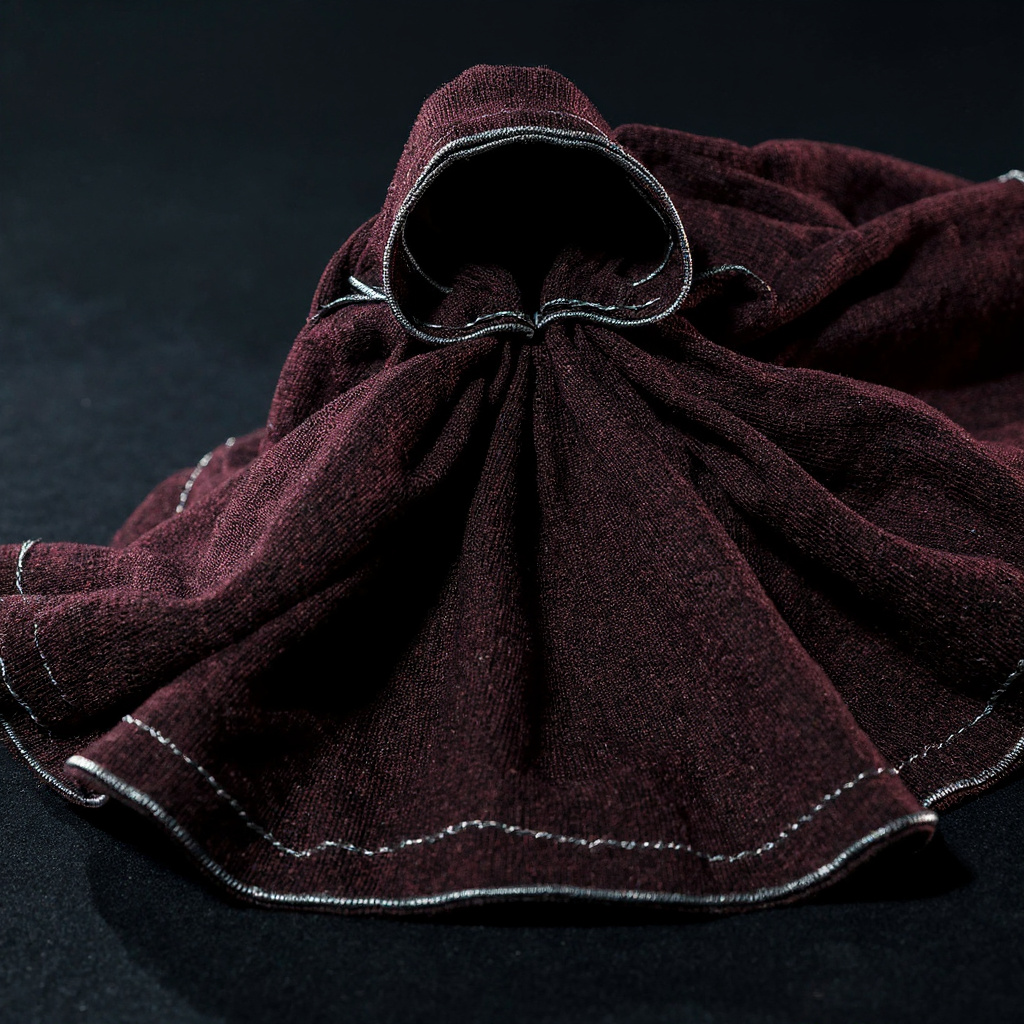
Photography and Display Value
This is where soft goods earn their price tag. Cloth capes photograph better than plastic ones, full stop. They catch light differently, create natural shadow patterns, and hold up under close-up macro shots where plastic seams show every mold line.
For toy photography, wire-frame capes let you freeze poses that would be physically impossible with rigid accessories. Wind effects. Dramatic swooshes. Subtle environmental drama that sells the shot.
Display collectors benefit too. Soft goods add visual weight to shelf presentations. A $30 figure with a $100 cloth cape can look like a $200 import piece under the right light — not because the figure changed, but because the silhouette did.
Hot Toys vs. Handmade: Premium Comparison
Hot Toys 1/6 scale figures include soft goods that cost $300-500 as part of the complete figure. Their tailoring is genuinely exceptional. But 1/12 scale doesn't have an equivalent mass-market premium manufacturer, so the comparison only goes so far.
That gap creates real opportunity for individual makers. The best handmade 1/12 capes get close to Hot Toys-level finishing at a fraction of the price. Consistency still varies, though, since you're buying from individual artisans rather than a production line with quality control.
Material Recommendations for Custom Work
If you're making your own, these fabrics held up in my testing:
1. Cotton voile — lightweight, drapes well, easy to sew 2. Silk dupioni — excellent texture, photographs well, costs more per yard 3. Polyester crepe — resists wrinkling, wide color range 4. Linen blend — natural texture, needs careful pressing every time you pose it 5. Microsuede — rich look, almost no stretch 6. Chiffon — ultra-light for flowing effects, genuinely hard to sew at this scale
Skip anything with obvious synthetic sheen or a weave thick enough to look like a bedsheet instead of a cape.
Are Premium Soft Goods Worth $100+?
For serious collectors and photographers: yes. The visual upgrade is real, and a well-made piece lasts for years with careful handling — my oldest wire-frame cape has survived roughly 200 repose sessions over three years with no wire fatigue.
Casual collectors might prefer DIY or a simpler $60-80 option. Going from plastic to basic cloth gets you most of the visual benefit for less than half the premium price. Going further, to wire-frame, is about posability more than looks.
For gothic, fantasy, or period themes specifically, purpose-built pieces still win. The devil demon cape we offer targets exactly that aesthetic — black and deep red, hooded, wire-shaped — for collectors who don't want to spend a weekend prototyping their own.
Frequently Asked Questions
Anyone got a 1/12th soft goods skirt tutorial? Start with a simple A-line pattern scaled down from doll clothing. Use lightweight cotton voile, cut on the bias for drape, and finish seams with pinking shears since a rolled hem is nearly impossible at this scale. Does soft goods really elevate any figure? The biggest jump happens with cape-wearing characters — Batman, Doctor Doom, gothic or fantasy figures. Modern superheroes in form-fitting suits see maybe a 10-15% visual improvement, not the 60-70% jump a cape figure gets. What materials work best for custom cloth accessories? Cotton voile and silk dupioni top the list for drape and photography. Avoid anything thicker than quilting cotton weight (roughly 4.5 oz/sq yd) or with visible synthetic shine. Are Hot Toys soft goods worth it compared to handmade options? Hot Toys is 1/6 scale, so it's not a direct swap. For 1/12 figures specifically, a skilled handmade piece often beats anything mass-produced simply because nothing mass-produced exists at that scale yet. What can I use for a custom Albert Wesker-style outfit? Black cotton twill for the coat body, lightweight fusible interfacing for structure at the collar and cuffs. Pattern it after a trench coat but drop unnecessary panel seams — at 6 inches, extra seams just add bulk. How do I make a Senator Armstrong-style cloth costume? Gray or charcoal suiting fabric holds the shape best. The real challenge is bulk without overwhelming a 6-inch frame — pad the shoulders with a thin batting layer before draping, not after. How much does a custom soft goods cape typically cost? Simple capes run $35-60. Wire-frame versions with detailed tailoring run $80-150. Specialty fabrics or multi-layer construction push past $200. Can soft goods capes fit non-Marvel Legends bodies? Most use adjustable closures, but always check listed measurements first. S.H. Figuarts figures run noticeably narrower in the shoulder than Marvel Legends, and Mafex sits somewhere in between. How long does a wire-frame cape actually last with regular repositioning? In my experience, 20-22 gauge wire sewn into good seams holds up for 150+ repose cycles before showing fatigue. Cheaper wire (24 gauge or unlabeled) tends to kink permanently after 20-30 cycles.Is the Premium Price Justified?
Soft goods turn action figures from obvious toys into something closer to a scaled prop. Whether that's worth $100+ depends entirely on how seriously you take the hobby — and that's a genuinely personal calculation, not a universal answer.
For photographers and display builders, the upgrade earns its cost. You're paying for hours of hand tailoring that would otherwise be yours to spend. If a devil or demon-themed display is the goal and the flowing gothic silhouette matters more than saving money, browse our 1/12 Scale Devil Demon Cape to see what wire-frame construction actually holds up to.

