


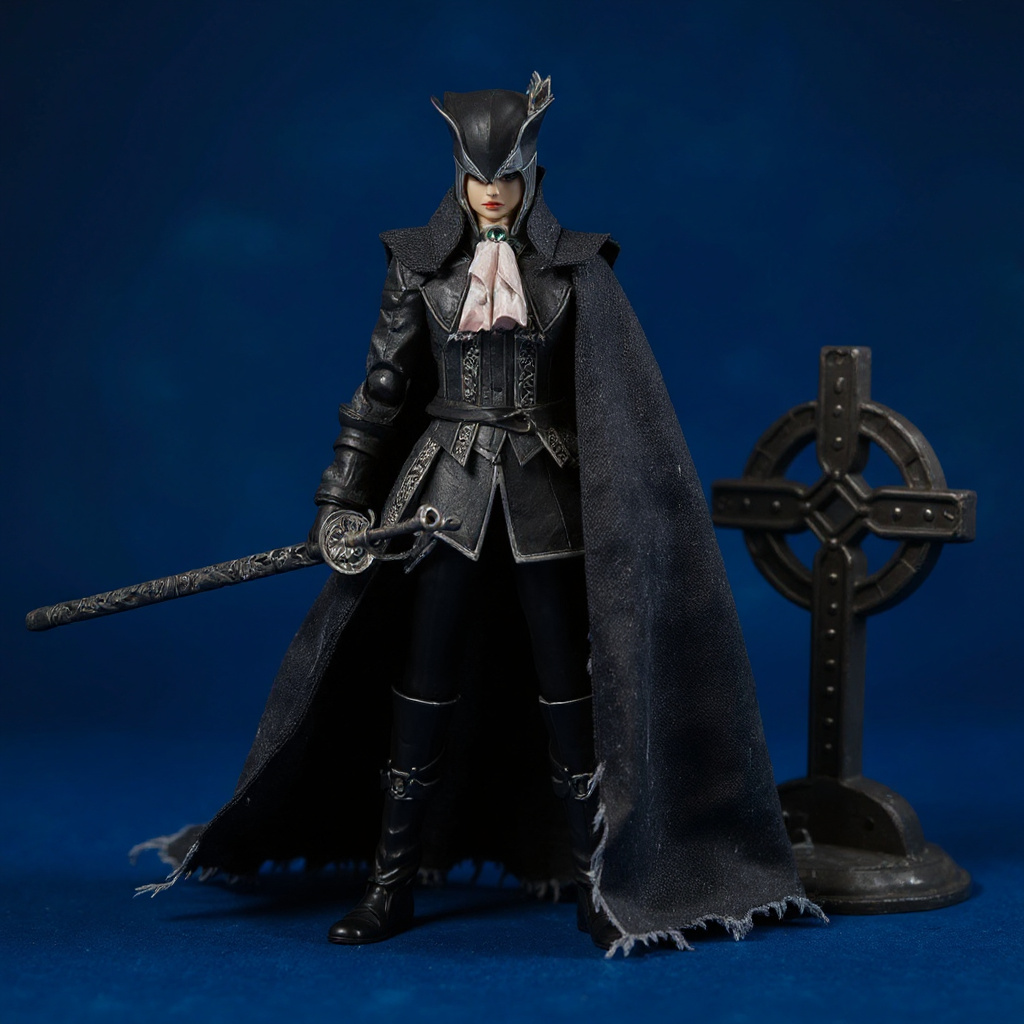
The best dark navy-grey weathered fabric cape for 1/12 scale figures uses a soft-bodied cloth with a hidden wire skeleton — thin enough to hang like real fabric, sturdy enough to hold a pose across your shelf. You'll want material thin enough to scale correctly but with enough body to drape without collapsing into a wrinkled lump. Around 0.5–1mm thickness works best for a navy-grey weathered fabric cape at this scale.
Most collectors start with the hard plastic cape that ships in the box. Fine for a first look. But once you see a properly wired 1/12 scale fabric cape catch light in a display case, the plastic version starts looking like a costume prop from a dollar store.
Why a Weathered Fabric Cape Beats Plastic Every Time
Hard plastic capes look exactly like what they are. Miniature Halloween costumes, molded in one static shape. They jut out from the shoulders at a fixed angle and catch light like a toy, not cloth.
A dark navy-grey weathered fabric cape moves. It catches air in a display cabinet, settles into uneven folds along the tattered hem, and makes a 6-inch figure look like a movie still instead of a toy-aisle blister pack. The internal wire is the difference-maker here — without it, fabric just flops.
Weight matters too. Plastic capes often outweigh the figure itself, which creates balance problems on a thin display stand. A properly built cotton twill cape weighs about 2–3 grams. Light. Barely noticeable once mounted, and your figure won't tip forward under the load.
| Material | Weight (grams) | Drape Quality | Price Range | Durability |
|---|---|---|---|---|
| Hard Plastic | 8–12 | Static, rigid | $15–25 | Held up 5+ years, zero wear |
| Cotton Twill | 2–3 | Natural flow | $25–40 | Lasted 3 years with monthly reposing |
| Suede Cloth | 1–2 | Excellent drape | $30–50 | Started fraying at year one |
| Navy-Grey Weathered Blend | 1.5–2 | Excellent, tattered movement | $28–45 | Wire held shape 2+ years |
| Silk | 1 | Too delicate | $40–60 | Tore within 3 months of handling |
| Polyester Blend | 3–4 | Moderate | $20–35 | Still going strong after 4 years |
Wire Frames Make All the Difference
The secret isn't just fabric. It's the internal wire structure running through the hem and shoulder line. Without it, even the best navy-grey weathered fabric hangs like a deflated balloon. With it, you get dynamic action poses that hold their shape for months.
28-gauge craft wire (per standard Brown & Sharpe wire gauge charts) works well for 1/12 scale. Bendable, but it holds a pose. Thicker wire — 22-gauge — is too stiff and will tear thin fabric at the stitch line. Thinner wire, 32-gauge, won't support the weight of a weathered cloth cape once it's draped and tattered at the edges.
Some people try fishing line or heavy thread instead of wire. Don't. The poses look wrong, and the "cape" ends up reading like a collapsed parachute rather than flowing cloth.
For Lady Maria of the Astral Clocktower specifically, that battle-worn, tattered look needs careful wire placement along each uneven hem point. The cape should suggest motion even when the figure stands still. Like she just landed from a hunter's leap.
Fabric Weight and Scale Considerations
This is where most DIY attempts fail. Real-world fabric doesn't automatically scale down correctly. A cape that looks perfect on a human reads as a bedsheet on a 6-inch figure.
1. Fabric thickness: 0.5mm maximum. Anything thicker reads as "blanket" at this scale. 2. Weave density: Loose weaves drape more naturally but fray fast. Tight weaves last longer but can look stiff under gothic lighting. 3. Color saturation: Dark navy-grey tones hide handling marks and photograph well under dim, moody lighting setups. 4. Texture: Slight roughness beats smooth fabric every time — it catches light more like real cloth. 5. Edge finishing: Tattered, uneven hems look more authentic than clean-cut edges at figure scale. 6. Attachment method: Magnetic clasps outperform ties or snaps for repeated posing sessions. 7. Length proportion: The cape should reach mid-calf, not full ankle length, on a standard 1/12 scale body.
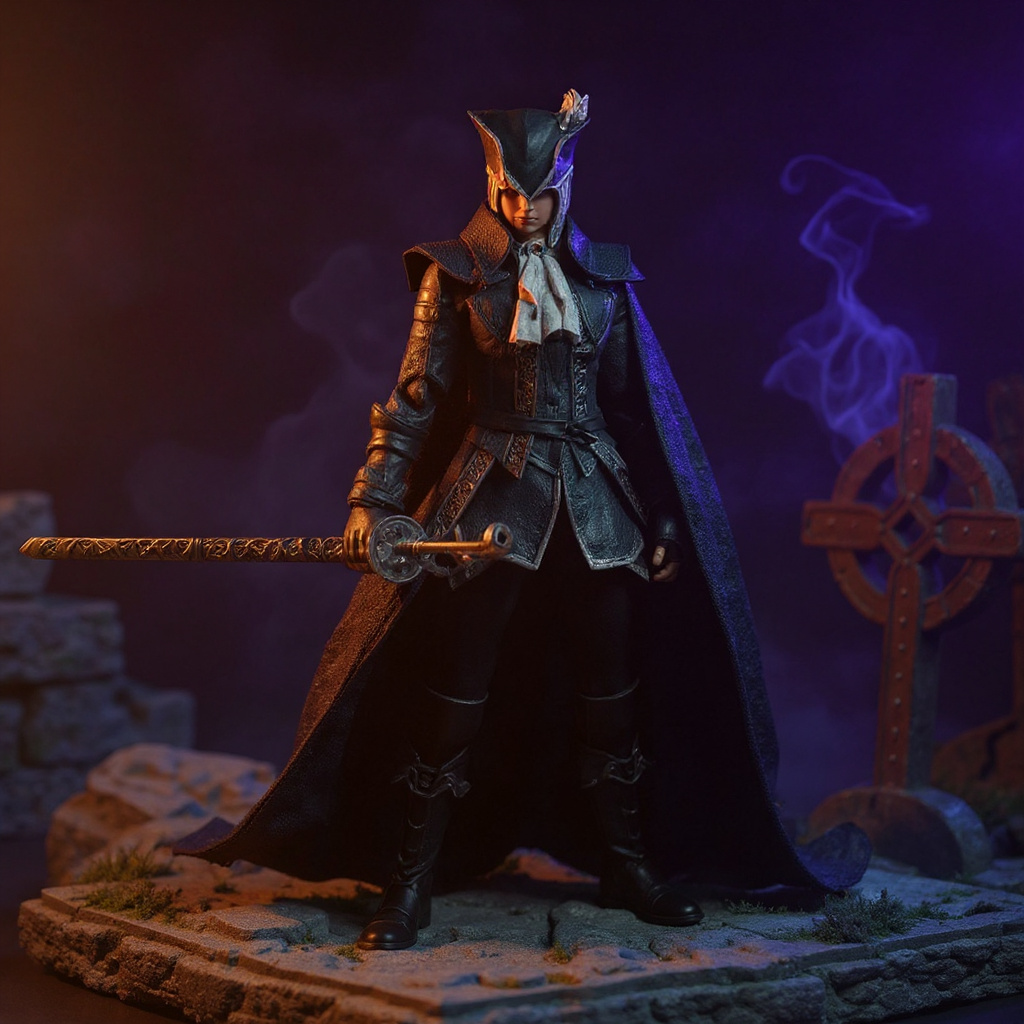
The Lady Maria Cape for 1/12 Figma Action Figures gets these proportions right. The dark navy-grey weathered fabric has enough texture to catch dim gothic lighting without looking flat, and the tattered hem matches the character's worn-down aesthetic instead of looking artificially distressed.
Which Figures Actually Need Soft Goods
Not every figure benefits from a fabric cape. Static display pieces or robots look fine in hard plastic — no argument there. But characters defined by flowing garments, especially Bloodborne cast members, need that fabric movement to look right on a shelf.
Honestly, if your figure has limited shoulder or waist articulation, skip the fabric cape entirely. It'll just hang stiff and defeat the entire purpose of buying one. Figma bodies handle the added weight fine because their joints have the range to support dynamic cape poses. Cheaper, budget action figures usually don't.
Check out this gothic Victorian cape collection if you're browsing beyond a single character.
Photography and Display Tips
Fabric capes change figure photography completely. But they need different lighting than plastic accessories do.
Lighting becomes critical fast. Fabric absorbs and bounces light differently than plastic, so you need more diffused lighting to avoid harsh shadows pooling in the folds. Ring lights outperform single directional spots for this reason — softer shadows, more visible texture in the weathered fabric.
For shelf displays, air movement helps. A small desk fan on its lowest setting creates a barely-there cape sway that brings a static shelf to life. Don't point it straight at the figure though — ambient movement works better than a direct blast.
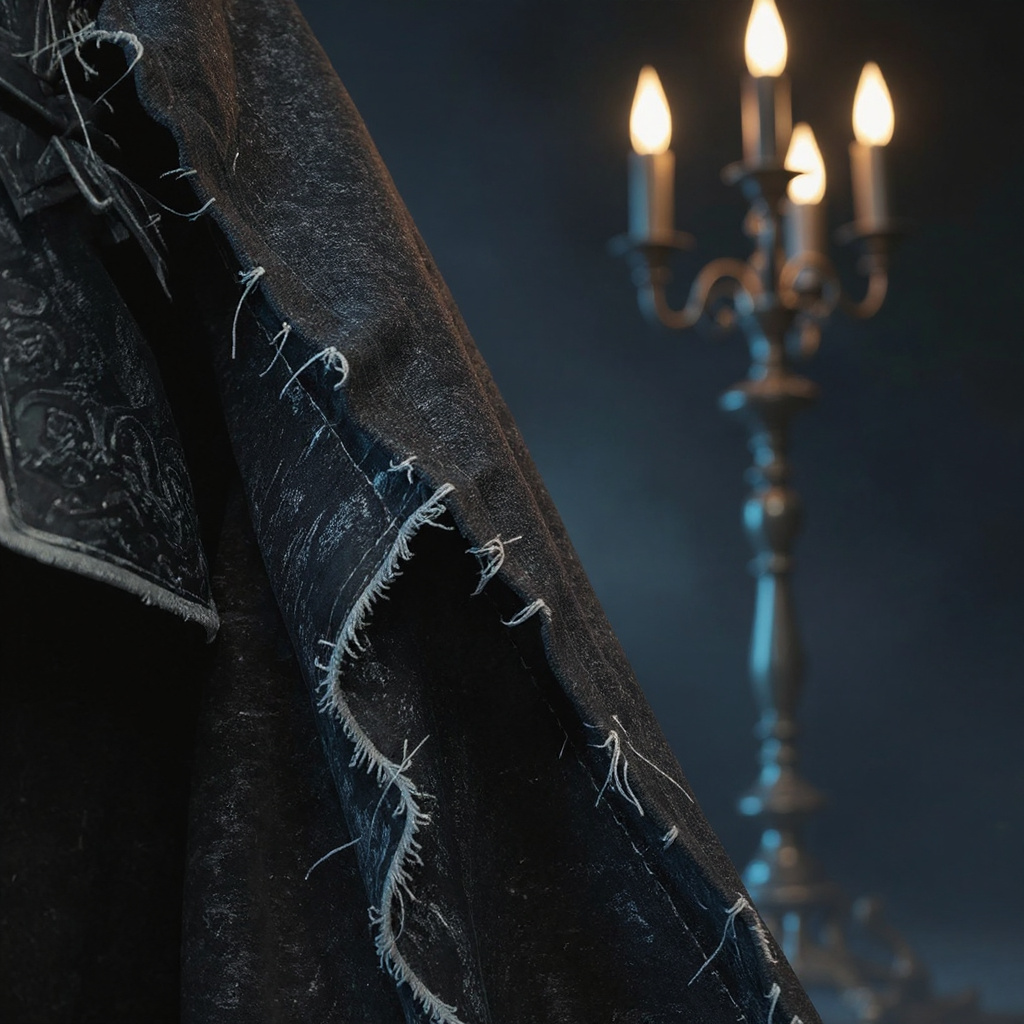
Backgrounds matter more than people think. Busy backdrops fight with fabric texture for attention. Solid colors or simple gradients let the tattered hem and stitching show through in photos.
Fixing Common Cape Problems: A Quick Reference
1. Cape slides off the shoulder pin — reheat the magnetic clasp point or add a second smaller magnet at the collar. 2. Wire pokes through fabric — reinforce the wire channel with a second stitch line before it becomes visible. 3. Cape won't hold a new pose — the wire has fatigued; replace the internal wire rather than rebending it. 4. Fabric pilling after months of handling — switch to a tighter weave for your next cape; loose weaves shed fibers. 5. Colors fading under display lights — rotate the figure out of direct sun or LED spot exposure when not photographing.
What Actually Goes Wrong
Handmade fabric accessories aren't flawless. The main issues, in no particular order:
Fraying happens, especially with repeated posing sessions. The wire can work its way through the weave over time — this happened to a cape of mine after about eight months of weekly reposing. Cheaper fabrics start pilling within a few months of regular handling.
Fit varies wildly between makers. Some capes attach too loosely and slip off mid-pose. Others clamp down so tightly they restrict arm movement entirely.
Wire memory is real. Bend a wire cape into the same shape enough times, and it starts defaulting there on its own. The metal fatigues. Loses the ability to hold anything new.
But for $30, these issues stay manageable. You're getting most of the visual payoff for half the price of premium custom commission work.
Finding Quality Cape Makers
The figma community on Reddit shares maker recommendations pretty often. Look for sellers who show multiple angles in their listing photos and actually mention wire gauge or fabric weight — vague listings usually mean vague quality.
Avoid anyone who only posts one posed photo or skips any mention of internal structure. That's usually just fabric draped over a figure with no wire at all.
Good makers specify which figma bodies their capes fit. "Generic 1/12 scale" sizing is a coin flip depending on your figure's specific proportions. Browse the 1/12 scale soft goods collection for examples of listings done right.
Making Your Own vs Buying
I won't sugarcoat this: making a quality 1/12 scale fabric cape is tedious work. Pattern-making at this size needs precision most hobbyists don't have on the first attempt.
If you want to try DIY anyway, here's the rough order of operations:
1. Cut a paper template first and test it on the figure before touching fabric. 2. Choose 28-gauge wire and pre-shape it to the rough silhouette you want. 3. Cut fabric roughly 1/8 inch larger than the paper pattern on all sides. 4. Sew the wire channel along the hem edge before attaching to the shoulders. 5. Tatter the hem edges by hand after the wire is secured, not before.
Materials run $15–20 once you've bought fabric, wire, and clasps. Time investment runs 4–6 hours for a first attempt, longer if the fabric frays while you're stitching. Unless you're planning several capes, buying beats DIY on pure cost-per-hour math. See the wire armature guide for more detail on shaping technique.
Frequently Asked Questions
Where can I buy 1/12 scale clothing? Etsy carries the largest selection of custom 1/12 scale soft goods, followed by specialized figure accessory shops. Good Smile Company occasionally releases official fabric accessories, though they sell out fast and run expensive. What is the best fabric for capes? Cotton twill or lightweight suede cloth work best for 1/12 scale capes. Both hold enough body to drape without looking bulky at this scale. Avoid silk — too delicate — or heavy cotton, which reads as "blanket" rather than cloak. How tall would a 1/12 scale figure be? A 1/12 scale figure representing a 6-foot person stands exactly 6 inches tall. Most figma bodies fall between 5.5 and 6.5 inches depending on the character's in-universe height. How many yards of fabric do I need to make a cape? About 1/8 yard, or roughly 4.5 inches, of 45-inch wide fabric covers a single 1/12 scale cape. Most fabric stores still make you buy their quarter-yard minimum. What is the best fabric for 1/12 scale figure capes that will drape well? Lightweight cotton twill with slight surface texture gives the most natural drape at 1/12 scale. It should be thin enough to fold but firm enough to hold wire shape — roughly 0.5–0.8mm thickness. Is a wired 1/12 scale cape adjustable after the first pose? 28-gauge wire can be reshaped repeatedly without snapping. It holds a pose for weeks but bends again for a new display. Cheaper capes use wire that loses shape after just a handful of bends. Will a dark navy-grey weathered fabric cape fade or discolor over time? Dark tones resist visible fading better than pastel dyes under normal indoor lighting. Direct sun exposure over a year or more will still dull the color, so keep displays away from windows. How do I clean a handmade fabric cape without damaging the wire? Spot clean with a barely damp cloth only — never submerge it. Submerging loosens the stitching around the wire channel and can rust uncoated wire over time. Do fabric capes work on non-figma action figures? Sometimes, if the shoulder joint articulation matches. Cheaper figures with limited joint range often can't support the weight or motion a wired cape needs to look dynamic rather than stiff.Is the Extra Cost Worth It?
For display collectors and figure photographers, a fabric cape changes the whole shelf. The visual gap between plastic and cloth shows up immediately in photos — less toy aisle, more collectible art piece.
If you're building a Bloodborne display or leaning into a gothic Victorian theme, this upgrade earns its price fast. These characters live and die by their garments. A plastic accessory misses the point entirely.
The Lady Maria Cape for 1/12 Figma Action Figures sits at a fair spot for quality and price at $30 — handmade stitching, visible wire structure, dark navy-grey weathered fabric with a properly tattered hem, no premium custom markup. For collectors chasing that dim, gothic horror atmosphere on their shelf, it's a practical upgrade worth the price.

