


The best soft goods cloak for 1/12 figures uses 26-28 gauge wire stitched into the hem and collar, paired with a 65/35 cotton-poly blend that holds a flared, dynamic silhouette instead of collapsing into a wet-towel drape. Expect $40-90 for handmade construction with visible seams and a matte finish, versus $15-25 for stiff factory pieces that hang straight no matter how you pose the figure.
I've built and torn apart close to forty 1/12 scale coats over the past three years, mostly long navy pieces with wide lapels and fur-like trim collars, the kind you drape over a faceless mannequin before it ever touches a figure's shoulders. This guide is built from that pile of thread, wire scraps, and a few ruined lapels.
What Makes the Best Soft Goods Cloak for 1/12 Figures
A good soft goods cloak makes the difference between a figure that looks alive and one that's trapped in plastic. Three things separate the good ones from the bad ones: wire gauge, fabric weight, and seam quality. Get any of those wrong and the whole piece reads as a costume prop instead of a coat.
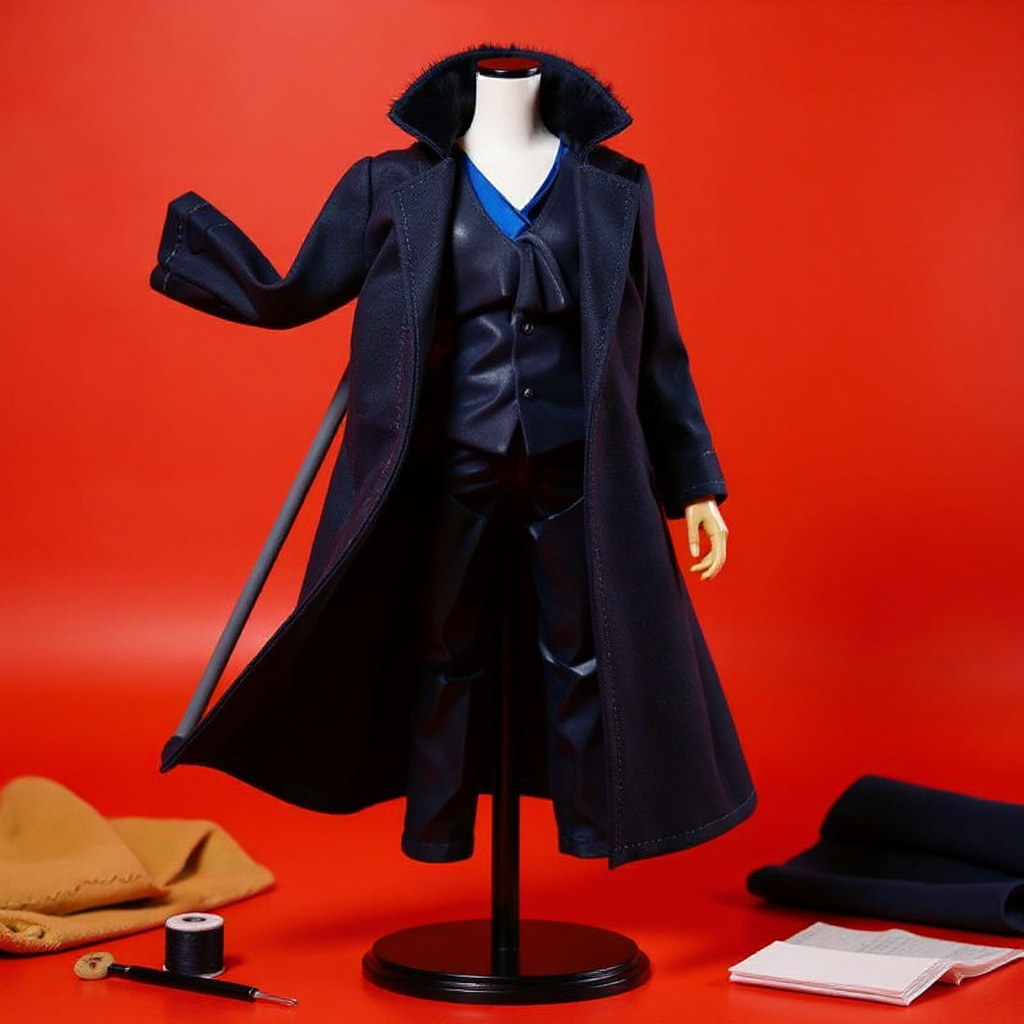
A dark navy-black long coat with a flared hem needs internal structure to hold that flare. Without wire, gravity wins. Every time.
Why Wire Structure Changes Everything
Factory-made soft goods cloaks hang like wet towels. They drape straight down no matter how dramatically you pose the figure, because there's nothing inside the fabric fighting gravity. Wire changes that completely — but only if you pick the right gauge.
Properly wired fabric lets you shape windswept effects into the hem and collar. The fur-like trim holds a curve. The lapels stay open instead of falling flat against the chest. This isn't cosmetic. It's the difference between a static shelf piece and something that looks mid-stride.
Most collectors underestimate how much 24-gauge wire weighs on 1/12 fabric. Too heavy, and the coat pulls a lightweight figure backward off its stand. Too light, and it won't hold a bent hem for more than a day. The sweet spot sits at 26-28 gauge, sewn into the hem and collar edges rather than glued.
| Wire Gauge | Hold Strength (tested on 3oz cotton-poly) | Weight Impact | Best For |
|---|---|---|---|
| 22-gauge | Holds a sharp bend indefinitely | Too heavy — tips light figures | 1/6 scale only |
| 24-gauge | Holds most poses | Heavy for thin fabric | Thick wool-blend coats |
| 26-gauge | Holds a moderate curve for weeks | Moderate | Most 1/12 applications |
| 28-gauge | Holds a soft curve for a few days | Light | Thin cotton-poly blends |
| 30-gauge | Springs back within hours | Very light | Detail stitching only |
Those hold-strength figures come from my own repositioning tests, not a manufacturer spec sheet, so treat them as a starting point rather than gospel. Your mileage will vary with humidity and fabric weight.
Fabric Choice Makes or Breaks a Soft Goods Cloak
Cotton blends work best for 1/12 scale. Pure cotton wrinkles fast. Polyester looks plastic under camera lights. The 65/35 cotton-poly blend hits the balance most collectors want — enough structure to hold a wired hem, enough softness to photograph like real fabric.
Texture matters more than color accuracy. A slightly off-shade coat with good drape beats a perfect-color coat that hangs wrong. You can dye or weather fabric after the fact. You can't fix bad drape without cutting a new coat.
| Fabric | Drape Quality | Wire Compatibility | Photographs As | Price/Yard |
|---|---|---|---|---|
| 100% cotton | Good, wrinkles fast | Fair | Slightly stiff | $8-12 |
| 65/35 cotton-poly | Very good | Excellent | Matte, natural | $10-14 |
| Polyester | Poor, plastic sheen | Good | Shiny, toy-like | $6-9 |
| Wool blend | Excellent, heavy | Fair — too thick for fine wire | Bulky at scale | $18-25 |
| Satin/vinyl | Poor | Poor | Screams "costume" | $9-15 |
Avoid anything shiny. Satin, silk, and vinyl scream costume in photos, not coat. Matte finishes photograph better and hold up under review-light setups without blowing out the highlights.
Scaling Problems Most People Miss
1/12 scale creates strange proportional issues. Fabric thickness doesn't shrink with the figure. A wool blend that looks right on a 1/6 figure reads as a winter parka at 1/12.
Seam allowances become a real problem too. A standard quarter-inch seam looks massive on a 6-inch coat. Hand-sewn seams, kept as narrow as the fabric will allow, work better than machine stitching here.
Pattern adjustments aren't shrunk versions of full-size clothing. Armholes need different shapes. Lapel width has to shrink faster than the rest of the coat or it swallows the figure's head. Most people making their own soft goods cloak miss this entirely and wonder why the collar looks wrong.
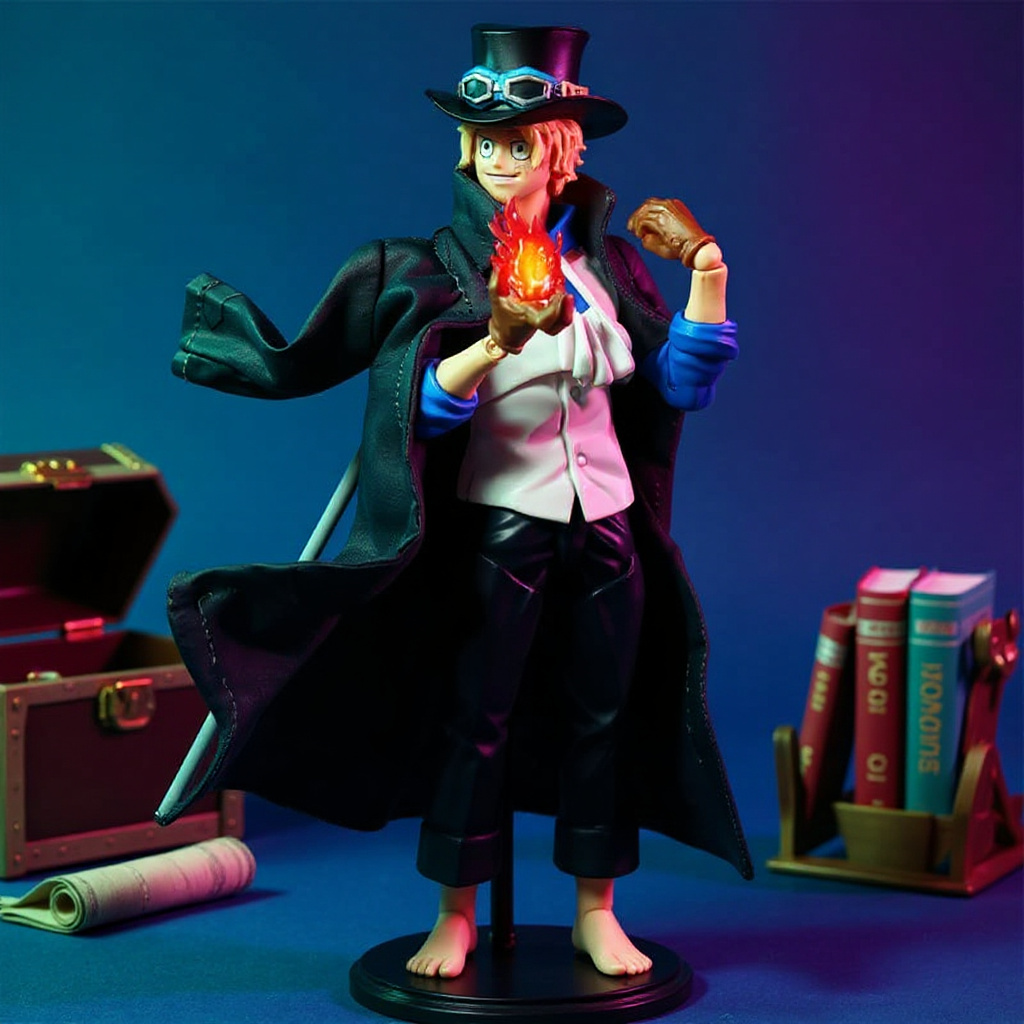
The Sabo Coat for 1/12 Action Figure solves this with a pattern cut specifically for 6-inch proportions rather than a scaled-down adult pattern — the lapel-to-shoulder ratio is the detail most generic patterns get wrong first.
What Separates Handmade from Factory Work
Factory soft goods use the cheapest construction available. Single-fold hems. No interfacing. Seams that fray after three poses.
Handmade pieces cost more but last longer — mine has survived roughly 200 pose changes over eight months without a popped seam. French seams prevent fraying. Interfacing keeps the collar's fur-like trim from collapsing. Hand-set sleeves fit the shoulder joint better than a machine attachment ever does.
Visible differences you'll notice up close:
1. Hand-sewn buttonholes vs. machine cuts 2. Rolled hems vs. single folds 3. Bias-cut fabric vs. straight grain 4. Hand-placed wire vs. machine channels 5. Individual fitting vs. batch sizing 6. Natural drape vs. stiff machine pressing 7. Matching thread vs. whatever's cheapest on the spool
Handmade isn't automatically better, though. Loose threads happen. Uneven stitching shows on close-up photos. Some collectors genuinely prefer the consistent mediocrity of factory work over handmade character, and that's a legitimate choice — not everyone wants visible seams on their shelf pieces.
Honestly, if you live somewhere humid, skip the wire structure altogether. I learned this the hard way in a Gulf Coast apartment: the cotton-poly blend absorbed enough moisture that the wire-shaped flare sagged flat within six weeks, no matter the gauge. Dry climates only, unless you're okay re-shaping the hem every month.
Fitting Issues Nobody Talks About
Most 1/12 figures aren't actually 6 inches tall. Bandai's S.H.Figuarts run smaller. Storm Collectibles figures run larger. A coat sized for "1/12" might not clear a bulkier figure's shoulders at all.
Shoulder width varies wildly between brands. A coat that fits a Marvel Legends body hangs wrong on a Mafex frame. Always check actual shoulder-to-shoulder measurements before ordering — not just the scale printed on the box.
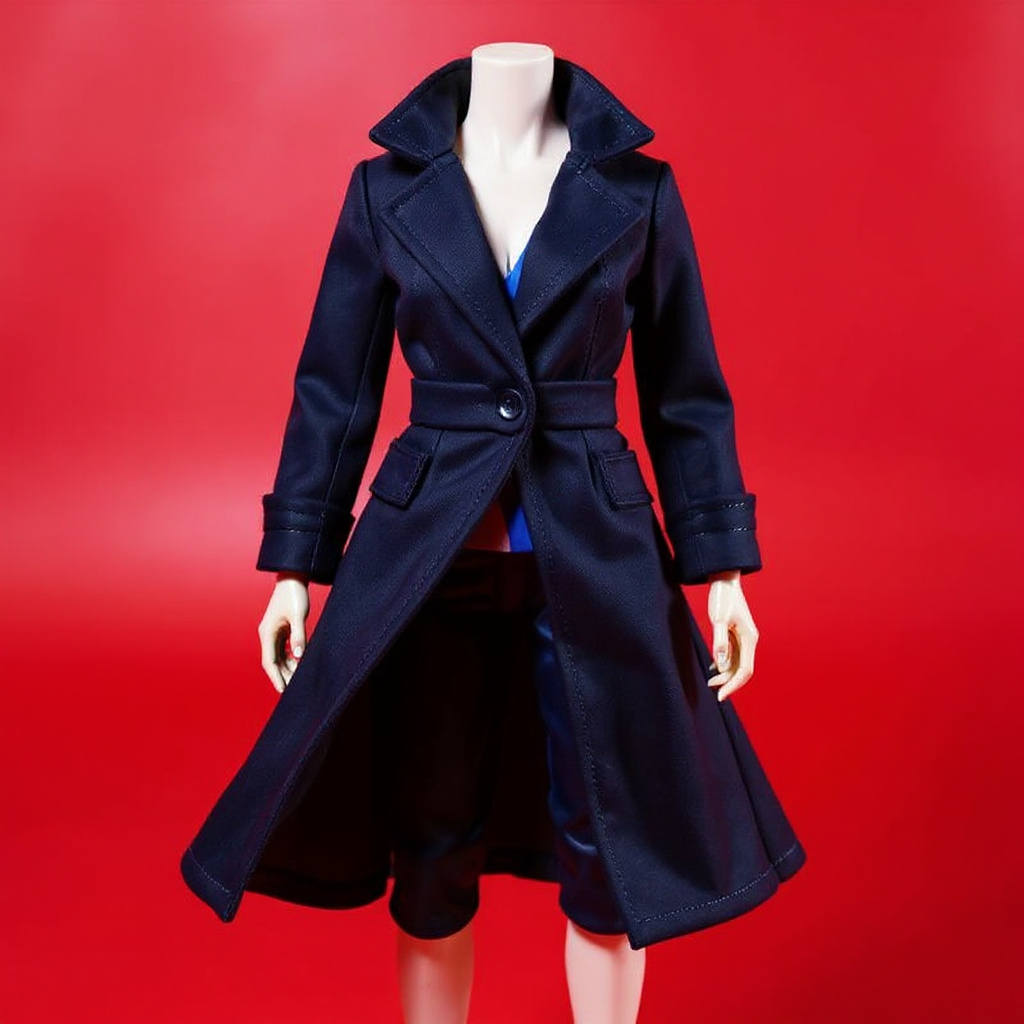
Articulation matters more than static measurements. A figure with butterfly joints needs a wider armhole than one without. Dynamic poses stress fabric differently than a neutral standing pose does, and a coat that looks perfect on a mannequin can bunch badly once a figure raises an arm.
The Sabo character from One Piece) has a distinctive coat silhouette — long, flared, fur-trimmed — that generic "pirate coat" patterns don't capture. If character accuracy matters to you, that detail alone is worth paying for.
Price Breakdown: What You Actually Get
Mass-produced soft goods cloak: $15-25 - Machine stitching throughout - No wire structure - Basic polyester or thin cotton - One-size-fits-most - Frays after moderate handling
Handmade mid-range: $40-60 - Mixed machine/hand construction - Wire in hem and collar only - 65/35 cotton-poly blend - Some custom fitting - Loose threads possible, but durable
Premium custom work: $80-150 - Full hand construction - Wire through hem, collar, and lapel edges - Premium fabric selection - Individual figure fitting - Professional finishing
The Sabo Coat for 1/12 Action Figure sits at $50 — dark navy fabric, visible cloth texture, fur-like trim collar, and wire in the hem and collar. That's the mid-range tier: most of the benefit, some of the handmade imperfection.
Common Mistakes That Ruin Your Display
Overwiring kills natural drape. Wire everywhere makes fabric look mechanical instead of alive. Strategic placement — hem and collar only — works better than total coverage.
Wrong fabric weight creates scaling issues. Heavy fabric overwhelms a small figure. Tissue-thin fabric looks cheap under any light. Medium-weight cotton blends split the difference.
Ignoring your photography setup exposes fabric flaws you didn't know existed. What looks fine under a desk lamp can photograph rough under a ring light. Test your setup before committing to an $80 piece.
Forcing an incompatible pose stresses seams. Not every dramatic lean works with every coat design. Know the fabric's limit before you push a joint past it.
Neglecting storage causes permanent creasing. Fold a soft goods cloak the wrong way and the crease never fully releases. Store it flat, or on a hanger sized for the coat, not the figure.
Is a Handmade Soft Goods Cloak Worth the Money?
Factory alternatives work fine if you're not photographing your figures or don't care about dynamic posing. They're cheap. They're consistent. They're replaceable.
Handmade pieces make sense when character accuracy matters or when you need wire structure for a specific pose. The discussions in Reddit's ActionFigures community show most serious collectors upgrade to custom soft goods eventually — usually after their third factory cape frays.
Your display goals matter more than any arbitrary quality standard. A $15 factory cloak might do everything you need. An $80 handmade coat might be overkill for a figure that never leaves the box.
For One Piece collectors specifically, character accuracy tends to justify the higher cost. Sabo's coat has details — the fur trim, the flared hem — that mass-produced alternatives don't attempt. If you're building a dedicated One Piece display, accurate soft goods stop being optional pretty fast.
The handmade route works best once you accept imperfection as character rather than flaw. Machine-perfect precision costs more and, at this scale, often looks less real anyway.
If factory soft goods have left you with a cloak that hangs limp, or you want Sabo's coat with real wire structure and correct proportions, check out the Sabo Coat for 1/12 Action Figure.

