


Where to Find a Court of the Dead Death Lord Cape Replacement
Short answer: there's no official channel left. Boss Fight Studio stopped making the 1/12 scale Death Lord figure in 2020, and Sideshow's parts department doesn't stock loose soft goods for a line they didn't produce. Your realistic options are third-party makers on Etsy, collector forums, or a handmade cape like the 1/12 Scale Death Lord Replacement Cape. That's the whole landscape. No hidden warehouse of spare parts waiting to be discovered.
I've been buying, breaking, and re-repairing these capes since 2019, back when the Boss Fight Studio line was still sitting on shelves at my local comic shop for $89.99. My first replacement cape lasted 14 months before the wire in the left panel snapped from one too many dramatic re-poses. That's the reality of this hobby — not marketing copy, just wear and tear.
Boss Fight Studio vs. Sideshow: Who Made Your Death Figure
Two companies produced Court of the Dead figures, and knowing which one you own changes everything about parts compatibility. Sideshow Collectibles built the original 1/6 scale premium statues starting in 2012. Boss Fight Studio released a separate 1/12 scale action figure line under license, running from 2018 to 2020, then it just stopped.
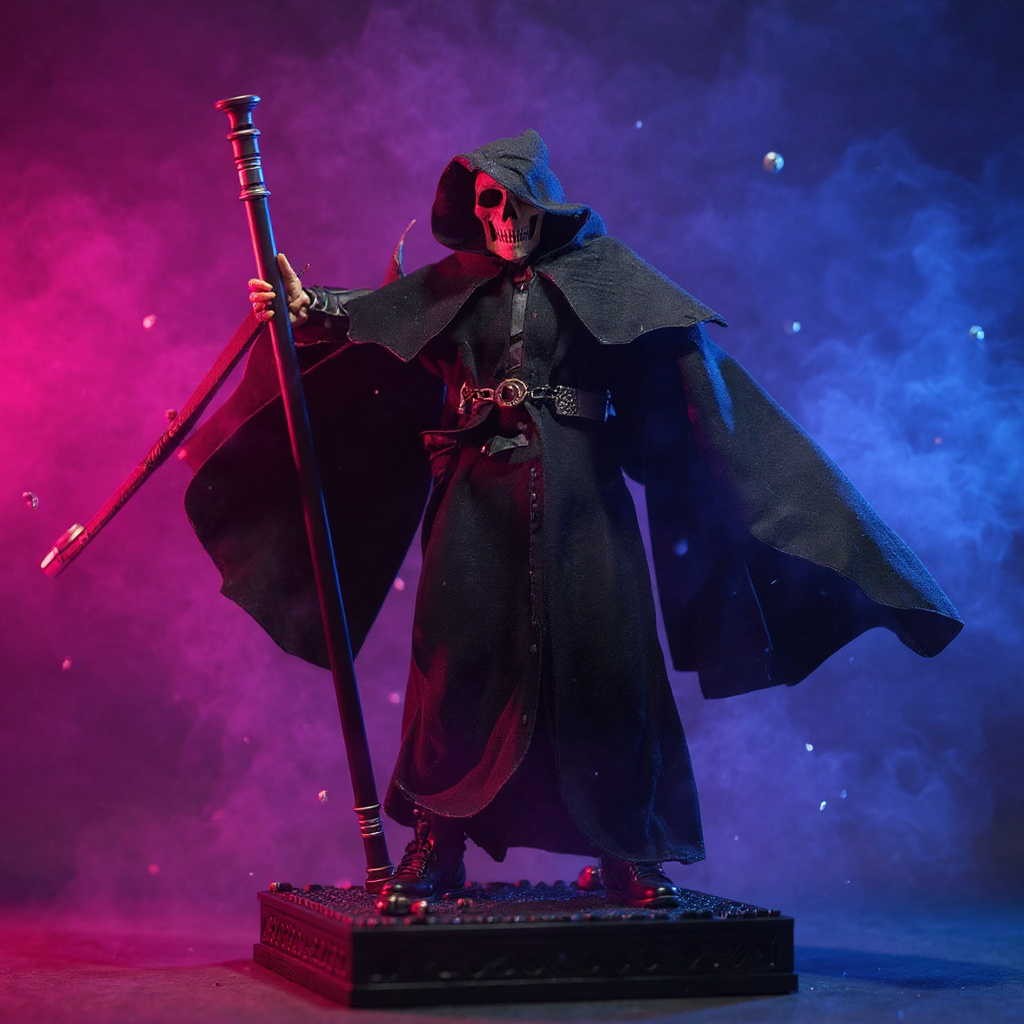
The Boss Fight Studio Death figure stands about 6 inches tall with multiple points of articulation, which is why action figure collectors gravitated toward it over the static Sideshow statues. These figures shipped with removable soft goods capes, separate weapons, and detailed armor pieces. Production ended in 2020. Replacement parts have been getting scarcer every year since.
Sideshow's versions run $300–500 for a complete figure — big, detailed, expensive. Boss Fight Studio's 1/12 scale figures originally sold for $79–99, which put them within reach of younger collectors and anyone who wanted to customize without risking a $400 statue.
Why Death Lord Capes Get Damaged So Easily
Soft goods capes take constant abuse from posing, dust, and time. The internal wire is the whole point — it's also the weak point. Bend it enough times and it fails.
Here's what actually goes wrong, in order of how often I see it:
1. Wire fatigue – the internal wire breaks after repeated bending, and sections of the cape stop holding a pose 2. Fabric fraying – edges develop loose threads, especially on handmade pieces with minimal finishing work 3. Color fading – dark fabric turns gray or develops white streaks after two summers near a window 4. Attachment wear – the shoulder connection points stretch out or tear from repeated removal 5. Dust embedding – textured fabric traps dust in a way that's nearly impossible to clean without damaging the fibers
Most collectors notice problems within 2–3 years of regular display and occasional reposing. Mine failed faster because I kept it near a south-facing window for one summer. Direct sunlight will wreck a cape faster than any amount of handling. Honestly, if your display case sits in direct sun for more than a few hours a day, skip soft goods capes entirely — buy molded plastic instead, save yourself the disappointment.
Soft Goods vs. Molded Plastic: The Trade-offs
| Feature | Soft Goods Cape | Molded Plastic Cape |
|---|---|---|
| Realism | High — natural drape and flow | Medium — often looks stiff in photos |
| Posability | Excellent with internal wire frame | Limited to the pre-molded shape |
| Durability | 2–4 years with regular handling | 10+ years if it isn't stressed |
| Cost to replace | $17–45 depending on maker and detail | $8–25 for 3D-printed versions |
| Customization | Easy to modify, dye, or weather | Requires paint and cutting tools |
| Photography | Dynamic, wind-blown poses | Consistent, but static every time |
| Weight on figure | Light, occasionally shifts balance | Heavier, more stable in display |
Soft goods win if you photograph your figure regularly or swap poses for social media. The wired fabric design lets you build flowing, wind-caught silhouettes that plastic can't fake. Plastic wins if you set up a display once and never touch it again — no fraying, no dust traps, no wire to babysit.
Wire Frame Posing: Getting the Most from Your Cape
The internal wire is what separates a good soft goods cape from a decorative rag. Learning to bend it without breaking it takes a little patience.
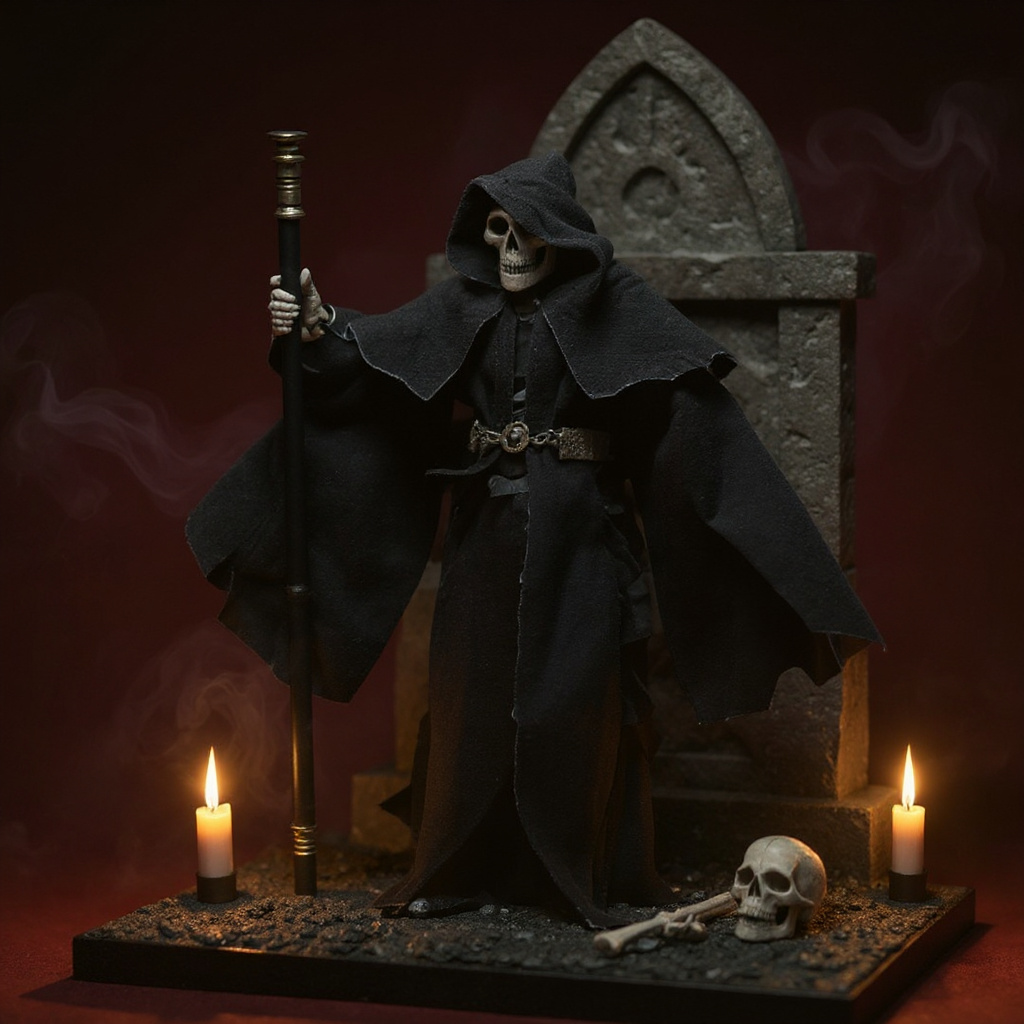
Start with gentle curves, not sharp angles. The wire handles gradual S-curves that mimic natural fabric flow, but a tight 90-degree bend will fatigue the metal fast — sometimes in a single session. Most capes use 24-gauge or 26-gauge wire, which holds a pose while still allowing repeated adjustment. Not indestructible. Just forgiving, up to a point.
For photography, these poses hold up well:
- Wind-blown effect – curve the cape to one side as if it's caught in a gust - Dramatic billow – arc the cape behind the figure to suggest forward motion - Menacing drape – let it hang naturally, then angle the bottom edges outward - Action sweep – twist the cape as if the figure just spun around
Work with the fabric's weight, not against it. Fighting the material's natural fall creates poses that look wrong in every photo, no matter how good your lighting setup is.
Handmade capes, including ones from smaller shops, sometimes place the wire differently than factory versions did. Run your fingers along the edges before attempting a complex pose. Five minutes of feeling around saves you from snapping a wire on the first try.
Finding Replacement Parts for Court of the Dead Figures
Official parts from Sideshow or Boss Fight Studio are close to nonexistent now, especially for the discontinued 1/12 scale line. Sideshow's customer service occasionally has spares for recent statue releases, but nothing for a five-year-old action figure line.
Third-party sellers have filled the gap, though quality swings wildly from listing to listing. Custom soft goods makers on Etsy and in figure-collecting forums produce replacement capes, weapons, and armor. Prices run from about $15 for a basic cape to $50+ for hand-stitched premium versions with weathering already applied.
Collectors on Reddit's action figure communities trade leads on new suppliers constantly, and the one-sixth scale community covers 1/12 scale gear too, despite what the name suggests. General background on the line itself — who owns the IP, when it launched — is documented on Sideshow Collectibles' history page if you want the corporate side of the story.
For urgent repairs, fabric glue or an iron-on patch buys you time on small tears. It won't match the original weave. But it can stretch a cape's usable life by 6–12 months while you wait for a proper replacement.
Handmade Quality: What to Expect vs. Factory Standards
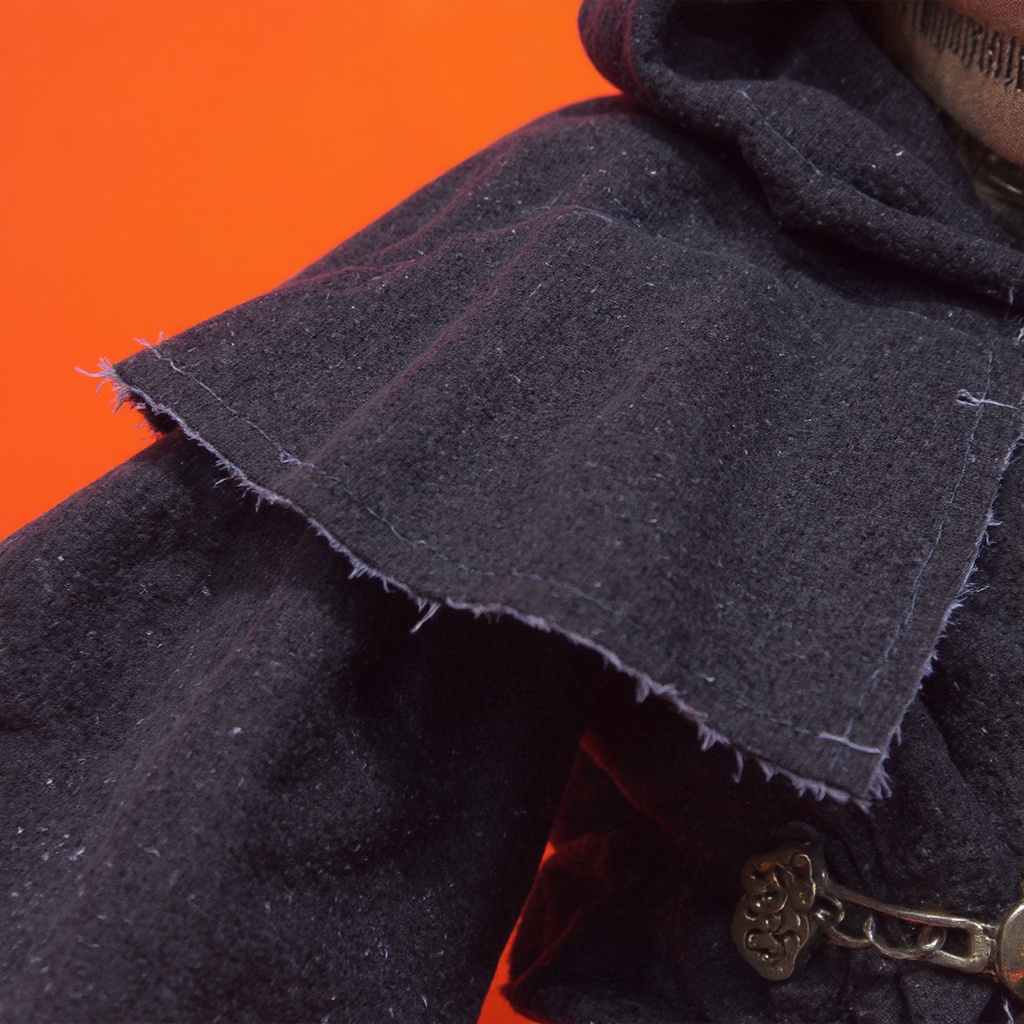
Small-scale makers can't match factory precision, and pretending otherwise sets you up for disappointment. Handmade pieces typically show visible stitching, slightly uneven hems, and small variations in fabric texture from one cape to the next.
These aren't defects. They're what hand-sewn goods look like. The replacement cape mentioned earlier ships with disclosed minor imperfections baked into its $17.50 price — that's 30–50% below most premium alternatives on the market right now.
Factory capes from the original manufacturers use machine stitching and computer-cut patterns that eliminate most visible flaws. They also cost more, when you can find them at all, and original manufacturers rarely sell soft goods as standalone parts.
If you photograph figures in tight close-up, factory precision might justify the premium. For general shelf display, handmade quality gives you character mass production can't replicate — and it costs less.
Displaying Your Death Lord: Lighting and Backdrop Tips
Good lighting makes a $17 cape look like a $50 one. Dark gothic figures like the Death Lord need light that carves out texture instead of flattening it.
Position your main light at roughly a 45-degree angle above and to the side of the figure. This creates shadow in the cape folds and keeps glare off the armor. LED strips with adjustable color temperature work well here — aim for 3000K to 4000K if you want warm, atmospheric tones instead of clinical white light.
Backdrop choice changes the whole mood. Solid black makes the figure pop but can read harsh in photos. Textured surfaces — weathered stone, aged wood, fabric with subtle patterning — add depth without competing with the figure itself.
For social posts, use the rule of thirds. Place the figure off-center, let the cape's flow lead the eye toward the face or weapon. Centered, symmetrical shots photograph flat by comparison.
What I'd Actually Spend Money On
After five years buying parts for this line, I'd put cape replacement above almost everything else when budget is tight. A flowing, poseable cape changes the entire presence of the figure. Chipped paint on the armor? Barely visible from normal shelf distance. A stiff, torn, or missing cape? Impossible to ignore.
My second cape — the one currently on my shelf — has lasted three years so far, kept out of direct light and repositioned maybe once a month. That's the honest lifespan you should expect, not some inflated marketing number.
For collectors who repose often or shoot photos for social media, the $17.50 investment pays for itself within a few sessions. If you display once and forget about it, save your money and go with molded plastic instead — you genuinely won't notice the difference from three feet away.
If your Death Lord's cape is torn, missing, or just tired-looking, a handmade replacement is the practical middle ground between cost and quality. It won't have factory-perfect stitching. It will restore the dramatic silhouette that made you want this figure in the first place. Browse the replacement cape options if the handmade route fits your budget and display style.

