


> TL;DR: Quick Specs > - Fabric: dark cotton voile or rayon challis, 80-120 GSM > - Edge wire: 26-gauge coated floral wire in a stitched hem channel > - Seam allowance: 3 mm (about 1/8 inch), not 1/4 inch > - Closure: small hook-and-loop strip or a 4-5 mm sew-on snap at the back > - Palette: dark blue and black, Broly-inspired (not screen-accurate) > - Time and cost: 3-5 hours for the first piece, $35-55 all-in if you own no tools
DIY cloth clothing for DBZ figures comes down to four things: thin dark fabric, a wire-lined hem, patterns scaled to 1/12, and a closure that never blocks articulation. Get those right and a flat sheet of navy-black cotton becomes a flowing skirt or cape on a muscular action figure. Get them wrong and you end up with a stiff little tablecloth. We have made both.
Plastic capes hang straight. Cloth moves. That difference shows up the second you put a figure under a softbox.
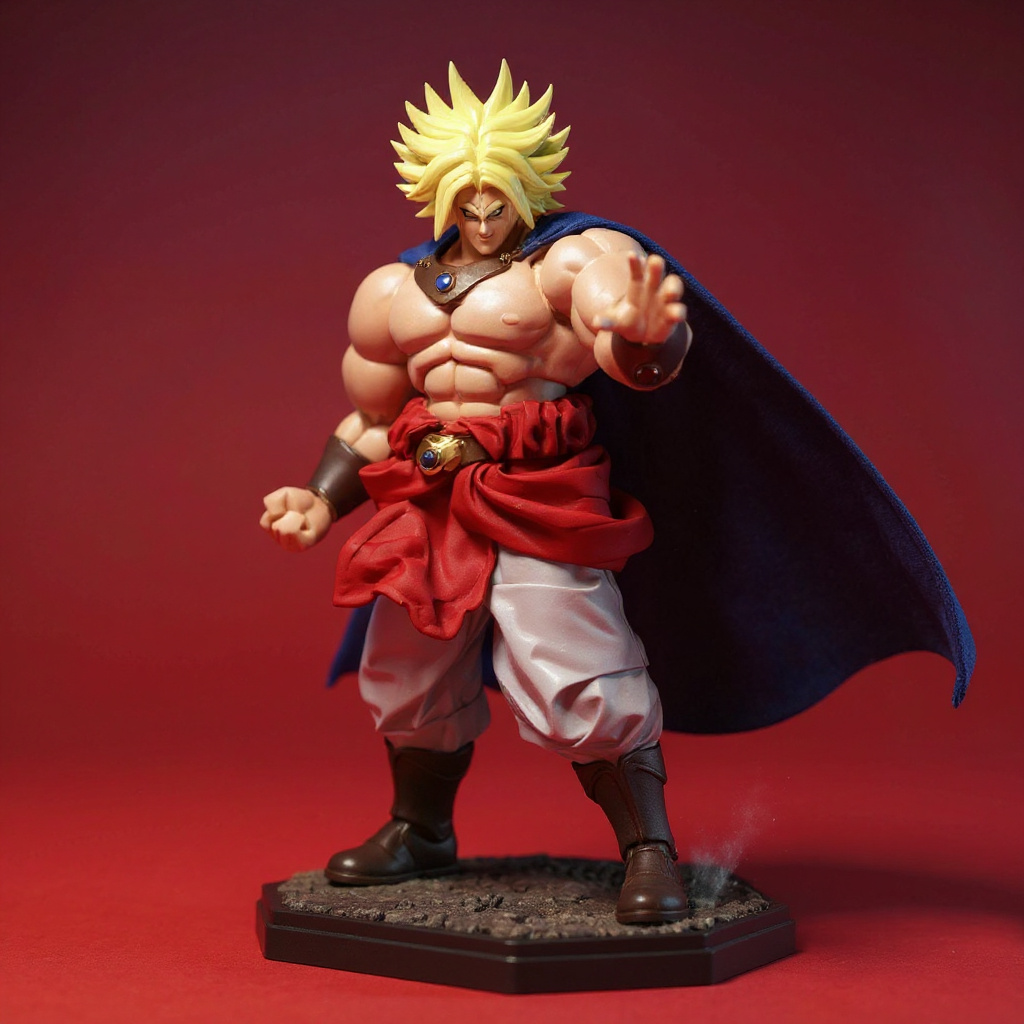
This guide covers the dark skirt-and-cape style that suits Broly-inspired builds: a heavy-looking, wire-edged piece draped over a bulky 1/12 body. The same method works for gi tops, sashes, and wraps on other characters.
What DIY Cloth Clothing for DBZ Figures Actually Involves
The skirt-cape in this guide is a single dark fabric piece that wraps the hips and drapes down, with a wire running through the hem so you can freeze it mid-flutter. Broly's design in Dragon Ball leans on heavy, primitive garments and a brutal silhouette, which is why a dark, weighty-looking drape works so well. Our palette (dark blue and black) is Broly-inspired. It is a look, not a licensed color match.
Our testing notes: we cut skirt and cape pieces from six dark fabrics and fitted each on a muscular 1/12 body. Voile and rayon challis held folds best. Poplin worked for waistbands only.
Step-by-Step: How to Make a Wire-Edged Skirt or Cape
1. Measure the figure, not a human. Wrap a flexible tape or a paper strip around the waist and hips in millimeters, then measure the drop from waist to where you want the hem to land. 2. Draft the pattern. For a skirt, draw a half-circle or three-quarter circle with the waist arc matching your waist measurement plus 3 mm of ease. For a cape, draw a gentle trapezoid. 3. Cut a muslin test. Use cheap cotton. Pin it on the figure, check the drape, and mark changes. 4. Cut the dark fabric. Mark with a white chalk pencil and leave a 3 mm seam allowance. Seal black polyester edges with a quick pass of fray-check liquid. 5. Stitch the wire channel. Fold the hem edge about 5 mm over 26-gauge coated floral wire. Stitch close, but leave about 1 mm of slack so the wire slides. 6. Finish the wire ends. Bend each end into a tiny loop so it can't poke through the fabric. Tuck the loops into the side seams. 7. Add the waistband and closure. Sew a narrow poplin band, then attach a hook-and-loop strip or snap at the back. 8. Dress and pose. Slide the piece on, shape the wire in wide curves, and steam gently with a handheld steamer to relax stubborn creases.
Pick Your Base Fabric (Weight Matters More Than Type)
Stay between 80 and 120 GSM (grams per square meter). Heavier fabric builds bulky hips and fights the figure's joints. Thick denim and canvas won't drape at this scale. Period.
| Fabric Type | Best For | GSM Range | Cost Per Yard | Drape at 1/12 |
|---|---|---|---|---|
| Cotton voile (black/navy) | Flowing skirts and capes | 80-100 | $8-12 | Excellent |
| Polyester chiffon | Light under-layers | 70-90 | $6-10 | Excellent, but frays fast |
| Rayon challis | Heavier-looking drape | 90-120 | $8-14 | Very good |
| Cotton poplin | Waistbands, structured pieces | 100-120 | $10-15 | Moderate |
| Silk dupioni | Premium sheen | 110-130 | $25-40 | Stiff, crisp folds |
Test drape before cutting. Hold a small scrap over your finger. It should fold, not stick out like cardboard.
Dark fabric has its own traps. Black shows lint, hides stitch errors until you photograph it, and looks lighter once it drapes under bright lights. Buy a shade darker than you think you need, then check it under your display lights.
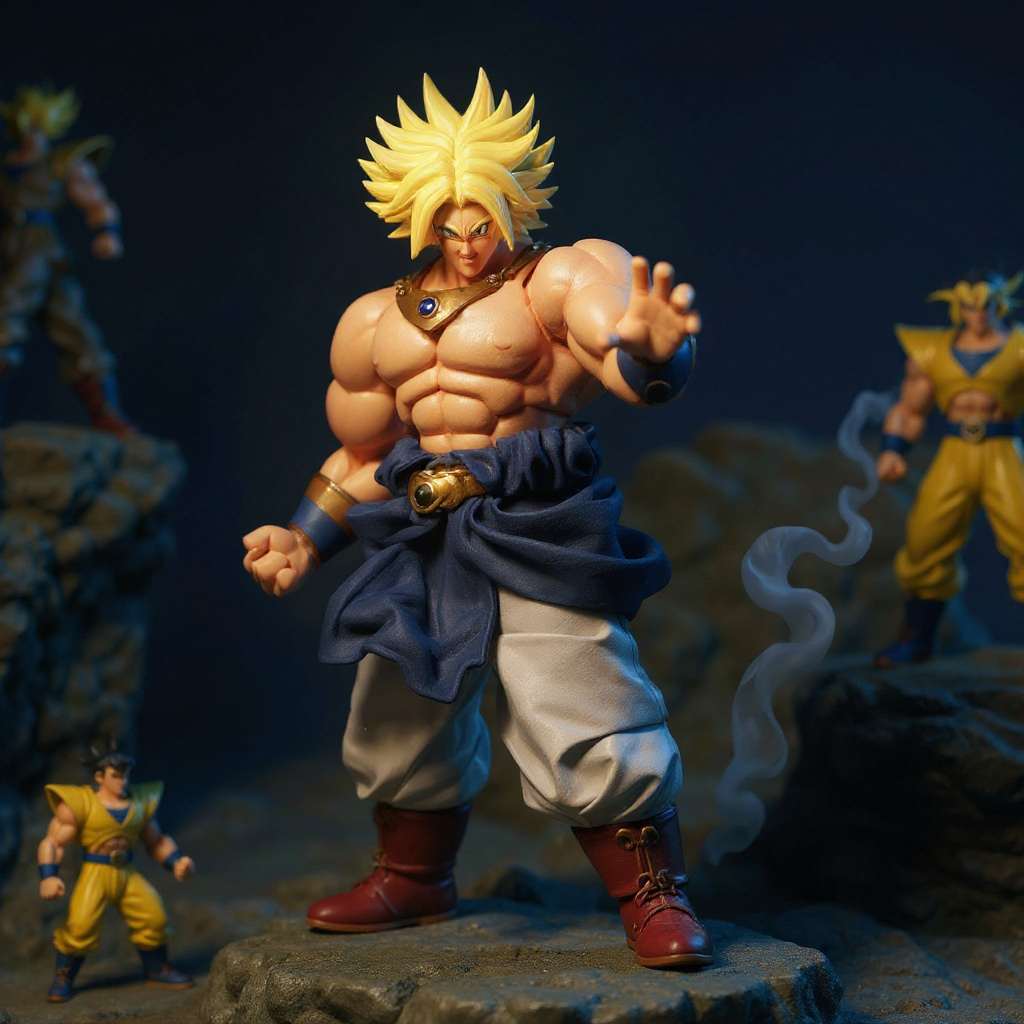
Scale Down Patterns (The Math You Can't Skip)
Human patterns won't fit. Divide every measurement by 12:
1. A 6-foot person (72 inches) becomes a 6-inch figure. That is the 1:12 ratio. 2. A 36-inch chest becomes 3 inches (76 mm). 3. A 32-inch waist becomes 2.67 inches (68 mm). 4. A 30-inch inseam becomes 2.5 inches (64 mm). 5. Add 2-3 mm of ease to wraps and skirts. This is a rule of thumb from our test fits, not an industry standard. Muscular figure bodies measure wider through the hips and thighs than a scaled human, so a tight scaled pattern pulls.
Measure your actual figure first. Bandai, Mezco, and Storm Collectibles bodies all differ in shoulder width, waist, and hip size.
Wire Your Edges for Dynamic Poses
This step separates a costume from a display piece. A wire in the hem lets you hold fabric mid-billow.
We use 26-gauge coated floral wire. We started with 28-gauge, and it sagged after a few pose changes on a heavier voile. Coated wire matters too, because bare steel can rust. Honestly, if you live in a humid climate and plan to display the figure in an open shelf for years, think twice about wire at all. Or skip this entirely and use a stiffer fabric. Rusted wire stains dark fabric in ways that don't wash out.
Run one continuous wire along a cape edge. No joins, no weak spots. Don't wire the neckline or waist, since those edges need to stay soft for dressing. Wire only what you plan to pose.
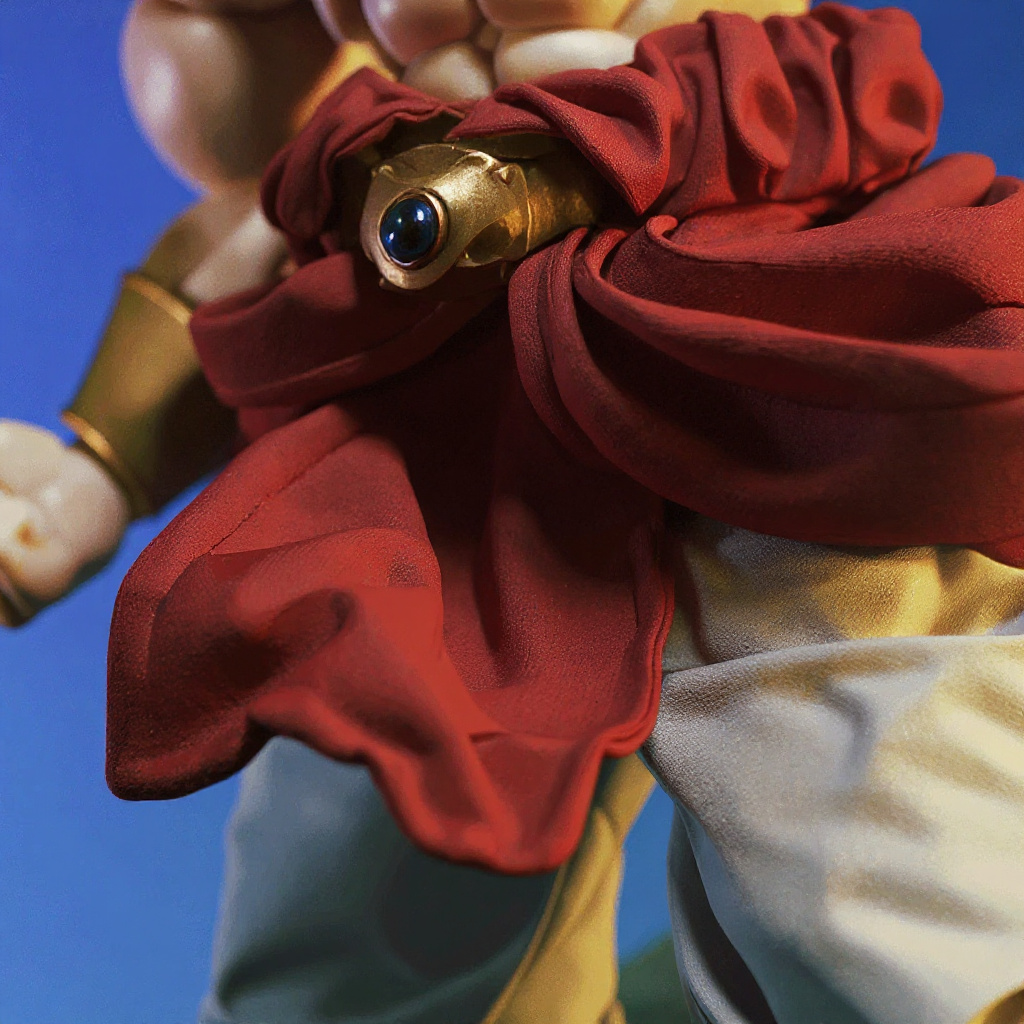
Attachment Methods That Work at 1/12
1. Hook-and-loop strips: sew the hook side to the fabric and the loop side to a thin elastic band on the figure. Easy, but visible in close-up shots. 2. Small sew-on snaps (4-5 mm): clean look, though fiddly to sew. 3. Elastic loops: stretch over the figure's hips, hidden under the waistband. 4. Tiny neodymium magnets: sewn between fabric layers. The cleanest result, with the highest cost and the risk of attracting metal figure parts. 5. Thread loops and hooks: good for lightweight capes. 6. Bent-wire clips: attach to figure joints, but they can scratch paint, so cover tips with heat-shrink tubing.
For skirts, an elastic waistband beats buttons and zippers at this size. It stretches over the hips and springs back.
Sewing Techniques at Miniature Scale
Machine stitches run too large. Hand-sew with a size 9 to 11 needle and fine polyester thread, which holds up better than cotton thread when you pull tiny seams tight. Use backstitch for strength and running stitch for gathers.
Press seams open with a mini iron or a wooden bone folder. Crisp seams separate homemade from polished. French seams hide raw edges, but they add bulk, so save them for loose pieces.
Seam allowance deserves a note. A full 1/4 inch (6 mm) eats half your pattern at this scale. Use 3 mm.
What Doesn't Work (Save Yourself Time)
1. Fabric paint for details. It cracks when the fabric moves. Use appliqué or embroidery. 2. Hot glue. It softens under display lights and leaves residue on the figure. 3. Heavy interfacing. It builds shoulder pads instead of drape. 4. Buttonholes. Almost impossible to sew cleanly this small. Choose snaps or hook-and-loop. 5. Gathered sleeves. They bulk up and limit arm movement. Fit them close instead.
The r/ActionFigures community posts photos of soft goods that worked and ones that didn't. Browse a few threads before attempting something complicated.
Color Matching a Broly-Inspired Palette
Pick your palette before you buy fabric. For this build we use matte black for the main drape and a deep midnight blue for the underside or lining, so the blue flashes when the wire-shaped edge flips. Fabric stores rarely stock anime-exact colors, so treat the palette as an interpretation.
If you move on to other characters, go to official art, not memory. Piccolo, for example, wears a white cape and turban over a purple gi, so his fabric list looks nothing like a Broly build. Check each reference before you shop.
Fitting Different Figure Bodies
Make a muslin version first. Test, mark, adjust, then transfer to the good fabric.
Watch for removable chest pieces and alternate hands, because they change how a cape sits. And the neck peg? It causes the most fit trouble of all. A thick neck joint stops a collar from lying flat, so cut a small vertical slit in the back and hide it under the cape.
Photography Tips for Dark Cloth Accessories
Black fabric swallows detail. Place a soft key light at about 45 degrees and add a rim light behind the figure so the wire-shaped edge catches a thin highlight. Shadows inside the folds are what give the cloth depth.
Support flowing sections with clear acrylic rods, which vanish in photos. A small desk fan adds natural movement. Fire the shutter when the hem peaks.
DIY vs. Buying: An Honest Cost Comparison
| Option | Upfront Cost | Time | Notes |
|---|---|---|---|
| Fabric, wire, thread, snaps | $15-25 | n/a | Enough for several pieces |
| Tools if you own none (needles, mini iron, fray-check) | $20-30 | n/a | One-time purchase |
| First DIY piece, all-in | $35-55 | 3-5 hours | Includes trial and error |
| Each extra DIY piece | $3-6 in materials | 2-3 hours | Skills compound |
| Ready-made 1/12 Scale Broly Soft Goods Skirt | $44 | 0 hours | Wire-edged, dark fabric |
Here is the contrarian truth most guides skip: if you only plan to dress one figure, buying is cheaper once you count your time. DIY pays off at the third or fourth piece, or when you want a color or cut nobody sells.
The real advantage of DIY cloth clothing for DBZ figures is control. You pick the weight, the blue-black balance, and the wire shape. If you want to see a finished reference first, our wire-edged Broly skirt shows the look we are chasing. You can also browse more figure accessories or head to The Figure Vault for other 1/12 scale pieces.
No more flat, plastic drapes. That's the goal.
Frequently Asked Questions
How do you make DIY cloth clothing for DBZ figures?
Measure your figure in millimeters, draft a pattern from those numbers (or divide human measurements by 12), and cut thin 80-120 GSM fabric with a 3 mm seam allowance. Hand-sew with a size 9-11 needle, add a wire-lined hem for posing, and close the piece with hook-and-loop or a small snap at the back.
What is the best fabric for 1/12 scale figure clothing?
Cotton voile at 80-100 GSM works best for flowing skirts and capes, and rayon challis at 90-120 GSM gives a heavier look. Cotton poplin at 100-120 GSM suits waistbands and structured parts. Avoid denim, canvas, and anything thick enough to bulk up the hips or limit articulation at this scale.
How do you make soft goods clothes for action figures?
Make a muslin test first, then cut your final fabric. Sew a hem channel, thread 26-gauge coated floral wire through it, and loop the wire ends so they can't poke out. Finish with an elastic or hook-and-loop closure. Posing the wire afterward gives the fabric its frozen, mid-motion shape.
How do you modify the neck peg so custom clothes fit?
Don't modify the peg. Cutting or sanding it can ruin the figure's neck articulation. Instead, cut a small vertical slit in the back neckline of the garment and hide the opening under a collar or cape. The clothing then lies flat while the figure keeps its full range of head movement.
Do wire-edged fabrics break over time?
The wire work-hardens when bent sharply in the same spot, and it can eventually snap. Bend it in wide curves, avoid creasing it repeatedly, and use coated wire so moisture doesn't cause rust. Replace the wire if it kinks. The fabric itself is rarely the weak point.
What seam allowance should I use at 1/12 scale?
Use about 3 mm (1/8 inch). A standard 1/4 inch (6 mm) allowance removes too much usable fabric and adds bulk at the seams. Press the seams open and trim any extra, especially on black fabric where lumpy seams show up under studio lighting.
Can I use this method for newer characters like Daima Goku?
Yes, the technique (measure, scale, sew, wire, attach) works for any 1/12 figure. We don't list pattern dimensions for specific newer outfits, since proportions vary by manufacturer. Check the official reference art for the outfit you want, then measure your own figure and test with muslin first.
Is DIY cheaper than buying a ready-made skirt?
Not for the first piece. Materials run $15-25 and tools add $20-30 if you own none, so one piece costs about $35-55. A ready-made skirt is $44. DIY gets cheaper from the third piece on, since extra pieces cost only a few dollars in leftover fabric and wire.

