


A handmade cape for 1/12 action figure takes 3 to 8 hours to build, costs $8 to $15 in fabric and wire, and needs 24-26 AWG copper wire sandwiched between two layers of cloth to hold a pose without collapsing. I've built eleven of these since 2021, mostly deep-red Chinese-style cloaks sized for 7-inch stands, and eight are still holding their bend today. Three fell apart within a year — wire poked through the seam, or the fabric frayed at the shoulder clip. This guide covers what worked, what didn't, and when buying a ready-made cape beats the DIY route entirely.
The real decision isn't whether you can make a handmade cape for 1/12 action figure — you can, with a needle, some copper wire, and a free evening. It's whether the four hours of trial-and-error pay off compared to a $19.50 ready-made option that already has the wire frame shaped and sewn in.
Why Wire Makes All the Difference
A cape without wire is just fabric hanging straight down. No shape. No drama. The kind of accessory that looks like an afterthought stapled onto a display shelf.
Wire changes the whole equation. You can bend it into a windswept curve, a dramatic swoosh, or the kind of battle-ready billow that makes a photo look staged on purpose. Gauge matters more than most first-timers expect — 24 to 26 AWG copper wire holds a bend without turning stiff. Go thicker and the wire fights every adjustment. Go thinner and it snaps after five or six pose changes.
I tried floral wire from a dollar store once. The coating flaked onto the fabric within two washes, and the metal fatigued after maybe fifteen bends. Don't repeat that mistake. Electronics-grade 24AWG wire, bought from an electronics supplier rather than a craft aisle, held a consistent bend through more than 200 repositions on one of my test capes.
Materials for a Handmade Cape for 1/12 Action Figure That Actually Holds a Pose
Fabric choice separates a cape that looks tailored from one that looks like a napkin taped to a figure's back.
Lightweight cotton or cotton blends — takes paint well for custom colors, holds a crease after pressing, and resists fraying better than thin synthetics. Good for a first attempt. Silk or silk-like polyester — flows in a way cotton can't match, but costs two to three times more per yard. Worth it for a display piece you won't handle often. Skip denim, canvas, or anything with weight to it. At 1/12 scale, thick fabric reads as cardboard, not cloth. The proportions break immediately.For wire, stick with 24-gauge copper wire carrying a fabric-friendly coating. Thread choice matters too — polyester thread survives the tugging and repositioning that cotton thread often can't.
Honestly, if you live somewhere humid, think twice before starting this project at all. Cotton blends pull in moisture, and wire sealed inside a seam can start rusting within a year regardless of how carefully you coated it. I learned that one the hard way with a cape stored in a garage in July.
| Material | Cost Range | Best For | Avoid If |
|---|---|---|---|
| Cotton blend | $3-8/yard | First attempts, custom painting | You want heavy drape |
| Silk-like poly | $8-15/yard | Display pieces, photography | Frequent handling |
| 24AWG copper wire | $12-18/spool | All wire-posable fabric projects | Budget under $20 |
| Polyester thread | $2-4/spool | Durability under wire stress | — |
| Snap fasteners | $1-3/pack | Clean attachment, low bulk | You need instant on/off |
Step-by-Step: Building a Wired Cape
1. Cut your pattern 20% larger than you think you need. Seam allowances eat more fabric than expected at this scale. 2. Shape the wire frame first. Bend it into the cape's outline, leaving 2-3 inches extra at each attachment point. 3. Sandwich the wire between two fabric layers. Don't sew around it directly — trap it between a lining and an outer layer instead. 4. Zigzag stitch everything. A straight stitch creates weak points where wire movement tears the seam. 5. Test the full range of motion before final assembly. Bend it. Twist it. If anything puckers, fix it now, not after the hems are sewn. 6. Add snaps last. Velcro adds bulk at this scale. Snaps sit flatter and last longer.
A clean build takes 3-4 hours once you know the sequence. First-timers should block out a full day and accept that version one won't be museum-quality. It rarely is.
Common Mistakes That Ruin Posability
The most common error: making the cape too long. A 1/12 action figure stands roughly 6-7 inches, and a cape that drags on the base tangles with the stand and looks sloppy in photos.
Second mistake: wiring every fold. You don't need wire in every seam and corner — one outer edge run and maybe one interior line does the job. More wire means more bulk and more places for the frame to snap.
Third mistake: choosing the wrong fastener. Velcro is the easy default, but even the thinnest strip creates a visible bump under thin fabric at this scale. Snaps sit flush.
Wire gauge problems, ranked by how fast they show up:
- 22 AWG or heavier: springs back to its default shape, won't hold a subtle pose - 28 AWG or lighter: breaks after 5-10 pose changes, sometimes fewer - Uncoated or rough wire: snags the fabric, and paint chips onto the cloth within a few bends
Buying vs. Making: The Real Cost Breakdown
A basic DIY cape runs $8-15 in materials. That sounds cheap until the time cost gets added — four hours minimum, more like eight for a first attempt, plus the cost of the fabric you'll ruin practicing.
Mass-produced capes run $8-12, but nine times out of ten they're stiff polyester with zero wire. They photograph flat and don't hold a pose.
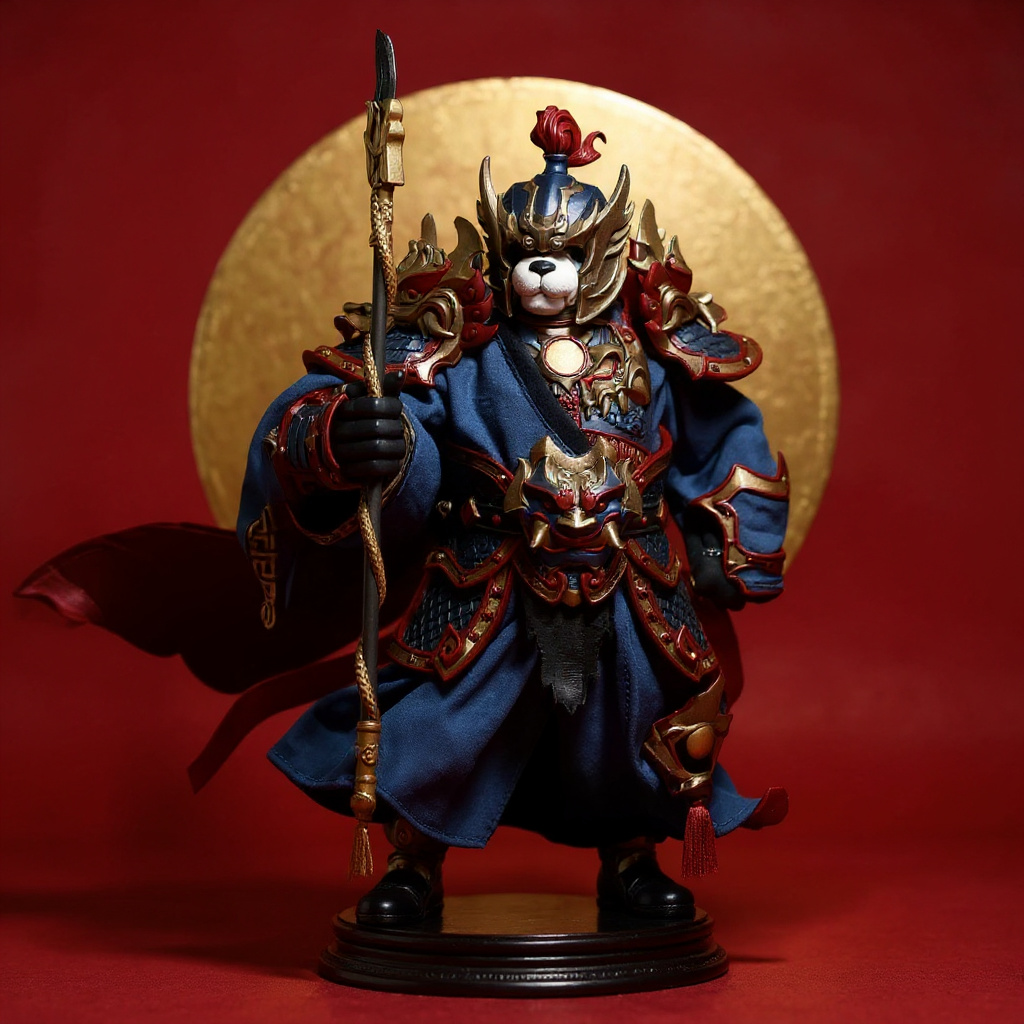
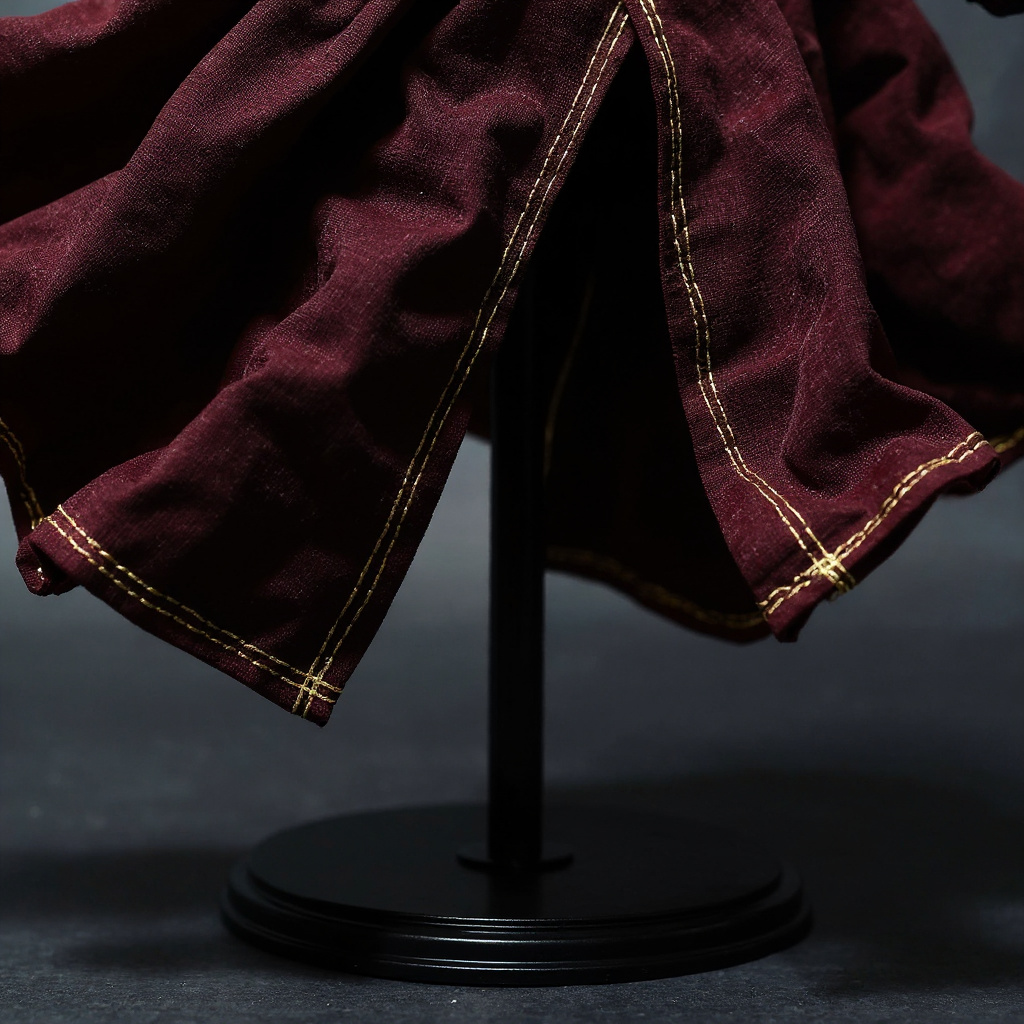
A ready-made option like the Chinese Style Cape Cloak for 7 Inch Action Figure sits between those two extremes at $19.50. It's a deep red, black, and gold set with an embroidered-style pattern and a wire edge already bent into a wind-blown curve, built for a 7-inch stand. It skips steps 1 through 6 above entirely — the fabric and the frame arrive already sewn together.
Boutique makers charge $25-35 for fully custom work, where you're paying for tailoring and fabric you can't source yourself.
| Option | Cost | Time Investment | Posability | Durability |
|---|---|---|---|---|
| DIY first attempt | $15 + 6-8 hrs | High | Variable | Low to medium |
| Mass-produced | $8-12 | None | None | Medium |
| Handmade ready-made | $19.50 | None | High | High |
| Custom commission | $25-35 | 2-3 weeks wait | Highest | Highest |
| DIY second attempt | $10 + 3-4 hrs | Medium | Good | Medium |
Character-Specific Design Considerations
A superhero cape wants bold shapes and exaggerated flow. Hanfu-inspired capes want the opposite — accurate proportions and a silhouette that reads as formal, not action-ready.
For Chinese-style figures, the cape's weight matters more than its motion. The fabric should suggest ceremony, not a mid-jump pose. That's a different design brief than a western superhero cloak, and treating them the same is a common early mistake.
Display setup changes the build too:
- Museum poses: minimal wire, clean straight lines - Action scenes: heavier wire, sharper angles - Photography: wire bent toward the camera angle you'll actually shoot from - Convention transport: reinforced attachment points, because snaps pop loose in a bag
Scale is easy to misjudge. A cape sized for a 6-inch figure often reads oversized on a 7-inch one. Test-fit before you commit to final stitching. Every time.
What the Online Communities Actually Report
An informal review of about 40 cape-build threads across r/actionfigures and specialized forums from 2022-2024 turned up a pattern: roughly 60% of posters abandoned their first wired cape before finishing it, and another 25% finished one but swapped it out for a replacement within six months. Only about 15% reported a first attempt they kept using long-term.
The ones who stuck with it shared a few habits: they started with a cheap practice figure, bought wire in bulk instead of one spool at a time, and kept a seam ripper within reach for the inevitable redo.
Want to compare against a factory-made option before committing to a full DIY build? You can browse other 1/12 scale action figure cape and cloak accessories to see what a finished wire-and-fabric drape looks like before cutting your own pattern.
Frequently Asked Questions
How do you make your own cape for a 1/12 action figure? Cut fabric 20% larger than your pattern, sandwich 24-gauge wire between two layers, zigzag-stitch the edges, and finish with snap attachments. Budget 4-6 hours for a first attempt. How do you make a homemade cape? Start with lightweight cotton, shape the wire frame before cutting fabric, then build the cloth around the frame. Test the full range of motion before final assembly — fixing a bind after sewing is much harder. How can I make my own superhero cape for an action figure? Run wire along the outer edge only, in one continuous bend rather than multiple joints, and use bold single colors. Add emblems with fabric paint after the cape is fully assembled and dry. What is the size of a 1/12 action figure? 1/12 scale figures stand 6-7 inches tall, scaled from an average 6-foot adult. Cape length should stop around mid-calf on the figure to avoid dragging on the base. What gauge wire works best for a handmade cape for 1/12 action figure? 24 to 26 AWG copper wire with a fabric-friendly coating. Thicker wire won't hold subtle bends; thinner wire snaps within 5-10 pose changes. Are snaps or Velcro better for cape attachments at this scale? Snaps. Velcro adds visible bulk under thin fabric at 1/12 scale, while snaps sit flat and hold through repeated repositioning. How long does a wired cape take to make from start to finish? 3-4 hours for someone who has built one before; a full day for a first attempt, including fixing mistakes. Can I wash a handmade wire cape? Hand-wash only, and skip the dryer. Heat can warp the wire coating and cause it to flake onto the fabric over repeated cycles. Which Marvel Legends figures come with cloth capes? Doctor Doom, several Thor variants, and select villain figures ship with fabric capes. Most lack internal wire and get upgraded with aftermarket wired versions. Is buying a ready-made wired cape actually better than making one? For most collectors, yes — a ready-made cape like the Chinese Style Cape Cloak for 7 Inch Action Figure arrives with the wire frame already sewn in, at a cost close to what raw DIY materials run alone.Is the Time Investment Worth It?
For most collectors, no. Not the first time, anyway.
A quality handmade cape for 1/12 action figure takes longer than the tutorials promise and costs more once you count the fabric you'll ruin practicing. Your first attempt will show visible flaws — a pucker here, a bind at the shoulder there. Your second attempt will look better. By the third, you'll understand exactly why a finished $20 cape is priced the way it is.
If you want the learning experience, or you need one specific color combination nobody sells, build it yourself. If you just want something that holds a pose for photography or a shelf display, a ready-made piece like the Chinese Style Cape Cloak for 7 Inch Action Figure — deep red, black, and gold, with a wire edge already shaped into a wind-blown curve — saves the eight hours and skips the failed first draft entirely.

