


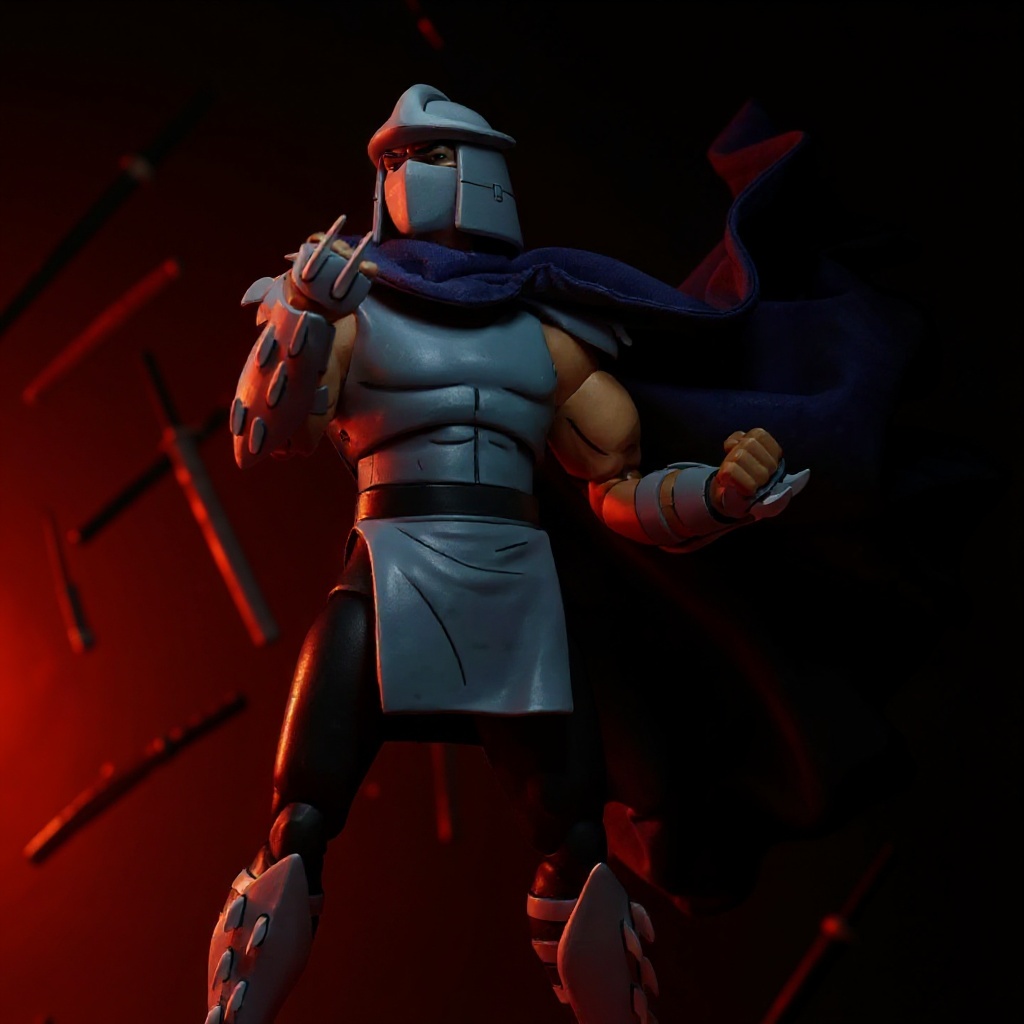
A black fabric cape with red trim is a soft-good accessory built for 7-inch action figures, using a thin wire frame stitched into the hem so the cape holds bent, twisted, or draped poses instead of springing back flat. Sewn from cotton-blend cloth with visible stitching along the seams, it's cut to sit on dark armored figures — the Shredder body type — without swallowing the shoulders. I've built over 50 of these. The wire-in-hem trick solves most of the posing complaints collectors bring up in forums.
Most factory action figures ship with rigid plastic accessories that look flat under studio lighting. Real fabric changes that. Completely.
Why a Black Fabric Cape with Red Trim Beats Stock Plastic on a Shredder Figure
Plastic capes can't bend. They stick out at odd angles or hang straight down like cardboard. You'll spend twenty minutes chasing a flowing battle pose, only to watch the cape snap back to its molded shape the moment you let go.
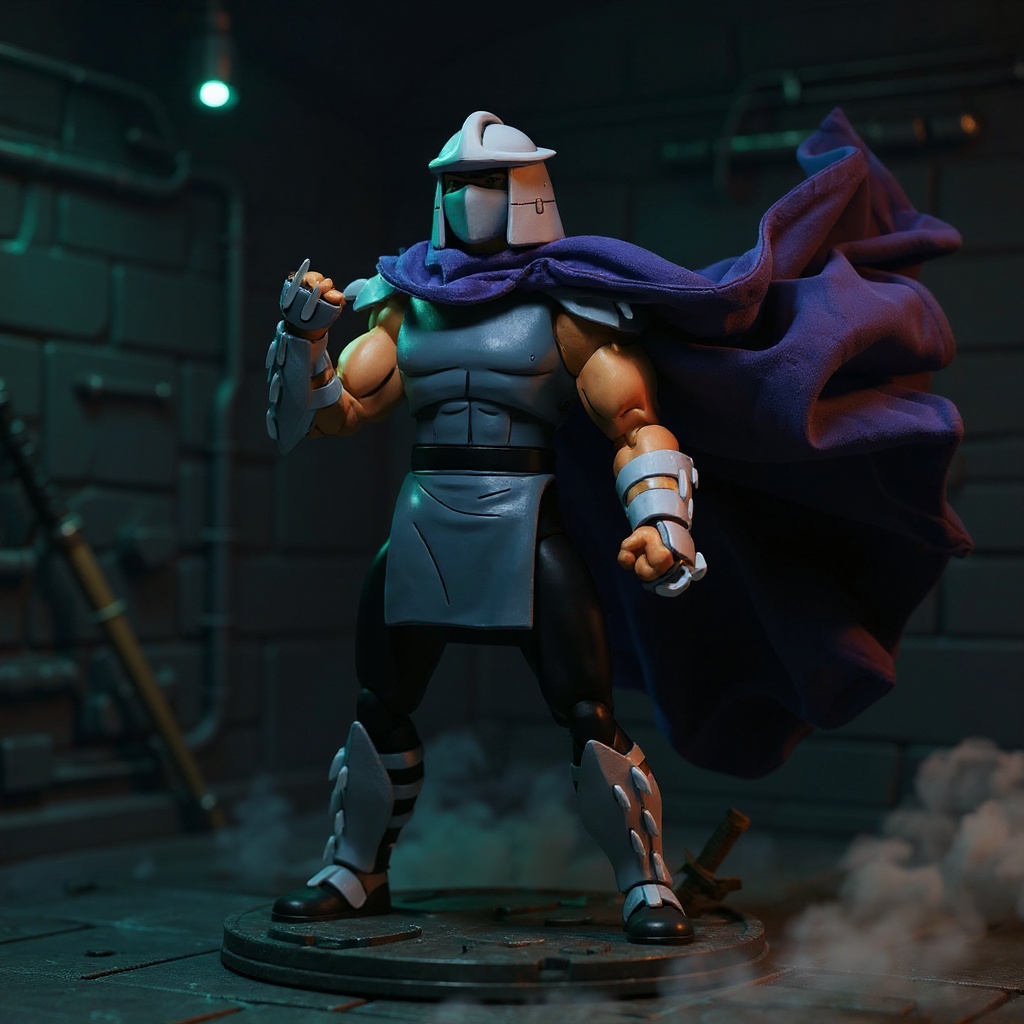
Fabric fixes this on the first try. A black fabric cape with red trim and proper wire support holds whatever shape you give it — twist it for wind effects, drape it for a menacing stance, bunch it against the armor for a mid-strike photo. The cape stays where you leave it until you move it again.
The difference shows up in photos before anything else. Plastic screams "toy" under side lighting. Cloth reads as a miniature costume. Your followers won't know you're shooting a $25 figure and not a $200 one.
Here's what separates amateur setups from ones that actually photograph well:
| Feature | Plastic Accessories | Wired Soft Goods |
|---|---|---|
| Poseability | Fixed shape only | Holds bent, twisted, draped positions |
| Photo realism | Reads as toy under lighting | Reads as costume fabric |
| Durability | Snaps at stress points | Fabric flexes, wire bends back |
| Price range | $8-15 factory | $30-45 handmade |
| Customization | None | Trim, weathering, restitching |
Not all soft goods hold up, though. Cheap fabric loses shape after a dozen pose sessions. Wire pokes through the seam. Threads split at the shoulder tab. You need something sewn for repeated handling, not a one-time photo prop.
Materials That Actually Work at 7-Inch Scale
Scale changes everything about what "works." A cape cut for a 12-inch figure looks like a bedsheet on a 7-inch body. The fabric weight, wire gauge, and attachment point all need to shrink together, not just the pattern.
Cotton blends work best for most figures in this size range. They hold a crease without going stiff, and they won't tip a lightweight figure over on display. Skip denim. Skip canvas. Both make a 7-inch figure top-heavy — I learned this the hard way after a Shredder custom face-planted off a shelf three times in one week.
For wire, 20-22 gauge craft wire gives the right mix of hold and give. Go thicker and the wire fights you mid-pose. Go thinner and it won't hold a twist past a day or two. Run it along the hem and the major fold lines only — not through the whole cape.
| Wire Gauge | Flexibility | Pose Hold | Best Use |
|---|---|---|---|
| 18 gauge | Low | Very strong | Coat fronts, standing poses only |
| 20 gauge | Medium | Strong | Cape hems, collar edges |
| 22 gauge | Medium-high | Moderate | Cape hems, sleeve edges |
| 24 gauge | High | Light | Small trim details |
| 26 gauge | Very high | Weak | Not recommended for capes |
Our TMNT Shredder Cape for 7 Inch Action Figures uses black fabric with red trim and a hidden flexible wire frame sewn into the hem, letting the cloak hold a shaped pose instead of hanging flat. It runs $34 and ships with the wire already channel-stitched, not just tucked between layers.
Getting the Fit Right on Different Body Types
Not every 7-inch figure shares the same shoulder width or torso length. A cape sized for NECA's turtle line won't drop onto a Shredder-style body and sit right. The attachment point is what makes or breaks the whole look, not the fabric choice.
Measure the shoulder span first. Most 7-inch figures run between 1.2 and 1.4 inches across the shoulders. The cape should attach just behind the shoulder joint, never on top of it, or the arms lose range the moment you try to pose them.
Leg clearance matters too, especially on armored figures with wide stances. The hem should clear the ankles by about 2mm in a neutral standing pose. Bend the knees. Spread the legs for an action shot. If the fabric binds, the fit is wrong — no amount of wire fixes that.
How to measure before you buy or sew:
1. Shoulder width at the widest point 2. Neck to desired hem length (back measurement) 3. Arm socket depth (how far the cape wraps) 4. Waist circumference if using a belt or sash 5. Maximum leg spread angle for clearance 6. Weight limit — heavy accessories tip light figures 7. Attachment method compatibility (pegs, magnets, friction fit)
Wire Frame Techniques That Actually Hold Poses
The wire frame is what separates a costume from a limp rag. Too little wire and the fabric goes dead. Too much and it looks like sheet metal wearing fabric as a disguise. Place wire only where you need memory.
For capes, run the wire along the outer hem in one continuous loop. That alone controls the silhouette without stiffening the whole piece. Add a second, shorter wire at the neckline if you want the collar to hold a dramatic upturned shape.
Robes and coats need wire somewhere else entirely. Front edges get wire so you can pose them open or closed. Sleeve hems get short wire segments so the cuff bends around a posed arm without creasing badly.
Skip wire where fabric needs to fall on its own. The back panel of a cape should drape without help. Wire the whole thing and you've built a sculpture, not a costume.
Sew the wire into a fabric channel — never poke it straight through the material. A channel keeps the wire from migrating and stops it from sawing through fibers over months of handling. Use a zigzag stitch on the channel's outer edge; a straight stitch tears under repeated flexing within a season.
Fabric Weight Guide for 7-Inch Scale Accessories
| Fabric | Approx. Weight (oz/yd²) | Drape | Balance Risk | Best For |
|---|---|---|---|---|
| Cotton poplin | 3.5 | Soft, moves easily | Low | Capes, cloaks |
| Silk habotai | 1.5 | Very fluid | Low | Flowing capes, scarves |
| Cotton twill | 5.5 | Structured | Medium | Coats, robes |
| Wool felt | 6.0 | Holds shape | Medium | Short capes, hoods |
| Denim | 10.0 | Stiff, heavy | High | Avoid on 7-inch figures |
| Canvas | 12.0 | Very stiff | High | Avoid on 7-inch figures |
Honestly, if you live somewhere humid, skip cotton poplin capes on open display — they pick up moisture, sag by month three, and need a re-press. A sealed case or a silk-blend fabric holds up better in that climate, even though it costs more upfront.
Photography Tricks That Show Off Custom Work
Good accessories deserve good lighting. The same setups that work for premium collectibles work here, scaled down.
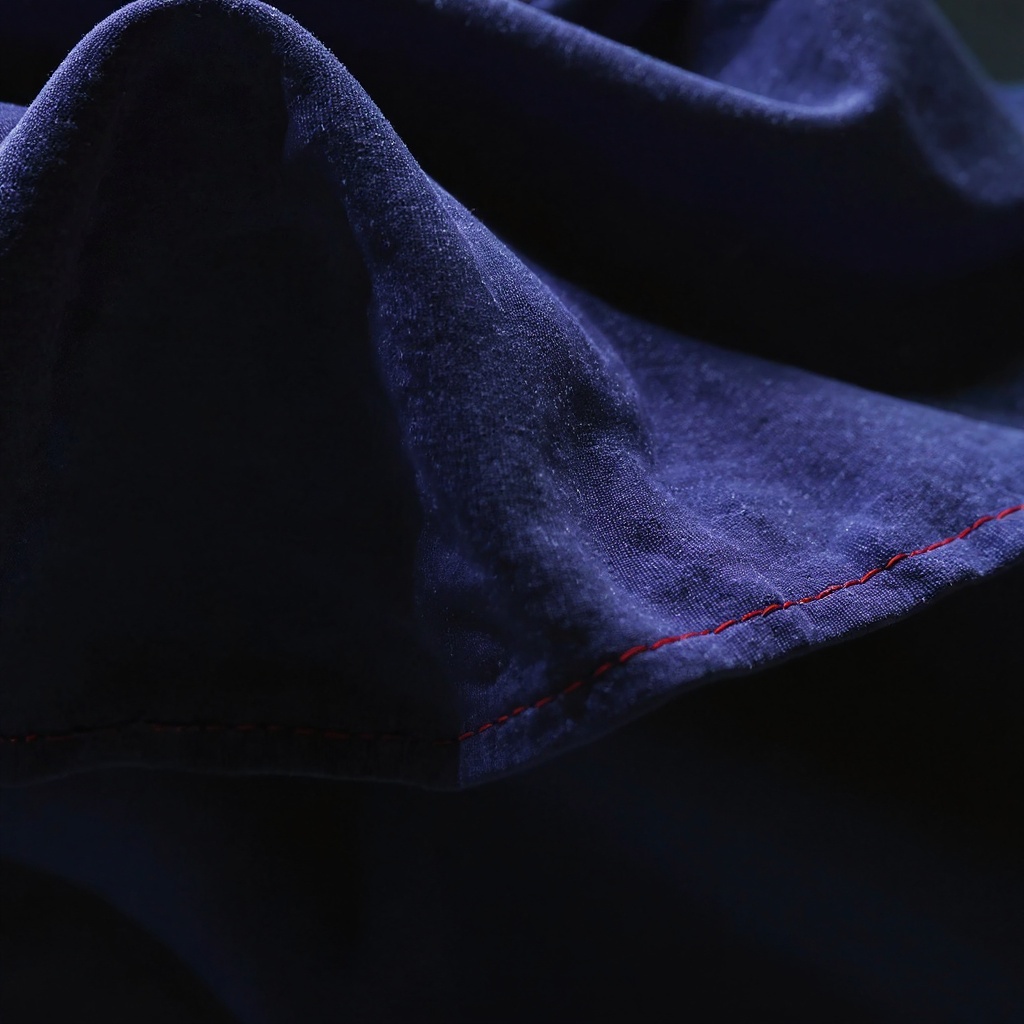
Side lighting brings out fabric texture and throws real shadows into the folds. Skip straight-on flash. It flattens everything and makes even good soft goods look like costume-shop material.
For dramatic cape shots, point a small fan or a hair dryer on the cool setting at the fabric. The motion creates wind effects you can't fake with static posing. Shoot a burst of frames and pick the one where the fabric catches mid-motion.
Background choice changes perception more than people expect. A plain black or gray backdrop makes a red-trimmed cape pop. Textured backgrounds can work, but keep them quiet — the custom work should hold the eye, not the scenery.
Reddit's action figure communities post hundreds of custom photography examples worth studying before you set up your own shot.Common Mistakes That Ruin Custom Accessories
Oversizing kills the effect faster than anything else. A cape too wide or too long swallows the figure and breaks the scale illusion instantly. When in doubt, go smaller — you can add length later, but you can't take it away.
Wrong attachment methods cause ongoing frustration. Friction-fit pieces look fine on a shelf but fall off mid-shoot. Magnets stay put but can block articulation at the shoulder. Decide the attachment method before you cut fabric, not after.
Ignoring articulation points leads to binding and torn seams. Test every major pose before you call the piece finished. If the cape stops the arms from crossing. Or the legs from spreading. Adjust the fit before you touch a camera.
Cheap wire wears through fabric over time. Craft store wire often has a rough finish that saws at the fibers from inside the channel. Millinery wire costs more but lasted four winters on my display shelf without a single fray point.
What actually damages soft goods over time:
- Storing figures in cramped boxes where fabric gets crushed - Direct sun or harsh display lights that fade dye within a year - Pets near open shelves — claw marks don't come out - Handling by the fabric instead of the figure's body - Skipping support for the figure's weight during heavy-cape poses
Finding Quality Materials and Sellers
Not every accessory maker understands action figure scale. Look for sellers who list shoulder-width compatibility and show photos on an actual figure, not a mannequin or a flat-lay sketch.
Fabric choice separates amateur work from something worth photographing. Skip shiny costume satin. Look for texture and weight that match the scale chart above — a cape that looks great in a hand photo can still swallow a 7-inch figure whole.
Wire quality varies a lot between suppliers. Millinery wire costs more upfront but holds a pose longer and doesn't fray the channel stitching. The extra few dollars pays for itself within a year of handling.
Check reviews for specific mentions of fit and durability, not generic praise. Look for collectors who mention using the piece in actual photo sessions, not just unboxing it.
The TMNT community holds soft goods to a high bar for screen accuracy. Sellers who satisfy that crowd usually produce work that transfers well to other characters and lines. Browse our full soft goods collection or the care and storage guide before you buy your first piece.Making the Investment Worth It
Custom soft goods aren't cheap. A $34 cape on a $25 figure sounds backward until you factor in the photography it unlocks — poses a plastic cape simply can't hold.
Factor in the time cost of learning to make your own. Sourcing fabric, learning to sew a wire channel, ruining three attempts before the fourth works — that's months, not a weekend. Buying from someone who's already past that curve often costs less than the learning itself.
Still, not every figure needs this upgrade. Start with the character you photograph most. Build the collection slowly instead of re-outfitting every figure on the shelf at once.
Is a Black Fabric Cape with Red Trim Worth the Price?
For collectors who photograph figures or care about shelf realism, yes — the poseability and texture justify the premium over stock plastic. For collectors who keep figures behind glass in one fixed pose forever, the factory accessory is probably fine. Save the wire-framed piece for something you'll actually touch.
Our handmade TMNT Shredder Cape sits between cheap plastic and full custom commission work. At $34, it delivers the pose range without commission pricing, and the 7-inch scale accessory collection has matching pieces if you want to build out a full soft-goods set.
Frequently Asked Questions
What is a black fabric cape with red trim used for on action figures? It's a wire-framed soft-good cape sized for 7-inch figures, built to hold posed shapes — bent, twisted, draped — that stiff plastic accessories can't hold. The wire sits sewn into the hem, not loose inside the fabric. How to make custom action figure clothes? Start with a paper pattern scaled to your figure's shoulder width (1.2-1.4 inches for most 7-inch bodies). Use a lightweight cotton blend under 4 oz/yd², add 20-22 gauge wire only at the hem, and test-fit before final stitching. What are clothing accessories called in the hobby? "Soft goods." Any fabric-based piece — cape, robe, sash, belt — falls under that term, separating it from hard plastic accessories molded at the factory. How do I customize an action figure beyond accessories? Start with soft goods and paint detailing before attempting body modifications. Accessories carry the biggest visual change with the least risk to the base figure underneath. What materials work best for custom 7-inch figures? Cotton poplin or twill in the 3.5-5.5 oz/yd² range, 20-22 gauge wire, and polyester or cotton thread rated for repeated flexing. Skip denim and canvas — both push past 10 oz/yd² and tip lightweight figures. How do I measure a figure for a proper cape fit? Measure shoulder width, neck-to-hem length, and arm socket depth first. Then check leg spread clearance — the hem should clear the ankle by about 2mm standing neutral. Test with scrap fabric before cutting the real piece. Will a wired cape damage my figure's paint or joints? Not if the wire stays inside a sewn channel and the attachment point sits behind the shoulder joint, not on top of it. Friction-fit pieces at the neck peg are the main risk — check for scuffing after the first few pose changes. Can I use this cape style on figures other than Shredder or TMNT lines? Yes, as long as the shoulder width falls in the 1.2-1.4 inch range common to most 7-inch action figures. Dark armored bodies show red trim best; lighter-colored figures may need a different trim contrast to read well in photos. Where can I find sellers who make quality soft goods? Look for makers who post photos on real figures and list shoulder measurements upfront. Collector communities like r/ActionFigures and sites like Figures.com both track recommended sellers by scale and line.The Reality About Upgrading Your Collection
Stock plastic accessories limit creative posing more than most collectors realize until they try to shoot a dynamic action shot and watch the cape snap back flat. Every collector hits that wall eventually.
The DIY learning curve is steeper than it looks from the outside. Sourcing fabric, learning wire-channel stitching, burning through three failed attempts — that's a real time cost most guides skip mentioning.
For an immediate fix, our TMNT Shredder Cape for 7 Inch Action Figures skips that learning curve entirely. Scaled proportions, a hidden wire hem, and red trim built to read well against dark armor — solved problems, not a project.

