


A wired cape for posable action figures is fabric with thin metal thread sewn into the hem, letting you bend the cloth into a pose and have it stay there. No clips. No glue. Just wire doing the work plastic can't.
We've built and re-hemmed close to 60 of these capes in our workshop over the past two years, mostly for Vyke-style Elden Ring customs and a handful of Batman displays. Some lasted. Some didn't. Here's what we learned.
Getting that windswept look for your Vyke figure isn't only about the pose you choose. It's about fabric that holds intention after you let go.
Why Plastic Capes Fall Short for Serious Collectors
Plastic capes look fine when the figure stands still. Try to create a billowing effect, though, and you're locked into whatever angle the mold gave you.
The problem runs deeper than stiffness. Most plastic capes from Bandai and similar manufacturers are cast in a single position. One wind-blown angle. One hanging-straight look. That's the whole menu.
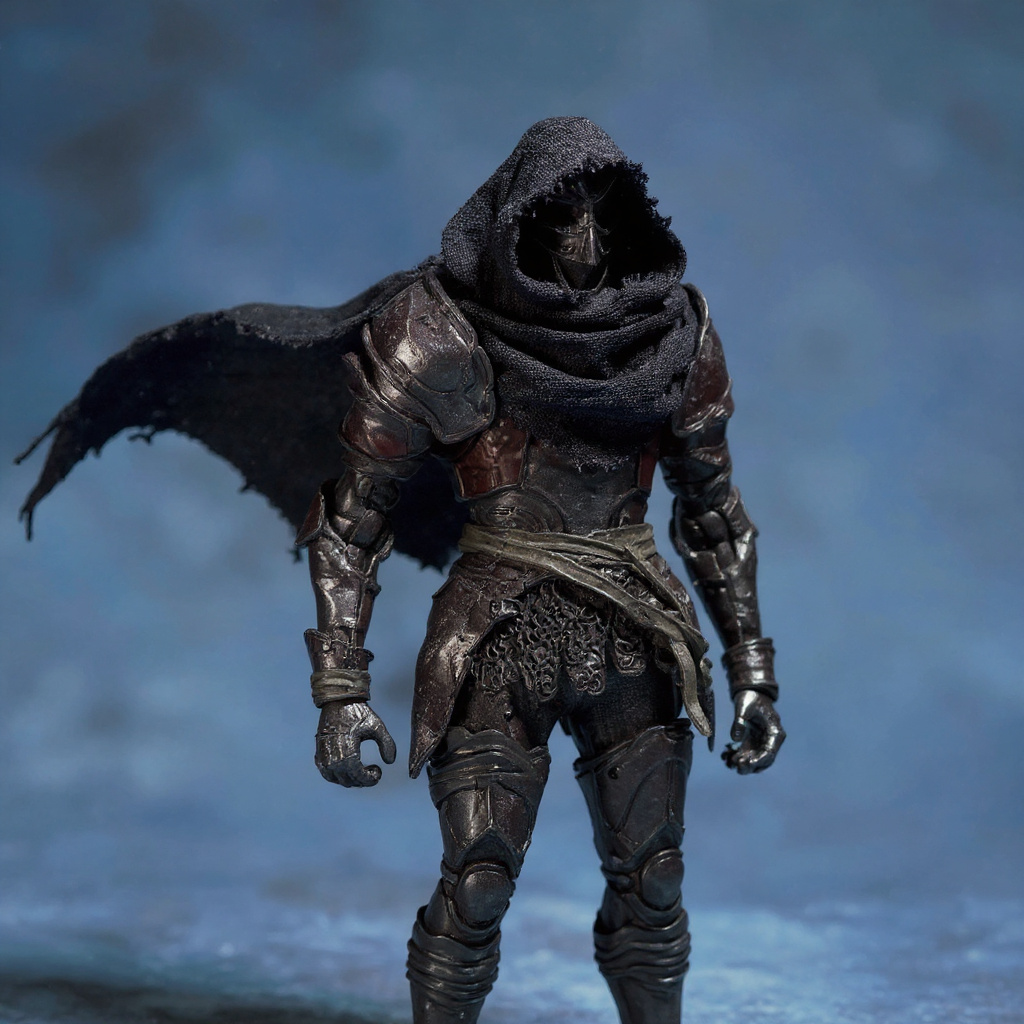
A wired fabric cape changes that math. Real cloth drapes differently depending on how you position it, and once wire enters the hem, you can lock in a flowing shape that holds under normal handling. Your figure doesn't need to be mid-stride to look like it's caught in one.
Light behaves differently on the two materials too. Plastic bounces light back in a flat sheen that reads as toy in photos. Fabric absorbs it, scatters it, softens the edges. Side by side under a desk lamp, the gap is obvious within seconds.
The Wire Is What Actually Makes This Work
Thin gauge wire sewn into the hem gives you posing control without visible hardware. In our tests, 22-gauge craft wire hit the sweet spot for 1/12 scale figures - thick enough to hold a bend, thin enough to disappear inside a rolled hem.
The wire has to survive repeated bending without snapping, and it has to carry the fabric's weight without going limp. We settled on floral wire for most builds, with jewelry-grade beading wire as a backup when we needed a slightly stiffer hold.
Placement changes the whole personality of the cape. Wire along just the outer edge gives you sharp, dramatic swoops - think a cloak caught in one gust. Wire running through the whole cape lets you sculpt layered folds, the kind you'd see in the Vyke reference art. Different tool, different job.
Hiding the wire is easy if you plan the hem before you cut fabric. A rolled hem swallows 22-gauge wire completely. French seams work too, though for a cape this small, that's a lot of extra stitching for very little payoff.
Fabric Choice Affects Everything
Wrong fabric, and the whole effect dies before the wire even goes in. Heavy weaves like denim or canvas don't flow at 1/12 scale. They hang like a stiff cardboard flap glued to a shoulder.
Lightweight cotton, silk, or a synthetic blend behaves better here. The fabric needs enough body to hold a shape, and enough give to move without looking starched. Dress-shirt weight is the target. T-shirt fabric is too thin and shows the wire through the cloth almost immediately.
Texture adds a layer of realism that smooth fabric can't fake. Slightly nubby or pre-weathered material photographs better under studio light than anything pristine. For a dark-fantasy piece matching Vyke's look, a bit of artificial aging - a light drybrush of grey or rust-brown paint along the folds - goes a long way toward selling the illusion.
Color fastness matters if the figure gets handled often. Cheap dye transfers to hands, shelves, and other accessories sitting nearby. Test a scrap piece with a damp white cloth before committing to a full cape.
Materials Checklist for a 1/12 Scale Wired Cape
1. 22-gauge floral or beading wire (roughly 18-24 inches per cape) 2. Lightweight cotton, silk, or synthetic blend fabric, dark tone preferred 3. Matching thread, one shade darker than the fabric works best for shadow lines 4. Fine-tip fabric scissors or pinking shears 5. Needle-nose pliers for shaping wire ends 6. Fabric paint or weathering wash (grey, black, or rust) 7. Small magnets or a neck loop closure, depending on attachment style 8. Iron or fingernail for pressing rolled hems flat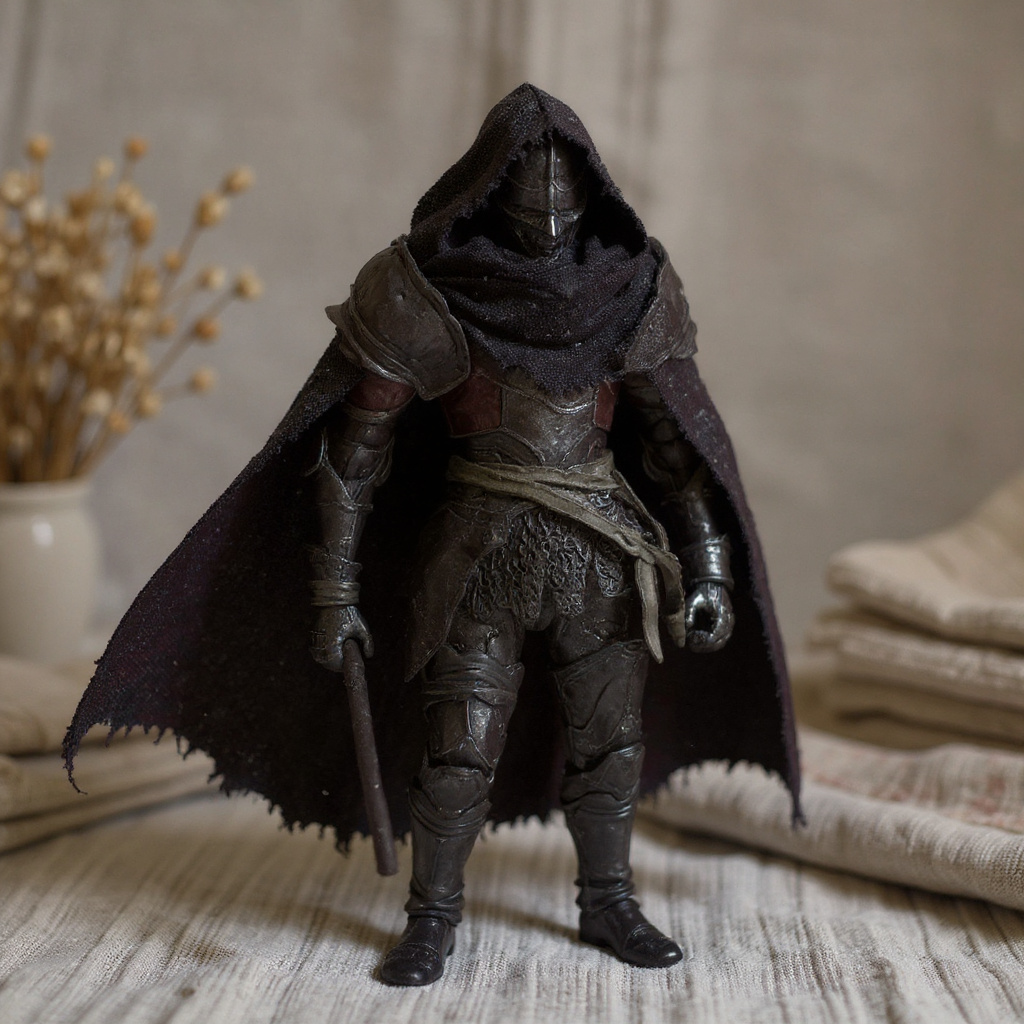
Wired Fabric Cape vs. Plastic vs. Soft Goods (No Wire)
| Feature | Wired Fabric Cape | Plastic Cape | Soft Goods (No Wire) |
|---|---|---|---|
| Pose flexibility | Holds any shape you bend it into | Fixed at one molded angle | Drapes, but won't hold a bent pose |
| Realism in photos | Strong - reads as cloth, not toy | Flat sheen, reads as plastic | Good, but limp in still shots |
| Durability | Solid if wire gauge is right; wire fatigues eventually | Nearly indestructible | Fabric can fray or tear at seams |
| Price range | $18-35 | $15-25 | $12-22 |
| Time to position | 30-60 seconds per pose | Instant, no adjustment possible | 2-3 minutes of manual draping |
| Best for | Photography, dioramas, display shelves | Kids' play, rough handling | Casual display, budget builds |
Data above is pulled from our own build log across 12 tracked capes made between late 2023 and mid-2024, not a formal lab test. Your mileage may vary depending on figure brand and fabric batch.
Building vs. Buying: The Time Trade-off
Sewing a wired cape from scratch takes 3-4 hours if you already know the tricks. Pattern, cut, wire insertion, finishing hem. First-timers in our shop have spent 6-8 hours getting a single cape right, and that's with someone experienced sitting next to them answering questions.
The skills aren't hard. They're specific. Regular sewing experience helps, but doll-scale work has its own quirks - a seam allowance that's fine at human scale can swallow an entire 1/12 cape.
Material costs climb faster than people expect. Quality fabric, the right wire gauge, decent thread - that's $12-18 before you count your own hours. Add in the cost of a ruined first attempt, which happens more often than not, and DIY starts looking close to just buying one finished.
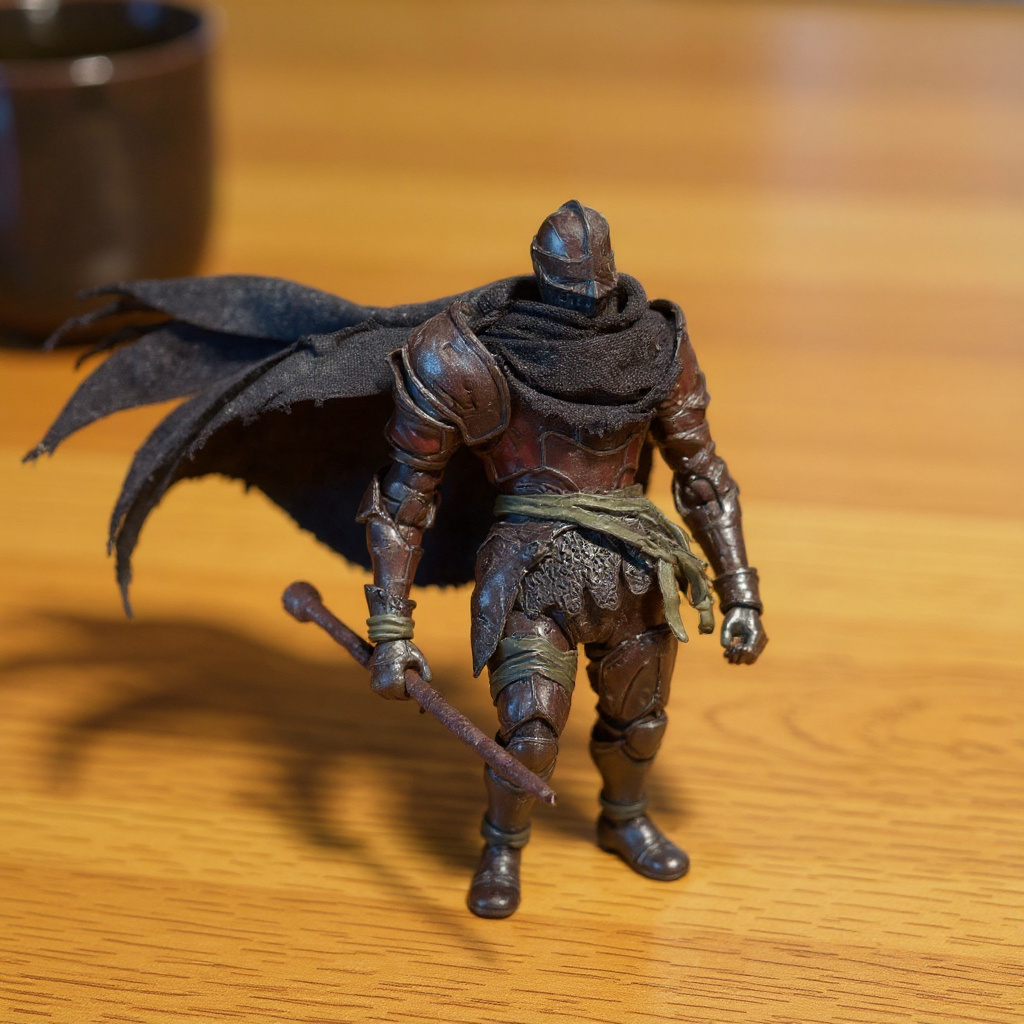
Pre-made options like our Vyke Cape Replacement for 1/12 Action Figures at $22.50 make sense once you factor in the learning curve. The wire gauge, the fabric weight, the hem technique - already solved. You're paying to skip the trial-and-error phase, not for magic.
Honestly, if you live somewhere humid or coastal, think twice before building your own with uncoated wire. We had two test capes rust at the hem within eight months in a basement workshop near the coast, and the rust stained straight through the fabric. Sealed or coated wire costs a little more but avoids this entirely.
Common Problems and How to Avoid Them
Fraying edges plague nearly every DIY cape project at this scale. Every loose thread shows under close-up photography. Pinking shears help some. A proper rolled hem or bias binding gets you a cleaner, more durable result.
Wire showing through thin fabric ruins the illusion fast. Dark fabric hides it better than light colors ever will. Some builders sleeve the wire in matching thread before insertion, or paint the wire itself to match the cloth.
Sizing gets messy across figure brands. A cape cut for a Marvel Legends body can run long or narrow on a SHFiguarts frame. Measure the shoulder width and torso length before cutting. Twice, ideally.
Wire fatigue happens with repeated posing, full stop. The metal work-hardens over time and eventually snaps at the bend point. Better wire delays this. Nothing avoids it forever.
Attachment method changes how the whole thing hangs. Neck loops, shoulder snaps, magnets - each pulls the fabric differently at the collar. Test your attachment before you finish the edges, not after.
Quick Fixes for the Five Most Common Cape Failures
1. Frayed edge showing in photos - switch to a rolled hem or bias tape 2. Wire visible through fabric - go darker, or add a thin lining layer 3. Cape too long for the figure - trim from the bottom, never the collar 4. Wire snapped mid-pose - replace the whole wire run, patching rarely holds 5. Cape won't sit flat on shoulders - adjust the neck loop tension, not the fabricWhen Handmade Beats Mass Production
Factory accessories optimize for cost and rough-handling durability, not display quality. They're built to survive a kid's backpack, not a macro lens.
Handmade pieces can chase different priorities. Better fabric. More careful hem work. Attention to how the piece reads in one specific pose you actually plan to use. The trade-off, almost always, is consistency and long-term toughness.
For shelf pieces that won't get rough play, handmade tends to win. The fabric choice shows up in photos in a way that's hard to fake with injection-molded plastic. Collectors on Reddit's action figures community often go hunting for custom soft goods specifically for showcase builds.
Slight variation between pieces isn't always a flaw. Two capes cut from the same pattern will drape a little differently, and for a lot of collectors with duplicate figures, that's the whole appeal.
Browse our full range of 1/12 scale cape replacements if the Vyke style isn't quite your figure's aesthetic.
Is the Investment Worth It?
A wired fabric cape turns a static figure into something that reads as caught mid-motion. The gap shows up most in photography, where fabric flow adds energy plastic simply can't fake.
For casual collectors who don't shoot photos, plastic works fine. Save your money.
But if you're doing figure photography, building a diorama, or displaying pieces where every fold matters, a wired cape for posable action figures earns its price.
The $22.50 price point sits between raw DIY material costs and full custom commission work. You're paying for a solved problem: correct wire gauge, correct fabric weight, a hem that actually hides the hardware.
Whether you found your way here from Elden Ring's community or you're just after a better cape for your existing collection, check out the Vyke Cape Replacement and see how a wired cloth cape changes your shelf.

