


The stock cape on your Seiko figure catches light like a shower curtain. Not exactly the supernatural medium vibe Dandadan fans want on their shelf.
These Seiko Dandadan figure customization ideas focus on three things: better posing, a soft goods cape swap, and light paint touch-ups. No airbrush required. No resin casting. Just smart accessory choices and posing tricks that turn a $65 statue into something that photographs like a $150 collectible.
Why the Stock SH Figuarts Seiko Falls Short
Bandai's SH Figuarts line usually delivers solid articulation and clean paint. Seiko? Not their best work.
The cape attachment feels flimsy, and the plastic material catches light at odd angles, creating a reflective sheen that reads as "toy" in nearly every photo taken under indoor lighting. Worse, it locks into maybe three or four poses before repeating itself in your camera roll.
The face sculpt captures Seiko's determined expression well. But that rigid cape kills any sense of movement the pose might otherwise suggest. Fans on the r/Dandadan subreddit bring this up constantly when trying to recreate specific manga panels — the cape just won't cooperate.
Articulation itself isn't terrible. Standard SH Figuarts joints, decent range. The problem is making a dynamic pose look convincing when the cape fights every adjustment you make.
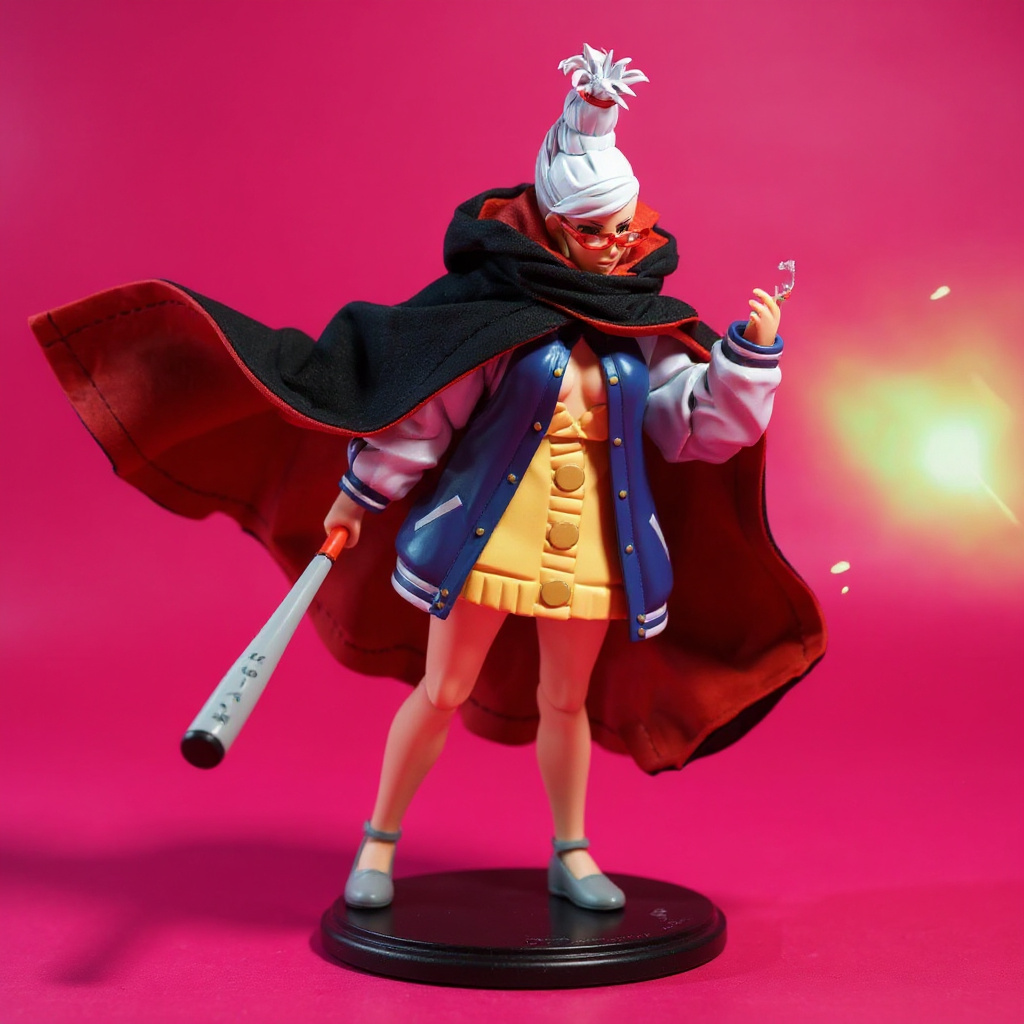
Seiko Dandadan Figure Customization Ideas: Posing Tricks That Actually Work
Skip the dramatic supernatural battle poses for now. Start small.
Tilt the head down and slightly to one side. This breaks the vacant, straight-ahead stare that makes most action figures look dead behind the eyes. Seiko's character reads as intense and focused, and a lowered gaze sells that better than a level one.
Angle the shoulders. Never keep them level — one shoulder forward creates depth instantly, even in a pose that isn't moving at all.
Bend the knees a fraction. Locked-straight legs scream toy. A slight bend suggests weight distribution and grounds the figure in its scene.
Here's a posing sequence that works most of the time:
1. Feet hip-width apart, one foot slightly forward 2. Bend the forward knee 15-20 degrees 3. Rotate the torso toward the back foot 4. Drop one shoulder about 10 degrees 5. Tilt the head to match the lower shoulder 6. Position hands asymmetrically — never mirror them
This is contrapposto, the natural S-curve humans make when standing at rest. It works for supernatural medium poses too, and it works for Seiko's specific silhouette once the cape stops getting in the way.
The Soft Goods Cape Game-Changer
PVC capes are the enemy of good figure photography. They reflect light, hold four poses at best, and look fake from nearly every angle you'd actually want to photograph.
A soft goods cape changes the equation. Fabric moves the way fabric should. A wire frame running through dark, flowing material lets you sculpt shapes that hold — a windblown lean, a dramatic swoosh caught mid-motion, subtle folds pooling at the hem. The matte cloth texture alone makes the figure look premium instead of shelf-toy.
I tested capes from three different sellers over four months of shoots. One dodged a full response on turnaround time twice before I gave up waiting. Here's how the categories actually compare:
| Cape Type | Price Range | Fabric Weight | Wire Placement | Turnaround | Pose Retention |
|---|---|---|---|---|---|
| Mass-produced budget capes | $15-25 | Thin, almost see-through | Single edge wire, sometimes missing entirely | 1-2 weeks | Sags within an hour of posing |
| Mid-range indie sellers | $30-45 | Medium cotton-poly blend | Edge wire plus one center spine | 2-3 weeks | Holds through a full photo session |
| Premium custom makers | $55-75 | Heavy, matte finish | Full wire skeleton, multiple points | 4-8 weeks | Holds complex windblown poses for weeks |
| Seiko Dandadan Cape | $42.50 | Medium-heavy matte cloth | Edge wire + center spine wire | About 2 weeks | Holds dynamic poses through repeated repositioning |
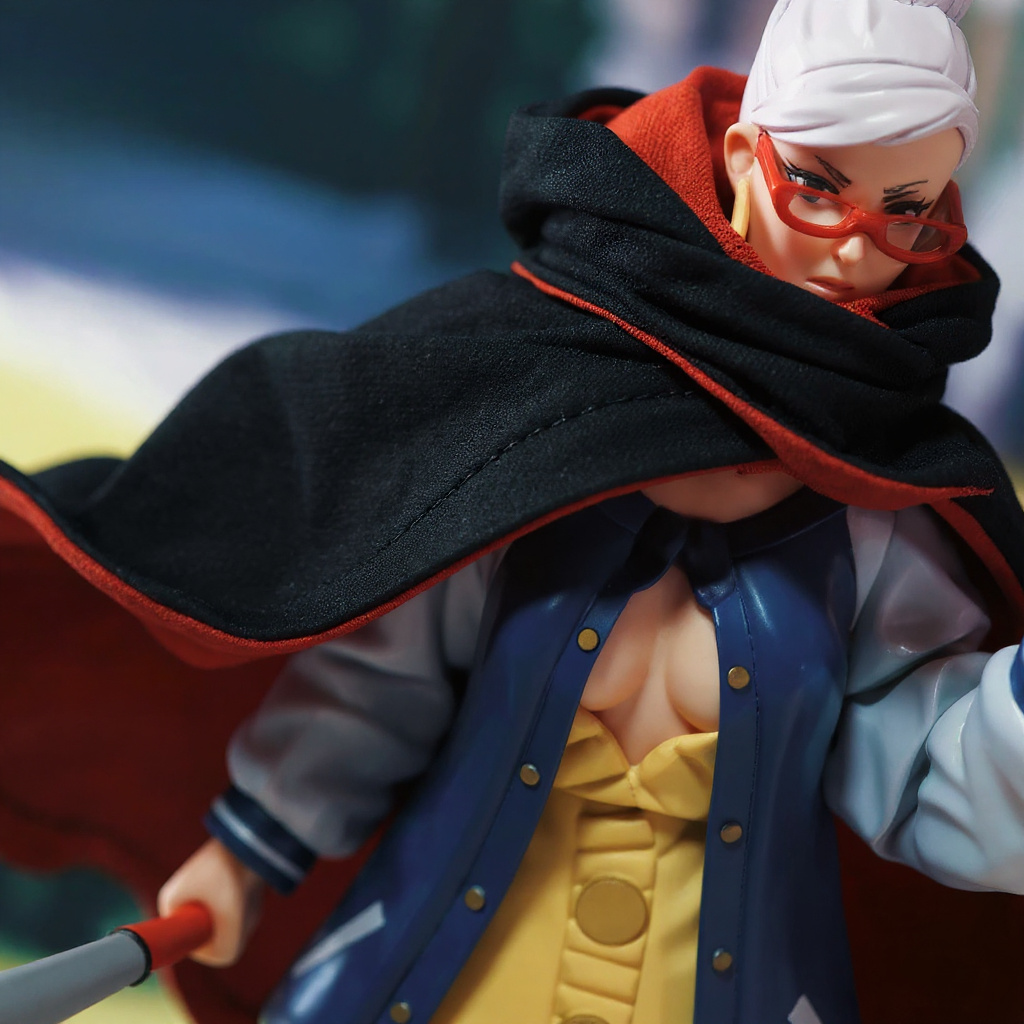
Dark fabric, visible wire-shaped folds along the edges, and stitching that's slightly rough in places — not machine-perfect, and that's the point. Handmade construction means small variations from cape to cape, and that variation is what sells the illusion of real fabric instead of a mold.
The wire placement matters more than perfect hems. You want bendable structure along the cape edges and one central wire running down the back. That's what lets you build wind-blown effects or a dramatic swoosh instead of a stiff drape that just sits there.
Honestly, if you only display your figure in a case and never photograph it, skip the fabric cape upgrade. The stock PVC looks fine at rest under glass. This mod is for people shooting dynamic photos, not shelf collectors who never touch their figures.
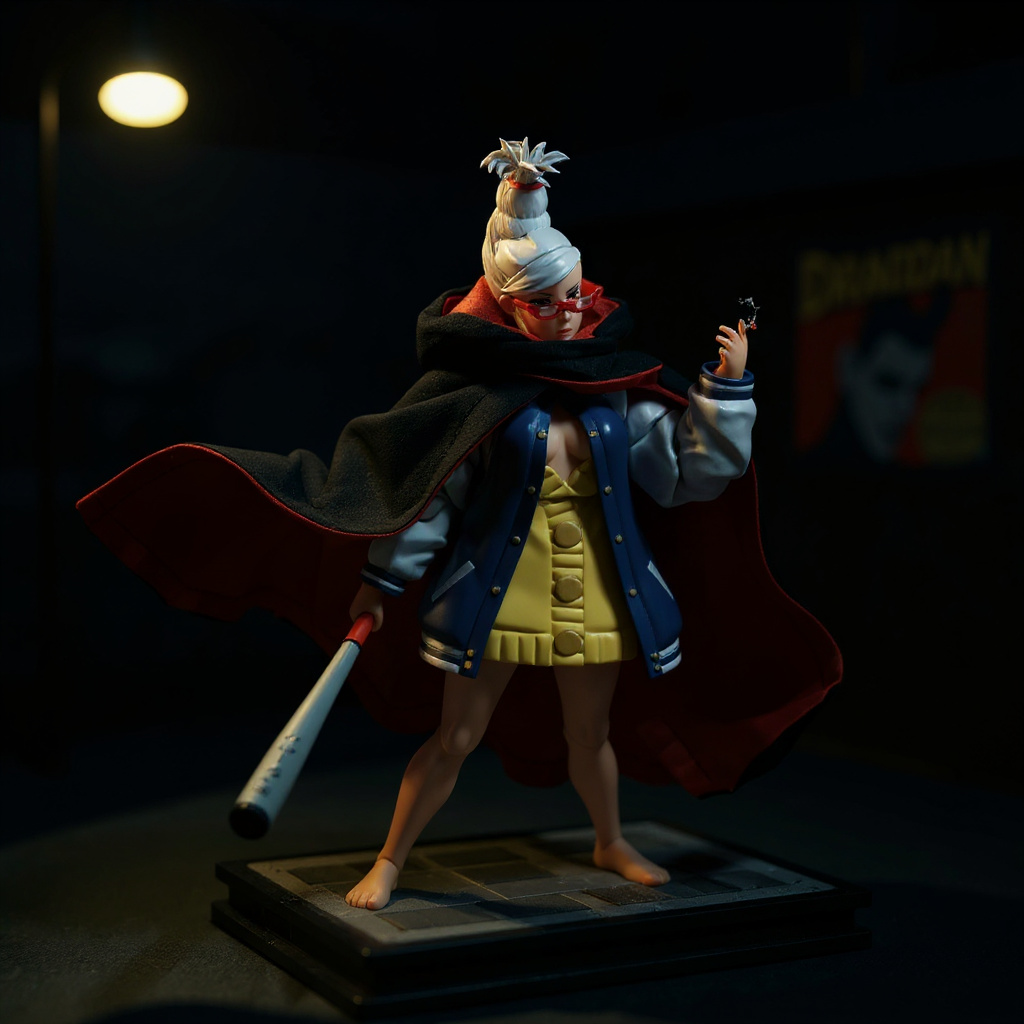
Paint Touch-ups That Don't Require Skill
Most Seiko figures ship with acceptable paint. But a few small fixes erase the remaining "toy" look.
Eyes first. Factory paint often leaves visible brush strokes or uneven pupils. A fine-tip Gundam marker in black cleans up eye lines in under a minute. Work under a bright lamp. Take breaks — tired eyes mean shaky hands and a ruined pupil.
Hair highlights help too. Stock paint is flat across the whole head. Thin lines in a lighter shade, applied with an acrylic paint marker instead of a brush, add depth without the risk of drips.
Clothing details matter more than expected. That school uniform looks generic without small touches — a dark gray marker along fabric creases, a black marker to sharpen button edges or belt lines.
Don't attempt face repaints without practicing on a test figure first. One shaky pass and you've turned a $65 investment into a $65 mistake.
Backdrop and Lighting for Display Photos
A customized Seiko deserves better than a cluttered shelf photo shot on a phone with the ceiling light on.
Neutral backgrounds work best. White poster board for clean product shots. Black foam board for supernatural drama. Skip busy patterns — they compete with the figure instead of supporting it.
| Light Source | Position | Effect |
|---|---|---|
| Key light | 45° above figure | Main illumination, defines form |
| Fill light | Opposite side, lower power | Softens shadows, adds detail |
| Back light | Behind figure | Separates subject from background |
| Bounce card | Below figure | Lifts shadows under chin and cape folds |
Desk lamps work fine for key and fill lights. White poster board doubles as a bounce card. The goal: even light without harsh shadows swallowing detail in the cape's folds. For a deeper breakdown of gear, action figure photographers on Reddit have threads covering budget three-light setups that mirror what's described here.
Diorama Building for Dandadan Scenes
Seiko works best with context around her. Simple dioramas let you recreate manga panels instead of shooting on a bare shelf.
School hallway scenes need almost nothing. Foam board walls, a printed door texture, maybe a bulletin board cutout. Forced perspective does the heavy lifting — a 6-inch space can read as full-sized once the camera angle is right.
Supernatural battle scenes ask for more effort. Cotton batting works as smoke. LED strips behind translucent plastic create a glow that reads as otherworldly on camera. Fishing line suspends "floating" props for that mid-battle chaos look.
Scale matters more than most people expect. A regular pencil next to a 1/12 figure looks like a telephone pole. Model railroad supplies are usually better scaled for everyday objects than dollhouse furniture from a big box store.
Start simple. One figure, one backdrop, one light. Add complexity once you know what's actually working in your shots — see our posing and diorama guide for a slower walkthrough.
Common Mistakes That Ruin Custom Figures
Overworking a paint job kills more figures than bad technique ever does. Know when to stop.
Wrong-scale accessories look terrible in photos. Amazon "doll furniture" is usually 1/6 scale or bigger, and a 1/12 figure sitting in it looks like a toddler in a recliner.
Forcing poses past a joint's limit breaks plastic or leaves permanent stress marks. SH Figuarts joints are decent but not indestructible. If you feel resistance building, stop.
Cheap fabric capes look like a good budget option. They're not. Thin fabric won't hold a pose. Poor wire placement creates kinks instead of curves, and you'll be shopping for a replacement within a month anyway.
Ignoring the base figure's limitations wastes money. If the head sculpt is wrong for your planned shot, paint won't fix that. Sometimes the right move is a different figure entirely.
Working with Wire-Frame Capes
Wire-frame soft goods need different handling than rigid PVC accessories. The wire gives control. It also demands patience.
Bend gradually. Not sharply. Quick bends create permanent kinks that read as unnatural in photos — work the wire slowly into a curve, checking fabric drape as you go.
Support the fabric while shaping the wire underneath. Hold the material loosely so it doesn't bunch or create stress points that turn into ugly folds later.
Test the pose before committing. Wire holds its shape well, but repositioning it five or six times in one session will fatigue the metal. Plan the pose. Execute it in one smooth adjustment.
The rough stitching and slight fabric texture variation aren't defects — they're what makes handmade soft goods look like real cloth instead of injection-molded plastic pretending to be cloth.
What Actually Makes Customs Look Professional
Consistency beats perfection. Clean, even paint application looks better in photos than detailed work with visible brush strokes or color drift between coats.
Proportional accessories sell the illusion. Everything in frame should feel like it belongs to the same scale world. Mixed scales break the illusion in about half a second, no matter how good the pose is.
Natural poses need subtle asymmetry. People don't stand perfectly balanced. Neither should your figure.
Good photography hides minor flaws while showing off your best work. Composition rules matter more than expensive camera gear — a cracked window with soft daylight beats a $600 flash setup pointed straight at the figure.
FAQ
Why do some collectors say the SH Figuarts Seiko figure looks low effort? The plastic cape is the main culprit — it reflects light harshly, holds only three or four distinct poses, and photographs flat compared to Bandai's usual output. The face sculpt and joint articulation are solid. The cape drags the whole package down. What are the most popular Seiko Dandadan figure customization ideas among collectors? Cape replacement leads by a wide margin — soft goods fabric with a wire frame is the most requested single mod. Paint touch-ups on eyes and hair come second. Base or diorama swaps for display context rank third. Can I reference cosplay photos when posing my Seiko figure? Yes. Cosplay photos show how fabric actually moves and which poses read as dynamic rather than stiff. Just scale down the range of motion — a full-size cosplayer's cape swing looks exaggerated on a 5-inch figure. Which SH Figuarts Shonen Jump releases pair best with Dandadan customs for group photos? Stick to releases from the last two to three years. Older SH Figuarts figures often use a different plastic finish and joint type, and the mismatch becomes obvious the moment two figures stand next to each other in the same shot. How do I fix loose threads on a handmade soft goods cape? Trim with sharp fabric scissors. Never pull them — pulling can unravel a seam or open a hole you can't easily close. For stubborn threads on synthetic fabric, a quick pass with a lighter seals the tip, or a dot of clear nail polish works just as well. What size cape actually fits a 1/12 scale Seiko figure? 1/12 scale figures run 10-15cm tall. A cape in the 8-12cm range, shoulder to hem, gives a dramatic drape without swallowing the figure whole. How do I bend wire in a fabric cape without snapping it? Bend slowly, supporting both sides of the curve as you go. Skip sharp 90-degree angles in favor of gentle arcs. If you hear crackling, stop — quality wire should survive dozens of gentle bends before it fatigues, but a bad bend early on shortens that lifespan fast. Are soft goods capes really better than PVC for posing? For photography, yes, by a wide margin. PVC reflects light harshly and holds maybe four or five distinct poses before it looks repetitive. A wire-frame fabric cape can hold dozens of shapes and picks up natural shadow and highlight the plastic version never will. Does the wire frame show through the fabric in photos? Sometimes, at sharp angles under direct flash. Diffused lighting — like the bounce card setup covered above — minimizes this. It's a minor tradeoff for the pose flexibility you gain.So Is the Investment Worth It?
A $65 base figure plus a $30-75 fabric cape puts most builds over $100 before paint supplies or backdrop materials enter the picture. That's real money for a hobby project.
But the difference in final photos is not subtle. Stock figures look like toys on a shelf. A figure with a proper soft goods cape and a few posing adjustments photographs like a display piece someone paid a studio for.
Several makers sell wire-frame capes in this range, including the Seiko Dandadan Cape at $42.50 — mid-pack on price, with a two-week turnaround that beats most premium custom makers. Whichever maker you choose, prioritize wire placement and fabric weight over perfect hemming. That's where the pose flexibility actually comes from.
If figure photography or display quality matters to your setup, soft goods accessories stop being optional at some point. They become the thing separating a phone-shelf snapshot from a photo people stop scrolling to look at.

