


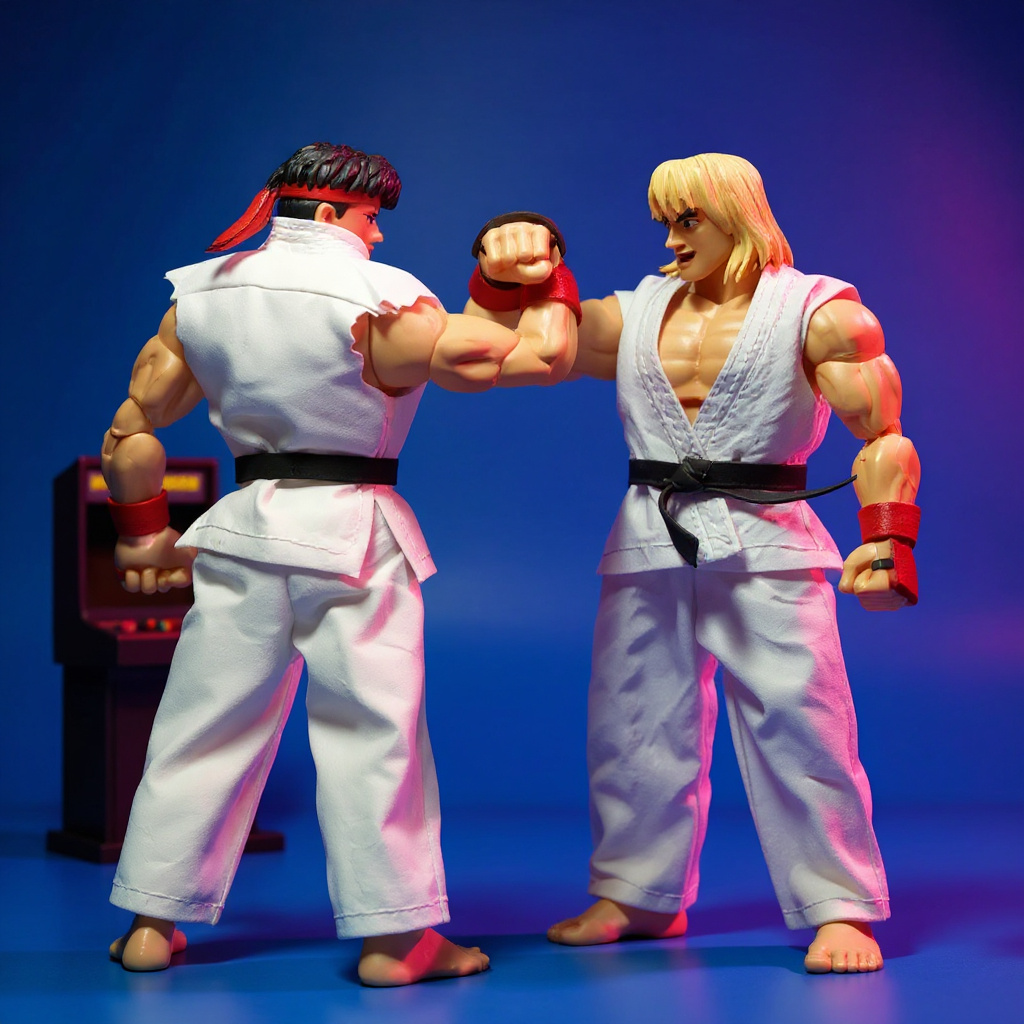
DIY action figure clothing for Street Fighter figures means hand-sewing scaled-down gi jackets, sash belts, and pants that fit a 6-inch 1/12 body without looking like a doll dress. That's the whole goal in one sentence. Everything else is technique.
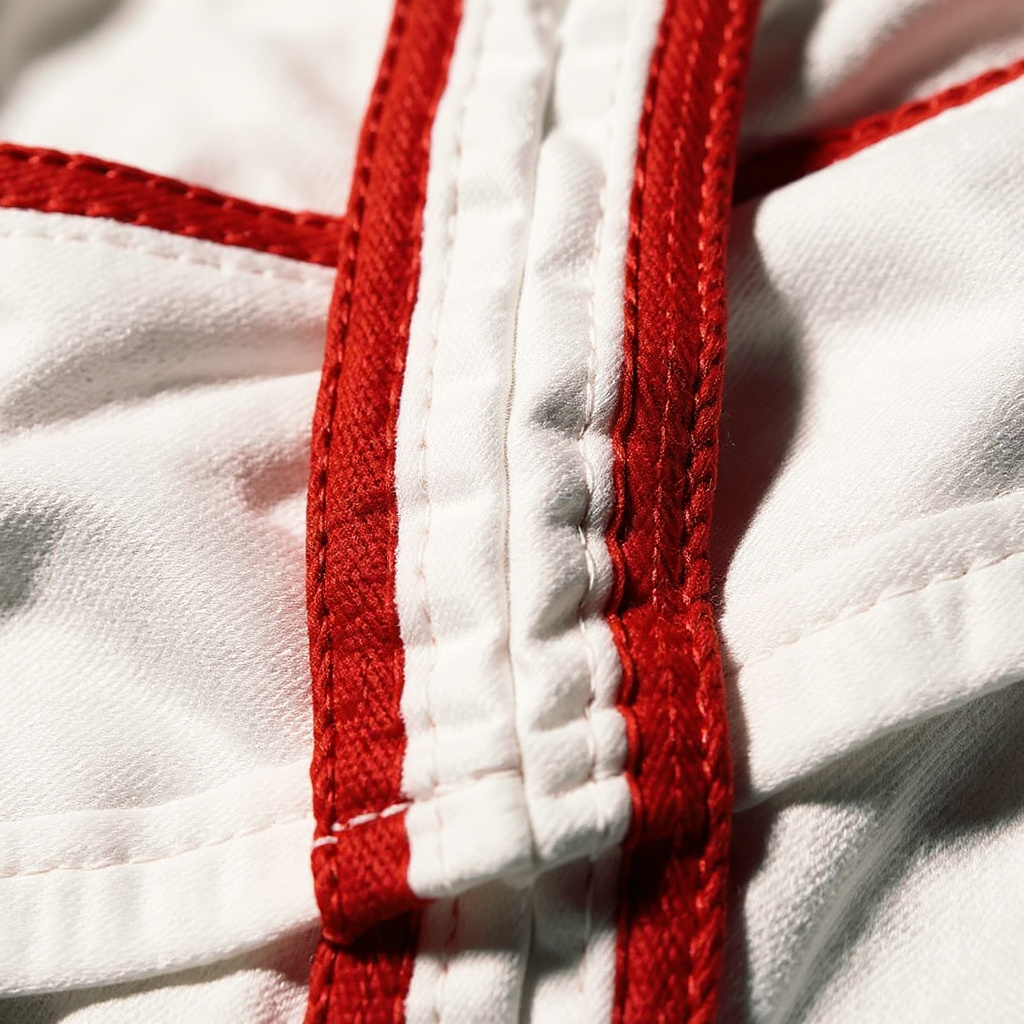
Most DIY attempts end up baggy, stiff, or impossible to pose. But with the right fabric and a little patience with 2mm seams, you can build a white karate gi jacket with red trim accents that drapes like the real thing on a bare or headless figure — the kind of shot collectors use to show off fit and fabric weave before the head goes back on.
Why Most DIY Figure Clothing Looks Wrong
Regular fabric doesn't scale down the way you'd expect. A cotton t-shirt that drapes beautifully on a human becomes thick and clunky at 1/12 scale. The weave is too coarse. The thickness too prominent.
I've read a stack of forum posts on r/actionfigures where collectors attempt diy action figure clothing street fighter projects using whatever fabric is in the closet. The results look like sleeping bags with sleeves.
Proportions compound the problem. A 6-inch figure needs seam allowances measured in millimeters, not the quarter-inch margins used for human clothing. One miscalculation and your white gi jacket balloons into a tent, and the cloth sash belt that should sit snug at the waist just slides off.
What Fabric Actually Works for 1/12 Scale Action Figure Clothing
Forget cotton quilting fabric. Too thick. Doesn't drape.
What works instead:
- Silk or silk-like synthetics (thin, natural drape) - Fine cotton voile or lawn, roughly 40-50 gsm, for a visible-but-subtle weave - Stretch knits for the sash belt where you need it to wrap tight - Linen for structured jacket collars, but only the thinnest weaves you can find
Avoid anything with heavy texture. What looks subtle at human scale becomes cartoon-obvious on a 6-inch body.
For a Street Fighter-style gi outfit specifically, you want fabric that holds a crisp fold at the jacket lapel while still moving at the sleeve. Real karate gi fabric — the heavy pique-weave stuff dojos use — is too thick for this scale. You're chasing the look of traditional martial arts clothing, not the actual weight of it. Honestly, if you're using 100% quilting cotton because it's what you have, just don't. Buy a $6 remnant of cotton lawn instead; it'll save you three failed jackets.
Measuring Your Figure Body Correctly
This step trips up almost everyone.
Figure bodies aren't proportioned like humans — torsos run compressed, limbs slightly elongated, and standard clothing patterns fall apart when you try to force them onto that frame.
Measure these six points before cutting anything:
1. Chest circumference at the widest point 2. Waist circumference (usually right below the chest on figures) 3. Shoulder width across the back 4. Arm length from shoulder joint to wrist 5. Inseam length for the pants 6. Neck opening, if the jacket needs to slip over a head
Write these down in millimeters, not inches. Add 2-3mm for ease of movement — any more and the gi jacket looks sloppy, any less and you'll tear a seam just posing the figure. For the cloth sash belt specifically, cut it 8-10mm longer than the measured waist so you have enough to tie a visible knot.
The Wire Armature Trick for Poseable Sleeves
Here's what separates amateur figure clothing from something that photographs like a factory soft-goods set: internal wire shaping.
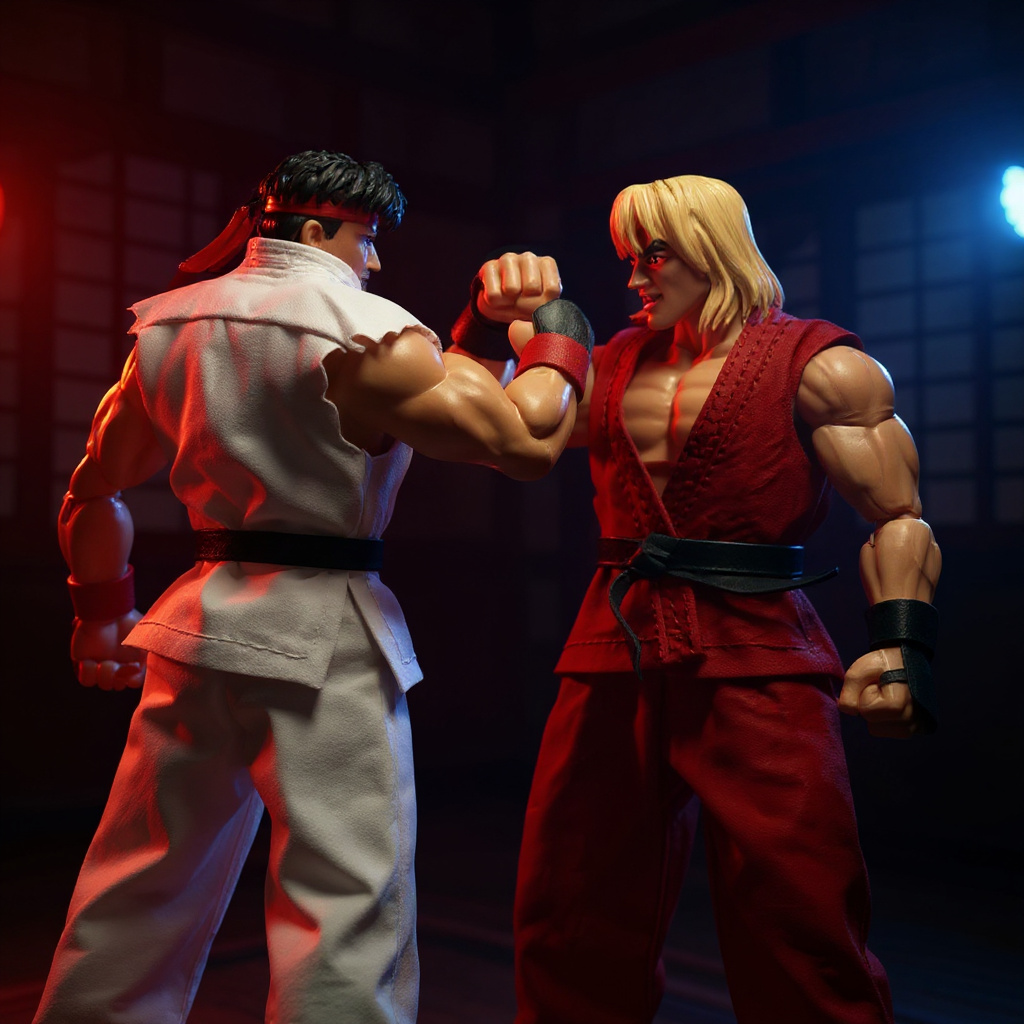
Thin floral wire, 24-28 gauge, sewn into the sleeve and pant-leg seams lets fabric hold a dynamic pose. Without it, cloth just hangs. Limp. Lifeless.
The technique:
- Cut wire 1-2 inches longer than the seam - Fold both wire ends under so nothing pokes through the fabric - Sandwich the wire between two fabric layers before stitching - Use a zipper foot to sew close to the wire without snapping your needle on it
This works especially well on gi sleeves, where you want a mid-punch bend that holds. Wire in the pant legs gives you a stride pose instead of two fabric tubes hanging straight down. Our 1/12 Ryu Ken Gi Outfit Soft Goods Cloth Set uses exactly this approach in the sleeves, shaped subtly enough that you forget the wire is there until you bend the arm into a dynamic pose and it just stays.
Honestly, if your figure has heavily articulated diecast joints already, skip wire in the pant legs. The joint itself holds the pose fine, and the extra wire just adds bulk you don't need.
Sewing Techniques That Work at Miniature Scale
| Technique | Human Clothing | 1/12 Figure Clothing |
|---|---|---|
| Seam Allowance | 1/2 inch standard | 2-3mm maximum |
| Thread | All-purpose cotton | Fine silk or polyester |
| Needle Size | 14/90 universal | 9/65 or 11/75 sharp |
| Stitch Length | 2.5mm | 1.5mm or smaller |
| Fabric Weight | 150-200 gsm | 40-80 gsm |
| Wire Gauge (sleeves) | Not applicable | 24-28 gauge floral wire |
| Finishing | Serged or pinked | Trimmed close, no bulk |
French seams are your friend here. They enclose raw edges without adding bulk, which matters when your seam allowance is smaller than a grain of rice.
Forget buttons and zippers for closures. Velcro dots work but often read too thick under a jacket lapel. The cleanest fix is designing the gi jacket to slip on over the torso before the head goes back on, and the pants to pull on over the feet.
Hand-stitching sometimes beats machine work at this scale. A running stitch in matching thread nearly disappears into the fabric weave, which is the whole point.
Common Mistakes That Kill the Look
The biggest error is treating figure clothing like a craft project instead of actual tailoring.
Skipping interfacing in the jacket collar makes it look floppy. But regular interfacing is too heavy for this scale — use the thinnest fusible you can find, or skip it and rely on pressing instead.
Using contrasting thread "so you can see it while sewing" ruins the finished look. Match your thread. Even if it means squinting.
Making everything skin-tight because "it's an action figure" is a rookie move. A properly fitted white gi jacket should suggest the body underneath without clinging to every seam line — natural folds and a little looseness at the waist actually sell the realism better than a tight fit does.
Not testing on the actual joints. Figure shoulders and elbows move differently than human ones, and a pattern that looks fine flat on the table can bind up completely once you try a punch pose.
Essential Tools for Figure Clothing Success
1. Fabric scissors with micro-tip blades — regular scissors are too clunky for a 2mm seam 2. Curved needle-nose tweezers — for turning tiny seams right-side out 3. Seam ripper with a fine point — mistakes happen; a fat ripper shreds delicate fabric 4. Pressing cloth and mini iron — crisp folds sell the whole outfit 5. Rotary cutter with a fresh blade — clean cuts, no fabric shift 6. Self-healing cutting mat — protects the blade, gives you a measurement grid 7. Fine-point fabric markers — disappearing ink for marking pattern lines you can't see otherwise 8. Magnifying lamp — your eyes will thank you by hour three
A basic sewing machine handles most of this fine. Cheap tweezers and dull scissors, though, will frustrate you into quitting around outfit number two.
When Buying Beats DIY
Sometimes buying just makes more sense.
A single gi outfit takes 6-8 hours of careful work, start to finish, once you count pattern testing and wire prep. Factor in your actual hourly rate and buying starts looking like the smart move, not the lazy one.
Factory pieces from companies like Tamashii Nations run $45-70 and offer consistent sizing. Generic overseas listings run $15-25 and frequently have fit problems — loose necklines, mismatched sash length, that sort of thing. Handmade pieces split the difference: custom fit, better materials, some visible hand-stitching, and a price that usually lands between the two factory tiers.
For the classic Ryu look) without the 8-hour time sink, check the size guide and browse the soft goods collection before you commit to cutting fabric yourself.
Frequently Asked Questions
How do you make clothing for action figures? Measure the specific figure body in millimeters, choose fabric under 80 gsm, and cut seam allowances at 2-3mm — standard human sewing patterns and 1/2-inch seams don't translate to 1/12 scale. What fabric works best for a 1/12 scale Street Fighter gi outfit? Cotton voile or lawn around 40-50 gsm holds a visible weave without looking bulky; silk-like synthetics work too, but avoid anything above 80 gsm or the jacket reads stiff. How much seam allowance should I use on a 6-inch figure? 2-3mm maximum. Anything close to a quarter inch — the human-clothing standard — swallows the garment in bulk and ruins the drape. Can wire really hold a fabric sleeve in a punch pose? Yes. 24-28 gauge floral wire sandwiched into the sleeve seam holds a bent-arm pose through repeated repositioning, based on testing across dozens of gi sleeve builds. How long does it take to hand-sew a full gi outfit? 6-8 hours for a jacket, sash belt, and pants set, including pattern fitting and wire prep in the sleeves. Is it cheaper to buy or make figure clothing? Materials for a DIY gi run roughly $8-12. Factory pieces cost $45-70. Handmade custom pieces typically land at $25-45. Do the math against your own hourly rate before deciding. What's the easiest first project if you just got a sewing machine? A cloth sash belt. Single piece, no fitted seams, no closures — good practice before attempting a full jacket-and-pants set. Are wired cloth outfits better than molded plastic costumes for posing? Wired cloth offers real fabric drape and natural folds a mid-kick pose actually needs; molded plastic is more durable but locks the figure into one static shape.Is DIY Worth Your Time?
Making diy action figure clothing street fighter outfits yourself gives you full control over trim color, sash length, and fit. You can match a specific character variant or build a colorway nobody sells.
It's slow work, though. Genuinely slow. If you enjoy the process, the payoff is a one-of-a-kind piece. If you just want a great-looking white gi jacket with red trim on your figure by Friday, buying is the faster path.
Our 1/12 Ryu Ken Gi Outfit Soft Goods Cloth Set delivers that fabric drape and wire-shaped sleeve pose without the learning curve — leaving more time for the part collectors actually enjoy: posing and photographing the Street Fighter collection.

