


A posable cape for 1/18 action figure use is a fabric cape reinforced with thin wire along the hem and inner edges, built so you can bend it into wind-swept drama or battle-worn draping and have it stay there. The best examples pair 22-24 gauge wire with medium-weight woven fabric — the kind of rich crimson-red cloth you'd want under red-tinted diorama lighting — so the cape moves with the figure instead of fighting it.
Most rigid capes look fine on a shelf and freeze forever. A real posable cape for 1/18 action figure display needs three things done right: wire placement, fabric choice, and attachment method. Get one wrong and the figure topples, or the cape refuses to hold anything but a limp hang.
The Three Things That Make a Posable Cape for 1/18 Action Figure Work
1. Wire placement — along the hem and at two or three interior points, never just at the collar. 2. Fabric choice — medium-weight woven cloth with visible texture, not slick synthetic sheen. 3. Attachment method — a collar or loop that spreads weight across the shoulders instead of pulling from one point.
Miss any one of these and the whole cape fails. I've handled capes that nailed the wire but used fabric so thin it tore at the fold line inside four months.
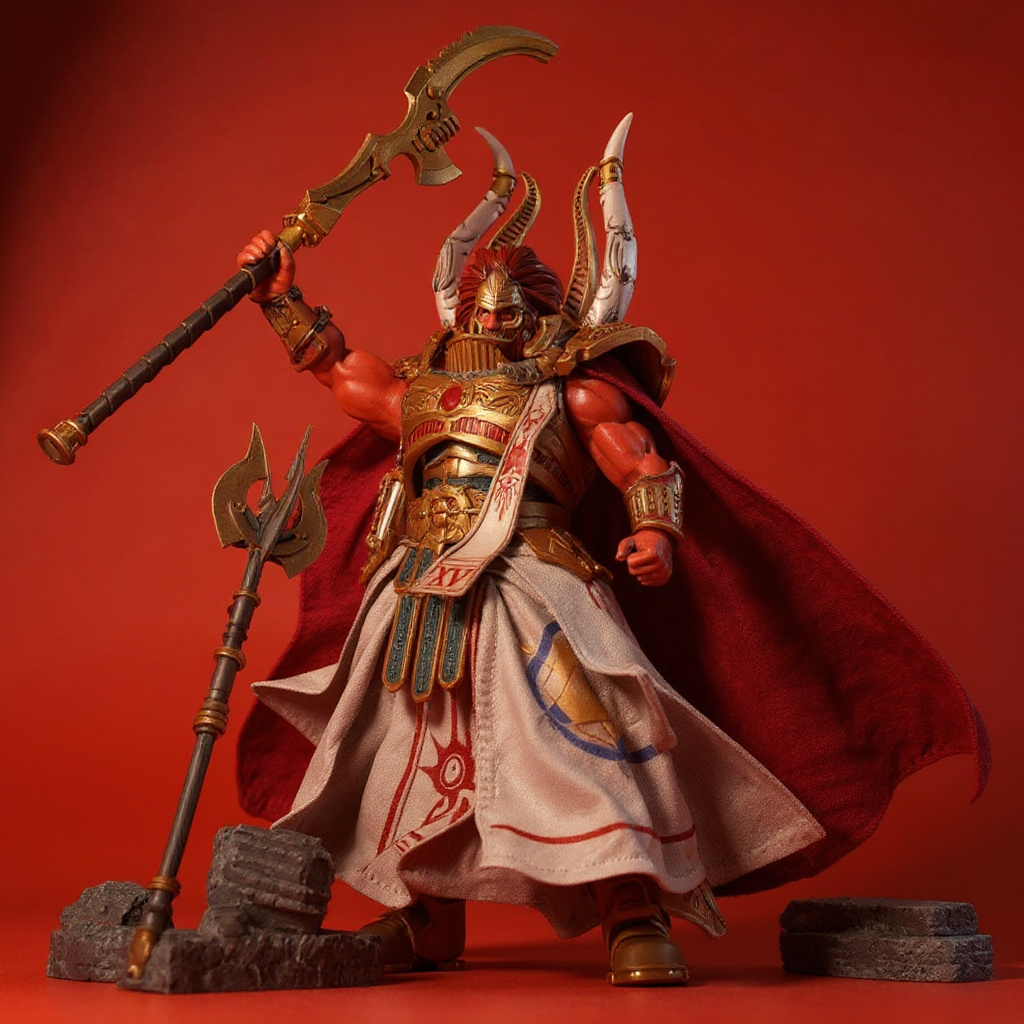
Why Wire-Frame Construction Beats Rigid or Printed Capes
The wire is what separates a display piece from a toy. Rigid plastic capes from mass manufacturers look clean but freeze in one position — forever. 3D-printed versions run $15 to $30 and suffer the same fate: zero pose flexibility, no matter how sharp the print detail looks under a light box.
A wire-frame posable cape for 1/18 action figure setup lets you create wind-swept drama or a calm, hanging drape with the same piece of fabric. Bend the edges for a combat lunge. Straighten them for a throne-room stance. The wire holds until you decide to change it. Not before.
Not all wire behaves the same. Too thin, and it takes a permanent bend after six or seven poses — I've had 30-gauge craft wire fold flat on me during a single photo session. Too thick, and it prints ridges through the fabric that ruin close-up shots. The working range sits at 22-24 gauge: soft enough to shape by hand, stiff enough to hold a lunge pose through a 20-minute shoot without sagging. Reference charts like the AWG gauge table show why that range sits between floral wire and full armature wire.
Cape makers use everything from florist wire to true armature wire. Hand-placed wire gives more control over where the bend points sit, but expect small thread irregularities at the seams. That's the trade for posability, not a defect. This is the core reason a posable cape for 1/18 action figure needs wire in the first place — fabric alone just hangs.
Fabric Weight for a Posable Cape for 1/18 Action Figure
1/18 figures weigh 2 to 4 ounces. Heavy fabric tips them backward on a display stand.
Light cotton drapes well but wrinkles after one afternoon in a bag. Synthetic blends hold shape but can look glassy under red-tinted lighting — wrong for a weathered Space Marine or a battle-scarred mercenary. Medium-weight fabric with visible weave texture splits the difference: heavy enough to hang with weight, light enough that a 3-ounce torso doesn't buckle.
Test this before buying, if you can: hold the cape by the shoulders. It should fall in soft folds, not stick out stiff, not flop like a wet towel.
Color changes what the wire shows, too. Dark crimson or black hides the wire edge under normal room light. Bright colors show every construction seam, which cuts both ways — great for showing off clean handwork, brutal for hiding a rushed job.
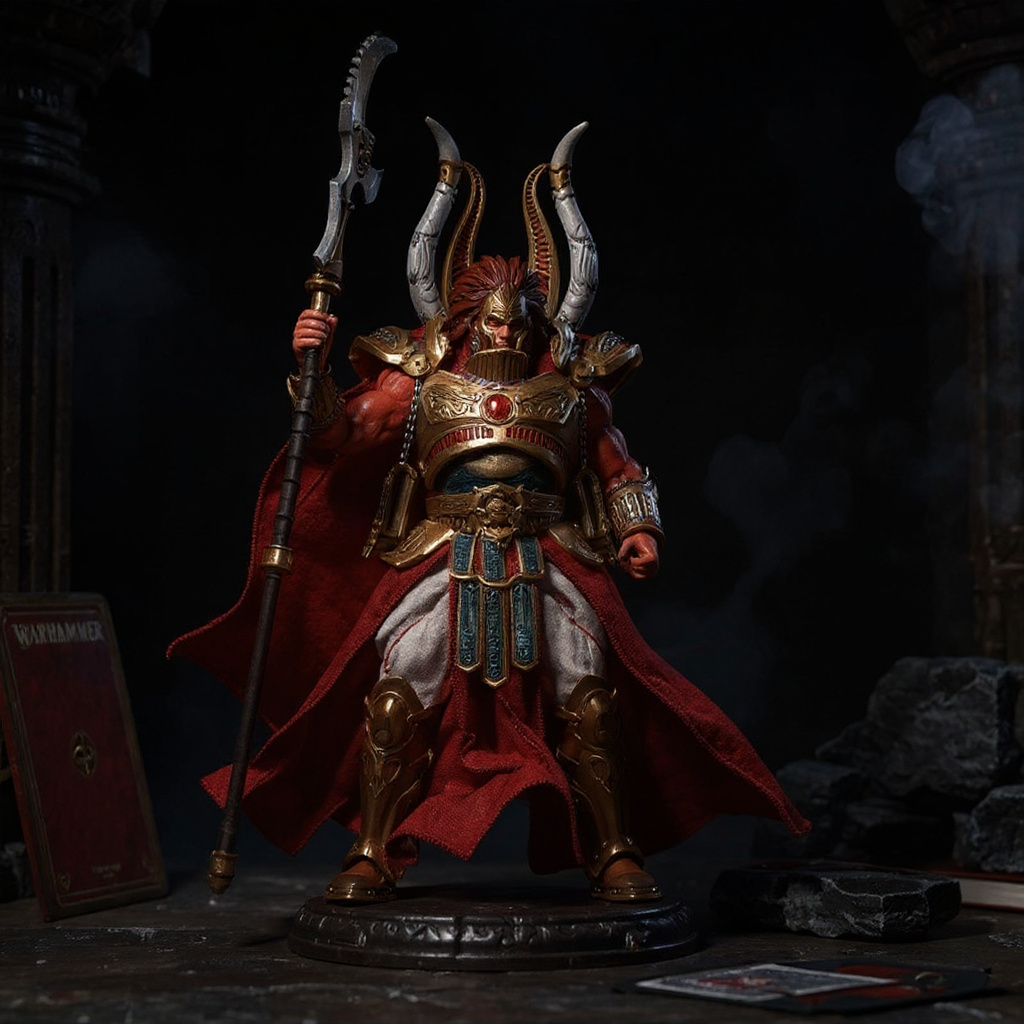
The Scale Problem Most People Miss
Proportions get strange at 1/18. What reads right on a 6-inch figure looks bulky, or shrunken, on a 4-inch body — there's no in-between fix once the fabric is cut. That's the scale challenge unique to a posable cape for 1/18 action figure setup.
Length matters more than most buyers expect. Too long, and the cape dominates every photo. Too short, and the figure looks dressed for a dinner-napkin costume party. Mid-thigh to knee is the working range for most character builds, though a tall, broad-shouldered figure can carry a longer drop.
Width follows the same logic. A cape cut for a bulky armored torso will swallow a slender figure whole. Check a seller's fit photos against your own figure's shoulder width before you order — measure across the shoulder seams in millimeters if the listing doesn't give you a number.
Comparison Table: Basic vs Quality vs Premium Posable Capes for 1/18 Action Figures
| Feature | Basic Cape ($15-30) | Quality Cape ($60-80) | Premium Cape ($100+) |
|---|---|---|---|
| Wire placement | Hem only | Edges + 2-3 interior points | Full frame structure |
| Fabric | Thin cotton, ~60 GSM | Medium-weight blend, ~120 GSM | Heavy-duty woven, 150+ GSM |
| Attachment | Simple loop | Adjustable collar | Custom-fit collar system |
| Pose hold time | Under 5 minutes before sag | 20-30 minutes per pose | Hours, tested overnight |
| Typical lifespan | 6 months | 2-3 years | 5+ years |
| Price per year of use | $30-60/yr | $20-40/yr | $20-25/yr |
The $60-80 tier is where wire-frame construction shows up without premium material costs stacked on top. You get real pose retention and durability that survives regular handling, not showroom handling.
Budget capes often skip wire completely, or use wire so thin it snaps after two dozen bends. Premium options add magnetic collar attachments or custom dye lots, but the price jump past $100 buys convenience more than function.
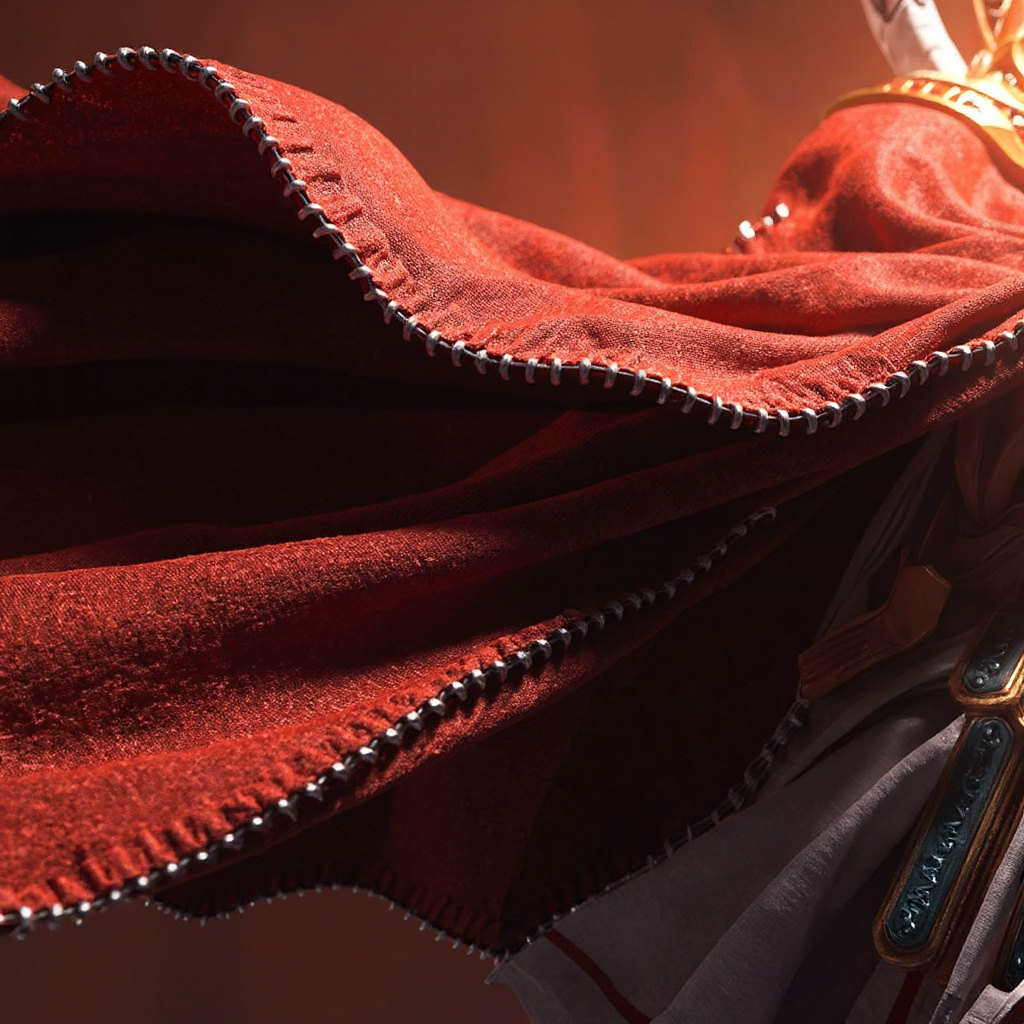
Testing Cape Quality Before You Commit
Before you buy a posable cape for 1/18 action figure, run these five checks — a well-built $80 cape should pass every one of them.
1. The Drape Test: Hold the cape by its attachment point. Fabric should fall in folds, not stick out at odd angles. 2. The Bend Test: Flex the wire edges by hand. No crackling sound, no permanent kink after release. 3. The Weight Test: Attach the cape to a sample figure. It should stand without tipping forward or back on a flat surface. 4. The Detail Check: Look at the seams and wire anchor points up close. Handmade pieces show minor irregularity — expected, sometimes preferred over machine-perfect stitching. 5. The Pose Test: Bend the cape into two or three poses. A well-built piece holds each one for 20 minutes minimum without sagging back to flat.
For online orders, study every photo in the listing. A single static shot tells you nothing about pose retention. Look for multiple angles that show the cape bent mid-pose, not laid flat on a table.
Check the return policy before you pay. Some makers of custom, made-to-order capes won't take returns at all — know that going in.
Collectors on r/ActionFigures post honest before-and-after photos of cape fit and wear, worth a scroll before ordering from an unfamiliar maker.
Character-Specific Requirements for a Posable 1/18 Cape
Generic capes cover basic display needs, but character accuracy asks for more.
Warhammer figures need weathered texture and battle-accurate color. A pristine white cape reads wrong on a Space Marine who's supposedly survived three campaigns. Military figures call for different cut and color than fantasy characters. Most superhero capes need a longer, more dramatic sweep for action poses; historical figures often need period-correct weave and dye.
Magnus the Red calls for a specific look: rich crimson-red cloth with a flowing, almost mystical drape, not flat fire-truck red. Cross-reference official art on Games Workshop's Magnus the Red page before ordering — the tone matters more than most buyers assume, and a lot of generic red fabric skews orange under warm display lighting. The Warhammer 40k community will notice the difference in a photo within seconds.
Not every character needs a pristine cape, either. A tattered, singed hem works for a berserker or a survivor character. A clean edge works for

