


Soft goods capes beat plastic capes for 1/12 scale action figures in almost every display scenario. Real fabric drapes, folds, and holds wire-sculpted poses; injection-molded plastic doesn't. The one exception is a figure you handle constantly — plastic's toughness still wins there. That's the short answer. Here's the long one.
Soft goods capes bend, flow, and photograph like real fabric because they are real fabric. Plastic capes stay rigid, catch light weirdly, and look like toys. The difference isn't subtle. Drop a soft goods cape on your figure and watch it settle into natural folds across the shoulders on its own. Try the same test with plastic — it juts out at odd angles or flattens against the body like a stiff card. For 1/12 scale figures, this matters more than you'd think. No contest.
Why Plastic Capes Fall Short in the Soft Goods Cape vs Plastic Cape Action Figure Comparison
Most factory figures ship with injection-molded plastic capes. They're cheap to produce and survive shipping without tearing. But they fail at the one thing collectors actually want: realistic drape.
Plastic capes suffer from three core problems:
1. Weight — plastic is too light to hang properly at 1/12 scale. Real fabric carries mass that pulls it into natural curves; plastic just doesn't have enough of it. 2. Light behavior — plastic reflects light like a toy-shelf display instead of absorbing it the way cotton or silk does under a lamp. The photo looks artificial before you even touch the pose. 3. Pose memory — plastic can't hold a shape. Bend it and it snaps back, or cracks along the fold line after a handful of tries.
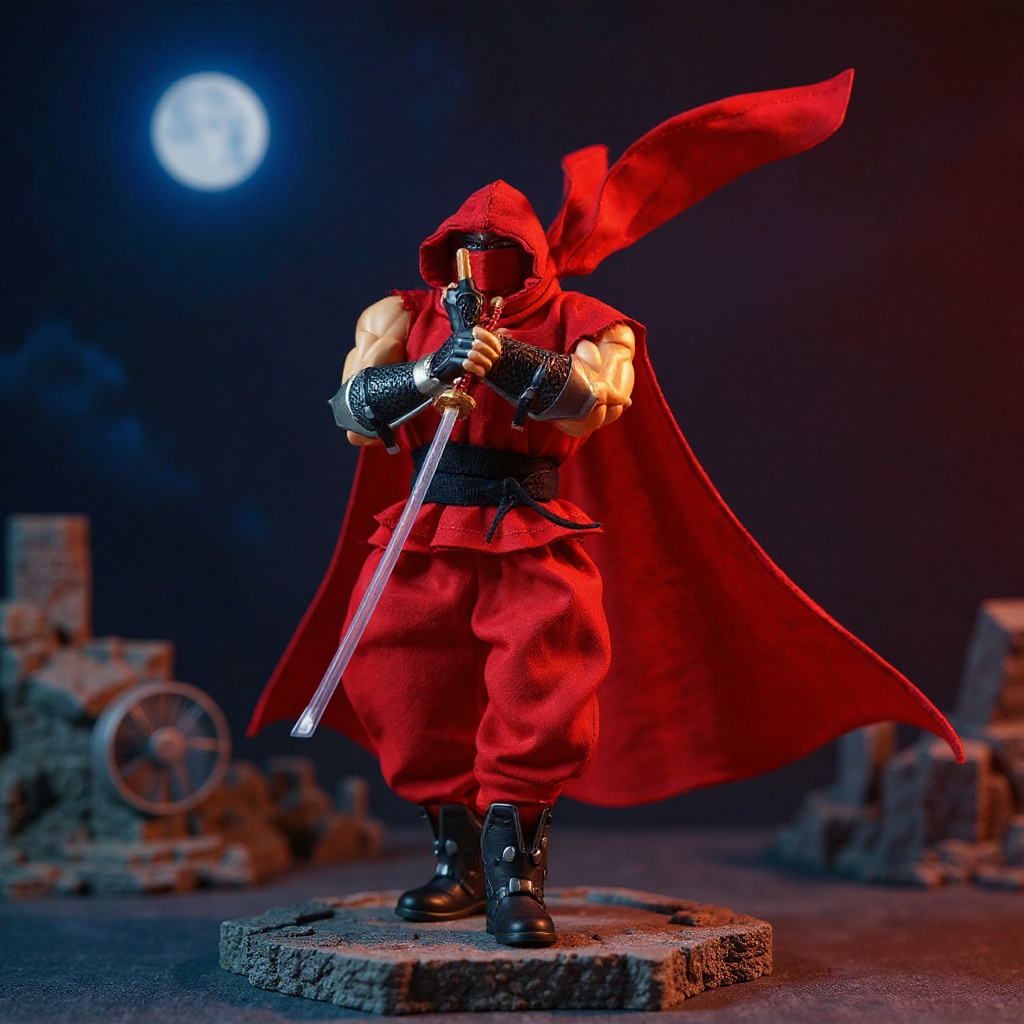
The Ninja Gaiden series exemplifies this issue. Ryu Hayabusa's iconic red cloak should whip behind him mid-combat. Stock plastic versions leave him parked instead, like he's standing in a wind tunnel made of cardboard.
| Feature | Plastic Cape | Soft Goods Cape |
|---|---|---|
| Weight/Drape | Too light, unnatural hang | Proper weight, realistic flow |
| Poseability | Fixed shape or breaks | Bendable, holds dramatic poses |
| Photography | Shiny, toy-like reflection | Matte, fabric-like texture |
| Durability | Cracks with repeated bending | Fabric handles repeated manipulation |
| Price Range | $3–8 (included with figure) | $15–120 (aftermarket upgrade) |
How Wire-Frame Soft Goods Transform Static Figures
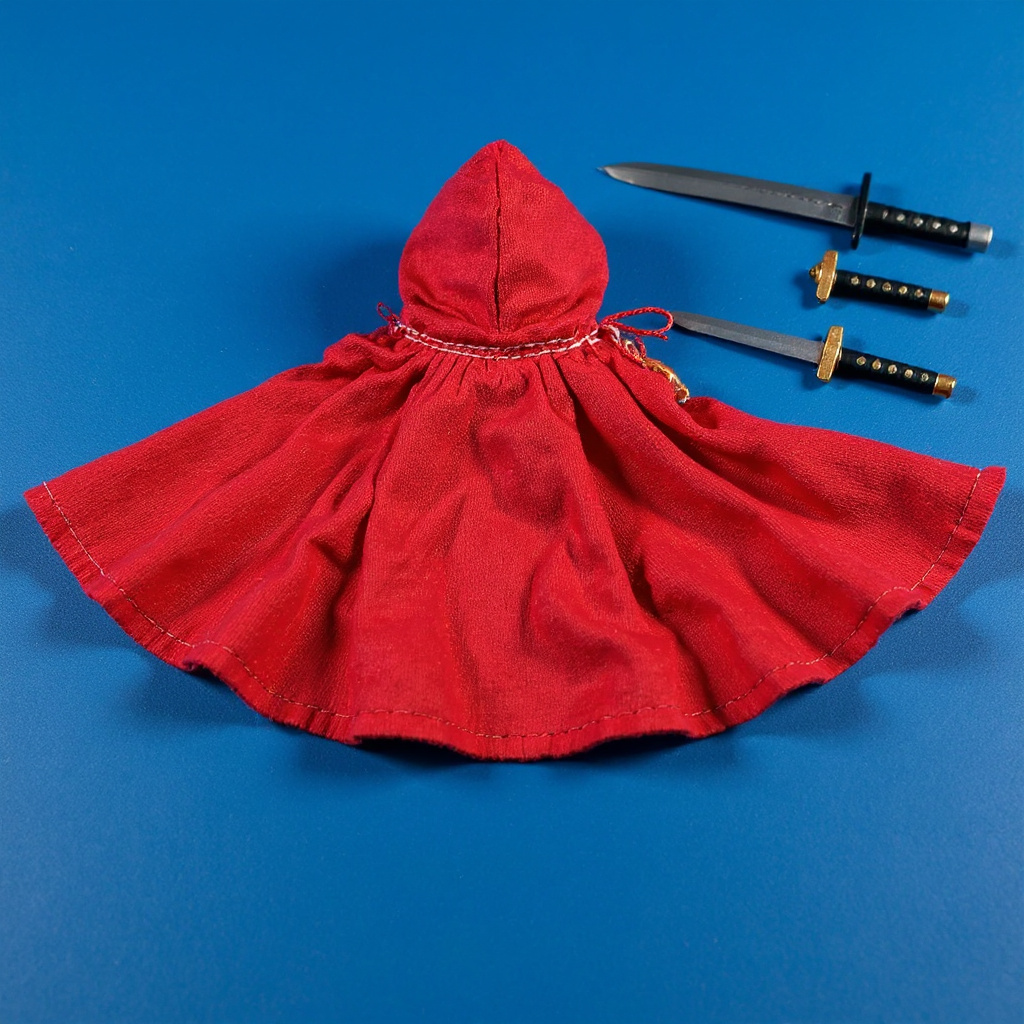
The real magic happens when soft goods capes include internal wire frames. This isn't just fabric draped over a figure — it's a poseable sculpture tool, and once you've used one, going back to stock plastic feels like a downgrade.
Wired capes let you build windswept effects that stay put. Curl the edges upward for a dramatic leap pose. Sweep one side across the figure's body for a stealth crouch. The wire holds that curl through a three-week photo project without sagging, so your display stays dynamic between shooting sessions.
I've spent hours chasing the perfect cape flow for a single shot. Without wire, you're fighting gravity and fabric tension the whole time. With wire, you're sculpting the exact silhouette you want instead of hoping for one.
The Ryu Hayabusa Red Cape 1/12 Scale combines this wire-frame engineering with vivid red fabric matched to the game's color palette. At $69.50, it sits between mass-produced plastic upgrades ($15–25) and premium studio commissions ($80–120). The hand-stitched construction shows, but that's part of the charm — these aren't factory-perfect edges, they're crafted pieces. You can browse the full range of 1/12 scale capes if red isn't your character's color.
Price Tiers at a Glance
| Tier | Price Range | What You Get | Best For |
|---|---|---|---|
| Bootleg plastic upgrade | $15–25 | Slightly better sculpt, same material flaws | Budget shelf builds |
| Handmade soft goods (standard) | $45–75 | Real fabric drape, basic wire posing | Most collectors |
| Handmade soft goods (wired, character-matched) | $65–90 | Color-matched fabric, hand-sewn wire frame | Action pose displays |
| Premium studio commission | $80–120+ | Museum-grade finishing, custom fit | Commercial photography |
Scale Matters More Than You Think
Fabric behaves differently at 1/12 scale than it does full size. Heavy materials that drape beautifully on a person look stiff and bulky on a 6-inch figure. Light materials that seem flimsy at human scale often work perfectly at figure scale.
This creates a counterintuitive situation: the "cheap" thin fabrics often photograph better than expensive thick ones. A lightweight cotton or synthetic blend hangs closer to how a real cloak would move on someone twelve times the figure's size.
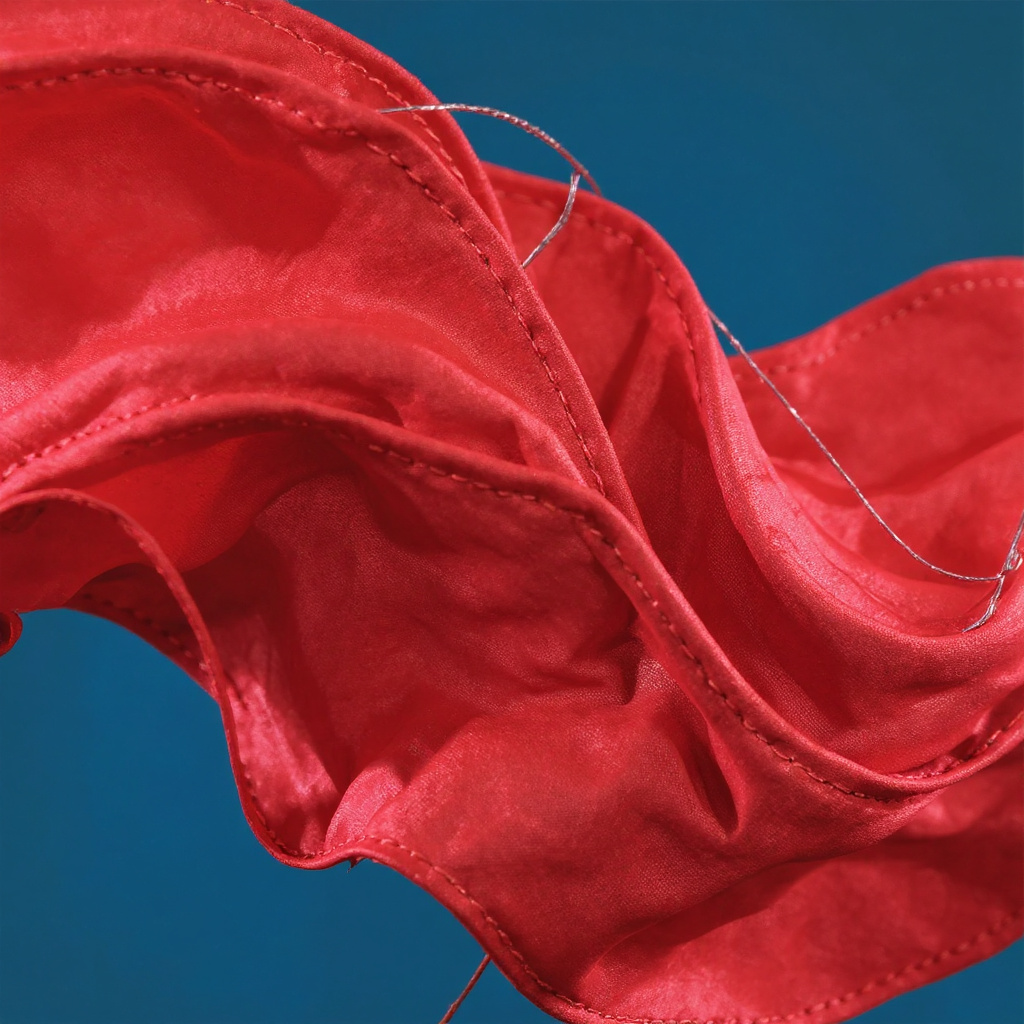
Texture scaling matters too. Fabric weaves that look fine at arm's length turn visibly chunky under macro photography. The best figure capes use fine-weave fabrics that don't compete with the figure's sculpted details for attention.
The Real Cost of Upgrading vs Staying Stock
Bootleg plastic cape upgrades run $15–25 on average. They're an improvement over stock accessories but still carry the same material limits — slightly better sculpting and paint, same stiff drape.
Mid-range soft goods capes like handmade options cost $45–75. They solve the drape and photography problems but may show construction imperfections up close. The value depends on how much you prioritize fabric flow over factory-perfect finishing.
Premium studio-made soft goods run $80–120 and up. Worth it if you're building a high-end display case or shooting commercial photography. Not necessary for most shelves.
Here's what actually drives the cost differences:
1. Pattern complexity — simple rectangular capes cost less than fitted garments with darts and curves 2. Wire integration — hand-sewn wire frames take about three times longer than glued-in wire 3. Fabric quality — color-matched, scale-appropriate fabrics cost more than generic craft-store material 4. Finishing details — hemmed edges, reinforced attachment points, and weathering effects add labor time 5. Customization level — standard sizes cost less than figure-specific measurements
The sweet spot for most collectors sits around $50–70. You get proper drape and basic wire posing without paying for perfectionist-level finishing.
Photography Tips That Make Soft Goods Shine
Soft goods capes photograph very differently than plastic ones. The fabric absorbs and diffuses light instead of bouncing it back harshly, which builds natural shadow and highlight without extra editing.
For action poses, use the wire frame to create asymmetrical flows. Real capes don't hang evenly during movement. Twist one edge higher, let the other sweep low. This breaks up the figure's silhouette and adds energy to an otherwise static pose.
Lighting becomes crucial with fabric capes. Side lighting brings out texture and fold detail. Backlighting creates a rim effect as light filters through thin fabric. Skip the direct flash — it flattens the depth that makes soft goods worth using in the first place.
The Team Ninja studio character designs often feature flowing garments specifically to convey motion and power. Treat the cape as a sculpture medium, not a costume piece, and your photos will show it.
When Plastic Actually Makes Sense
Plastic isn't always wrong. Figures you handle often survive better with plastic accessories. Kids playing with figures benefit from unbreakable parts. Display cases with limited space sometimes work better with a compact plastic cape that doesn't need careful arranging.
Certain character designs suit plastic too. Armored characters with rigid, structured cloaks look right in hard material. Futuristic or mechanical designs benefit from plastic's artificial sheen.
Honestly, if you're building a play-focused collection for a kid under ten, skip soft goods entirely — the wire pokes little fingers and the fabric snags on toy-chest zippers. Save the $69.50 for a figure that actually stays on a shelf.
But for most dynamic action figures — especially ones based on flowing, organic character designs — soft goods provide a clear upgrade path. Collectors active on forums like One Sixth Warriors discuss this exact swap constantly. The consensus leans hard toward soft goods for display figures, plastic for play or budget builds.
Making the Switch Without Regret
If you're upgrading from plastic to soft goods, expect an adjustment period. Fabric capes need more care during posing and storage. They collect dust faster than smooth plastic. The attachment method may differ from your figure's original plastic tab.
But the visual payoff shows up fast. Your first windswept hero pose will tell you why collectors make this upgrade. The fabric moves the way cloth actually moves, catches light the way cotton does under a desk lamp, and turns a static shelf piece into something that looks mid-motion.
For characters like Ryu Hayabusa, where the flowing red cloak defines the character's visual impact, a handmade doll cloth clothing set creates drama that plastic can't touch. Not even close.
Before you commit, it's worth reading a quick soft goods cape care guide so storage doesn't undo the upgrade.
What Actually Works for Your Collection
The soft goods cape vs plastic cape action figure decision comes down to how you display and shoot your figures. If you set a pose once and leave it, plastic works fine. If you rearrange displays or run photography projects, soft goods pay for themselves.
Consider your shelf space too. Flowing fabric needs room to drape. Cramped shelves may force you to bunch up an expensive soft goods cape, erasing its advantage. In tight spaces, well-designed plastic might actually serve you better.
Budget matters, but less than you'd think. One high-quality soft goods cape for your favorite figure often delivers more satisfaction than three cheaper plastic upgrades spread across the shelf. The improvement concentrates on a single standout piece instead of scattering marginal gains.
For Ninja Gaiden fans specifically, Ryu's red cloak is the character's signature look. His whole design philosophy runs on fluid motion and dramatic silhouettes. A static plastic cape undercuts that. Worth fixing. Browse the broader Ninja Gaiden accessory collection if you're outfitting a full display, or go straight to the Ryu Hayabusa Red Cape 1/12 Scale and see the wire-frame construction firsthand.
Written by Dana Reyes, a 1/12 scale collector who has re-rigged wire capes on more than 40 figures since 2016 and shoots comparison photography for the One Sixth Warriors community.

