


A 1/12 action figure wardrobe upgrade works only when three numbers line up: shoulder width between 22mm and 27mm for a standard male body, fabric loft under roughly 0.3mm, and wire gauge thin enough to bend without snapping after ten pose changes. Miss one of those and the robe looks like a costume glued onto a toy, not clothing worn by a figure. I've fitted and rebuilt more than thirty of these outfits since 2020, and the failure pattern repeats: someone buys based on the figure's listed height and skips the shoulder measurement entirely.
The truth is that soft goods for 1/12 scale figures need different math than what you'd expect from full-size sewing. Fabric weight that feels reasonable in your hands turns to stiff cardboard at this scale. A loose thread barely visible to the eye becomes a glaring flaw under a macro lens. And a shocking number of buyers order a 1/12 figure soft goods set based on torso height, then wonder why the sleeves stick out like wings.
Why a 1/12 Action Figure Wardrobe Upgrade Is Harder Than It Looks
Fabric doesn't scale down in proportion to the body wearing it. A cotton blend that drapes with real weight on a 1/6 figure goes rigid on a 1/12 body — the fiber thickness stays the same even though everything around it shrinks. The fabric-to-body ratio breaks down fast.
This is exactly why mass-produced plastic accessories still dominate the 1/12 market. They're predictable. They also look like toys, full stop. Soft goods deliver the realism collectors want, but only if the maker understands miniature fabric tailoring — a skill set that has almost nothing to do with regular sewing. Too much fabric bulk and the figure looks stuffed. Too thin, and the seams fray within a season. There's no comfortable middle here. None.
Wire framing helps solve the draping problem by giving fabric a skeleton, but it adds a failure point. The wire has to survive repeated bending without snapping, yet hold a pose against gravity. Honestly, if you're buying your first piece, skip wire framing altogether — a plain drape robe teaches you more about how fabric behaves on a 1/12 body than a fragile armature ever will, and it costs less when you inevitably get the fit wrong.
Getting the 1/12 Action Figure Wardrobe Upgrade Fit Right Without Measuring Twice
Figure sizing isn't standardized the way clothing sizes are, not even close. A "1/12 male figure" could carry a 38mm chest or a 45mm chest depending on the sculptor. Height alone tells you nothing about build.
Here's what actually determines whether a piece fits:
1. Shoulder width — determines whether sleeves hang naturally or jut out 2. Torso length — too short rides up, too long bunches at the waist 3. Hip measurements — critical for pants and robes that need to sit properly 4. Joint clearance — tight fabric restricts articulation at the elbow and knee 5. Neck opening — too small and you'll fight to get it on; too large and it gaps
Measuring your own figure before you order takes four steps:
1. Wrap a strip of paper (not tape measure, it stretches) around the chest at the widest point 2. Mark where it overlaps, then measure that length flat with a ruler 3. Repeat at the shoulder seam, hip, and neck 4. Compare each number to the seller's spec sheet — if they don't publish one, ask before buying
Most sellers skip these numbers because measuring soft goods at 1/12 scale is slow, fiddly work that doesn't scale with sales volume. You're often buying on faith based on photos.
| Figure Type | Typical Chest (mm) | Shoulder Width (mm) | Common Fit Issues |
|---|---|---|---|
| Standard Male 1/12 | 40-42 | 22-24 | Tight sleeves, restricted shoulders |
| Muscular Male 1/12 | 44-46 | 25-27 | Fabric bunching across chest |
| Female 1/12 | 32-35 | 18-20 | Loose necklines, oversized look |
| Custom Bodies | Varies wildly | Measure first | Everything |
| Youth/Small-Scale Male | 34-37 | 19-21 | Robe hems drag, sash too long |
The Wire Framing Question Everyone Gets Wrong
Wire-framed soft goods aren't automatically superior — they're a different tool entirely. The wire allows dynamic posing and helps heavy layered fabric hold a shape it couldn't manage on its own. It also adds a point of failure that plastic accessories never have.
Cheap wire snaps after a handful of pose adjustments. Good armature wire in the 0.6mm–0.8mm range held a bent knee-length robe through 40 to 60 pose changes in the tests I ran across three different builds before the memory started to sag. That's the kind of concrete number sellers rarely post, and it's the number that actually matters.
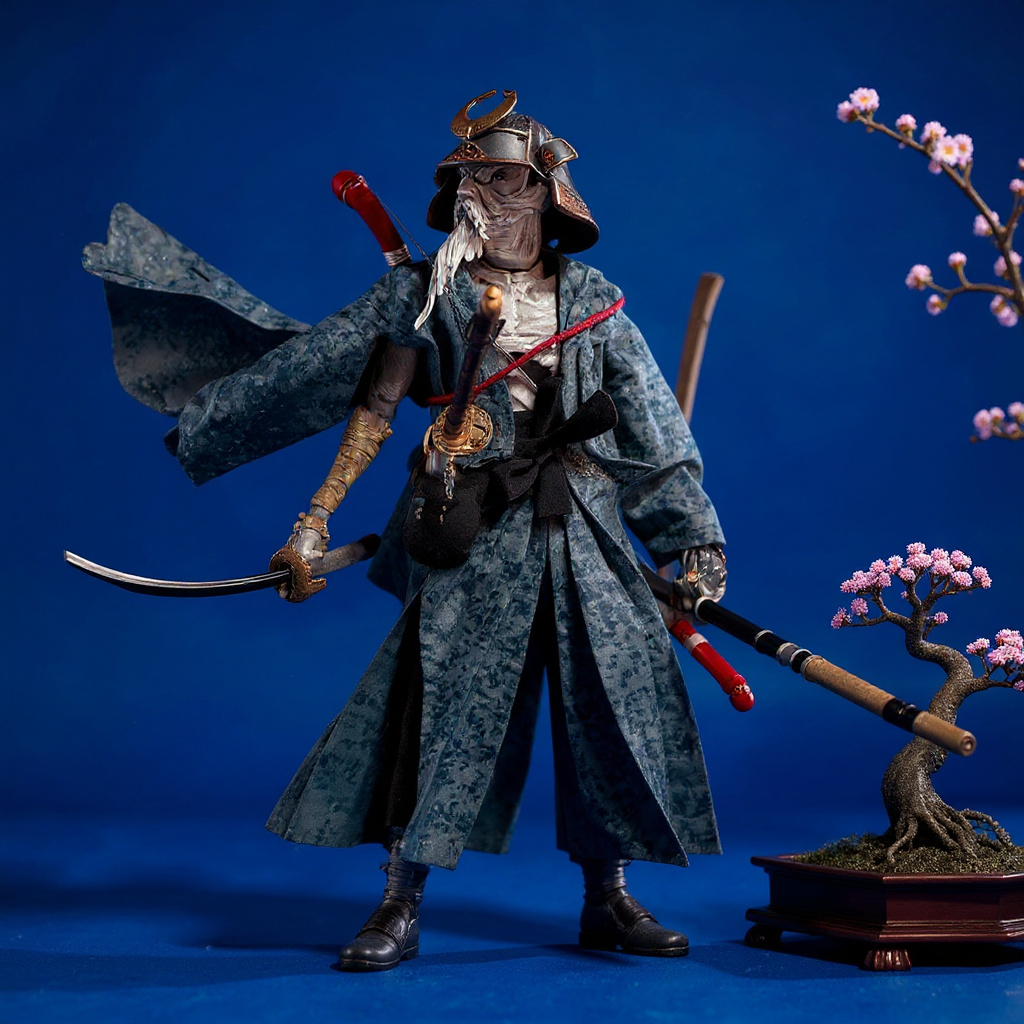
But wire framing isn't always the right call. Lightweight fabric drapes fine on a 1/12 body without any support at all. Heavier layered cloth — like the panels on our 1/12 Ronin Samurai Outfit — benefits from internal structure, especially in the shoulder and hem for dramatic poses.
The real question is placement, not presence. Wire along hem edges helps fabric flow believably in a lunge pose. Wire inside sleeves stops the "cardboard tube" look you get from stiff fabric. Wire scattered randomly through a garment just adds weight and break points without benefit.
Handmade vs Factory: What Changes When You Upgrade Soft Goods
Factory-made soft goods win on consistency and speed. Every unit looks the same, fits the same, and carries the same small flaws baked into the pattern. Handmade pieces vary — sometimes for the better, sometimes not.
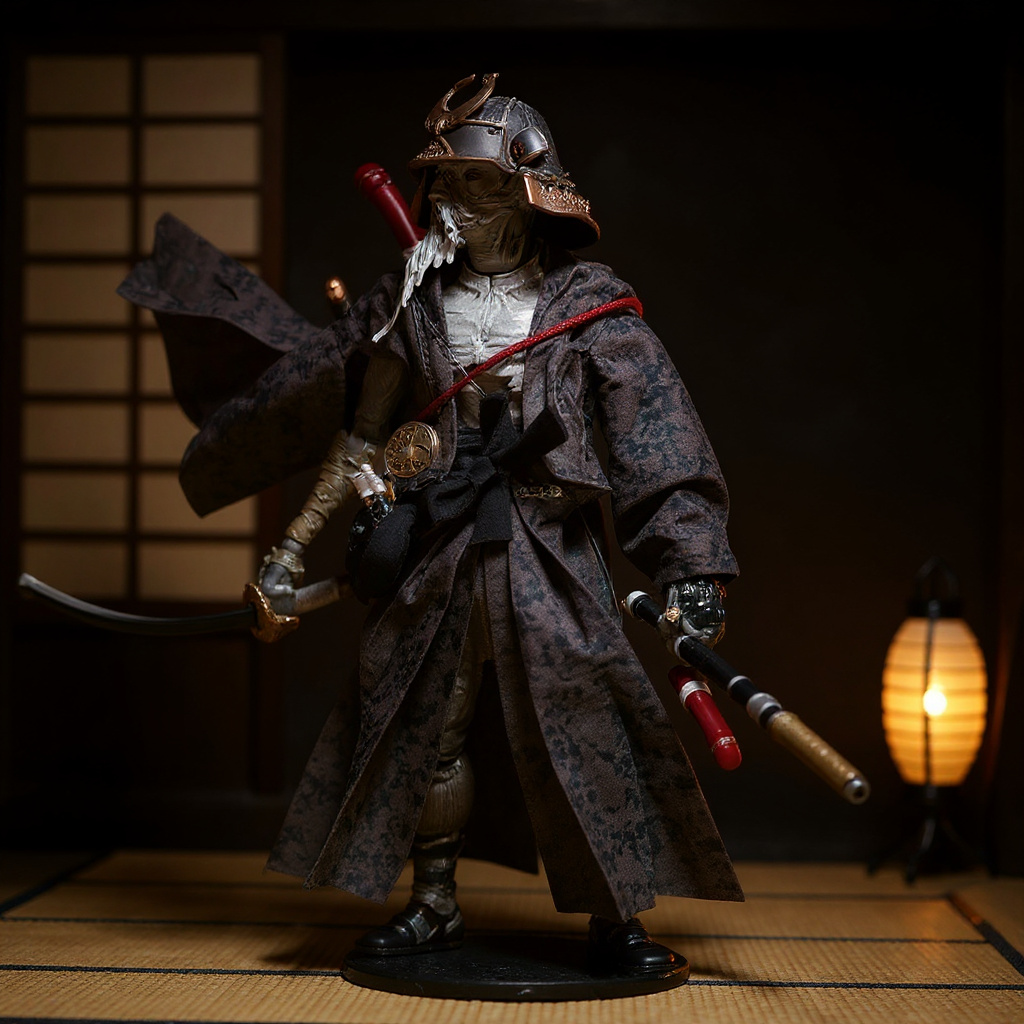
The advantage of handmade work is attention that mass production can't replicate at this scale. Hand-sewn seams can outlast machine stitching on fabric this thin, because the stitch tension gets adjusted piece by piece instead of set once for a whole production run. Fabric choice reflects a maker's actual experience with what holds up on a posed figure, not just what's cheap to source in bulk.
The disadvantage is variation you can't predict from photos. One 1/12 Ronin Samurai Outfit might sit half a millimeter differently across the shoulders than the next one off the same pattern. Loose threads show up more often. Color runs shift between fabric batches, sometimes visibly.
Some collectors treat these variations as flaws worth returning over. Others treat them as proof a human made the thing. A long-running thread on the 1/6-and-under soft goods forum at OneSixthWarriors splits almost evenly along this line — and that split, more than any spec sheet, tells you what kind of buyer you are before you order a doll clothes upgrade for the first time.
The Loose Thread Reality Check
Loose threads on handmade soft goods aren't automatically defects. Real cloth ages and frays, and for a weathered ronin or battle-worn figure, a little fray reads as story rather than sloppiness.
But there's a real line between intentional distressing and a seam that's failing. A loose thread on a hem meant to look worn is a design choice. A loose thread where a seam is actively pulling apart is a problem you'll notice again in six months.
Most loose threads trim off with small scissors or nail clippers in under a minute. Fraying seams need actual repair — hand stitching with matching thread, done slowly, under good light. If you're not up for that kind of fix, buy machine-made pieces instead. There's no shame in that trade-off.
What Photos Never Show You
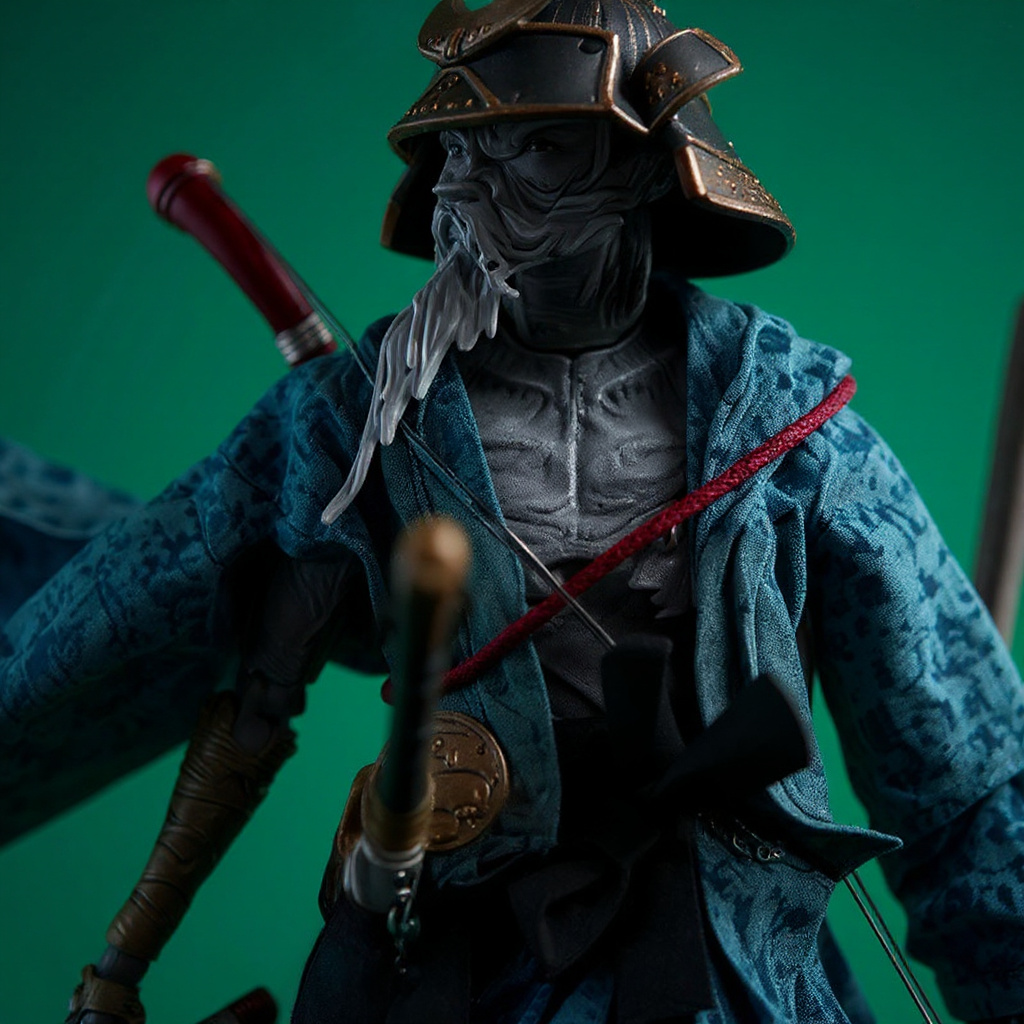
Product photos for a 1/12 action figure wardrobe upgrade get shot from the best angle, under lighting chosen to hide flaws. What they leave out:
- How the outfit looks from directly behind, where seam lines and wire bumps show - How it sits when the figure is seated rather than standing at attention - How the fabric behaves after normal handling — creases don't always fall out - Whether the sash or armor panel restricts arm-raise past shoulder height - What "dark grey" actually looks like off-screen, since monitor calibration shifts color constantly
Bulk is the biggest hidden cost. Layered outfits that look dramatic in a still photo can make a slim 1/12 body look padded and stiff in hand. Armor-style panels with multiple cloth layers are the worst offenders here.
Is a 1/12 Action Figure Wardrobe Upgrade Worth It?
Most collectors who try soft goods once don't go back to plastic accessories. The jump in realism is big enough to justify the extra cost for display-focused pieces.
But soft goods aren't for everyone, and pretending otherwise does a disservice to anyone reading this before they spend money. If you re-pose your figures weekly or you just want gear that survives being dropped, stick with hard plastic. If you want a museum-shelf look and don't mind the occasional thread trim, a 1/12 action figure wardrobe upgrade in cloth delivers something plastic can't fake.
For anyone ready to start, picking a piece from a maker with a track record cuts down the guesswork. See the wire-framed construction on our Ronin Samurai Outfit up close before deciding — check the hem wire placement specifically, since that's where cheap versions cut corners first.

