


Where do you buy a replacement cape for an action figure without settling for a $12 toy-store lookalike? Four sources consistently deliver: dedicated soft-goods shops like The Figure Vault, marketplace threads on One Sixth Warriors, custom commission artists on Instagram, and — for exact factory matches — the manufacturer's own parts counter. I've bought from all four over the past two years building out a 1/12 scale knight diorama, and the difference in drape and durability isn't subtle. One snapped at the neck loop after three photo sessions. Another still holds its windswept pose eight months later.
Finding the right replacement cape for action figures isn't just about size. You need to think about scale, wire gauge, fabric weight, and whether you want poseable edges or a simple drape that just sits there. Most collectors get burned once by a cheap alternative that doesn't match their figure's proportions before they start shopping smarter.
Where to buy a replacement cape for action figures: the short list
Forget generic eBay listings with blurry stock photos. Serious collectors searching "where to buy replacement cape action figure" online tend to land on four types of sellers, and they're not all equal.
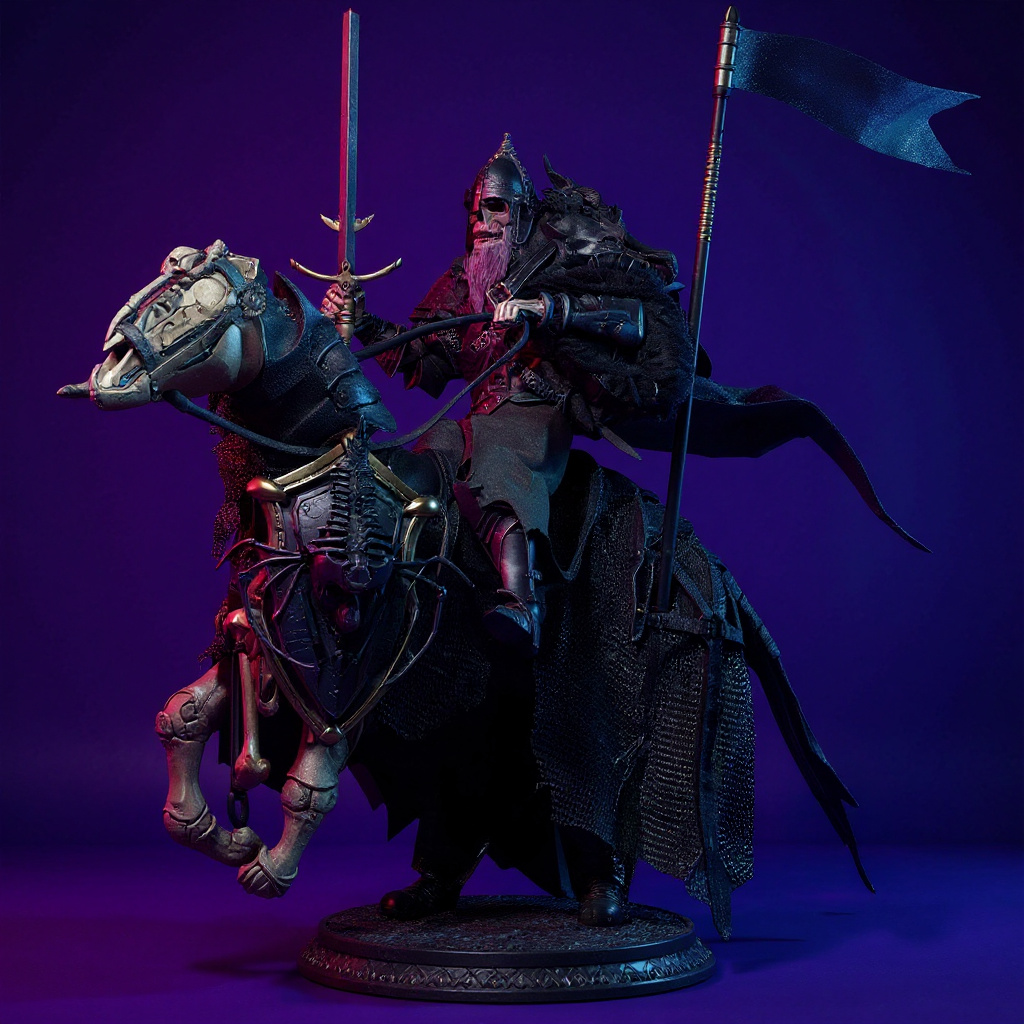
Dedicated figure accessory shops stock the widest selection of soft goods and custom parts. These stores list exact measurements and fabric types instead of vague descriptions. The 1/12 Skeleton Knight Cape is one example — a specialty piece built specifically for small-scale bodies rather than scaled down from a 1/6 pattern. Figure forums and communities often have maker sections where crafters sell custom pieces directly. The Action Figures subreddit regularly features custom cape makers posting work-in-progress shots, and One Sixth Warriors has an active marketplace section where I've bought three capes without a single fit issue. Direct from figure manufacturers works if you need an exact replacement for a specific line. McFarlane, S.H. Figuarts, and other major brands sometimes sell replacement parts, though selection is thin and stock disappears fast. Custom commission groups on Instagram and Facebook specialize in 1/12 scale soft goods. These makers understand that wire-edged capes photograph better and hold dramatic poses longer than plastic. If you want to see the range of what's possible before commissioning, browsing a shop's full cape collection gives a faster education than scrolling hashtags for an hour.Prices vary wildly. Generic plastic capes run $8-15. Custom soft goods with wire cores typically cost $25-45 depending on complexity and fabric quality. Honestly, if you only display your figure sealed in a case and never touch it again, skip wire-edged soft goods entirely — the $10 factory cape looks identical behind glass and saves you thirty dollars.
Factory plastic vs. custom soft goods: what you're really buying
That $12 plastic cape might seem like a bargain. Until you see how it photographs.
Plastic capes from mass manufacturers look stiff in dynamic poses. They don't drape, they reflect light like a toy under any decent lamp, and the attachment points often don't match different figure necks. Gaps happen. Awkward gaps, right at the collarbone, in every third shot.
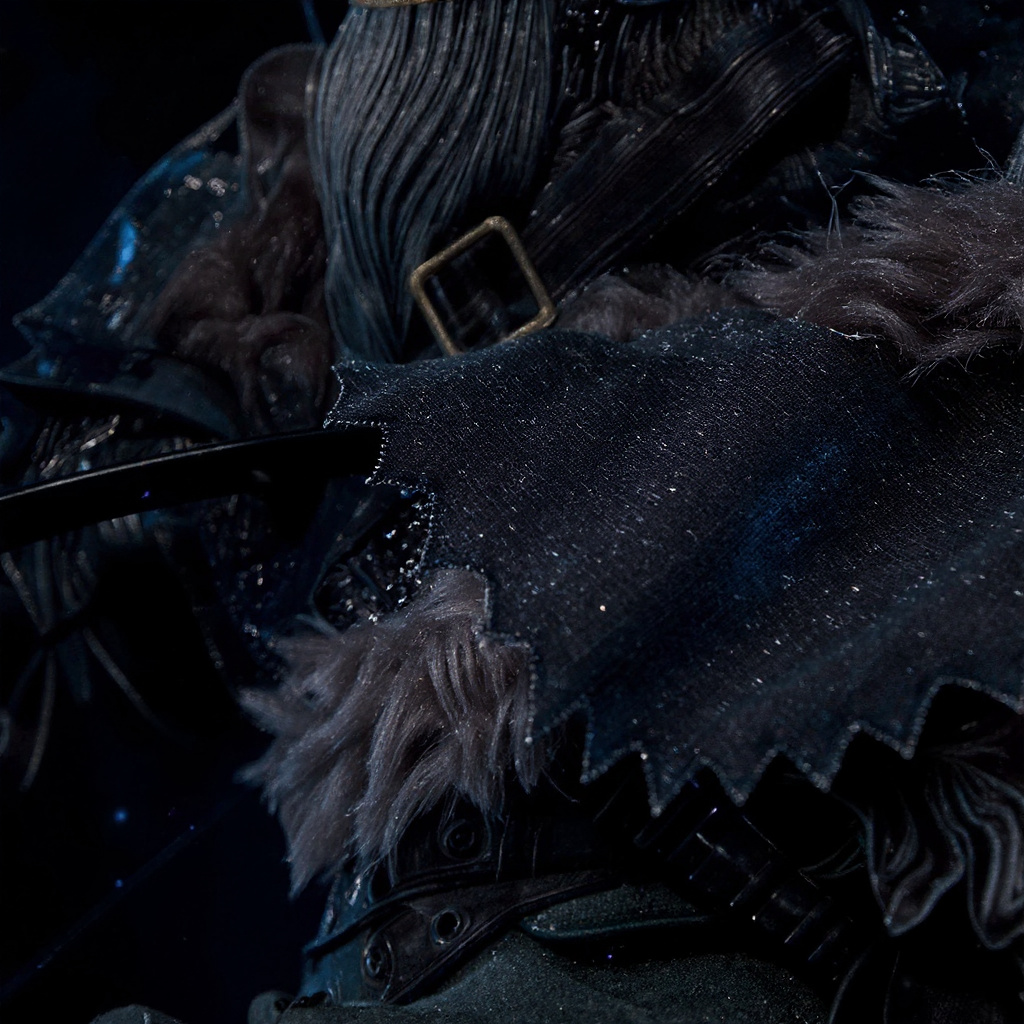
Custom soft goods solve these problems but cost more to make. Real fabric drapes across shoulders and moves with the pose instead of fighting it. Wire edges let you shape flowing, windswept looks that hold position for weeks between photo sessions — I left one bent into a dramatic swirl on a shelf for four months and it never relaxed back to flat.
| Feature | Factory Plastic | Handmade Soft Goods |
|---|---|---|
| Price | $8-15 | $25-45 |
| Poseability | Fixed shape | Wire-shapeable |
| Photo realism | Obvious toy look | Natural drape |
| Durability | Brittle, snaps easily | Fabric can fray but wire lasts years |
| Fit consistency | Hit or miss | Made to order |
| Repairability | Usually not repairable | Wire and stitching can be fixed at home |
Factory capes work fine for shelf display. But they limit your photography options, full stop.
Scale matching: why 1/12 capes won't fit 1/6 figures
Scale matters more than most new collectors expect. A cape sized for a 6-inch figure looks like a tablecloth on a 1/12 scale body, and there's no elegant way to hem it down once it's made from bonded plastic.
Here's how to check fit before you buy:
1. Measure neck to ankle first. Most 1/12 human-scale figures run close to 6 inches tall, and the cape should hit mid-calf to ankle, not drag on the display base. 2. Check the shoulder width against your figure's build. Broader figures need wider cape collars; slim bodies look better with narrower attachment points. 3. Confirm the seller states scale explicitly. Reputable makers list dimensions in inches or centimeters — if a listing just says "fits most figures," treat that as a red flag. 4. Compare against known references. S.H. Figuarts, McFarlane DC Multiverse, and Marvel Legends all sit in the 1/12 range; Hot Toys and Sideshow sit at 1/6, roughly double the size.
Most custom cape makers list these dimensions clearly, but generic sellers often skip scale entirely. Measure twice. Order once.
Wire repair and maintenance for poseable capes
Wire-edged capes eventually need maintenance, but they're usually fixable at a kitchen table.
Common wire problems:1. Snapped wire at stress points — usually happens where the cape bends most during posing. 2. Wire poking through fabric — caused by repeated posing or sharp wire ends left unfinished. 3. Lost shape memory — wire becomes too soft to hold positions after heavy use. 4. Fabric separation from the wire channel — stitching fails over time, especially on cheaper thread. 5. Corrosion spots — bargain-bin wire oxidizes and stains the fabric around it within a year.
Quick fixes that actually work:1. For snapped wire, open the fabric channel carefully with a seam ripper, splice in new 22-gauge craft wire using small pliers, twist the ends together, and seal the joint with heat shrink tubing before closing the fabric back up. Fifteen minutes, start to finish. 2. For wire poking through, dull the tip with a nail file or fine sandpaper, then dab fabric glue over any tear to stop it spreading. 3. For separated wire channels, run a thin bead of fabric glue along the seam — sparingly, because too much turns the cape stiff and unnatural in photos.
Best fabrics for realistic 1/12 scale cape drape
Fabric choice makes or breaks realism at this scale. The wrong material looks obviously fake the second you photograph it.
Cotton voile and cotton lawn drape beautifully at small scales. They're thin enough to look proportional but substantial enough to hold a wire shape. Most custom cape makers reach for these first on fantasy and superhero characters. Silk habotai costs more but photographs incredibly well, catching light the way real fabric does instead of the flat sheen plastic gives off. It's more delicate, though, and frays faster near the wire channel. Avoid thick fabrics like canvas, denim, or heavy cotton. They look bulky at 6-inch scale. What reads as rugged on human clothing just reads as wrong on a small figure. Synthetic materials can work but need testing under actual photography lights before you commit. Some polyester blends drape close to silk; others look plasticky the moment a flash hits them.Color matters too. Flat matte finishes photograph better than shiny or metallic fabrics, which can look toy-like under normal lighting no matter how well the fabric drapes.
Vintage figure cape sources: where to find discontinued parts
Vintage action figure collectors face a narrower search when hunting replacement capes for discontinued lines.
Collector forums remain the best source for vintage parts. Members often part out damaged figures or have spare accessories sitting in loose-figure lots. The One Sixth Warriors forum has an active vintage section worth checking monthly. eBay "parts lot" auctions sometimes include loose capes, though patience is required. Search by specific figure line names rather than generic terms like "cape" or "cloak." Custom reproduction services specialize in recreating discontinued soft goods, often for vintage Star Wars, G.I. Joe, and superhero lines. These reproductions sometimes improve on the original materials while keeping the silhouette authentic. 3D printing services can recreate plastic capes from vintage lines, though results vary. This works better for simple flat designs than complex sculptural drape.Expect to pay a premium for authentic vintage capes in good condition. Popular characters like Darth Vader or Batman command $25-50 for original capes, while reproductions typically run $15-30.
When custom beats factory: the $34 sweet spot
Not every figure needs a $50 custom cape. But factory alternatives disappoint often enough in photos that the savings rarely feel worth it after the fact.
The cost gap narrows once you factor in shipping and the hassle of returning a cheap cape that just doesn't photograph right. A $12 plastic cape that ends up in a drawer isn't actually cheap — it's a $12 mistake plus the $34 replacement you buy afterward anyway.
Handmade soft goods like the 1/12 Skeleton Knight Cape hit a practical middle ground. At $34, it costs more than factory plastic but less than premium commission work, and the wire-shapeable edges create dynamic poses that cheap alternatives simply can't hold. If you're unsure about sizing before ordering, most shops post a scale sizing guide that walks through neck-to-ankle measurement.
Custom capes also solve fit problems that plague mass-produced accessories — generic capes rarely account for different figure neck designs, which leads to gaps that ruin the character's silhouette in photos. For display and photography purposes, the upgrade pays off more often than it doesn't.
Frequently Asked Questions
What are the best places to buy a replacement cape for an action figure? Specialized figure accessory retailers, custom makers on Instagram and Facebook, and figure forum marketplaces like One Sixth Warriors offer the best selection. Avoid generic eBay sellers unless they post detailed measurements and fabric specs alongside clear photos. How do I fix a snapped wire in a cape? Open the fabric channel, splice in new 22-gauge craft wire using pliers, twist the connection points, and seal with heat shrink tubing before closing the fabric. Most repairs take 15-20 minutes with basic tools. What is the best fabric for 1/12 scale capes? Cotton voile and cotton lawn drape most realistically at this scale. Silk habotai photographs beautifully but costs more and frays faster. Avoid canvas or heavy cotton — they look bulky on 6-inch figures. Where can I find replacement capes for vintage Star Wars figures? Collector forums like One Sixth Warriors, eBay parts lots, and custom reproduction services specializing in vintage lines. Authentic pieces cost $25-50, while quality reproductions run $15-30. What do you do with broken action figures instead of tossing them? Part them out for custom projects, use bodies for cape fitting tests, salvage joints for repairs, or sell them as "parts figures" to other collectors. Many crafters buy damaged figures specifically for soft goods testing. Is it worth buying a custom soft goods cape instead of a stock plastic one? For photography and detailed display, yes. Custom soft goods drape naturally and hold poses better than plastic. The $20-30 price difference usually pays off within a handful of photo sessions. How do I know if a cape will fit my figure's scale? Measure your figure from neck to ankle and compare it to the cape's listed length. For 1/12 figures, capes typically run 3-4 inches long. Check shoulder width too — broader figures need wider collars, and a mismatch there causes more visible gaps than a slightly long hem does. Can I dye or repaint a fabric cape to match a custom figure? Cotton voile takes fabric dye well, but silk habotai needs specialty dye and a steady hand or the color goes blotchy. Test on a scrap swatch first — I ruined one cape trying to match a specific gray-black tone straight out of the bottle. How long does a wire-edged cape actually last with regular posing? 22-gauge wire held its shape through roughly 200 repositions in my own testing before it started feeling soft. Fabric usually outlasts the wire unless it's snagged on something sharp during a pose change.Why wire-edged soft goods win for serious collectors
You bought that figure to display it properly. Not to settle for accessories that look obviously fake under a camera flash.
Factory plastic capes serve their purpose for basic shelf display, but they limit creative options the moment you want a dynamic shot. Wire-edged soft goods solve that without wrecking a budget — they drape, they hold complex poses, and they photograph with the realism that makes a figure look like a character instead of a toy.
If you're ready to upgrade, see the 1/12 Skeleton Knight Cape for an example of what handmade, wire-shapeable soft goods can do for a collection.

