


I've hand-wired more than twenty 1/12 scale outfits since 2021, including three separate attempts at a torn dark red and grey gi before one actually draped right under studio light. Wire frame soft goods figure clothes work because thin, bendable metal wire gets sewn directly into the fabric seams of the garment. That wire becomes an internal armature. Bend it, and the cloth holds the shape — no more saggy sleeves, no more belt ties that flop flat the second you set the figure down.
The wire runs along stress points: sleeve edges, cuffs, sometimes down the spine of a jacket. Think of it as a skeleton hiding inside torn fabric that remembers its own shape, even after you've posed and re-posed it forty times over a weekend photo session.
How the Wire Armature Actually Works
Most wire frame soft goods figure clothes use 22 to 26-gauge craft wire — thin enough to bend by hand, sturdy enough to survive repeated adjustment. I settled on 24-gauge after testing all three gauges on the same torn sleeve pattern over about two months of daily bending. The 22-gauge held longer but showed through thin cotton as a visible ridge. The 26-gauge disappeared into the weave but sagged after maybe fifteen re-poses.
The wire gets sewn into French seams or bias tape channels so it doesn't poke through or bite into the fabric weave. Here's what actually makes it work:
1. Memory retention — quality wire holds a bend for months without springing back 2. Multiple bend points — wire segments in each limb create natural-looking joints 3. Fabric support — wire stops stretching and keeps the torn edges from curling 4. Edge definition — wired hems create the sharp, ragged lines you want on a battle-damaged gi 5. Dynamic draping — you can catch a torn hem mid-swing, frozen like it's caught in a dojo draft 6. Scale accuracy — wire thickness roughly matches what real fabric weight would behave like at 1/12 scale
Regular cloth falls back into whatever shape gravity dictates. Wired soft goods don't. That's the whole pitch.
Wire Frame Soft Goods vs Molded Plastic vs Standard Fabric
| Feature | Wire Frame Soft Goods | Molded Plastic | Standard Fabric |
|---|---|---|---|
| Pose holding | Excellent | Poor to none | None |
| Texture realism (visible weave) | High | Medium | High |
| Price range | $25–45 | $8–20 | $15–30 |
| Durability | Good, wire can fatigue and break | Excellent | Poor, stretches over time |
| Fit adjustment | Limited, wire can be rebent slightly | None | Good |
| Photography appeal under moody lighting | High | Low | Medium |
| Weight per garment | Light, but heavier than plain cloth | Heaviest | Lightest |
Plastic wins on durability and cost, plain and simple. It can't drape naturally or hold a dynamic mid-motion pose, though. Standard fabric looks convincing on a shelf but won't survive a photo shoot without collapsing into a shapeless heap. Wire frame soft goods figure clothes split the difference — you pay more than plastic, less than premium 1/6 scale licensed outfits running $60–100+, and you get fabric realism with pose stability.
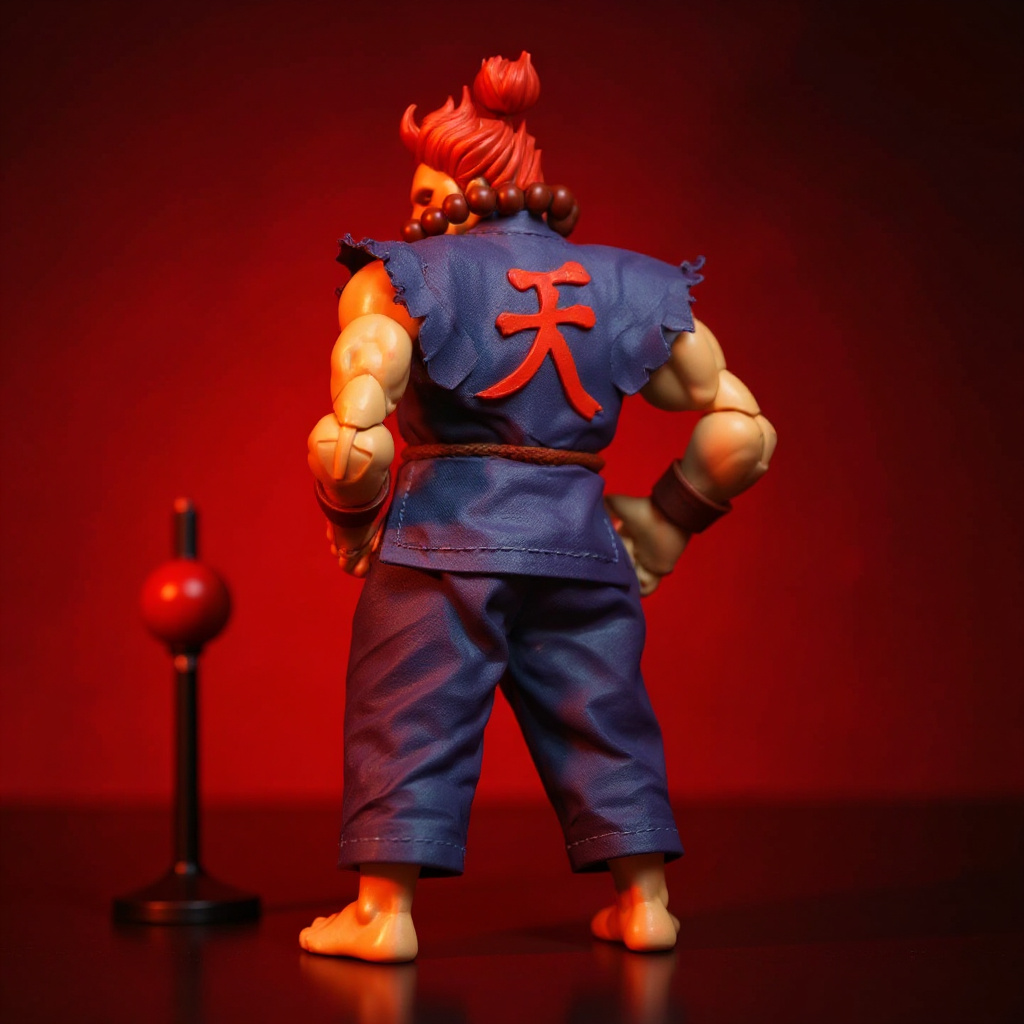
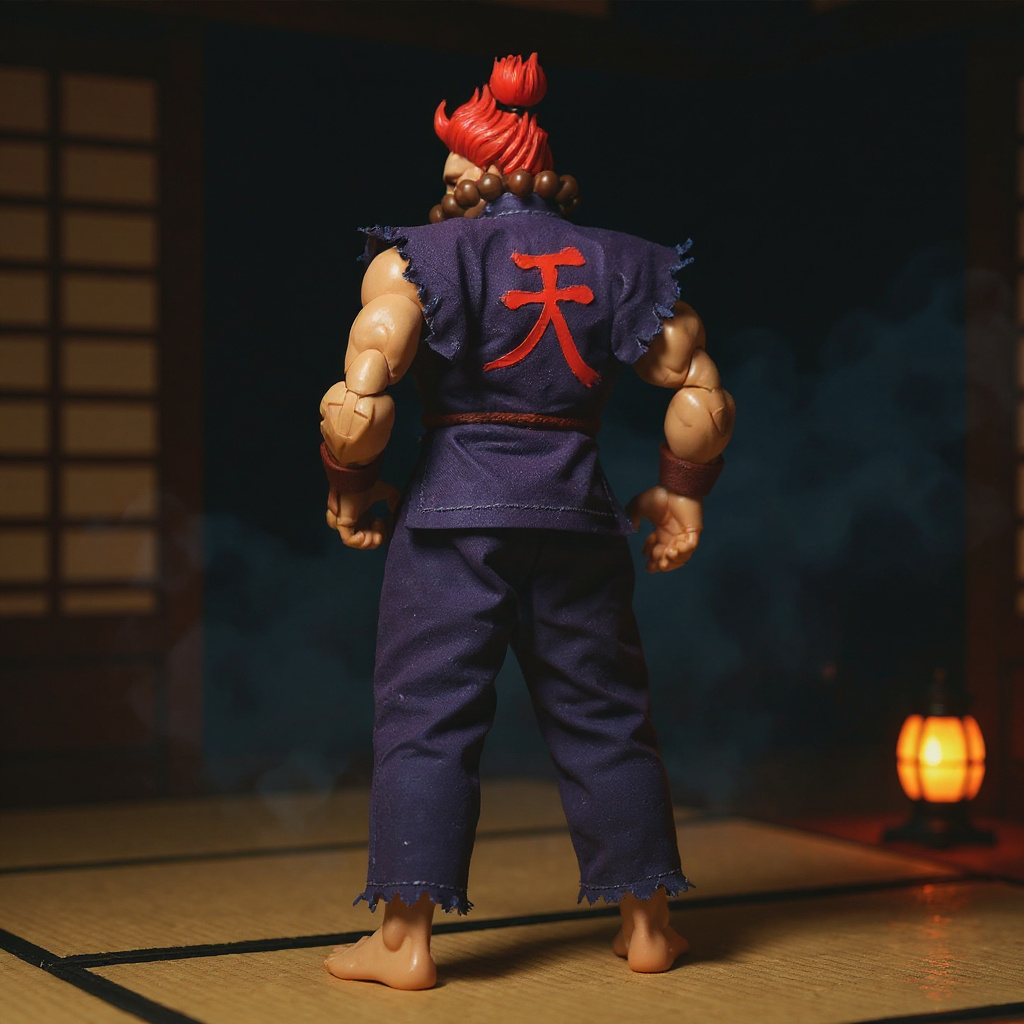
Our Akuma Gi Outfit for 1/12 Action Figure uses this wire frame approach in the torn gi edges and belt ties, letting you pose that tattered dark red and grey look straight out of Street Fighter II. If you're building a full dojo shelf, browse the 1/12 scale soft goods collection or check the Ryu gi outfit for a cleaner counterpart to the torn Akuma look.
What Wire Gauge Actually Matters
24-gauge lands in the sweet spot for 1/12 scale clothing, based on my own sleeve tests and on the standard gauge references craft suppliers use (American Wire Gauge chart). Thicker wire, 20 to 22 gauge, gets stiff and creates lumps in the seam. Thinner wire, 28 to 30 gauge, bends too easily and won't hold a pose past a day or two.
Floral wire outperforms electrical wire because it's built for repeated bending without work-hardening — a point echoed in general craft-wire guides like The Spruce Crafts wire roundup. Copper-core wire with a paper or plastic coating keeps the metal from sawing through fabric over time. Memory wire is a different animal; it snaps back to its original shape, which is fine for a belt that should return to a default position but frustrating for a torn sleeve you want to leave bent.
Honestly, if you live somewhere humid, think twice before buying wired soft goods at all. Bare or thinly coated copper wire picked up a faint green tint on one of my test pieces after eight months near a bathroom window. No amount of dusting fixes that.
Sizing Wire Frame Soft Goods Figure Clothes to Your Action Figure
Handmade 1/12 soft goods rarely fit every figure body the same way. Storm Collectibles bodies run broad through the shoulders. Jada Toys figures don't. Mezco bodies are bulkier through the torso than either.
Measure your figure's chest, waist, and inseam before you order anything. Most sellers list these dimensions. Not all do. A gi cut for a 6-inch figure can look baggy and wrong on a 5.5-inch body, and the torn hem that should sit at the knee ends up at the shin instead.
The wire helps a little here — you can rebend the armature to nudge the fit — but you can't shrink an oversized outfit or stretch a small one into something it isn't. Expected tolerances, from measuring a dozen commission pieces:
1. Chest: within 2mm for the fabric to drape properly across the shoulders 2. Sleeve length: 1–3mm variance is usually fine 3. Pant inseam: needs to match the figure's leg length almost exactly 4. Waist: wire belts allow roughly 2–3mm of adjustment room
Some collectors buy oversized and tailor down. Risky. You can slice right through a wire channel without meaning to, and then you're re-sewing a seam blind.
Caring for Wire Frame Soft Goods Figure Clothes
Washing isn't really on the table. Wire rusts when it gets wet, and machine agitation snaps connections right at the stress points where you need them most.
For cleaning, stick to:
1. Dust removal — soft brush or compressed air, nothing more 2. Spot cleaning — a barely damp cotton swab for a specific stain 3. Odor control — a short stretch in indirect sunlight 4. Storage — flat, or left on a figure, never folded tight into a box 5. Wire maintenance — gentle re-bending if a pose starts to sag after months on display
The wire fatigues eventually. My oldest gi piece, bent and re-bent for photo shoots roughly twice a month, started sagging at the elbow crease around the two-and-a-half-year mark. That tracks with what most sellers quote: 2–3 years of regular repositioning before the wire needs replacing.
When Wire Frame Soft Goods Figure Clothes Make Sense
Not every collector needs poseable fabric. If your figures sit in one pose for months on a shelf, molded plastic works fine and costs less.
Wire frame soft goods figure clothes pay off for:
- Photography projects — a dynamic action shot needs fabric that catches motion, not fabric that just hangs there - Diorama building — a torn gi draped mid-fall looks convincing; a stiff plastic one doesn't - Character accuracy — Akuma) and similar characters wear distinctive torn, flowing garments that plastic molding flattens out - Frequent repositioning — if you change poses weekly, the wire earns its price - Scale mixing — wired clothes help bodies from different figure lines look like they belong on the same shelf
Skip it if you want a static display, prefer plastic's durability, or already own figures with strong factory clothing. There's no shame in that.
What the $34 Price Point Gets You in Wire Frame Soft Goods Figure Clothes
Handmade 1/12 soft goods usually run $25–45 depending on how many pieces are in the set. A basic t-shirt sits around $18–25. A multi-piece outfit with a jacket, pants, and accessories climbs to $35–50.
At $34, you're paying for mid-tier craftsmanship, which means:
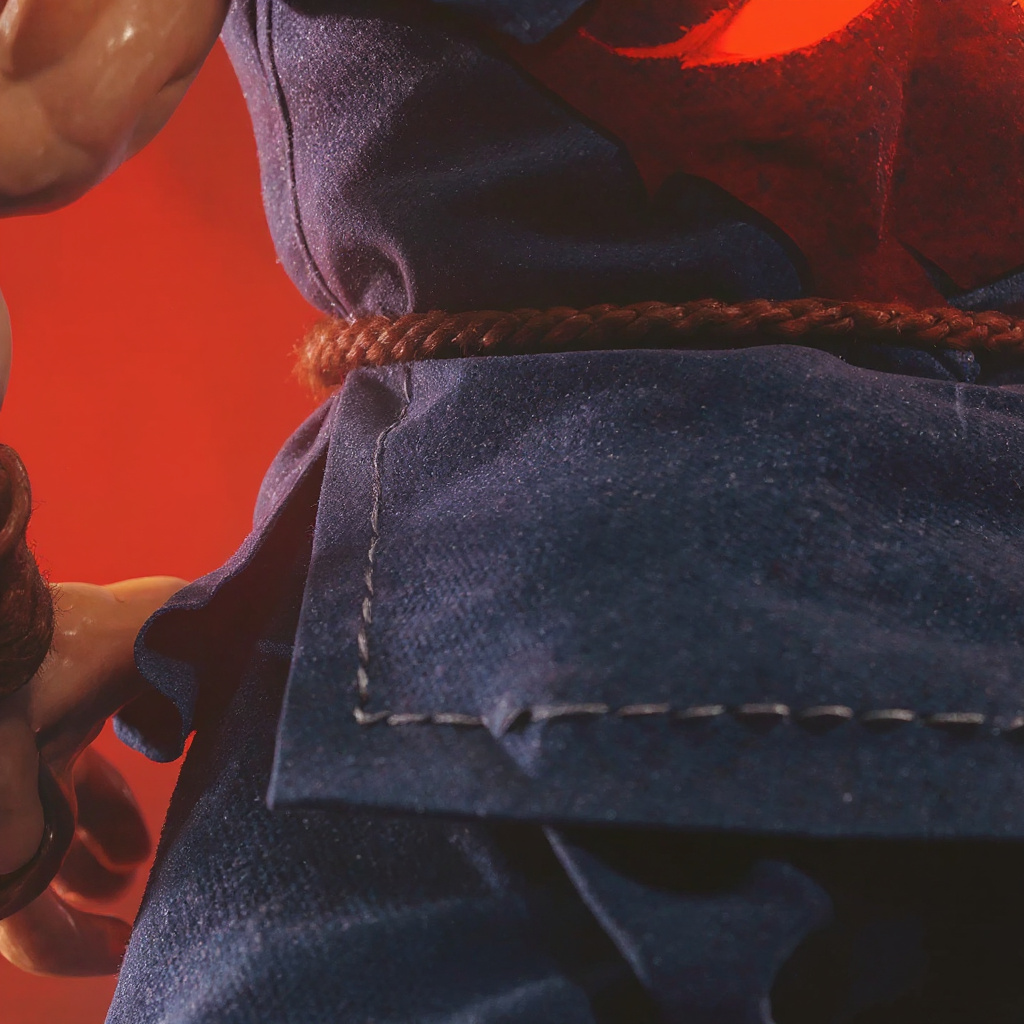
- Hand-sewn seams with visible stitching, not machine-perfect lines - Wire channels that might show a little bulk in thicker fabric zones - Color matching that's close to screen references but not laser-exact - The occasional loose thread, because it's handmade, not stamped out
Factory plastic alternatives cost $15–25 but lack the visible weave texture and the pose-holding wire. Premium licensed fabric outfits from companies working in 1/6 scale run $60–100+, which makes 1/12 wire frame pieces look almost reasonable by comparison. The Street Fighter community on Reddit tends to land on handmade soft goods as the best value-to-authenticity ratio for custom builds, though opinions there are, predictably, all over the place.
For a full walkthrough of posing torn fabric under low light, see our guide to shooting fabric figure clothing.
Is Wire Frame Worth the Extra Cost?
Depends on how you display. Static shelf builds do fine with plastic clothing at half the price.
But if you photograph figures under moody dojo-style lighting, build dioramas, or swap poses often, wire frame soft goods figure clothes change what's possible. The fabric texture reads better on camera than plastic ever will, and the pose-holding wire lets you freeze a torn hem mid-motion instead of watching it flop the second you let go.
The handmade imperfections are part of the appeal, not a flaw to apologize for. Loose threads and slightly uneven stitching are what separate a craft piece from an injection-molded accessory. If you want to see how the wire frame construction brings a tattered gi to life, browse the Akuma Gi Outfit and judge the seams yourself.

