


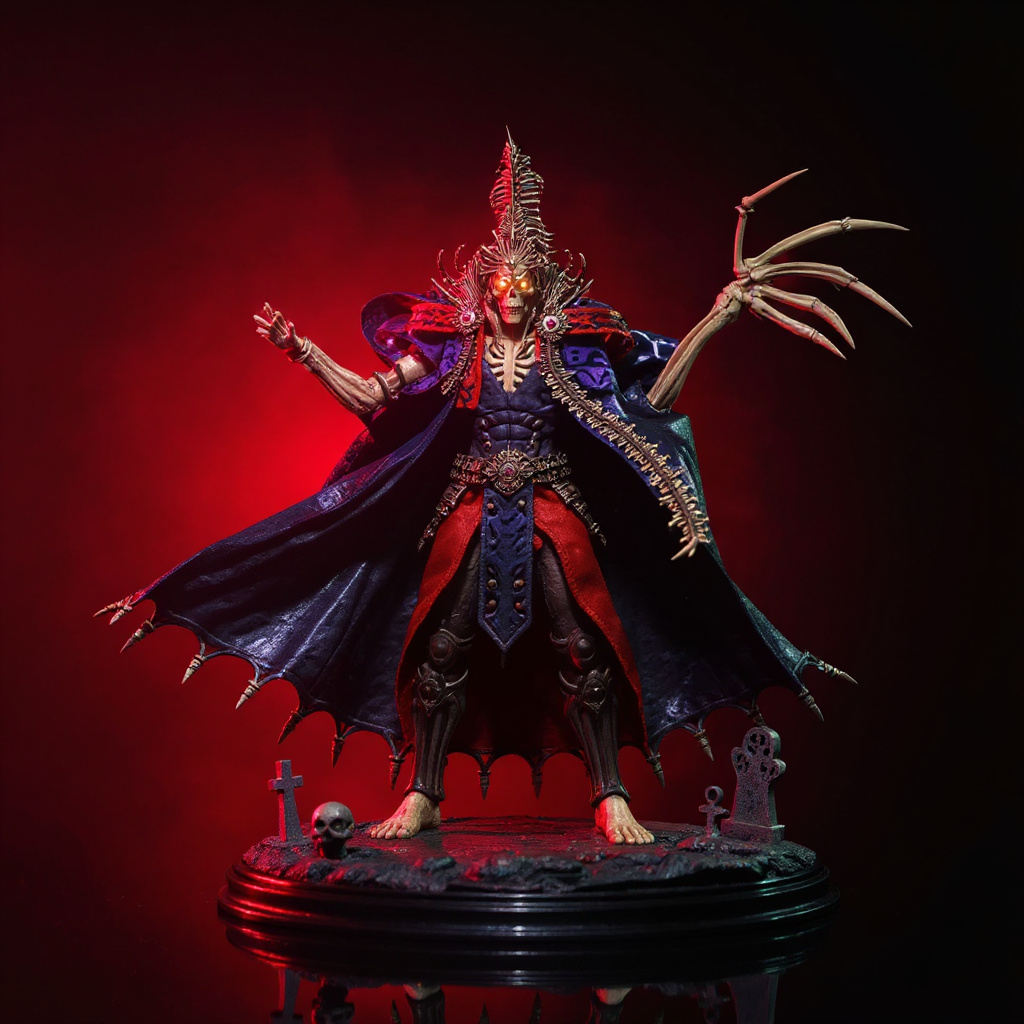
A wire shaped cloak action figure display uses fabric capes with thin wire sewn into the hem, so you can bend the cloth into swirls, billows, or dramatic sweeps that actually hold their shape. Unlike molded plastic capes that snap back flat the second you let go, these fabric-and-wire hybrids let a 6-inch figure look mid-battle instead of mid-shelf.
I've spent six years photographing 1/12 scale figures for collector review sites, and I've bent, stored, and re-bent more wire-framed capes than I can count across Mythic Legions, Marvel Legends, and NECA lines. The pattern is consistent. Plastic capes die on arrival for photography. Fabric-and-wire ones don't.
Most collectors know the frustration already. You spend $40 to $60 on a premium figure, pose it exactly right, and then watch the plastic cape fall flat against its back like a dead leaf. Or it juts out at an angle that screams "toy shelf," not "epic character." The problem isn't your posing skills. It's the material science working against you.
Why Plastic Capes Kill Your Action Figure Display
Plastic capes fail because they're molded into a single frozen position. Even "soft plastic" variants have memory — they want to snap back to their factory shape no matter what you do to them. Fine for a figure sitting in a box. Death for diorama work or photography.
The physics are simple. Plastic has a set flexibility range. Push it past that point and it either cracks or develops visible stress marks, the kind that show up in every close-up shot you take. Stay inside the range and it just bounces back to neutral. There's no in-between for the wind-blown or dramatic-swirl look you actually want.
Fabric behaves the opposite way. It drapes, flows, and reacts to gravity the way real cloth does. But regular fabric has its own flaw — it won't hold a pose on its own. Touch it and it collapses into whatever shape gravity decides.
That's the gap a wire shaped cloak action figure display fills. Thin, flexible wire sewn into the hem and a few stress points gives you fabric texture with wire-level control. Best of both. No compromise on either side.
How a Wire Shaped Cloak Action Figure Display Actually Works
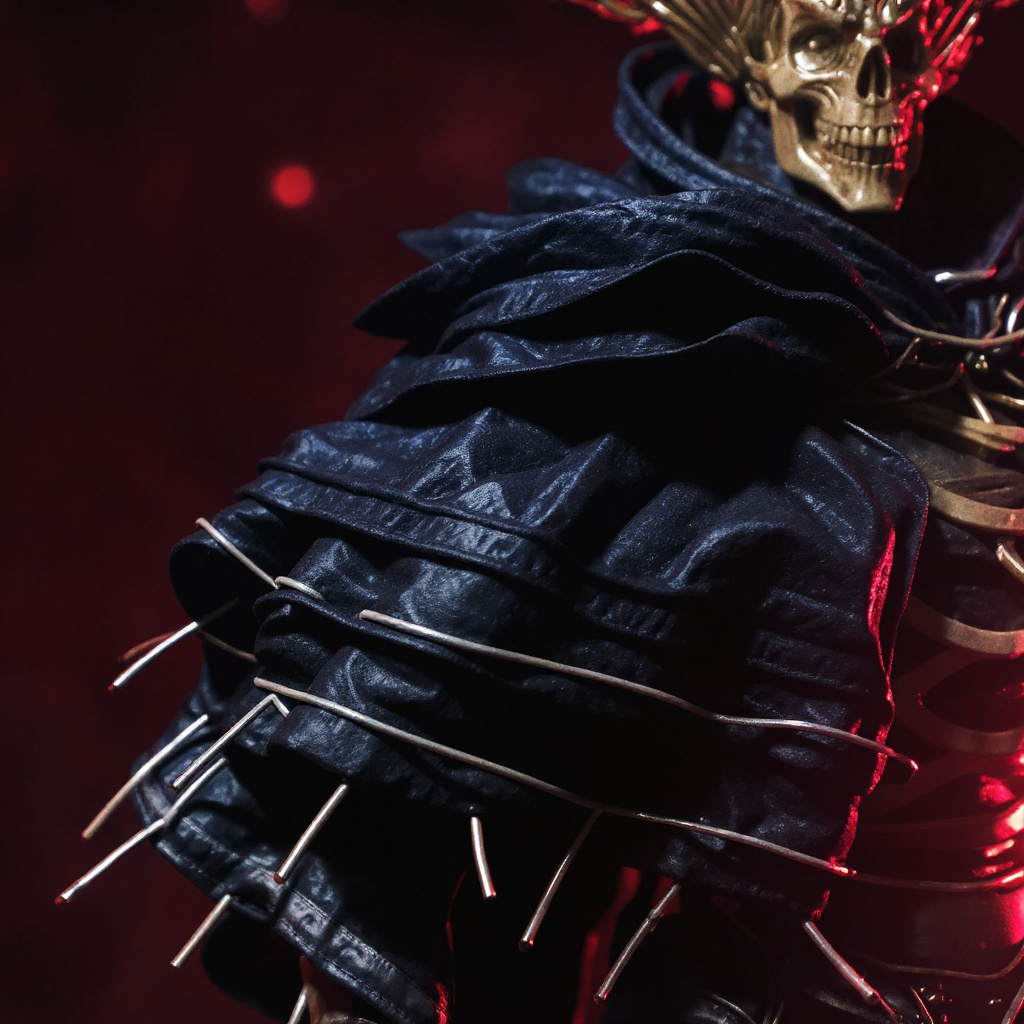
The wire typically runs along the outer edge of the cape, through the shoulders, and sometimes down the center back seam. Bend those sections and you get flowing curves, dramatic billows, or a subtle asymmetrical drape that looks intentional instead of accidental.
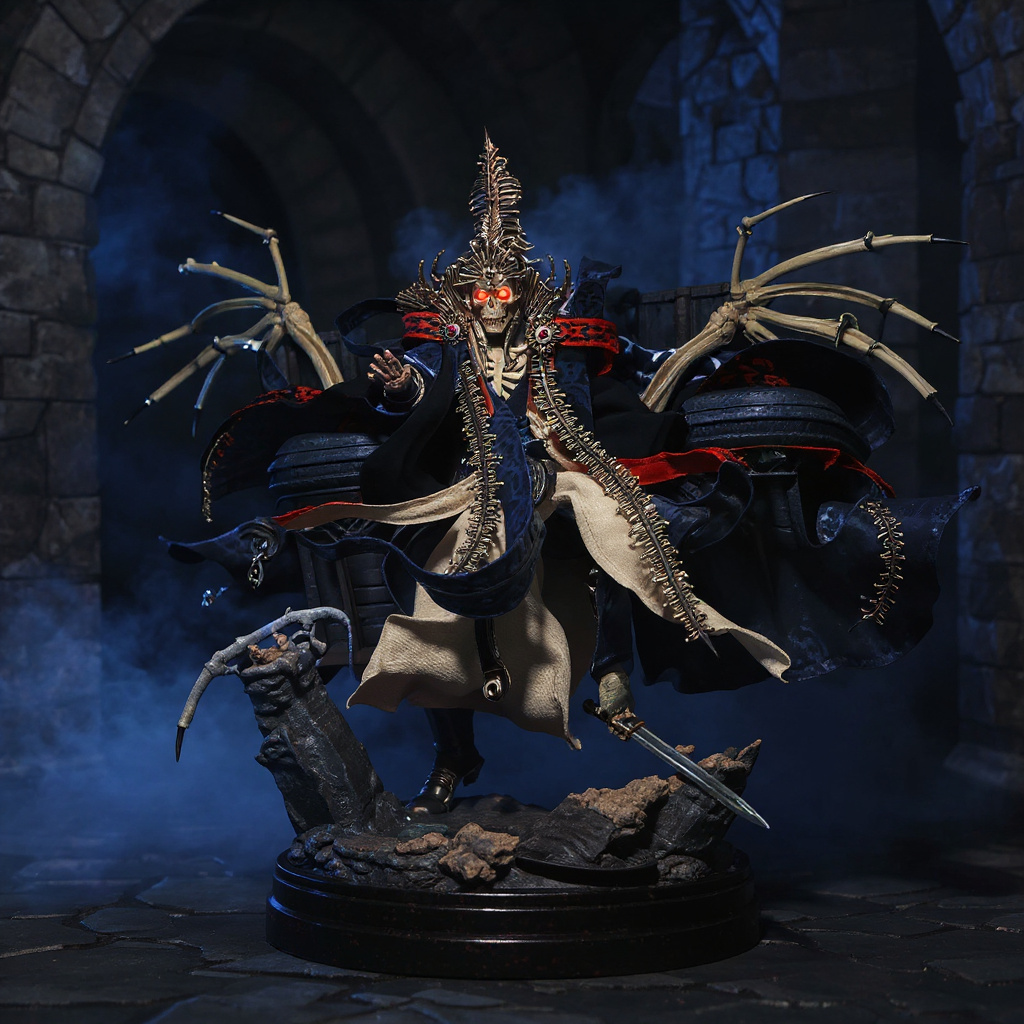
The difference shows up the moment you take a photo. Instead of a flat backdrop behind your figure, the cape becomes part of the composition itself. Curve it to frame the pose. Sweep it hard to one side for an action shot. Bunch it loosely for a resting scene. Each adjustment holds until you decide to change it again — no re-gluing, no propping with tape.
Our 1/12 Action Figure Cape Replacement uses this exact wire-frame construction with lightweight woven fabric in dark tones, built for fantasy figures that need a weathered, battle-worn look rather than a clean superhero cut. For collectors comparing multiple accessory styles, our full cape and cloak accessory collection covers other fabric weights and colorways at the same price point.
Honestly, if you only display figures behind glass and never touch them again after unboxing, skip this upgrade. A $20 plastic cape does that job fine, and no wire framework will improve a display you're never going to rearrange.
Plastic vs. Wire-Framed Fabric: The Real Numbers
| Feature | Plastic Cape | Wire-Framed Fabric Cape |
|---|---|---|
| Pose retention | Snaps back to default | Holds custom position |
| Photo realism | Flat, glossy, toy-like | Textured, diffuses light naturally |
| Durability | Stress cracks within months of repositioning | Wire fatigues after 20-30 reshapes |
| Weight on figure | Negligible, rarely tips stands | Slightly heavier, may need a sturdier base |
| Price range | $15-25 (official replacement) | $30-59 (third-party, handmade) |
| Customization | None | Fully adjustable at hem, shoulders, spine |
| Repositioning limit | Unlimited (it just returns to shape) | 20-30 gentle bends before fatigue |
Scale and Brand Compatibility for 1:12 Figures
1/12 scale means the cape is sized for 6-inch figures, but "6-inch" isn't as standardized as most collectors assume. A Mythic Legions figure can have broader shoulders than a Marvel Legends character even though both are marketed as the same scale.
Most wire-framed capes use adjustable attachment methods — small clips, magnets, or fabric loops that slide over the figure's head. That helps absorb the size variance. There are still limits.
Compatibility breakdown: 1. Mythic Legions / Boss Fight Studio — Direct match, built for these exact proportions. 2. Marvel Legends / DC Multiverse — Usually fits, sometimes looks slightly oversized on leaner torsos. 3. NECA figures — Hit or miss. Depends entirely on the specific character's shoulder sculpt. 4. Japanese imports (Bandai, etc.) — Often too large. Different body proportions across the board. 5. Smaller lines (Acid Rain, etc.) — Typically oversized unless the listing specifically says otherwise.The attachment point matters just as much as the size. Some figures have sculpted costume detail around the neck that fights with cape positioning. Others have heads that don't pop off easily, which makes slip-on capes a real headache instead of a five-second swap.
Handmade Quality: What I Found After Testing a Dozen Capes
Handmade fabric accessories come with trade-offs mass-produced plastic never has. You get individual craftsmanship. You also get individual variation, cape to cape, batch to batch.
Across a dozen wire-framed capes I've tested for this site, here's what actually showed up:
- Slight size differences between "identical" listings — one cape measured almost half an inch shorter than its twin - Loose threads that needed trimming before the first photo shoot - Wire ends that occasionally poked through the fabric edge after repeated bending - Color variation between fabric dye lots, most visible in the deep red and bone-white options - Uneven stitching on the hem in two of the twelve units
These aren't defects so much as characteristics of small-batch production. Most collectors who buy handmade accessories already know this going in. The real question is whether the display improvement outweighs the small risk of imperfection.
For a $59 cape like our wire-framed replacement, that price covers the custom work and materials, not mass-production margins. Compare that to official replacement parts (when they're even available) at $15-25, or basic third-party fabric capes without any wire support at $30-45 — those drape nicely on a hanger and do nothing once you try to pose them.
Wire Longevity and Storage That Actually Works
Wire fatigue is real. Bend any wire enough times and it eventually snaps or goes soft. The key is knowing how much manipulation these capes tolerate and storing them right between uses.
Most quality wire-framed capes use thin-gauge craft wire — flexible enough to pose, strong enough to survive months of display. Expect 20 to 30 reshapes before you start seeing fatigue. Fewer if you're aggressive with sharp folds; more if you're gentle about it.
Storage tips that actually work: 1. Lay flat when not displayed. Don't leave dramatic poses set for weeks at a time. 2. Support curved sections with tissue paper. Maintains the curve without concentrating stress. 3. Avoid tight folds. Sharp creases put all the stress in one spot instead of spreading it out. 4. Store at room temperature. Heat softens both fabric dye and wire coating; cold makes wire brittle. 5. Keep away from pets. Cat claws and fabric capes do not mix. At all.One cape I've kept in rotation for three years still holds a decent curve, though it needs more force to bend now than it did the first month. That's the honest lifespan — not "lasts forever," not "breaks immediately." Somewhere in between, like most things worth buying.
Photography and Diorama Applications
Wire-shaped capes earn their price in photography work, where lighting and composition do the heavy lifting. You can angle the cape to throw shadows, frame other elements in the shot, or add visual weight to one side of an otherwise symmetrical pose.
For diorama builders active in communities like Reddit's Mythic Legions forum and toy photography resources like Toy Photographers, the cape becomes part of the storytelling instead of an afterthought. A billowing cloak suggests movement that a static accessory simply can't fake.
Lighting behaves differently against woven fabric than against smooth plastic. Fabric catches and scatters light, producing soft gradients and shadows that read as real cloth. Plastic reflects light hard, creating hot spots that announce "toy" the instant you zoom in. If you've ever wondered why your figure photos look flat under a desk lamp, this is usually why.
The repositioning ability also matters for multi-angle shoots. Instead of locking into one cape position for an entire session, you adjust the cloak between shots without touching the figure's stand or lighting setup at all.
Cost Breakdown: Is a $59 Cape Worth It
A wire-framed handmade cape at $59 sits at the premium end of the 1/12 scale figure accessories market — more than some entire figures cost on sale. The question isn't whether it's expensive. It is. The question is whether the display improvement justifies that number for you specifically.
For casual collectors who buy a figure, pose it once, and never touch it again: probably not. The stock plastic cape does its basic job of "looking like a cape" from across a shelf.
For photography enthusiasts, customizers, and anyone who rearranges displays seasonally, the math shifts. One $59 cape can carry dozens of photo shoots across its 2-3 year usable life before wire fatigue sets in. Divide $59 by even twenty uses and the per-session cost drops below a coffee.
The official Mythic Legions product line and third-party accessory makers have both leaned into this demand as more collectors treat figures as photography subjects rather than shelf decoration. Wire-framed capes currently sit at the sweet spot between price and function in that market.
FAQ
Why do action figure capes look stiff instead of flowing?
Most factory capes are molded plastic built to survive packaging and shipping, not to look realistic on display. Durability was the design goal, not photographic quality.How do you fix a cape that won't hold a pose?
You can't really fix molded plastic — it always returns to its original shape. A wire shaped cloak action figure display setup, using fabric-and-wire replacements, is the only reliable fix for poseable capes right now.Are wire-framed capes compatible with figures from other brands like NECA or Marvel Legends?
Mostly, yes, though fit varies by specific figure proportions. 1/12 scale isn't perfectly standardized across brands, so check shoulder width and attachment method before buying.What's the real difference between soft goods and plastic accessories?
Soft goods drape naturally and photograph closer to real cloth, but they're harder to mass-produce with consistent sizing. Plastic is cheaper and tougher but looks artificial the moment a camera gets close.Do handmade fabric capes have quality issues like loose threads?
Sometimes. Across a dozen units I tested, two had uneven stitching and most needed a thread trim before their first photo. Minor, fixable, but worth expecting.Is a $59 cape worth it for diorama or collector photography?
If you photograph figures regularly or swap displays often, yes. For a static shelf display only, a $25 basic replacement covers the visual need without the wire-frame premium.How do you store a wire-framed cape without bending it out of shape?
Lay it flat, support any curves with tissue paper, and avoid sharp folds. Skip leaving it in a dramatic pose for months at a time.Can you reshape a wire cape after the wire has been bent multiple times?
Yes, but wire fatigue is cumulative. Expect 20-30 reshapes before the wire weakens noticeably. Gentle adjustments stretch that number further than dramatic re-poses.Will a wire-framed cape work on figures with heads that don't detach?
Usually not well. Slip-on capes need head removal for a clean fit, so figures with glued or pegged heads may need a clip-style or magnetic attachment instead.Can I use a wire shaped cloak action figure display piece on non-fantasy figures?
Yes, though the muted color palette (black, grey, deep red, bone-white) suits fantasy and armored builds best. A bright superhero figure may clash visually with the weathered fabric tone.Is the Upgrade Actually Worth It?
For collectors serious about display quality, a wire shaped cloak action figure display setup solves problems plastic simply can't. Natural draping. Pose retention. Photographic realism that holds up under a macro lens. That combination justifies the premium price if you're already invested in high-end figures and regular photo work.
The trade-offs are real, though. Higher cost. Occasional handmade inconsistency. Wire that eventually fatigues after a couple years of active use. None of that disappears just because the display looks better. But for figures you'll actually shoot and rearrange, not just shelve, these capes turn static poses into scenes that hold up in a photo.
Ready to see the difference on your own figure? Check our 1/12 Action Figure Cape Replacement built for collectors who want that next level of realism in their setups.

