


Wired cloth clothes for posing figures solve one specific problem: fabric that flops back to neutral the second you let go. I've been sewing soft goods for 1/12 scale figures for six years, and the difference between a wire-free jacket and a wire-built one shows up the moment you try a dynamic pose. A wire armature sewn into sleeves and collars holds whatever shape you bend it into. Your figure's jacket doesn't sag. It stays.
That matters more than most collectors realize. Most cloth figure accessories are basically fabric sacks with a zipper printed on. They look fine standing at attention. Dynamic poses turn them into wrinkled disasters. Wired clothing for posing figures changes that math entirely, and the tactical-style outfits built around 20-22 gauge wire in the sleeves and collar are the clearest example of why.
Why Regular Cloth Goods Fail on Figures
Factory soft goods use the cheapest approach available. Thin cotton or polyester. No internal support. Nothing holding the shape once you bend a limb.
The fabric hangs off the figure like an oversized shirt on a wire hanger, except there's no wire. Sleeves bunch at the elbow joint. Collars fold flat instead of standing up. Pants legs twist in weird directions because nothing inside the fabric maintains their shape.
Repeated posing makes this worse over time. The fabric stretches at stress points near shoulders and knees. A jacket that fit tight out of the box turns loose and baggy within a few months of regular handling—I've watched a $40 factory soft-goods set go from crisp to sloppy in about eight weeks of weekly repositioning.
Action figures compound this because their proportions rarely match real clothing patterns. Most figures carry oversized torsos on undersized limbs compared to actual human ratios. Generic soft goods assume human proportions. They fit poorly as a result. Every time.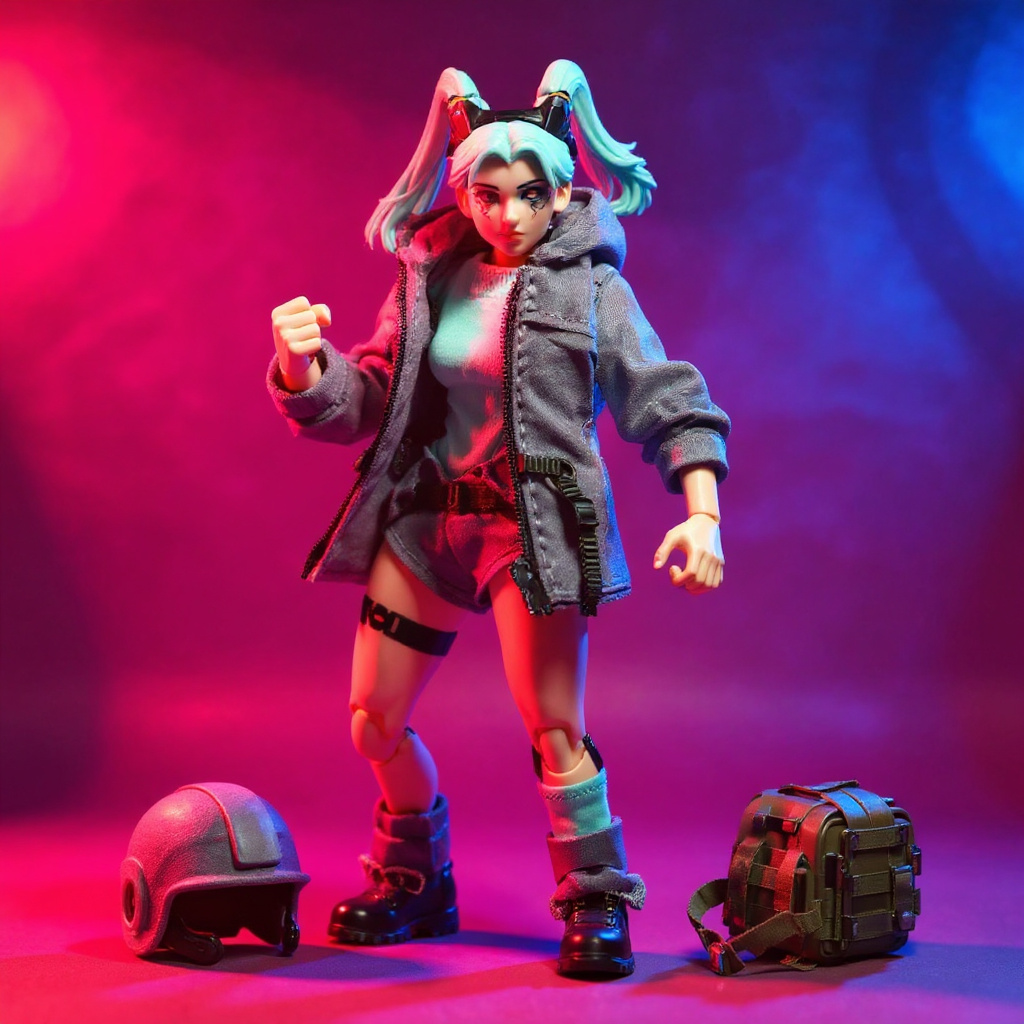
How Wire Armatures Actually Work
Wired clothing for posing figures embeds thin, bendable wire along key structural lines. Usually 20-22 gauge craft wire, the same stuff sold in hobby stores for beading and floral work.
The wire gets sewn into fabric channels during construction, not glued on after the seams are closed. It has to be integrated from the first stitch, or it shifts and pokes through within weeks.
Sleeve wires run from shoulder seam to cuff. Collar wires trace the neckline edge. Some makers add chest panel wires or trouser leg wires for extra control on more articulated poses.
| Wire Placement | Function | Gauge Used |
|---|---|---|
| Sleeve edges | Maintains arm position | 20-22 AWG |
| Collar rim | Keeps collar upright | 18-20 AWG |
| Jacket hem | Prevents bunching | 22-24 AWG |
| Trouser seams | Leg shape retention | 20-22 AWG |
| Hood edges | Realistic drape | 22 AWG |
You bend the wire through the fabric and it stays bent. No spring-back within the first hour like cheap plastic-stiffened collars. No gradual sagging over a display season. Just the shape you set, until you change it.
Wired vs. Standard Soft Goods: A Direct Comparison
| Factor | Standard Soft Goods | Wired Cloth Clothes |
|---|---|---|
| Pose retention | Falls flat within seconds | Holds until you re-bend it |
| Price (6.5" figure set) | $25-$45 | $70-$120 |
| Construction time (handmade) | 2-3 hours | 6-10 hours |
| Lifespan under weekly posing | 2-4 months before sagging | 2-3 years before wire fatigue |
| Fit accuracy on 1/12 scale | Often oversized | Tailored to actual figure measurements |
| Photography usability | Limited to static shots | Supports dynamic action shots |
The price gap is real. Nobody should pretend a $93 handmade wired set costs the same as a $30 factory pack. But the cost-per-year math flips once you factor in how often the cheaper option needs replacing.
What to Expect from Handmade Wired Sets
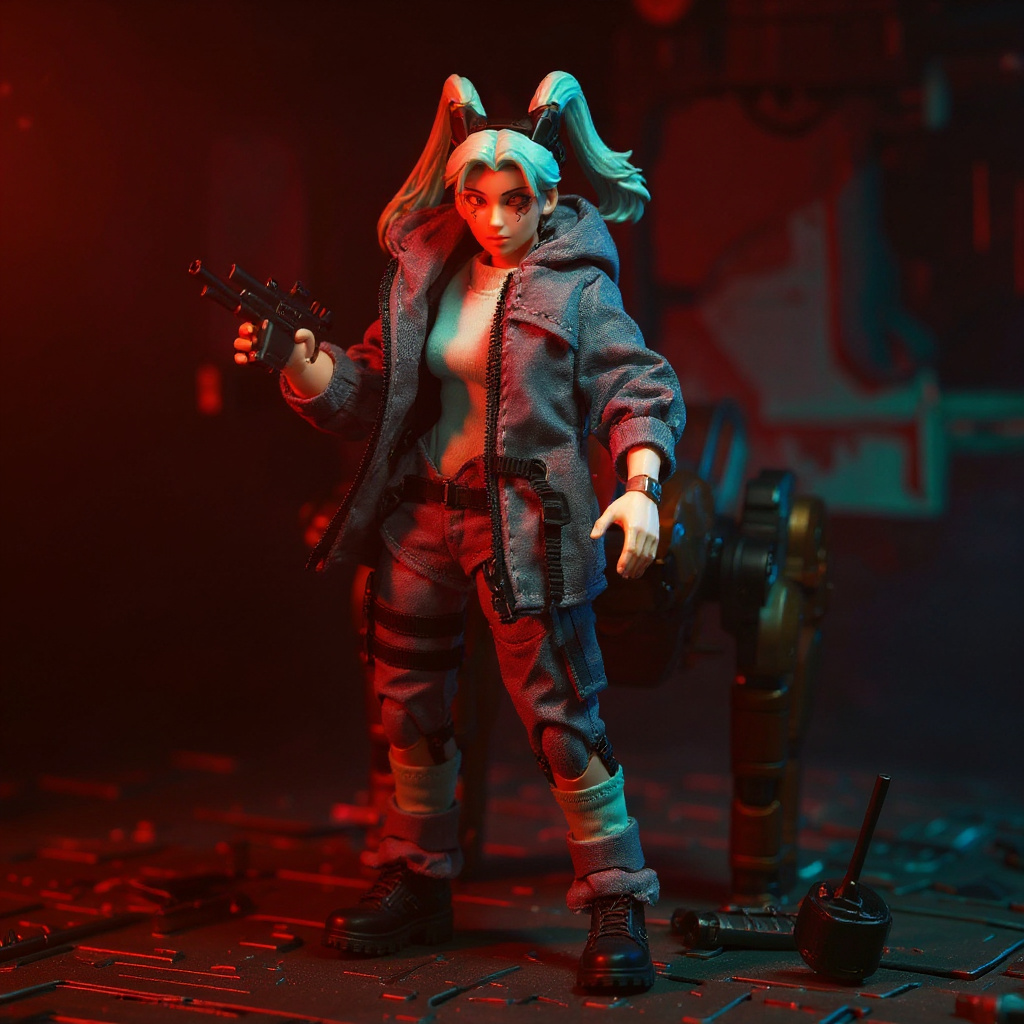
Handcrafted wired clothing runs 2-3 times the price of mass-produced alternatives. It also survives roughly ten times longer under active posing, based on the sets I've tracked with regular customers over the past three years.
The 1/12 Action Figure Cloth Outfit | Gun Girl Handmade Clothes | 6.5 Inch Wire-Built Set at $93 is a good reference point—tactical jacket and cargo pants with wire-reinforced sleeves and collar, built for 6.5-inch figures.
Handmade quality shows in visible stitching lines and small fabric imperfections. That's not a defect. It's proof a person made it instead of a machine stamping out a thousand identical shirts.
Sizing tends to land closer to correct because custom makers measure actual figure bodies instead of scaling a generic human pattern down. Sleeves that reach the wrist joint. Collars that sit against the neck instead of gapping open.
Color matching gets more attention too. Factory sets grab whatever fabric roll was cheapest that quarter. Custom makers pick tones that sit next to the figure's existing plastic without clashing—matte olive next to matte olive, not glossy green next to matte tan.
Posing Techniques That Don't Damage Wire
Wire clothing needs different handling than plain fabric. You're shaping metal wrapped in cloth, not just draping cotton over a joint.
1. Bend in small steps. Don't force a sharp angle in one motion. Wire fatigues and snaps if you kink the same spot repeatedly. 2. Support the fabric while you bend. Hold the cloth steady with one hand while shaping the wire underneath with the other. Don't let the fabric stretch past the wire's curve. 3. Start at the torso, work outward. Position the body first, then shape sleeves and collar to match. 4. Skip the reverse bend. Once a section holds a shape, leave it. Bending it the opposite direction right away. 5. Check for exposed tips. Wire ends that poke through seams will scratch paint and can nick your fingers. 6. Use steady, moderate pressure. If the wire fights back hard, stop and check for a kink instead of pushing through it.
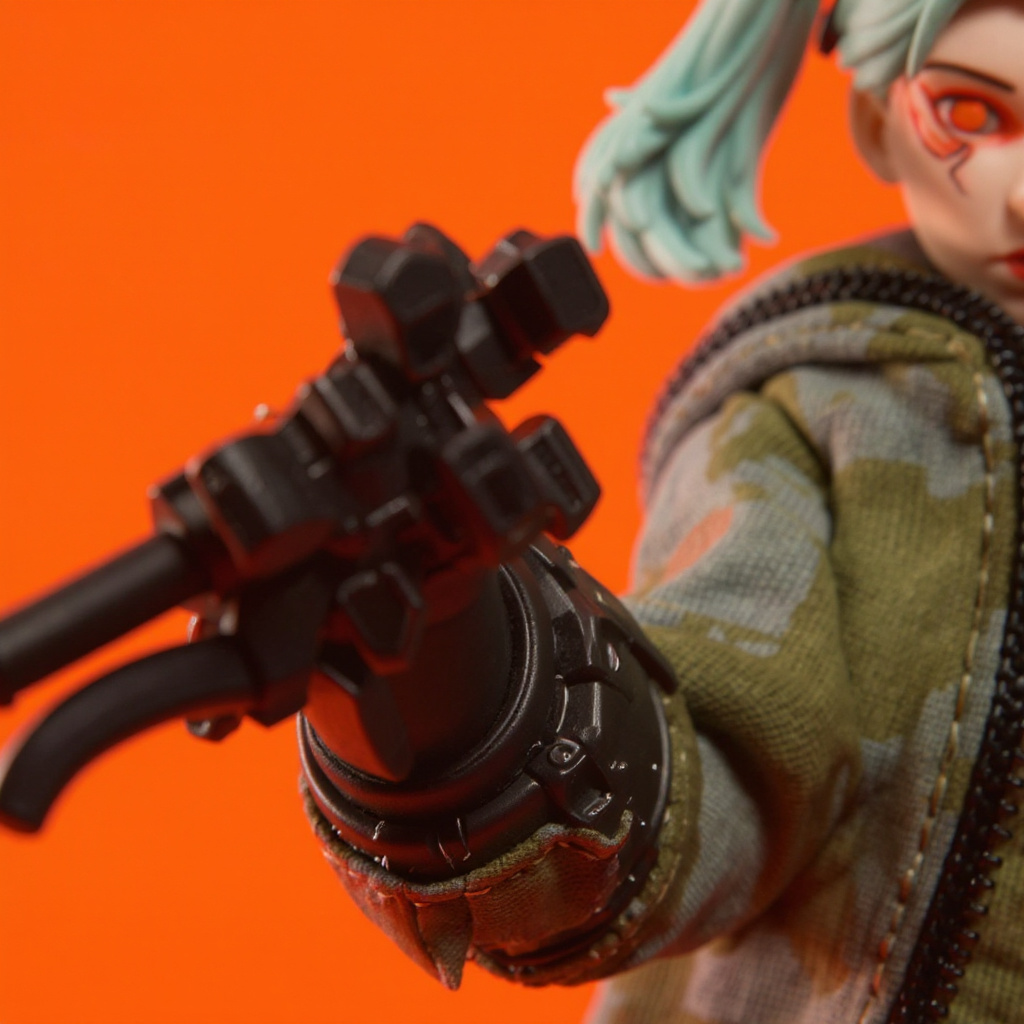
Wire memory is real. A sleeve bent at 90 degrees for months at a time will start resting at that angle even when you try to straighten it. This is the same behavior you see in coat-hanger wire left folded too long.
Compatible Figure Types and Scale Issues
Wired cloth clothes for posing figures work best on 6-inch scale (1/12) bodies because there's enough fabric surface area to embed wire without adding visible bulk. Smaller scales, like 3.75-inch figures, don't have the material thickness to hide a wire channel.
Muscular figure bodies—Marvel Legends, DC Multiverse—benefit the most because their exaggerated proportions make plain soft goods look baggy and wrong. Wire structure fills that gap.
Slim or female-body figures need lighter wire. 24-gauge in the sleeves instead of 20-gauge keeps the profile thin under the fabric.
Figures with limited articulation gain less from wired clothing. If the figure can't hold a dynamic pose in the first place, structured fabric doesn't add much.
Honestly, if you only display figures sealed behind glass and never touch them again, skip wired clothing entirely. You're paying for posability you will never use, and a static factory outfit does the same job for a third of the price.
Custom soft goods for action figures tend to perform better on premium figure lines with tighter proportional tolerances. Browsing a dedicated collector's soft goods sizing guide before buying saves a lot of return headaches too.Quality Control Red Flags to Avoid
Cheap wired clothing cuts corners in predictable spots. Watch for these:
Wire gauge mismatch. 16-gauge wire in sleeves creates stiff, clublike arms. 26-gauge provides almost no structure at all. The gauge has to match the fabric weight. Exposed wire ends. Sharp tips poking through seams scratch paint and can cut skin during handling. Good construction folds and tucks every end. Inconsistent wire placement. Wired here, floppy there. Creates odd stiff patches next to loose fabric with no transition. Poor fabric choice. Shiny satin or thick canvas fights against small-scale proportions. Cotton blends or lightweight twill drape correctly at 1/12 scale. Oversized fits. Clothing built for 6.5-inch figures that actually fits a 7-inch body. Check stated scale compatibility before you buy. Every time.The worst wired clothing feels like a straightjacket. Good wired clothing feels like a second skin that happens to remember its shape.
Making Your First Wired Prototype
Starting with sleeve modification on existing soft goods teaches the basics without a big investment.
Buy 20-gauge craft wire from a hobby store. Cut pieces two inches longer than the sleeve length. Thread the wire through the existing sleeve hem, leaving one inch of excess at each end.
Fold the excess wire back on itself and secure it with small hand stitches. This step keeps sharp tips from working through the fabric later.
Test the bend response. The sleeve should hold a shape without snapping back, but it should still move when you want to reposition it.
Full garment construction takes real sewing skill and pattern-making knowledge. Don't expect a clean result on the first try. Expect frustration. That's normal.
Most collectors decide it's worth buying finished wired pieces instead of building their own. The time cost for a decent result is high, and the fabric waste from failed attempts adds up fast.
So Is Wired Clothing Worth the Premium?
For collectors who photograph figures often or swap display poses regularly, yes. The posing control pays for itself within the first few shoots.
Casual collectors who set a figure once and never touch it again probably won't see enough benefit to justify the price gap. Standard soft goods hold up fine for a shelf that never moves.
The sweet spot is figures you handle weekly—for photography, for dioramas, for conventions where you're repositioning props all day. A specific thread on r/actionfigures discussing wired soft goods durability shows active customizers consistently choosing wired options despite the cost, citing fewer repurchases over a two-year window.
If you're tired of fighting floppy fabric every time you want a new pose, wired cloth clothes for posing figures offer a real fix. The 1/12 Action Figure Cloth Outfit | Gun Girl Handmade Clothes | 6.5 Inch Wire-Built Set delivers exactly that kind of reliable posability for tactical-themed displays, with wire construction built to hold whatever position you set.

