


Does a 7 inch action figure cloth cape actually change how a figure looks, or is it just a $44 way to make a plastic toy feel fancier? I've built and rewired more than a dozen of these capes over the past three years, including three failed attempts before I got the wire gauge right. Short answer: yes, it changes everything about how the figure reads on a shelf. Long answer takes the rest of this article.
A cloth cape transforms a rigid action figure into something that looks alive. Stock plastic bumps do one job — they identify the character — and nothing else. A 7 inch action figure cloth cape, done properly, does a dozen jobs: it drapes, it billows, it catches light differently depending on the hour you're photographing it. That's the gap between a toy and a display piece.
Why Fabric Beats Plastic (Most of the Time)
Plastic capes are injection-molded afterthoughts. Factories pump out millions of identical pieces that clip or peg on. They exist for one reason. To signal "this is Batman" without anyone having to think twice.
Fabric works with physics instead of fighting it. Real cloth responds to gravity, moves when you walk past the shelf, and looks different from every single angle you photograph it from — which matters more than people expect once they start shooting their collection for Instagram instead of just displaying it in a case.
The internal wire structure is what makes a 7 inch action figure cloth cape actually poseable instead of just soft. Quality capes embed thin wire along the hem and side edges, and that wire lets you shape the fabric itself: windblown mid-stride, draped over one shoulder, wrapped tight around a seated pose. Stock plastic cannot do any of this. Full stop.
| Feature | Stock Plastic Cape | Quality Cloth Cape |
|---|---|---|
| Cost | Free with figure | $25–$60 |
| Poseability | One fixed shape | Reshape by hand, holds for weeks |
| Durability | Cracks around year 2 | Fabric held up 4 years on my display shelf, no cracking |
| Photography | Looks the same from every angle | Different silhouette every 15 degrees of rotation |
| Repair | Replace the whole piece | Rewire, patch, rehem |
| Weight added to figure | Near zero | 3–8 grams depending on fabric |
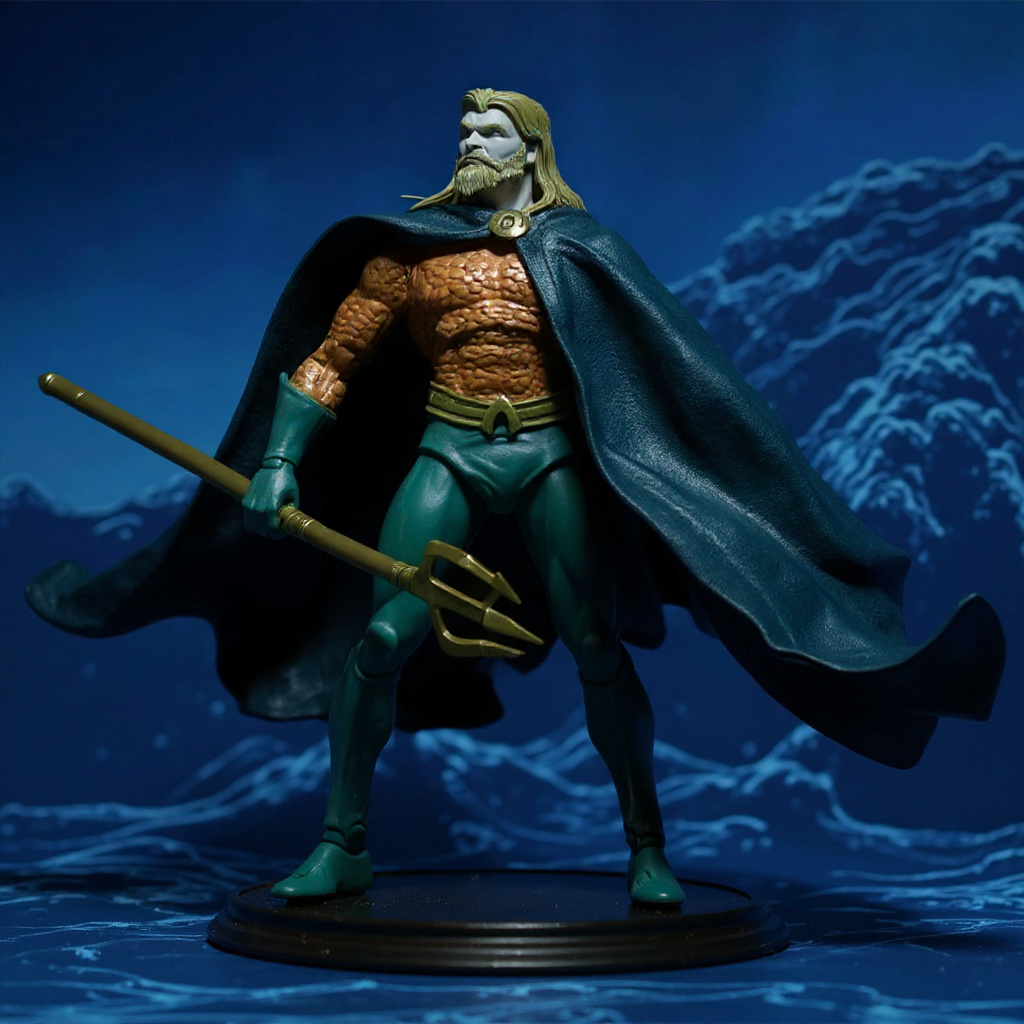
Fabric Choice Makes or Breaks the Look
Not all cloth capes are equal, and the fabric decides whether yours looks like a superhero's cloak or a doll's costume glued on as an afterthought.
Cotton is cheap and easy to dye, but it holds a stiffer fold than you'd want for a dramatic wind pose. It looks fine standing still. It looks a little flat mid-action.
Polyester blends flow better and resist wrinkling, plus they stay colorfast — that deep ocean blue won't fade to gray after a year under a display light. The slight synthetic sheen actually helps here; it reads as "otherworldly ocean fabric" rather than "craft store remnant."
Satin and silk drape like water and catch light in a way polyester can't fake. They're also expensive and finicky. Honestly, if you live in a humid climate, skip silk entirely — I had one mildew at the hem after four months in a non-climate-controlled room, and no amount of fabric spray brought the color back.
The Aquaman Endless Winter Cape for 7 Inch Action Figure uses a textured polyester-blend fabric that gives the deep ocean blue real depth instead of a flat dye job. At $44 it sits mid-range, and it includes the wire framework that a lot of cheaper listings quietly skip. If you want to see other soft-goods options before committing, the full cape and cloak collection is worth a scroll first.
Getting the Scale Right for 7-Inch Figures
Scale matters more with fabric than plastic, because fabric shows every sizing mistake instead of hiding it inside a mold.
Most 7-inch figures) represent characters roughly 6 feet to 6'6" tall in-universe, which means a properly scaled 7 inch action figure cloth cape should hang to mid-calf or ankle when draped naturally, with extra length built in for trailing or billow effects during dynamic poses.Width is the trickier number. Too narrow and the folds look thin and cheap. Too wide and the figure disappears under a bedsheet. A workable rule: cape width flat should run about 1.5 times the figure's shoulder width — measure before you buy, not after.
Attachment points vary by figure line, and this trips up more buyers than fabric choice does. McFarlane DC figures typically use a peg system at the neck. Mezco figures often rely on magnetic points. Some custom capes skip both and use tiny snaps or Velcro strips instead, specifically to avoid scraping paint off the collar.
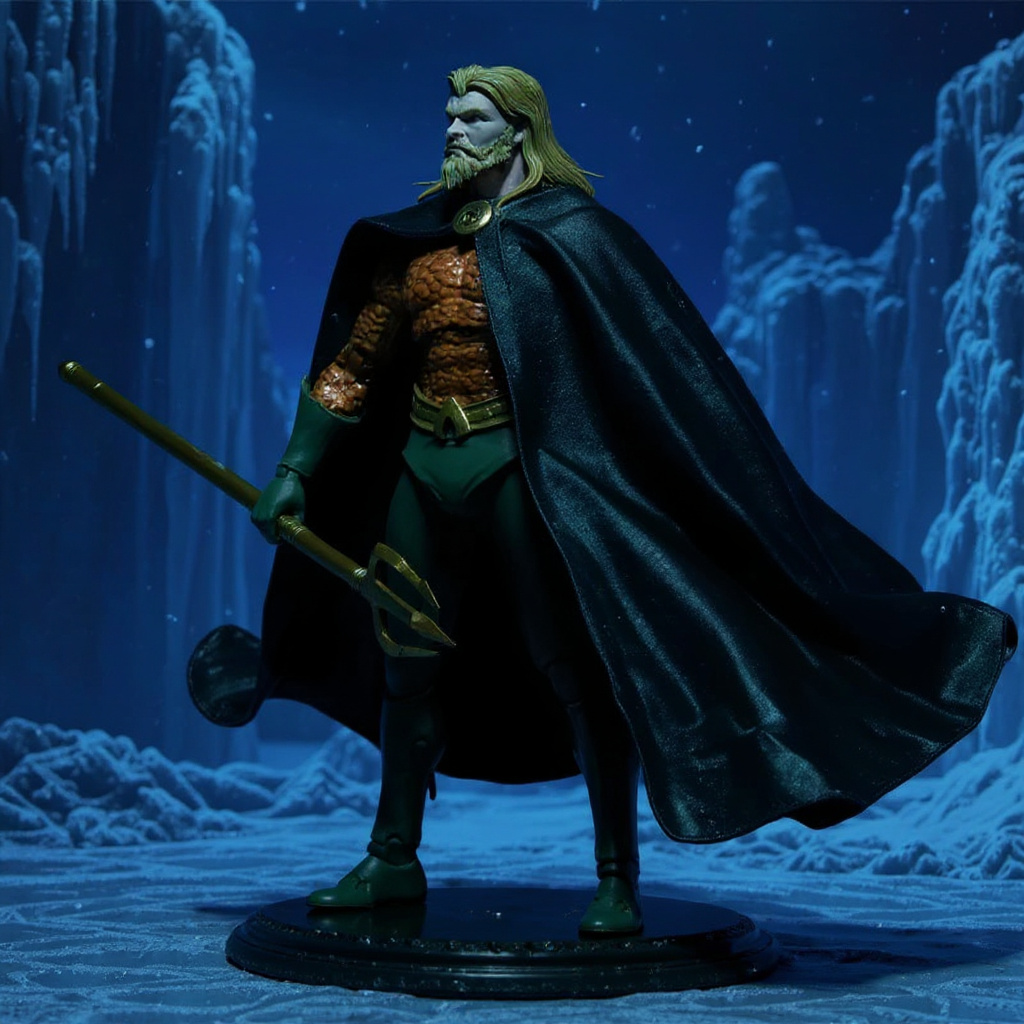
Wire Framework: The Hidden Engineering
The wire inside a poseable cape does two jobs at once. It holds whatever shape you bend it into, and it adds just enough weight to make lightweight fabric drape instead of float.
Most quality capes use 20–22 gauge craft wire. Go thicker and you get visible lumps under the fabric. Go thinner and the wire disappears, sure, but it also stops holding a bend after a day or two — I've had 26-gauge wire go limp within 48 hours of a windblown pose.
Here's roughly how much wire a 7-inch figure cape needs:
1. Hem edge: 8–12 inches depending on cape width 2. Side edges: 3–4 inches each side 3. Optional shoulder reinforcement: 2–3 inches 4. Spare wire for repairs: 6 inches 5. Total: about 24–30 inches per cape
The wire sits inside sewn fabric channels along the edges. Done well, you can't see it. You can't feel it either. But you can bend the whole cape into a dramatic wind-caught shape and it stays that way through three room rearrangements and a move across town.
Attachment Without Paint Damage
This is where a lot of cheap listings fall apart — they attach fine once, then scrape paint off the shoulders every time you take the cape off for a pose change.
Magnetic attachment is the gold standard when the figure already has magnetic points built into the shoulders or neck. If yours does, use it. If it doesn't, don't force magnets where they don't belong.
For figures without magnetic points, padded clips or soft fabric straps spread the pressure across a wider area instead of one hard contact point. Velcro works too, provided the hook side never touches painted plastic directly — that alone has saved more figures than any other single tip in this article.
Some makers build in redundancy: a primary magnetic point plus a backup snap or tie. It's a small detail that matters a lot the first time your cat walks across the display shelf.

Repair and Modification Options
One real advantage of cloth over plastic: you can fix it. A cracked plastic cape usually means buying a new one. A torn or bent-out-of-shape fabric cape usually just means twenty minutes with a needle.
Common repairs:
1. Rewiring edges when the original wire loses its spring 2. Patching small tears with matching fabric and fabric glue 3. Hemming adjustments to change overall length 4. Color touch-ups with fabric paint on faded sections 5. Adding weathering with dry brushing or light fabric dye 6. Replacing hardware when snaps or magnets fail
The wire framework doubles as a modification tool, too. Bend the cape into a dramatic shape for a photo shoot, then flatten it back out for shelf display. Try that with injection-molded plastic. You can't.
Custom vs. Mass Production Trade-offs
Handmade soft goods cost more because an actual person cuts the fabric, sews the seams, installs the wire, and test-fits the piece before it ships. That labor shows up in the price tag, for better or worse.
Mass-produced plastic capes cost manufacturers maybe $0.15 in materials and molding time. A custom 7 inch action figure cloth cape runs $5–$15 in materials plus 2–3 hours of skilled labor, which is why quality versions start around $25 and climb from there.
You're paying for flexibility plastic can't offer — every pose becomes a usable photo, the shelf looks less static, the figure reads as a scene instead of a statue. Whether that's worth $44 depends entirely on how often you actually rearrange your display. If your figures haven't moved in two years, save the money.
FAQ
Where can I buy a 7 inch action figure cloth cape? Etsy carries the widest selection of handmade soft goods sized for 7-inch figures, with individual makers specializing in superhero, fantasy, or historical styles. eBay has options too, but fit and wire quality vary more there than on maker-run storefronts. What is the standard size for an action figure cape? For a 7-inch figure (roughly 1:10 scale), a properly proportioned cape runs about mid-calf to ankle length and roughly 1.5 times the shoulder width when laid flat — usually 5–7 inches wide and 6–9 inches long depending on the character's build. What is the best fabric for a cloth cape? Polyester blends balance drape, colorfastness, and durability best for repeated posing. Cotton works for budget builds but looks stiffer. Silk and satin drape most dramatically but degrade faster in humid storage — expect visible fiber wear within a year of regular handling. Which character wears a cape like this? Aquaman has worn several cape designs across his comic history, including the flowing blue cloak from the Endless Winter storyline that this style of cape is modeled after. How do you attach a cloth cape without damaging figure paint? Use padded clips, soft fabric straps, or magnets where the figure already supports them. Never let a hard clip or metal edge sit directly against a painted surface — test on an unpainted or hidden area first if you're unsure. Can a broken factory cape be replaced with a cloth one? Yes, and it's usually an upgrade rather than a downgrade. Most custom capes are cut to fit the same neck peg or collar attachment the factory piece used, just with fabric that won't crack after a few years on the shelf. How much wire do you need for a poseable cape? Plan on 24–30 inches of 20–22 gauge craft wire per cape: 8–12 inches for the hem, 3–4 inches per side edge, 2–3 inches for optional shoulder reinforcement, and 6 inches held back for repairs. Is a handmade cloth cape worth it over stock plastic? If you photograph your figures or rotate poses regularly, yes — the difference is visible in every shot. If your figure sits in one static pose behind glass, the $25–$60 price gap probably isn't worth it for you. How long does a wire-framed cloth cape actually last? With normal handling, expect 3–5 years before the wire loses enough spring to need rewiring. Fabric itself, if it's polyester, tends to outlast the wire by a wide margin.So Is the Upgrade Worth Your Money?
Depends on how you actually use your figures. Static shelf, glass case, never touched? Plastic is fine. But if you photograph your collection, build dioramas, or just want the display to look less frozen, a 7 inch action figure cloth cape changes the shelf in a way plastic never will.
The $44 price point sits in enthusiast territory — more than a casual buyer wants to spend on an accessory, reasonable for someone who cares about how their display actually reads in photos. You're not buying a cape. You're buying the ability to pose fabric as part of the figure's story.
Ready to see it in person? Browse the Aquaman Endless Winter Cape for 7 Inch Action Figure here, or check the broader cape collection if you're outfitting more than one figure.

